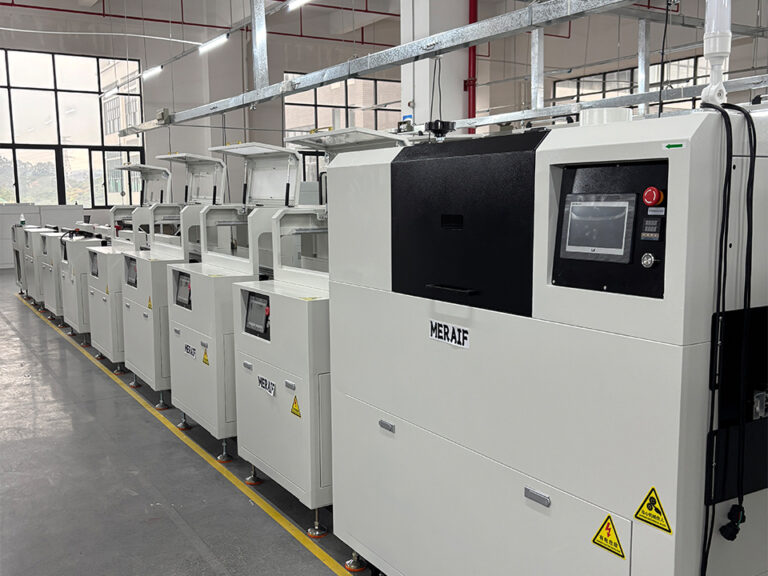
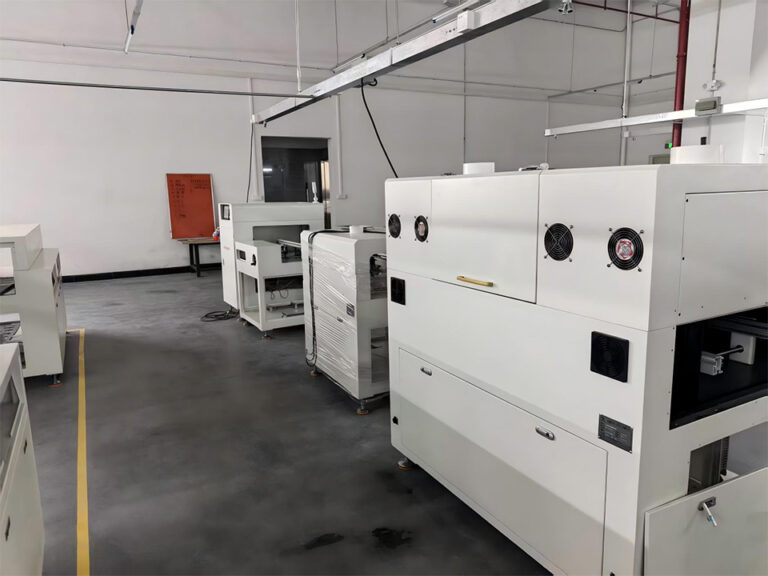
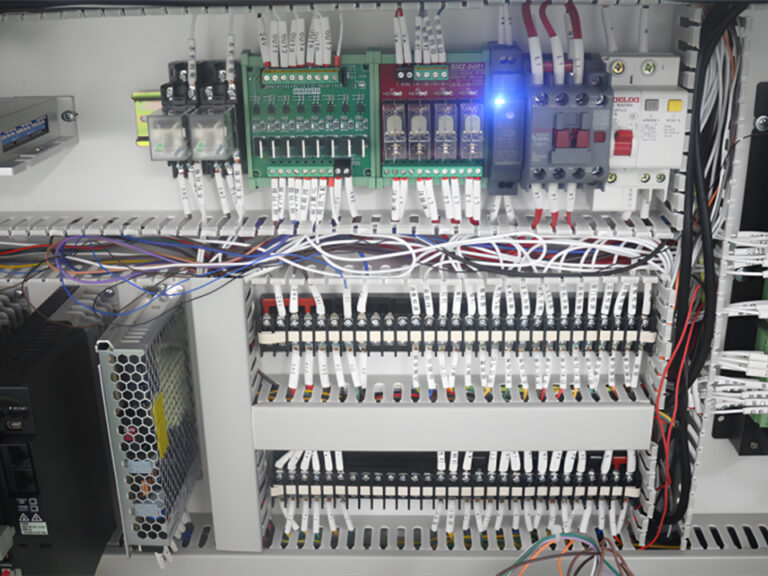
I’ve watched smart founders buy a shiny desktop pick and place machine… then keep tweezers on the bench “just in case.” It happens.
Here’s the hard truth: the machine isn’t the job. The workflow is the job. If you don’t budget time for feeders, stencil printing, paste control, and inspection, your “affordable pick and place machine” turns into an expensive hobby.
So, who is this really for?
If you build prototypes every week, run short batches (10–500 boards), and you’re sick of hand-placing 0402s until your neck locks up, a benchtop pick and place machine can pay for itself fast. If you build one board a month, don’t do it. Outsource and sleep.
What you’re actually buying (not the marketing)
A desktop pick and place machine is basically three subsystems strapped together:
- Motion (XY table or gantry)
- Feeding (tape feeders, trays, sticks, cut-tape hacks)
- Vision + software (cameras, fiducials, centroid correction, rotation, offsets)
The sales page screams “CPH.” I ignore it.
Because your real speed limit is setup: loading reels, teaching feeder positions, doing nozzle changes, and babysitting parts that flip, cling, or skew. That’s why small business buyers obsess over “best desktop pick and place machine for small business use,” then get disappointed when the first week feels like debugging a printer from 2009.
Want a shortcut? Look at how much support the vendor will provide after you wire money. If you’re planning to scale beyond a home pick and place machine phase, read the fine print on training and response time. I’m biased, but if you need onboarding, start with a provider that offers training and after-sales support for SMT equipment instead of a “good luck” email.
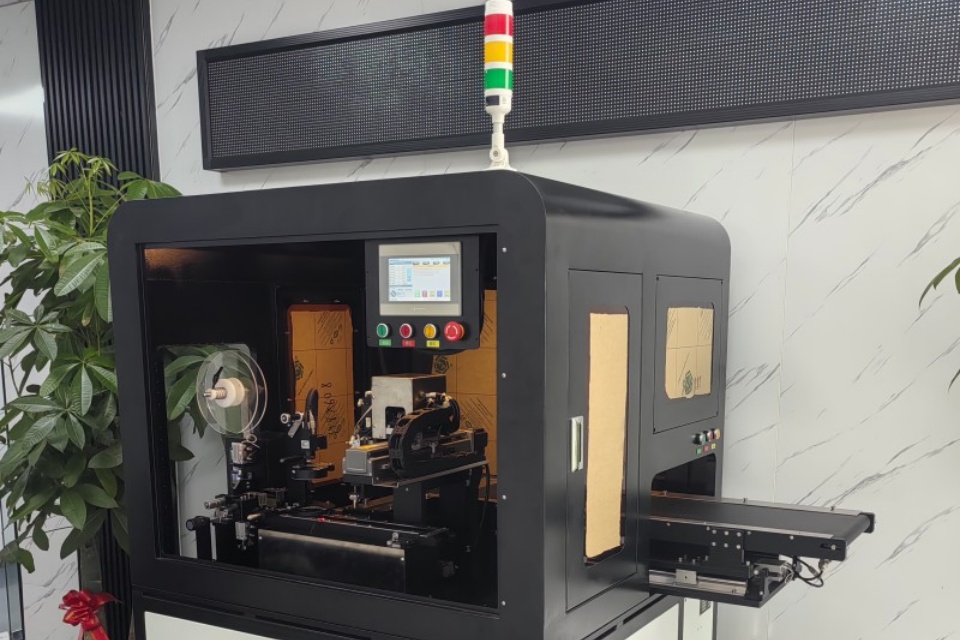
The economics nobody puts on the product page
Labor is the quiet driver here. In the U.S., the BLS lists Electrical/Electronic/Electromechanical Assemblers at a median $19.47/hour (May 2023 national estimates). (bls.gov)
And that’s wage. Not burdened cost. Once you stack payroll taxes, overhead, rework, and “why is this board missing R17 again,” your real hourly cost can look very different.
Now pair that with the macro picture: NIST pegs global manufacturing value added (constant 2015 dollars) at $14.5T in 2021, with the U.S. at $2.4T (16.3%) and China at $4.5T (30.9%)—and it notes direct + indirect manufacturing at 24.1% of GDP.
Small shops feel this pressure first. You don’t have the headcount cushion. You either automate some steps, or you accept longer lead times and higher unit cost.
But. Automation doesn’t mean “buy the cheapest robot.”
Desktop vs DIY vs “real” SMT gear
I’ll say it plainly: a DIY pick and place machine can work, but you become the service department. You tune kinematics, chase backlash, and fight camera calibration while orders pile up.
Academic work keeps proving you can build low-cost pick-and-place style robots with vision (often delta robots) using commodity controllers and cameras, but “possible” isn’t the same as “productive in a business week.” (科学直通车)
If you’re a home user, that tinkering might be the fun part. If you’re a small business trying to ship, it’s usually a tax you didn’t plan for.
And if you’re thinking “I’ll just buy used industrial,” sure—until you price feeders, freight, power, air, and the first surprise service call.
The comparison that matters
| Option | Typical upfront pain | Real-world throughput driver | Quality risk | Best fit |
|---|---|---|---|---|
| Desktop/benchtop pick and place machine | Moderate (learning curve + feeders) | Setup time per job | Medium (mis-picks, feeder quirks) | Prototypes + small runs, lots of changeovers |
| DIY pick and place machine | High (integration + tuning) | Your engineering time | High (calibration drift) | Builders, labs, one-off experimentation |
| Used industrial SMT placement | High (infrastructure + service + feeders) | Line balancing | Medium (depends on condition/support) | Repeating jobs, higher volume, stable BOMs |
| Outsource PCBA | Low upfront | Vendor lead time | Low/Medium (depends on EMS controls) | Low volume, low urgency, or no in-house process control |
If you’re regularly building small-run boards, the desktop pick and place machine path only wins when changeovers don’t crush you.
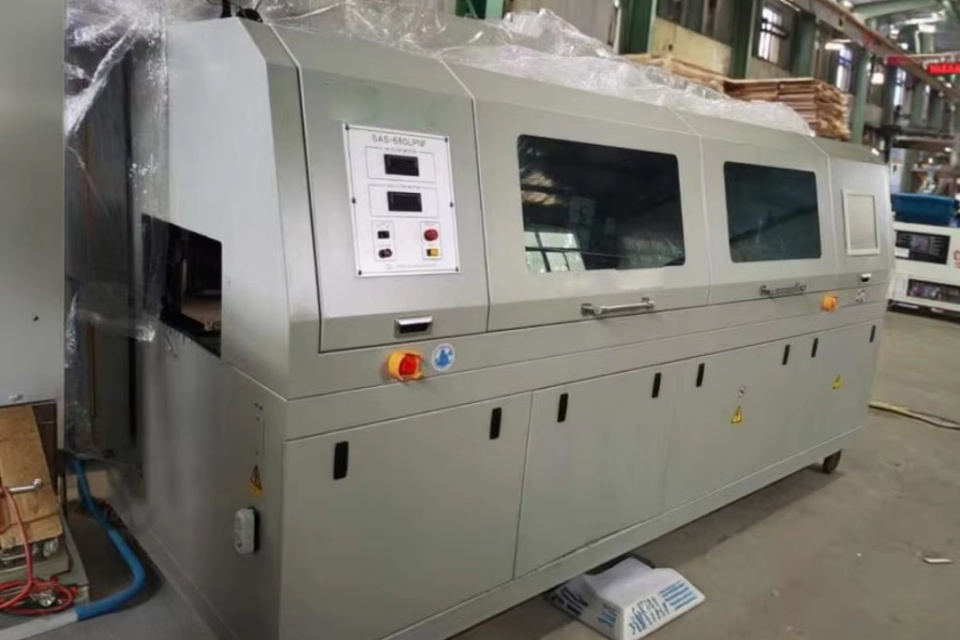
That means you need to plan your whole line, not just the mounter. If you’re unsure what “whole line” even looks like, start with a blueprint like prototype and small-batch SMT line solutions and work backward from your board mix.
What “home and small business use” really requires
Here’s the part that gets people mad at me.
A compact SMT pick and place machine doesn’t complete a PCB. It places parts onto paste. You still need:
- A way to apply paste (usually stencil printing)
- Reflow (oven, hotplate profile control, or a proper reflow oven)
- Basic inspection (at minimum: microscope + process discipline)
- ESD control (mat, wrist strap, storage)
- Paste handling (many common lead-free pastes like SAC305 need sane storage and time control)
If you skip these, you’ll blame the machine for problems that come from paste volume, stencil alignment, or reflow profile.
And if you’re a small business, the real “cost vs benefit” question is whether you want to own that process control. Some shops do. They like tight iteration loops, same-day ECOs, and fewer email threads with an EMS.
When you’re ready to stop piecing it together, the cleanest route is often a bundled approach—mounter + printer + oven + support—like turnkey SMT line solutions. Not glamorous. Just fewer surprises.
Buying signals I trust (and the ones I don’t)
I trust:
- Feeder ecosystem maturity (and price of adding 10 more feeders)
- Vision reliability on your smallest package (0402? 0201?)
- Software workflow (BOM import, centroid mapping, rotation sanity)
- Spare parts availability and lead time
- Training quality (not “watch our YouTube”)
I don’t trust:
- Peak CPH marketing numbers
- “±0.02 mm accuracy” with no test method shown
- “AI vision” claims with zero examples of odd-shaped parts
If you’re serious, get the catalog/specs in writing and compare like-for-like. Start here: download the SMT equipment catalog. And don’t ignore field reality—see how other buyers set up their lines in SMT customer cases and installs.
FAQs
What is a desktop pick and place machine?
A desktop pick and place machine is a small SMT placement robot that uses vacuum nozzles, feeders, and cameras to pick SMD components from tape/trays and place them onto a PCB, usually for prototypes and low-volume runs where fast iteration matters more than factory-scale automation. In practice, it’s a speed tool only if your feeder setup and job changeover stay under control.
How much does a desktop pick and place machine cost for a small business?
A desktop pick and place machine cost is the combined price of the base machine, feeders, nozzles, vision options, and setup tooling, and the “real” number often lands far above the headline sticker because you buy capacity in add-ons, not in the chassis. If you need many reels loaded at once, feeder count drives the bill faster than people expect.
Can a home pick and place machine reliably place 0402 or 0201 parts?
A home pick and place machine can place 0402—and sometimes 0201—when its vision system, nozzle set, and feeder stability match the package size, but reliability depends less on the spec sheet and more on calibration discipline, paste quality, and whether the machine can detect skewed picks before placement. If you hate tuning, don’t plan your business around 0201 on day one.
What throughput should you expect for PCB assembly machine for small runs?
Throughput for a PCB assembly machine for small runs is the real placed-components-per-hour you achieve after tape loading, fiducial alignment, nozzle changes, and first-article checks, and it’s usually limited by changeover time and error recovery rather than by the maximum motion speed shown in marketing. If every job is a new BOM, “fast” means “fast to set up,” not “fast in theory.”
Is a DIY pick and place machine worth it compared to buying?
A DIY pick and place machine is worth it when you value customization and learning over predictable production, because you trade cash for engineering time, calibration work, and ongoing maintenance that a commercial benchtop system normally bundles into support, documentation, and a stable feeder ecosystem. For a revenue-backed shop, that trade often hurts more than it helps.
What’s the biggest mistake small businesses make when buying a benchtop pick and place machine?
The biggest mistake is buying the benchtop pick and place machine first and designing the process later, because placement is only one step in SMT and weak stencil printing, sloppy paste control, and unmanaged reflow profiles will create defects that look like “machine problems” but are actually process problems. Build the line plan, then pick the machine that fits it.
Conclusion
If you tell me your board size, smallest package (0402/0201), target batch size, and how often your BOM changes, I can point you to the right class of desktop pick and place machine—or tell you to outsource and keep your cash. When you’re ready, reach out here: contact our pick-and-place team.