Most factories don’t have an energy problem. They have a discipline problem.
I’ve spent enough time around production managers, maintenance leads, and line engineers to know how this usually goes: everybody watches labor, everybody argues about yield, everybody has a theory about why margins are tightening, and meanwhile the plant is bleeding money through oven settings nobody requalified, compressors nobody audited, and standby logic nobody touched after the last product mix change. Quietly. Constantly.
And that’s the part people hate hearing, right?
Because energy efficiency sounds soft until it hits the monthly operating statement. Then it suddenly becomes very real. The IEA’s Energy Efficiency 2024 makes the broader point pretty brutally: global energy efficiency progress improved by only about 1% in 2024, basically the same weak pace as 2023 and far below what would be needed for a faster cost and emissions trajectory. That’s not a victory lap. That’s a market full of under-optimized operators. And yes, opportunity. Big one.
Energy Efficiency Is Not a Sustainability Slogan
Let me say it plainly.
Energy efficiency is cost control wearing a cleaner shirt.
That’s why I don’t like the fluffy version of this topic. Once the conversation drifts into generic “green manufacturing” language, the useful part usually dies. What matters on the shop floor is simpler: how many kilowatt-hours, cubic meters of gas, liters of cooling, or compressed-air hours are being consumed per saleable unit—and how much of that spend is attached to bad habits rather than real production demand.
The U.S. EIA’s Manufacturing Energy Consumption Survey backs up the scale of the issue. Total U.S. manufacturing energy consumption rose 6% between 2018 and 2022, and the biggest industrial sectors still carry an enormous share of the load. So no, this is not some niche facilities problem tucked away in a utility closet. It sits inside core operations.
From my experience, SMT plants often miss this because the waste is distributed. It’s not one dramatic failure. It’s six moderate ones. Reflow zones running wider than needed. Nitrogen use left untouched because “that’s how we qualified it.” AOI, SPI, conveyors, chillers, and extractors sitting in lazy standby modes. Friction creep in linear rails because lubrication slipped. Dirty filters. Drifting setpoints. Tiny losses stacked all shift long. Death by housekeeping.
And then people ask why cost per board keeps climbing.
Where the Money Actually Leaks
Here’s the ugly truth: a lot of factories chase capex before they’ve earned the right to.
I frankly believe that’s backwards. Before anyone signs off on a shiny new machine, the plant should be forced to explain three things with numbers: where energy is consumed, where it’s wasted, and which losses are tied to throughput, scrap, or downtime. If they can’t answer that, they’re not investing. They’re guessing.
The worst offenders are usually boring.
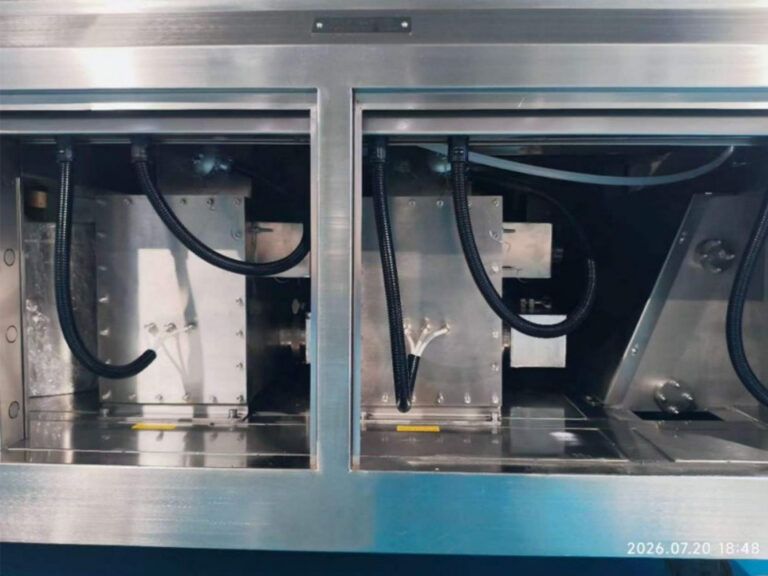
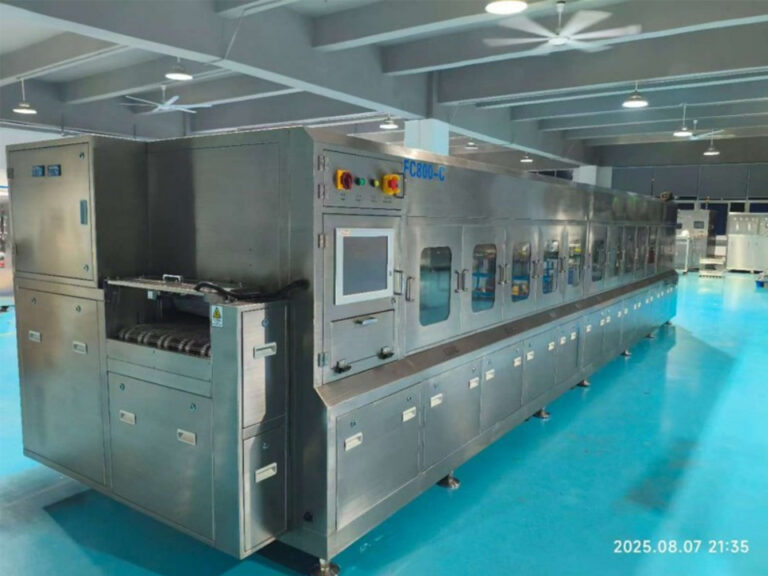
Thermal systems come first. Reflow ovens, cure ovens, air handling, chillers, exhaust systems—these are expensive, finicky, and often poorly revisited after SKU mix changes. A profile that made sense for a dense telecom board can become pure overkill for a lighter assembly six months later. But the recipe stays. Because no one owns the reset.
Compressed air? Same story. Honestly, compressed air is one of the costliest bad habits in manufacturing when no one manages it like a real utility. Leaks, bad pressure bands, unnecessary blow-off, sloppy sequencing—it all adds up fast. You can hear some of it. You pay for all of it.
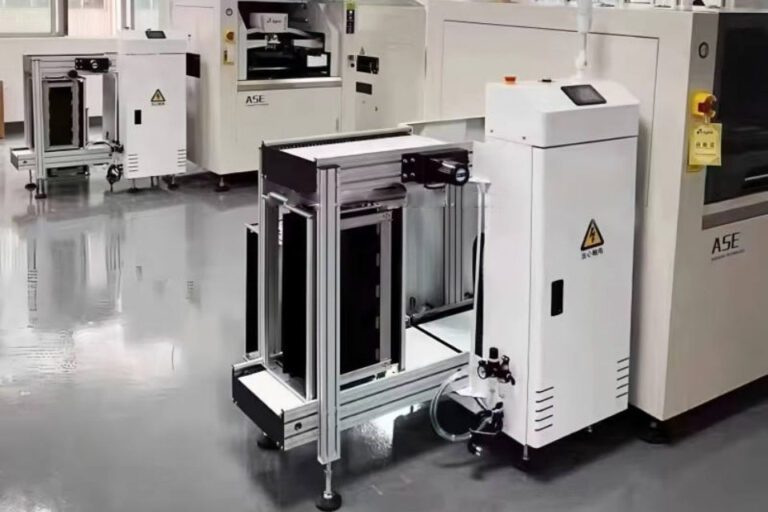
And then there’s machine state logic, which almost nobody talks about with enough seriousness. Printers, conveyors, SPI, AOI, feeders, and support equipment often sit in half-awake, full-consuming modes between lots or during line imbalance. That’s not uptime. That’s idle draw pretending to be readiness.
Maintenance matters here more than most finance teams realize. Dirty bearings, wrong grease, clogged cooling circuits, fouled heat-transfer surfaces, and misalignment don’t just create future failures—they raise energy demand right now. That’s why a serious process quality program, a disciplined reflow thermal profiler workflow, and a real maintenance and spares strategy belong in the same operating conversation. They’re tied together whether the org chart likes it or not.
The Best Energy Efficiency Improvements Are Usually the Least Glamorous
This is the part vendors won’t always say out loud.
The fastest savings often come from the least cinematic interventions. Not the glossy retrofit deck. Not the giant announcement. The low-drama stuff. Setpoint discipline. Steam and air leak hunts. Insulation. Better interlocks. Smarter shutdown rules. Drive tuning. Filter cleaning. PM execution that actually happens on time.
The U.S. EPA’s 2024 announcement on ENERGY STAR-certified manufacturing plants basically tells the same story. The plants recognized for top performance weren’t relying on miracle tech. They were reducing steam use, improving process control, upgrading furnaces and pumps, testing steam traps, tightening combustion, and cleaning up facility basics. It’s not sexy. It works.
Usually.
That pattern shows up in bigger projects too. The U.S. DOE’s Better Buildings material highlighted Celanese cutting annual energy costs by nearly 20% after a $160 million boiler replacement project, while a 2024 Better Buildings case on RING Container Technologies described a Decatur, Illinois effort centered on a chiller upgrade, compressed-air leak reduction, and waste diversion. Different scale, same operating logic: fix the expensive physics first, not the presentation layer. (betterbuildingssolutioncenter.energy.gov)
And for SMT operators, the ranking is pretty predictable. Reflow optimization is usually near the top. Then compressed air. Then idle-state logic. Then maintenance drag. Then metering. After that, sure, evaluate broader line redesigns or turnkey automation planning. But not before.

Why SMT Plants Get Burned by “Efficient” Equipment Claims
I’ve heard this pitch too many times.
“This new platform is more efficient.”
Maybe. Compared to what? Under which load profile? With what board mix? After what feeder strategy, thermal recipe, and shift pattern? And is the machine more efficient in the real line, or just inside a vendor benchmark with ideal uptime and zero human chaos?
That distinction matters. A lot.
An SMT line is a system, not a catalog page. A faster pick-and-place platform can still sit inside a plant that wastes energy through poor feeder logistics, unstable thermal windows, bloated standby time, and maintenance slippage. Same with AOI, SPI, printing, and reflow. The machine spec is only part of the equation. The line behavior is what decides operating cost.
That’s why I always tell people to look at actual deployment context. Read SMT customer cases instead of swallowing generic promises. Watch where the real losses show up—changeovers, oven stabilization, compressed-air use, line starvation, operator workarounds, thermal drift, rework loops. That’s the factory. The brochure isn’t.
And one more thing: energy efficiency is also a yield strategy. Tighter reflow control can reduce overheating and thermal stress. Cleaner cooling systems stabilize process windows. Better lubrication lowers servo drag and keeps motion more consistent. More disciplined air systems reduce contamination risk and erratic actuation. So when someone treats energy efficiency as separate from quality, I know they haven’t spent much time near the line.
On-Site Solar Helps, But It Won’t Save a Sloppy Plant
I like solar.
I just don’t like solar being used as camouflage.
Reuters reported that industrial and commercial solar installations in Germany jumped 81% in early 2024, while subsidy tender bids for large rooftops rose 107% year over year. It also noted that Tridelta’s 2.3-million-euro rooftop solar investment was expected to amortize in about 7.5 years. Those are serious numbers, and they explain why manufacturers keep moving. (reuters.com)
But here’s my bias: self-generation should come after load cleanup, not before. If your plant still runs bloated oven recipes, bleeds air, and leaves support equipment half-idling through dead time, then rooftop solar is basically helping you subsidize your own inefficiency. Better than nothing? Sure. Optimal? Not even close.
The right sequence is uglier and smarter. Meter first. Trim waste second. Lock in process stability third. Then generate what makes economic sense.
What Pays Back Fastest
Below is the same practical ranking I’d use in a real plant review. Not theory. Not conference language. Just where the money usually moves first.
| Improvement area | What it targets in an SMT or light-industrial plant | Why it reduces operational costs | Typical payback window I see* |
|---|---|---|---|
| Reflow profile and thermal optimization | Reflow ovens, cure profiles, nitrogen flow, exhaust settings | Cuts electricity or gas use, lowers rework, reduces component stress | 2–9 months |
| Compressed-air leak program | Leaks, pressure bands, sequencing, misuse at workstations | Lowers compressor runtime and demand spikes | 1–6 months |
| Idle-state and controls tuning | Conveyors, printers, AOI, SPI, HVAC, pumps, fans | Stops machines consuming full energy between lots or shifts | 3–12 months |
| Preventive maintenance and lubrication | Bearings, rails, motors, fans, filters, chiller surfaces | Reduces drag, heat, wear, and surprise downtime | 1–9 months |
| Metering and line-level dashboards | Ovens, compressors, chillers, feeders, auxiliary loads | Exposes cost per board, per shift, and per product family | 3–12 months |
| On-site solar after load cleanup | Roof area, daytime load, tariff exposure | Offsets purchased power and stabilizes future energy pricing | 5–9 years |
*These are practical ranges, not promises. Tariff structure, runtime, production mix, OEE, and maintenance discipline decide the real number.
What a Serious Factory Should Do Next
Don’t overcomplicate it.
Start by identifying the ugliest, most measurable drains: reflow energy, nitrogen use, compressed air, chillers, extraction, and idle-state equipment loads. Then tie them to the line—not just to the building. Energy per shift is helpful. Energy per saleable board is better. Energy per product family is better still.
Then make the fixes in order of certainty. Low-cost controls changes. PM and lubrication discipline. Leak elimination. Thermal requalification. Dashboarding. Then, and only then, larger equipment or infrastructure decisions. Plants looking at broader restructuring can roll those findings into turnkey automation planning, but the data has to come first.
The IEA estimates end-use efficiency investment will reach about USD 660 billion in 2024, nearly 50% above 2019 levels. That sounds impressive until you remember the same report says progress is still too slow. Which tells me something uncomfortable: a lot of companies are spending money without sequencing it well. They buy hardware before they fix controls. They install generation before they clean base load. They approve projects before they understand machine-state waste.
That’s expensive optimism.
If you want the less glamorous version—the one that tends to work—build your plan around waste you can measure, process behavior you can standardize, and maintenance actions your team can actually sustain. Then compare those priorities against your line design, your product mix, and your spares reality. If you’re at that stage and need to turn the analysis into equipment, layout, or upgrade decisions, contact the team and have the conversation with hard numbers in front of you, not marketing adjectives.
FAQs
What are energy efficiency improvements in manufacturing? Energy efficiency improvements in manufacturing are equipment, control, maintenance, and operating changes that reduce electricity, gas, compressed-air, steam, cooling, or idle-load consumption per finished unit without lowering output or product quality, and the best ones also reduce scrap, rework, and unplanned downtime. In plain terms, that means profile tuning, leak reduction, better standby logic, smarter motor control, improved insulation, cleaner heat-transfer surfaces, and maintenance that gets done before the line complains.
How does energy efficiency reduce operational costs? Energy efficiency reduces operational costs by lowering the energy required for each board, panel, or production hour while also shrinking hidden cost drivers such as scrap, overtime, machine wear, and process instability, so the gains show up across utilities, quality, maintenance, and throughput. That’s why the strongest projects aren’t “energy projects” in a narrow sense—they’re operating-discipline projects with utility savings attached.
What are the best energy efficiency improvements for an SMT factory? The best energy efficiency improvements for an SMT factory are the ones that cut thermal load, pneumatic waste, and idle-state consumption first, especially reflow optimization, compressed-air leak control, machine sleep logic, chiller upkeep, and preventive maintenance, because those measures usually pay back faster than major equipment replacement. After that, metering and selective automation upgrades become much easier to justify.
How can a factory improve energy efficiency without stopping production? A factory can improve energy efficiency without stopping production by starting with metering, setpoint reviews, software logic changes, leak correction, staged maintenance, and off-shift validation, which allows waste reduction during normal operations before any larger retrofit or shutdown-dependent project begins. That sequence is underrated. Plants that audit first and cut waste second usually protect output better than plants that rush into capex.
Is on-site solar worth it for industrial energy cost reduction? On-site solar is worth it for industrial energy cost reduction when the plant has stable daytime load, usable roof or ground area, meaningful tariff exposure, and already-controlled internal waste, because solar can offset purchased electricity effectively but does not solve poor process settings, air leaks, or inefficient standby behavior. I like solar most when it follows operational cleanup. Before that, it can become a very expensive distraction.