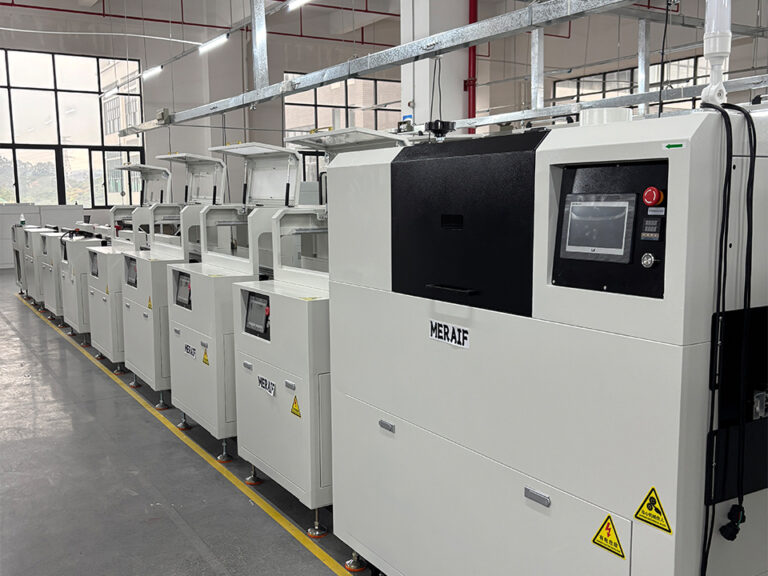
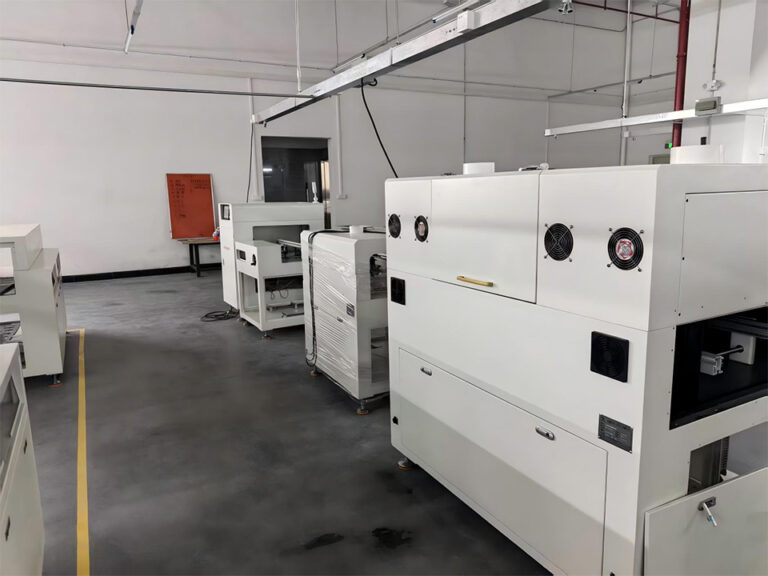
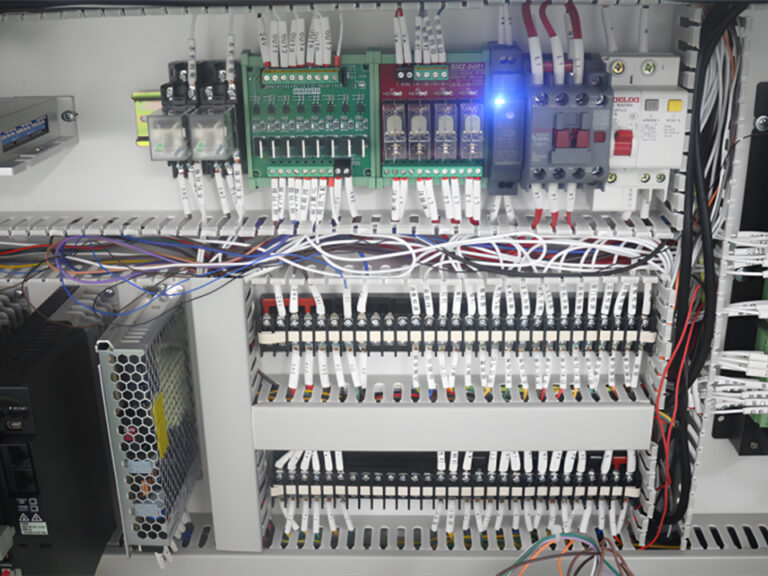
Most teams get this wrong, and not by a little either—they get it wrong in the exact same boring way: they compare an EMS quote to a shiny machine invoice, ignore feeders, ignore stencil iterations, ignore SPI/AOI tuning, ignore NPI chaos, ignore reel attrition, ignore line babysitting, then act surprised when the “cheap” option starts bleeding money in places the spreadsheet never bothered to look. It happens. Constantly.
Three words: fake math everywhere.
I’ve watched these meetings in real life, or at least enough of them to know the script by heart. Somebody says outsourcing is leaner. Somebody else says ownership gives control. Then nobody asks the only question that matters: what does one good board actually cost after changeovers, scrap, debug lag, engineering churn, operator turnover, feeder duplication, spare nozzles, weekend expediting, and the lovely little tax called “someone forgot to update the centroid file”?
That’s the whole fight.
And here’s the ugly truth: outsourcing pick and place assembly is usually the better call when demand comes in waves, SKU count is messy, and your line-loading assumptions are basically wishful thinking wearing a finance shirt; in-house wins when volume is repeatable, ECOs keep flying in, and every day lost between engineering and production hurts more than a supplier’s markup. Not glamorous. Still true.
The macro numbers don’t exactly whisper otherwise. According to the U.S. Bureau of Labor Statistics, private-industry employer compensation averaged $43.94 per hour in June 2024, with benefits making up 29.7% of employer costs. The U.S. Census Bureau said U.S. businesses spent $12.96 billion on robotic equipment in 2022, and manufacturing accounted for 56.2% of that spend. Then the IFR World Robotics 2024 executive summary reported 541,302 industrial robot installations in 2023, while electronics robot demand fell 20% year over year.
Not cheap. None of it.
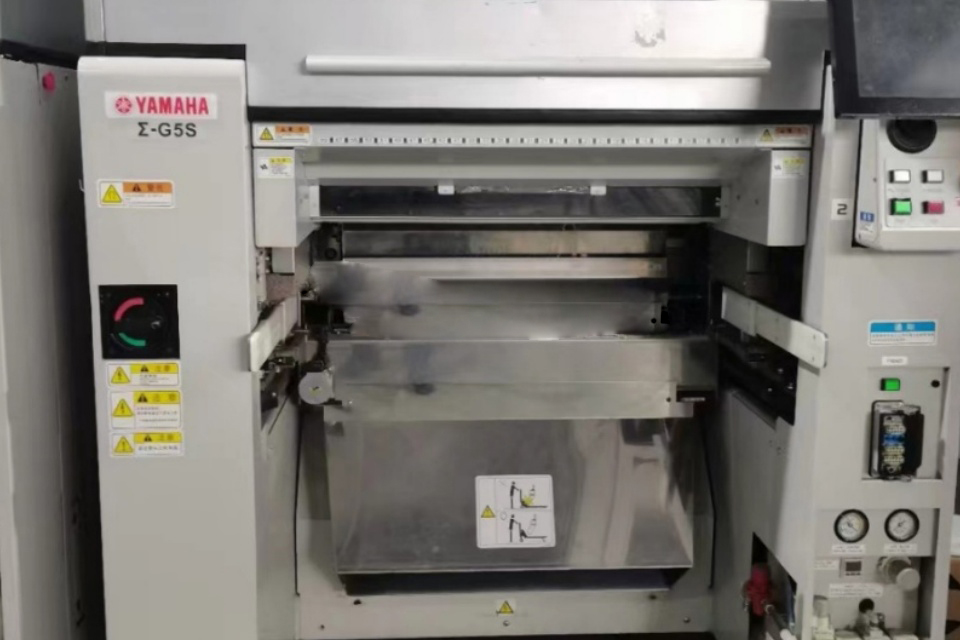
So when someone asks me about pick and place machine cost as if it’s the whole story, I usually push back. Hard. A Yamaha, Panasonic, Juki, or Hanwha box on the floor is not a business model. It’s a tool. The money goes missing in the unsexy stuff—paste volume drift, feeder mis-picks, nozzle wear, fiducial retries, oven profile drift, false-call AOI programming, and that maddening stretch where the line is technically “running” but everybody in the room knows it’s limping.
And productivity? That’s where the brochure crowd gets exposed. The NIST 2024 manufacturing economy report said U.S. manufacturing labor productivity rose just 0.4% between Q2 2023 and Q2 2024, while total factor productivity fell 1.3% from 2021 to 2022. I read that and think, yes, exactly—buying automation is easy, stabilizing the line is the real knife fight.
The invoice lies by omission
Let me put it in plant-floor English.
A supplier quote hides queue time, margin stacking, scheduling games, and the cost of being one customer among twenty. An internal capex plan hides idle equipment, learning-curve scrap, PM labor, feeder inventory, debug hours, and the fact that one process engineer always ends up becoming the unofficial adult in the room. Same sin. Different packaging.
My working formula is still the one I trust:
Fully loaded cost per good board = capex amortization + labor + floor space + maintenance + changeover loss + quality loss + inventory carrying cost + management overhead + supplier margin + expedite cost, divided by shipped good units.
That’s the number. Not the quote. Not the PO value. Not the machine sticker.
But—and this is where a lot of leadership teams get carried away—owning a line doesn’t magically make you disciplined. I’ve seen companies buy mounters too early because the founders wanted to look vertically integrated, and I’ve seen bigger firms cling to in-house assembly long after the line stopped making economic sense because nobody wanted to admit the utilization chart was mostly theater.
From my experience, the honest first step is to stop benchmarking against fantasy throughput and start benchmarking against actual workflow. That’s why I’d look at prototype and small-batch SMT lines and the messier realities in process and quality controls before I’d trust any tidy ROI promise from a sales deck.
Where outsourcing usually wins
Let’s not romanticize it.
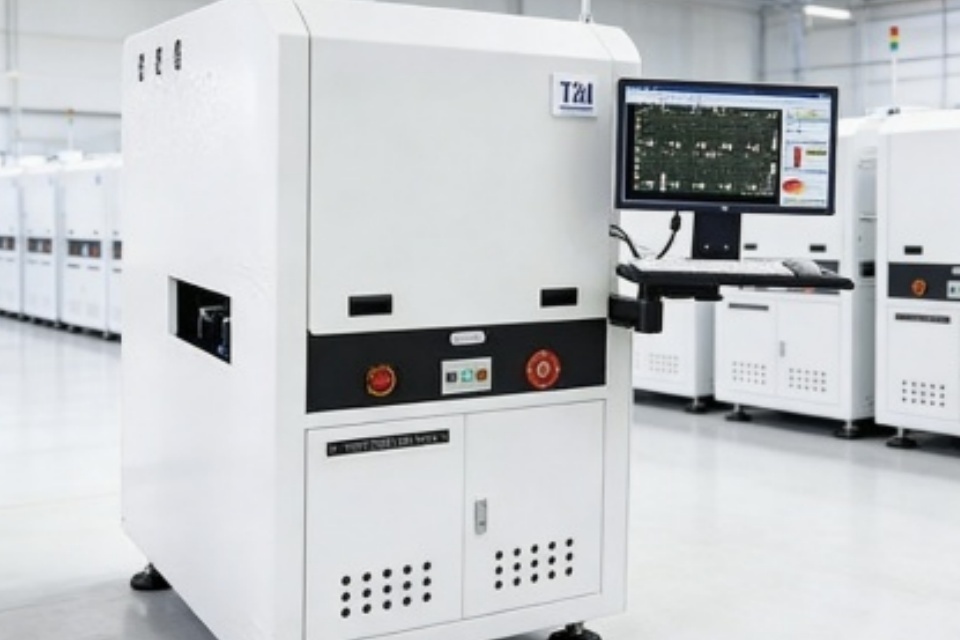
SMT assembly outsourcing works best when the work itself is chaotic—low volume, ugly mix, uncertain releases, short product life, and way too many board revisions for a lightly loaded internal line to absorb without turning into an expensive hobby. In that setup, the supplier’s shared capacity is the advantage. You’re renting absorption. That matters.
And big players keep proving the logic. Reuters reported in September 2024 that Jabil would invest about $238.2 million in a new plant in Tamil Nadu, creating close to 5,000 jobs. A month later, Reuters reported that Foxconn was building in Mexico what it called the world’s largest facility for Nvidia GB200 superchips. You don’t make those bets because outsourcing is trendy. You make them because pooled demand, regional positioning, and capacity density can crush the economics of fragmented ownership.
That’s why I frankly believe outsourcing gets unfairly dismissed by teams that have never had to stare at a half-empty line for six months. A half-empty line is brutal. It doesn’t just waste depreciation. It wrecks discipline. Operators get rusty. Changeover routines get sloppy. Debugs drag. Then management blames the machine.
So yes, contract electronics manufacturing can be the best pick and place assembly strategy for electronics manufacturing when cash preservation matters more than control, when forecast confidence is mediocre at best, and when the real enemy is underutilization.
Want the internal version of that logic? Fine. Read turnkey SMT line solutions, browse pick and place machines, and spend time with the site’s customer cases. That’s where you start seeing whether the story is about flexible capacity or just polished vendor theater.
Where in-house starts to make real money
Yet this is the part people miss.
In-house PCB assembly often looks worse on paper in year one because year one is ugly—training is ugly, debug is ugly, maintenance planning is ugly, line balancing is ugly, and the first time you discover your “simple” board has a placement bottleneck around odd-form parts or stubborn QFN alignment, the optimism evaporates pretty fast. But later? Different story.
Once the line settles, control starts compounding.
A solder paste issue found at 9:40 can be corrected before lunch. A polarity error on a diode array doesn’t have to sit in an email chain. A bad library mapping can be fixed before it poisons the next lot. That kind of loop speed is not a soft benefit. It’s cash. It’s schedule. It’s survival, sometimes.
And if you’re dealing with industrial controls, medical-adjacent builds, defense-linked sourcing sensitivity, or any product where IP leakage and traceability aren’t abstract compliance words but actual business risks, outsourcing can create more drag than savings. I know that sounds less sexy than “asset-light manufacturing,” but I’d take process control over PowerPoint every time.
There’s also the geopolitical piece—everyone pretends they’ve priced it until it bites them. In a BIS assessment released in late 2023, the U.S. government said domestic semiconductor assembly and packaging capabilities were minimal and that nearly half of chips provided by U.S.-based companies were packaged in Taiwan or China. Different layer of the stack, sure, but the lesson is the same: concentration risk isn’t theory. It’s embedded in your cost structure whether you admit it or not. (bis.gov)
And don’t assume outsourcing erases labor headaches. It just moves them off your org chart. In a June 2024 Reuters investigation, Foxconn was found to have excluded married women from some iPhone assembly roles at its India plant; in July 2024, Reuters reported that Indian labor officials visited the site and questioned executives after the reporting. That story isn’t about your exact SMT line, obviously—but supplier labor governance can become your audit problem, your reputation problem, or your production problem far faster than most buyers seem prepared for. (reuters.com)
So, yes, when engineering changes are frequent, traceability matters, and process learning is part of the moat, in-house pick and place assembly stops looking like overhead and starts looking like leverage.
The model I trust before anybody says “cheaper”
I don’t trust one-year models. Never did.
Year one flatters outsourcing because the supplier already has the plumbing—libraries, feeders, ovens, AOI recipes, shift coverage, floor layout, all of it. Year three often flatters internal ownership because the ugly startup tax is gone and the line stops behaving like a temperamental science project.
Here’s the comparison I’d use. Same as before. Because the structure is solid.
| Scenario | Annual production profile | Outsourced annual assembly cost | In-house year-1 assembly cost | In-house steady-state annual cost | My read |
|---|---|---|---|---|---|
| Prototype-heavy, 15 SKUs, constant ECOs | 9.6M placements/year | $420k | $980k | $600k | Outsource |
| Mixed industrial controller family, 4 stable SKUs | 36M placements/year | $1.12M | $1.34M | $930k | In-house after year 2 |
| Consumer accessory, 2 long-run SKUs, low changeover | 78M placements/year | $2.05M | $1.78M | $1.41M | In-house |
| Medical/industrial build, high traceability, monthly revisions | 18M placements/year | $770k | $1.02M | $710k | Lean in-house if utilization stays above 65% |
Same pattern. Every time.
Low-volume, high-mix work punishes ownership unless the engineering-speed benefit is massive. Stable, repeatable output rewards ownership, especially when feeder setups can stay parked, profile windows stay stable, and the line isn’t spending half its life in teardown-rebuild mode. The middle zone is where the judgment call actually lives.
Here’s my rough rule, and it’s not elegant: if your utilization is fantasy, outsource. If your engineering loop is the business, internalize. If you’re sitting in the mushy middle, price delay cost first, not machine cost first.
That’s really how to choose between outsourcing and in-house pick and place assembly without kidding yourself. Price queue-time cost. Price quality escapes. Price the cost of a delayed ECO. Price the salary of the people who’ll keep the line from drifting into mediocrity. Then compare that to the supplier premium over three years—not one. Three.
The mistake I see over and over
Small companies buy too early. Big companies wait too long.
That’s it.
Smaller teams buy a line because ownership feels serious, because investors like seeing assets, because “we control our destiny” sounds strong in a board update. Larger organizations keep everything inside because outsourcing feels like retreat, or because no one wants to admit the internal line is protected by politics more than economics.
I don’t love either instinct.
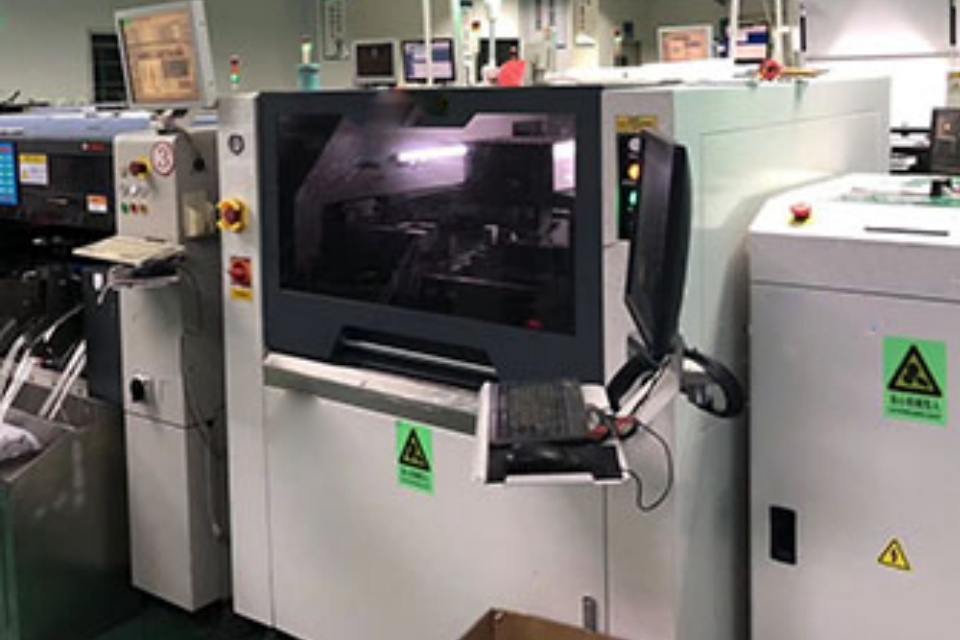
The better move, pretty often, is a split model: outsource the volatile stuff, own the predictable stuff, and keep the process know-how closer than procurement teams usually prefer. That way your NPI work doesn’t drown in someone else’s queue, but your factory also doesn’t become a museum of underused equipment and heroic assumptions.
And the machine choice itself? That’s where outsiders get dazzled by headline CPH and miss the actual pain points. A Yamaha YSM20R, Panasonic NPM-W2S, Juki RS-1R, or similar platform decision is never just about placement speed. It’s feeder ecosystem, support response, spare depth, nozzle management, odd-shape handling, line integration, and whether your boards are easy 0402 industrial jobs or twitchy high-density assemblies with BGAs, QFNs, and a narrow SAC305 window that punishes lazy process control.
Speed sells. Stability pays.
FAQs
Is outsourcing pick and place assembly cheaper than in-house assembly?
Outsourcing pick and place assembly is cheaper when your order pattern is inconsistent, your SKU count is high, your ECO rate is manageable, and your utilization would otherwise be too low to absorb machine depreciation, engineering salaries, maintenance, spares, and quality-system overhead inside your own plant.
That’s the clean answer. My less diplomatic answer? It’s only cheaper if the supplier’s queue, debug lag, and expedite nonsense don’t eat the savings on the back end.
When does in-house PCB assembly become more cost-effective?
In-house PCB assembly becomes more cost-effective when demand is stable enough to keep the line busy, engineering changes happen often enough to punish external handoffs, and the cost of waiting, requalifying, expediting, or protecting IP exceeds the supplier’s flexibility and margin premium.
Usually that means repeat families, decent scheduling discipline, and a team that understands process capability—not just how to press cycle start and hope.
Is SMT assembly outsourcing better for prototypes and small batches?
SMT assembly outsourcing is usually better for prototypes and small batches when the product is still changing fast, purchase volumes are uncertain, and management wants to preserve cash rather than bury it in equipment, feeders, training, preventive maintenance, and the endless fiddly work of keeping a lightly used line honest.
But, honestly, there’s a trap here. If your prototypes need same-day tweaks, same-shift verification, or crazy-fast iteration, a small in-house cell can still beat the outsourced route.
How do I choose between outsourcing and in-house pick and place assembly?
The best way to choose between outsourcing and in-house pick and place assembly is to compare three-year fully loaded cost, real utilization, ECO frequency, delay cost, quality risk, and governance exposure instead of comparing only the supplier quote to the machine purchase price.
Start with actual monthly demand—not optimistic sales fiction. Then model year-one pain, year-two stabilization, and year-three output. That’s usually when the answer stops hiding.
If you’re trying to decide whether contract electronics manufacturing or in-house PCB assembly fits your next phase, don’t start with a slogan. Start with your real throughput, your real changeovers, and your real tolerance for delay. Then review the site’s turnkey SMT line solutions, compare prototype and small-batch SMT lines, study the customer cases, and contact the engineering team when you’re ready to pressure-test the numbers.