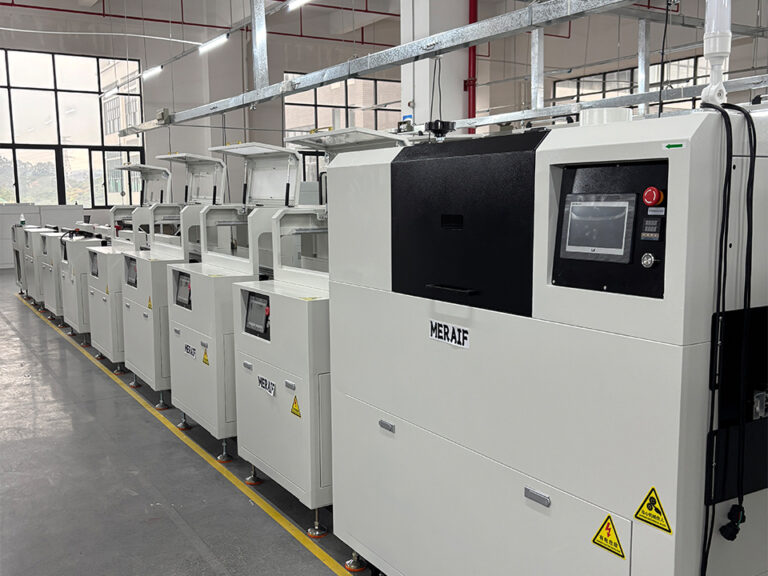
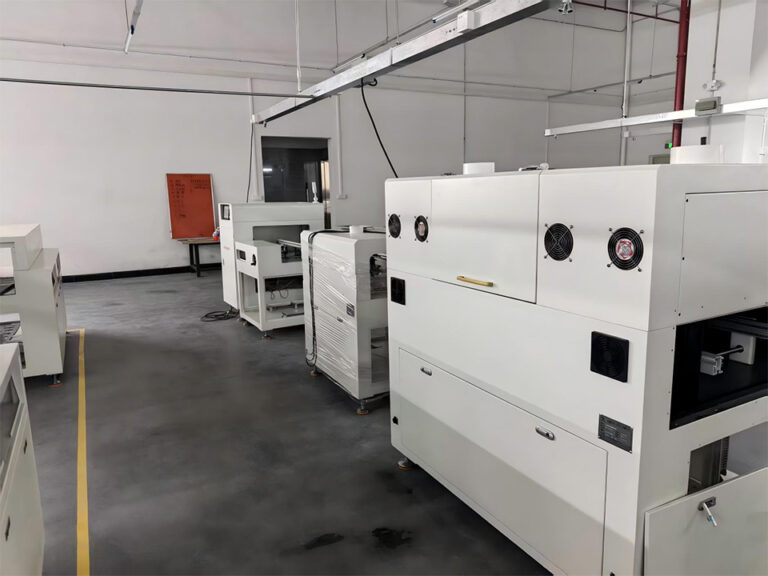
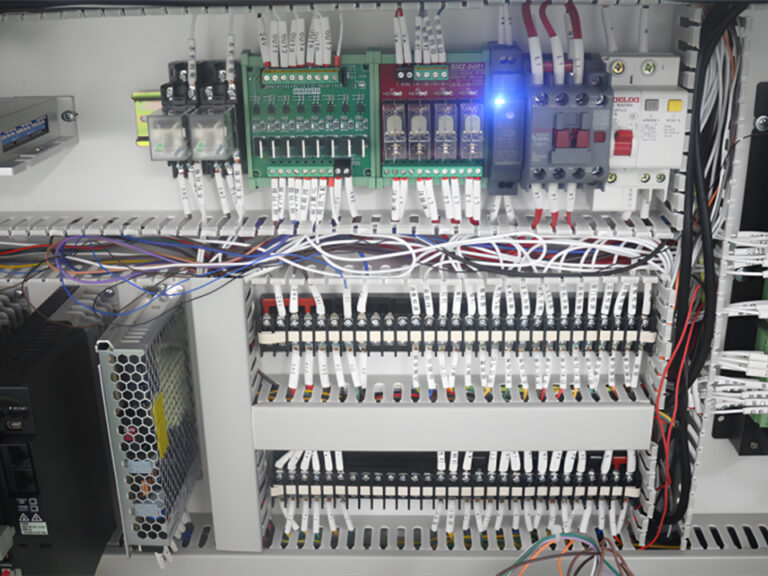
I’ve seen buyers walk into an SMT line project with a machine quote in one hand and a fantasy spreadsheet in the other. The spreadsheet says the line pays back in 14 months. The floor says something else: missing feeders, paste slump, one bad nozzle, a reflow profile nobody saved, and an operator who learned the machine from a 12-minute video.
That’s the gap. Right there.
An SMT line isn’t just a pick and place machine with conveyors bolted to both ends. It’s a chain of small decisions—printer, SPI, feeder strategy, reflow zones, AOI review flow, stencil storage, compressor quality, humidity, ESD discipline, and tech support—that either compounds into margin or quietly eats the project alive.
Why an SMT Line Is a Capital Decision, Not a Shopping List
But the brochure won’t tell you that.
The brochure will talk about placement speed, vision cameras, 0201 capability, board size, and how the machine “supports flexible production,” which may be true, technically, but it won’t tell you whether your line lead can recover from a feeder pickup error at 10:40 p.m. with a shipment due tomorrow.
That’s manufacturing. Messy math.
An SMT line is a production system that prints solder paste, places surface-mount components, reflows solder joints, and inspects the finished PCB assembly through machines such as stencil printers, pick and place systems, reflow ovens, SPI, AOI, conveyors, loaders, unloaders, feeders, nozzles, and software controls.
Sounds clean. It isn’t.
I frankly believe too many first-time buyers treat SMT line investment like a procurement exercise when it’s really an operations bet. You’re not just buying PCB assembly equipment. You’re deciding how your factory will handle bottlenecks, defects, labor shortages, rework loops, engineering changes, and customer pressure.
The macro picture explains why people are getting aggressive. The U.S. Department of Commerce reported that CHIPS-related private investment proposals had exceeded $30 billion across 23 projects in 15 states, including 16 new semiconductor manufacturing facilities and more than 115,000 expected construction and manufacturing jobs (U.S. Department of Commerce). The Semiconductor Industry Association also reported that 2023 global semiconductor sales reached $527 billion, with nearly 1 trillion chips sold worldwide (SIA 2024 State of the U.S. Semiconductor Industry).
More chips. More boards. More pressure.
Yet a hot market won’t save a bad SMT manufacturing facility setup. Actually, it makes bad setups more obvious because customers start asking for faster turns, cleaner traceability, tighter yields, and fewer excuses.
So no, the first question isn’t “What’s the fastest machine?” The first question is uglier: what kind of pain can this factory absorb without falling apart?
What a Real SMT Line Actually Includes
A decent SMT assembly line usually starts before the first machine is even powered on.
You’ve got incoming material control, MSD handling, stencil management, solder paste storage, feeder staging, barcode control, ESD-safe carts, board support tooling, and offline programming. Then comes the visible stuff: loader, solder paste printer, SPI, pick and place systems, reflow oven, AOI, conveyors, buffers, unloader, and rework bench.
And yes, people forget the bench.
The pick and place machine gets the attention because it looks like the star of the show. It’s expensive, noisy, camera-loaded, and easy to compare on a quote sheet. But from my experience, the ugliest defects often start earlier—paste volume, stencil wipe frequency, board support, bad aperture design, expired paste, lazy thaw discipline. The mounter just makes the mistake official.
A buyer looking at turnkey SMT line solutions is often trying to avoid those little integration traps. Conveyor height mismatch. Printer output not aligned with SPI flow. Reflow oven too short for the paste window. AOI review placed where operators block material movement. Feeder carts missing until the day production starts.
Small things? Sure. Expensive small things.
A minimal line can run prototypes. I won’t argue with that. But once production starts pushing, every shortcut becomes louder: changeovers drag, manual inspection misses polarity errors, reflow recipes live in somebody’s notebook, and a “minor” spare part becomes a three-day line stop.
Here’s the ugly truth: if the line can only run when your best technician is standing next to it, you didn’t build a process. You built a dependency.
Designing the Facility Around Product Mix
I’ll take a slower machine with the right feeder plan over a monster mounter in the wrong factory. Every time.
Product mix drives the whole SMT line. Not the brand name. Not the demo video. Not the theoretical CPH number. Board size, panelization, 0201 or 01005 passives, BGA count, QFN density, LED polarity, tall electrolytics, odd-form parts, double-sided assemblies, revision churn—this stuff decides the line.
A prototype shop and a mass-production facility shouldn’t be buying the same setup. That sounds obvious until you watch a company running 40 low-volume SKUs buy equipment like it’s building one telecom board for the next five years.
For NPI-heavy work, flexibility beats speed. You need fast changeover, strong offline programming, good first-article flow, practical feeder staging, and operators who don’t have to rebuild the floor every time a new job drops. That’s where a prototype and small-batch SMT line makes more sense than pretending you’re Foxconn.
Volume is different. If the product is stable and the takt time is brutal, then speed matters. Dual-lane handling, more placement heads, larger feeder banks, high-throughput inspection, stable reflow, and preventive maintenance become the money story. For that world, a high-speed mass production SMT line may be the right weapon.
But plenty of factories live in the awkward middle. Some volume. Some churn. Some urgent prototypes. Some repeat orders. A few nightmare boards sales shouldn’t have accepted but did anyway. For that world, mixed SMT line configurations deserve a serious look.
That middle zone is where bad planning hurts most.
Why? Because you need enough speed to stay competitive, enough flexibility to avoid drowning in setup time, and enough inspection discipline to keep quality from turning into tribal knowledge.
Choosing Pick And Place Systems Without Worshipping CPH
CPH is useful. It’s also abused.
A pick and place system rated at 80,000 CPH won’t give you 80,000 good placements per hour if your feeder setup is chaos, the board has mixed component heights, the vision system is inspecting slow parts, the nozzle table is wrong, or AOI review backs up like airport security.
It works. Sometimes.
The real number is effective output: good boards per shift, after setup, defects, replenishment, operator response time, nozzle cleaning, feeder mispicks, first-article checks, and rework. That number is less glamorous. It’s also the only one that pays invoices.
I look hard at feeder count. Harder than most buyers do.
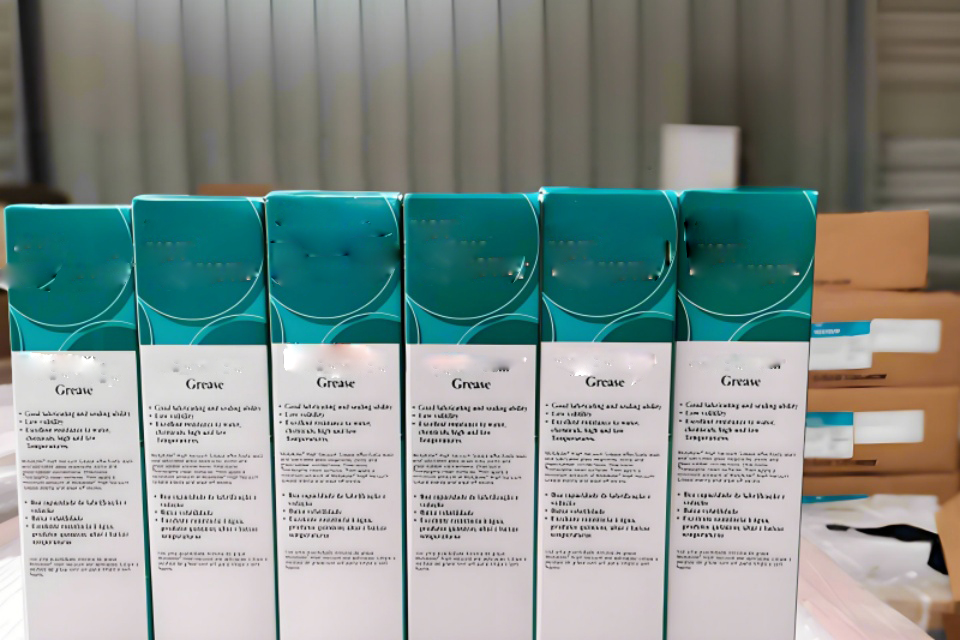
A machine with 120 feeder slots and 45 usable feeders isn’t a 120-slot machine in practical production. It’s a half-dressed line. Feeders are not accessories; they’re production capacity. Same with nozzles, carts, spare belts, filters, cameras, placement heads, grease, calibration tools, and software support.
Brand debates can get almost religious—Yamaha, Panasonic, Juki, Fuji, Hanwha, ASM, take your pick—but the better question is service reality. Can you get parts? Can your team program it? Are feeders available? Does the local technician know the platform? Does the machine handle your board envelope and component range without constant workarounds?
Buyers comparing equipment can start with the category for SMT pick and place machines, but the shortlist should be filtered through actual BOMs, CAD data, board sizes, placement density, expected SKU count, and support coverage.
The best pick and place machine for SMT is not the fastest machine in a showroom. It’s the machine your team can keep productive on a bad day.
Budget, Risk, And ROI: The Numbers Buyers Pretend Not To See
Everybody budgets the machine.
Fewer people budget the mess around the machine: air supply, floor prep, ESD flooring, humidity control, nitrogen, exhaust, board racks, stencil cabinets, feeders, nozzles, carts, spares, training, thermal profiling tools, AOI programming time, rejected-board handling, installation labor, and the dead time between delivery and stable production.
That dead time hurts.
IPC’s October 2024 North American PCB report showed shipments down 11.1% year over year, bookings up 3.5%, and a book-to-bill ratio of 1.09 (IPC). I read that as a warning, not a comfort blanket. Demand can start improving while operations are still brittle. Orders rise, then the weak line reveals itself.
Reuters also reported in March 2024 that U.S. firms were looking to diversify electronics and semiconductor supply chains through countries such as Thailand (Reuters). That matters on the shop floor because geography changes spare-part lead time, service access, customs delays, labor skill pools, and whether “overnight part replacement” is real or just a sales phrase.
Then there’s advanced packaging, which is dragging board-level assembly into a more demanding world. Reuters reported in December 2024 that the U.S. finalized major CHIPS awards, including up to $407 million for Amkor’s planned $2 billion advanced packaging facility in Arizona (Reuters). More packaging capacity means more pressure for traceable, controlled, high-reliability assembly downstream.
So yes, your SMT line investment model needs a real ROI calculation. But make it honest.
Cost per good board. Not cost per machine.
If a cheaper surface mount technology line causes more rework, slower changeovers, longer downtime, higher defect escape, and constant operator firefighting, then it isn’t cheaper. It’s just cheaper on the invoice, which is the least interesting moment in the machine’s life.
SMT Line Investment Comparison
| Decision Area | Low-Cost Shortcut | Better Investment Logic | Why It Affects ROI |
|---|---|---|---|
| Pick and place system | Buy by advertised CPH | Buy by board mix, feeder count, component range, and support | Real throughput depends on changeover, feeder setup, and placement accuracy |
| Solder paste printing | Basic printer only | Match printer capability to fine-pitch and stencil requirements | Many defects begin before placement |
| SPI | Skip to reduce capital cost | Add SPI for BGA, QFN, fine-pitch, or high-reliability boards | Paste volume control reduces downstream failures |
| Reflow oven | Undersize thermal capacity | Match zones, profile control, and nitrogen option to product risk | Poor thermal control creates hidden solder defects |
| AOI | Rely on manual inspection | Use 2D or 3D AOI based on defect risk and volume | Automated inspection improves repeatability |
| Feeders and nozzles | Buy the minimum | Budget enough for changeovers, backups, and growth | Feeder shortages slow production more than buyers expect |
| Training | Train informally | Use structured operator and maintenance training | Skill gaps turn machine issues into downtime |
| Spare parts | Purchase after failure | Stock high-risk parts before production launch | Downtime costs rise quickly during live orders |
Support belongs in the investment model, not in the afterthought column. A company that pays for SMT training and after-sales support is usually buying fewer late-night surprises, even if the quote looks heavier at first.
And honestly, support quality is where the cheap deal often reveals its teeth.
The Facility Details That Quietly Decide Output
Nobody brags about humidity control on LinkedIn.
Still, moisture-sensitive devices don’t care about your branding. Solder paste doesn’t care about your launch date. ESD events don’t politely announce themselves before they damage components. Reflow profiles don’t become stable because somebody said “lead-free capable” in a sales call.
The facility has to be ready.
That means proper power, clean compressed air, controlled temperature and humidity, ESD flooring, grounded workstations, organized MSD storage, paste refrigerators, stencil racks, feeder maintenance space, nozzle cleaning discipline, and a layout that doesn’t force operators to walk laps around the line like warehouse athletes.
One strange but common failure: material flow.
Boards move one direction. Operators move another. Feeders are staged too far away. AOI review blocks the unloader. Rework is stuck in a corner. Finished goods cross paths with incoming kits. Nobody notices during installation because the machines look aligned. Then production starts, and the line bleeds minutes all day.
That’s why I don’t like facility plans drawn only around machine footprints. Draw the people. Draw the carts. Draw the rejected boards. Draw the paste. Draw the feeders. Draw the trash path, even. Manufacturing is physical.
And physical waste is still waste.
FAQs And Next Step
What is an SMT line? An SMT line is a connected manufacturing system that applies solder paste, places surface-mount components onto printed circuit boards, reflows solder joints, and inspects finished assemblies using printers, pick and place systems, reflow ovens, AOI/SPI machines, conveyors, feeders, and production controls.
In plain factory language, it’s the main flow for PCB assembly. The good ones are boring in the best way: stable, measurable, repeatable. The bad ones look busy and ship drama.
How much should a company invest in an SMT line? A company should invest in an SMT line based on board complexity, production volume, product mix, inspection requirements, labor cost, yield targets, and customer quality expectations rather than a fixed equipment budget or one machine quote.
A small-batch shop can start lean if the process is disciplined. A high-volume facility needs more speed, inspection, feeders, spares, and support. Don’t kid yourself on the extras. They arrive anyway.
What is the best pick and place machine for SMT? The best pick and place machine for SMT is the system that fits the factory’s component range, feeder demand, board size, placement accuracy, software workflow, maintenance capability, service access, and actual production mix.
For stable volume, speed carries weight. For mixed builds, I care more about feeders, programming, changeover time, local support, and whether operators can recover quickly after normal line nonsense.
Do I need SPI and AOI in a new SMT assembly line? SPI and AOI are inspection systems that help detect solder paste defects and post-reflow assembly defects before bad boards move deeper into production or reach customers.
If you’re building BGA, QFN, fine-pitch, medical, automotive, aerospace, or high-volume boards, skipping inspection automation is often fake savings. Manual inspection gets tired. Cameras don’t get perfect either, but they don’t pretend a long shift improves judgment.
How do I build an SMT production line for small-batch manufacturing? A small-batch SMT production line should prioritize fast changeover, flexible feeder setup, practical programming, stable solder paste printing, controlled reflow, and inspection discipline over maximum placement speed.
You’re not trying to win a CPH beauty contest. You’re trying to run many board types without losing half the day to setup, first-article confusion, feeder hunting, and rework.
When should I choose a turnkey SMT line solution? A turnkey SMT line solution is best when a buyer wants one coordinated plan for printers, pick and place systems, reflow ovens, inspection, handling equipment, installation, training, and support.
It’s especially useful when there isn’t a senior SMT process engineer already inside the company. Turnkey doesn’t magically make everything cheap. It can, however, prevent expensive integration mistakes that look obvious only after installation.
A good SMT line is engineered before it’s purchased. Start with board data, monthly volume, component lists, inspection needs, floor constraints, and the ugly little changeover details nobody wants to discuss. Then choose machines. To move from planning to a real equipment package, review turnkey SMT line solutions, compare SMT pick and place machines, or contact the team with your board size, target throughput, product mix, and monthly production volume.