I’ve watched too many SMT teams “prove” ROI with a spreadsheet that assumes perfect uptime, free changeovers, and operators who never quit. It’s fiction.
Here’s what’s real: pick-and-place automation ROI can be boringly strong when you measure the right things, price the hidden costs, and admit what you’re actually buying—capacity, consistency, and control over chaos.
And yes, chaos has a price.
The market already voted. Your CFO just hasn’t admitted it.
Industrial automation isn’t a vibe. It’s money moving. In the IFR’s 2024 industrial robot summary, the electrical/electronics sector still logged 125,804 new robot installations in 2023 (down 20% from a 2022 peak of 156,936), which tells you something blunt: even after a peak year, electronics makers keep buying automation because labor and variability don’t negotiate. (IFR International Federation of Robotics)
Now zoom out. Reuters reported that China pushed robot density high enough to move ahead of Germany, based on IFR data—another signal that manufacturers treat automation like infrastructure, not a “nice to have.” (Reuters)
So. If your board still calls pick-and-place a “future project,” what are they waiting for—more wage pressure, more customer audits, more missed shipments?
ROI isn’t a feeling. It’s a cash model with teeth.
Three words. Count cash.
I’m going to say the quiet part out loud: most pick-and-place ROI models fail because they ignore the messy middle—feeder setup mistakes, CAD/BOM mismatches, operator training gaps, first-month yield dips, and the slow bleed of “engineering time” nobody bills to the project.
Also, vendors love payback math that starts at Day 1 full speed. Cute. Not how factories behave.
A better ROI model uses four buckets:
- Touch labor reduction (operators doing placement, kitting, line babysitting)
- Quality savings (less rework, fewer escapes, fewer scrap boards, fewer RMAs)
- Throughput + delivery (more boards/day, fewer expedite fees, fewer late penalties)
- Risk reduction (single-point-of-failure people, night shift fragility, “tribal knowledge” setup)
Want a labor anchor? U.S. BLS wage data for electronics assemblers shows a median around $19.47/hour (May 2023). Loaded labor is higher once you add taxes, overtime, turnover, and supervision. (劳工统计局) Different country, same story: labor isn’t getting cheaper, and skilled SMT hands don’t grow on trees.
The hard truth: ROI claims get inflated—sometimes officially.
This part annoys people. Good.
In 2024, the U.S. Department of Commerce Office of Inspector General said NIST overstated Manufacturing Extension Partnership ROI across multiple years, including a 34% overstatement in FY 2020. That’s not a pick-and-place report. But it’s a warning label for every “guaranteed payback” slide you’ve ever been shown. (oig.doc.gov)
Translation: audit your ROI like someone is trying to sell you something. Because they are.
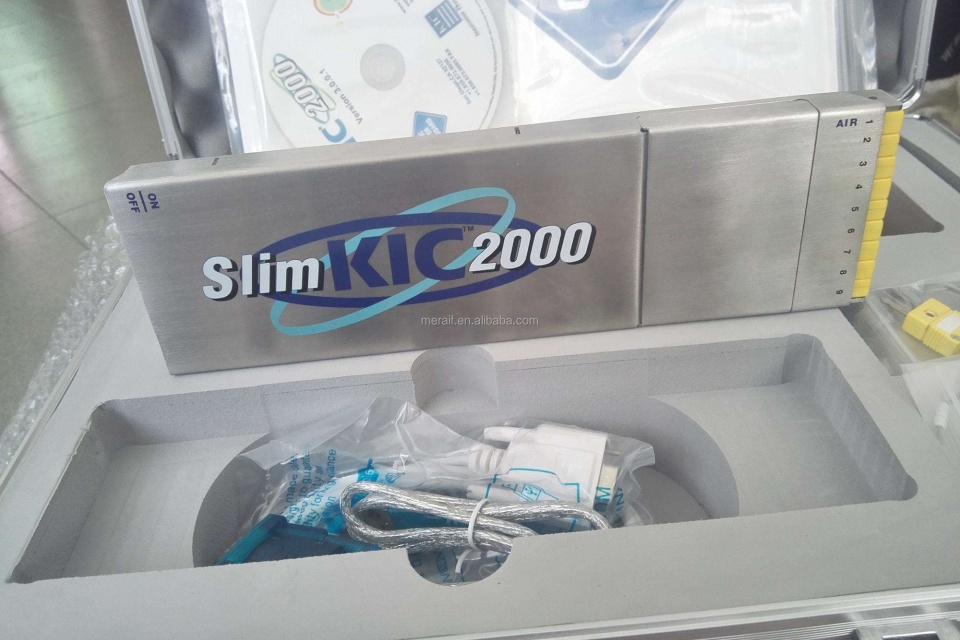
What you’re really buying when you buy a pick-and-place line
Not just placement speed.
You’re buying repeatability at 0201/01005 scale, stable rotation/offset control, vision-driven correction, traceable programs, and the ability to run the same job next month without praying that your best operator is on shift. That last part is the hidden value nobody prices well.
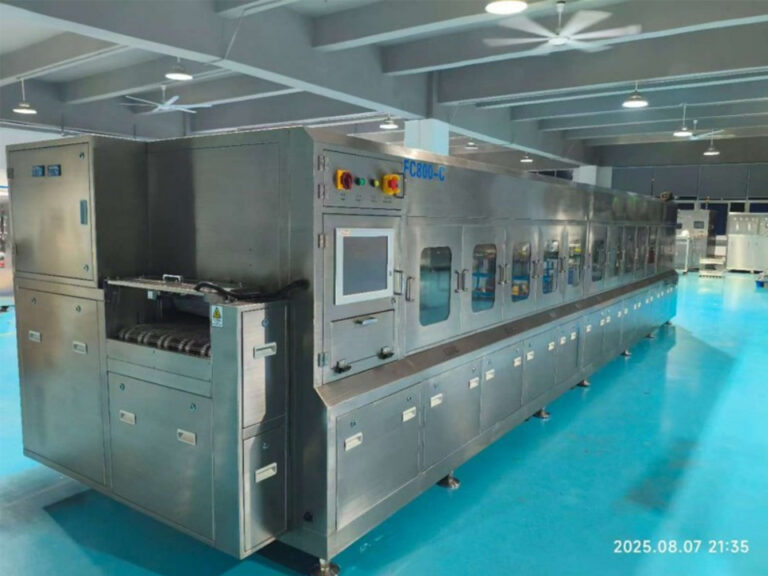
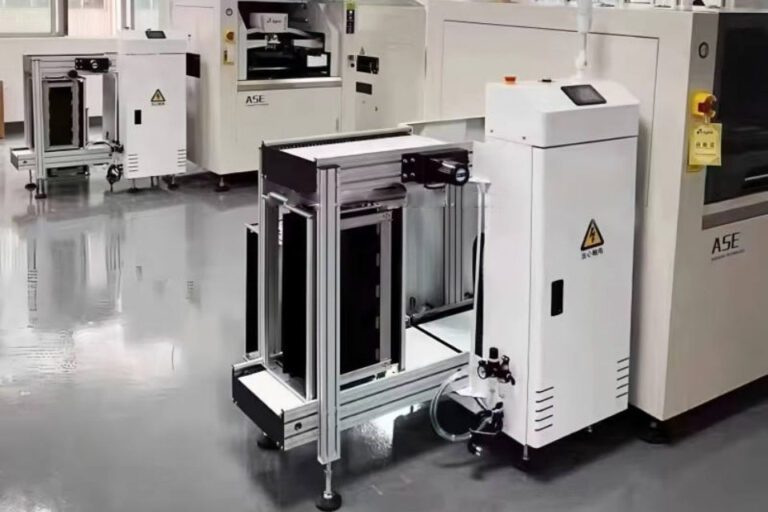
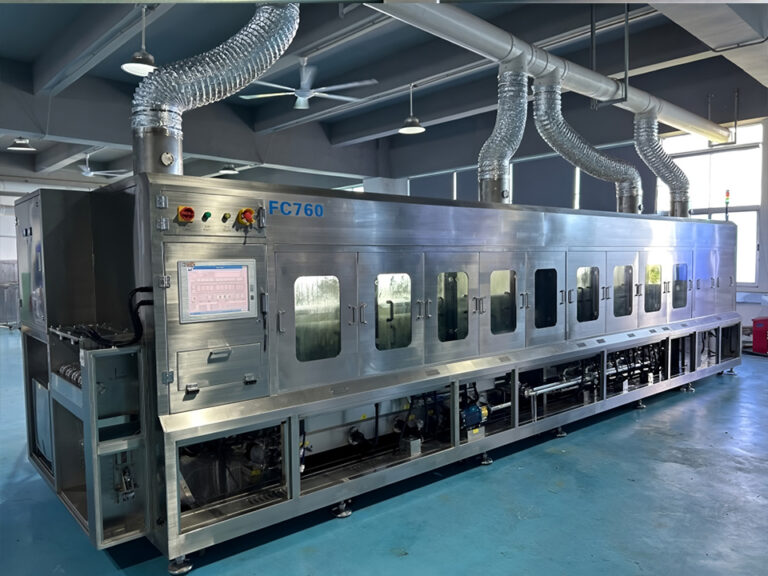
And if you’re not just buying a machine, but a whole flow—printer, SPI, placement, reflow, AOI—then “pick-and-place ROI” turns into line ROI. That’s why I push teams toward turnkey SMT line solutions when the real bottleneck is coordination, not just placement. (turnkey SMT line solutions)
A practical ROI table (numbers you can argue with)
Below is a defensible way to frame payback. Not perfect. Useful.
| Line scenario | Typical ROI drivers | “Hidden” cost that bites first | What I’d track weekly | Payback risk level |
|---|---|---|---|---|
| Prototype / high-mix, low-volume | Rework reduction, setup discipline, fewer wrong parts | Feeder mapping + CAD/BOM cleanup time | First-pass yield at AOI, setup time/job, rework minutes/board | Medium |
| Small production runs | Labor shift coverage, stable throughput, fewer expedite fees | Training + process drift (no one owns the program) | Uptime, placements/hour at real mix, changeover time | Medium–Low |
| High-speed mass production | Capacity, delivery, scrap control at volume | Nozzle wear, feeder maintenance, spare parts discipline | OEE, downtime causes, cost per placement, defect Pareto | Low (if stable demand) |
If you’re in high-mix work, don’t pretend you’re a smartphone factory. Build ROI around quality + changeovers first, then speed.
That’s why I like planning around prototype and small-batch SMT lines when you’re still learning your real mix and your real pain points. (prototype and small-batch SMT lines)
If you’re already shipping volume, then it’s a different game: you’re buying stability and sustained output, so the model should look like a capacity plan tied to customer demand. (high-speed mass-production SMT lines)
The part nobody budgets: integration + people
Automation doesn’t remove people. It changes who matters.
MIT’s Industrial Performance Center published work in 2024 based on a large worker survey across multiple countries, showing many workers report benefits from new tech like robots and AI (safety, comfort, pay, autonomy) more than costs. That aligns with what I see: the wins show up when teams train people to run the system, not when they “install and hope.” (IPC)
So budget for it. Time, training, and support.
If you want the ROI to hold, you need structured training and after-sales support for pick-and-place—program control, feeder discipline, preventive maintenance habits, and a clear owner for the line. (training and after-sales support for pick-and-place)
And please, go read actual outcomes before you fall in love with specs. (real customer case studies)
FAQs
How do you calculate pick and place machine ROI? Pick and place machine ROI is the percentage return you get when you divide the annual net benefit of automation (labor saved, scrap avoided, rework reduced, and extra margin from higher throughput) by the total yearly cost of owning the machine (capital, financing, feeders, maintenance, programming, and downtime). Then stress-test it: cut your “expected” uptime, add real changeover time, and include training and spares.
What’s a realistic pick and place machine payback period? Pick and place machine payback period is the number of months it takes for the monthly cash benefit from faster placement, fewer defects, and lower touch labor to equal the cash you spent to buy and install the system, including feeders, setup, training, and the first round of spares. In the real world, payback swings mostly on changeover time, yield, and how stable your product mix is.
What hidden costs kill pick and place ROI first? Hidden ROI costs are the non-obvious expenses that don’t show up in the machine’s sticker price—feeder sets, nozzles, vision calibration, compressed air, ESD controls, software options, line changeover time, and the engineering hours you burn when CAD data, BOMs, and feeder maps don’t match reality. If your data is messy, your ROI will be messy.
Is a pick and place machine worth it for small production? A pick and place machine is worth it for small production when you have repeat jobs, expensive placement errors, or tight delivery windows, because even a modest-speed line can pay for itself by cutting rework and freeing one skilled operator to run multiple processes instead of babysitting tweezers. If every job is truly one-off, focus on process control and quick-change tooling before heavy capex.
What should you track to prove SMT automation ROI after installation? Post-install metrics are the small set of numbers that tell you whether your SMT automation ROI is real: placements per hour at your real mix, first-pass yield at AOI, rework minutes per board, feeder changeover time, unplanned downtime, and cost per placement compared with your pre-automation baseline. If you can’t measure these weekly, your ROI story is just vibes.
Conclusion
If you want, I’ll help you build a blunt ROI model that your finance team can’t poke holes in—using your mix, your staffing, and your actual bottlenecks. Start by grabbing a baseline spec sheet and line layout from the downloadable SMT catalog, then reach out through the contact page and tell us your current takt time, defect rate, and top three changeover pains.