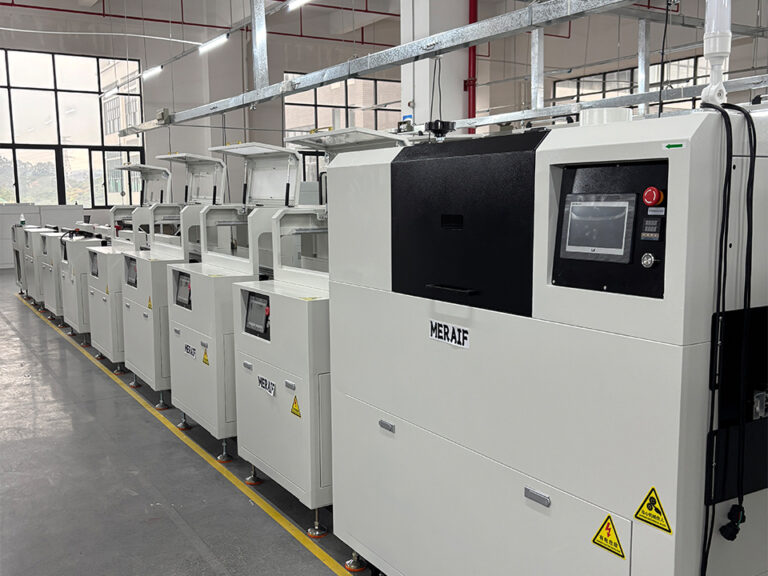
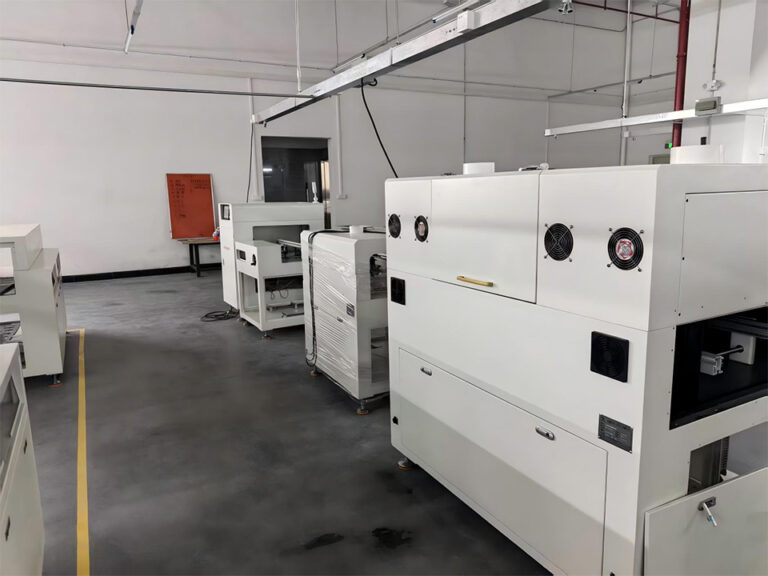
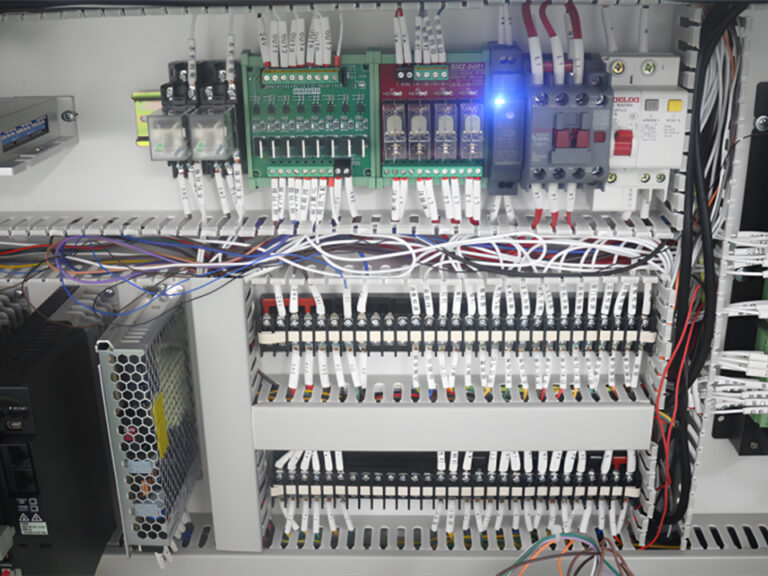
I’ve sat in enough factory meetings to know how this usually goes: somebody points at the operator count, somebody else says labor is “manageable,” and then the line goes sideways two days later because feeder prep ran long, one placement program needed cleanup, and the whole shift got eaten alive by rework nobody bothered to price honestly. Same story.
And that’s why I don’t buy the easy pitch. Labor cost savings with automated pick and place machines are real, yes—but not in the childish way some vendors describe them. It’s rarely “buy machine, cut heads, done.” It’s more like this: less touch labor, fewer interventions, tighter placement consistency, faster changeovers, less line-side firefighting, and a much smaller dependence on that one operator who somehow remembers every weird nozzle quirk on the floor. That’s the real math.
Labor is more expensive than most SMT teams admit
But let’s start with the number that gets mangled first.
In September 2024, total employer compensation for private-industry workers averaged $44.40 per hour, and at companies with 500 or more workers it averaged $64.48, which means the old “just add another operator” answer is not cheap labor at all once you count benefits, paid leave, legally required costs, and the overtime that always shows up when feeders jam at 6:40 p.m. and the second shift is already thin. Want the blunt version? The labor line on your P&L is usually bigger than managers admit in meetings, because they keep quoting wages while finance pays compensation. See the BLS compensation data. (bls.gov)
That’s the first problem.
The second one is labor availability. Not wage. Availability. According to Deloitte and The Manufacturing Institute’s 2024 workforce study, U.S. manufacturing could need 3.8 million net new employees between 2024 and 2033, with about 1.9 million jobs potentially going unfilled if the skills and applicant gaps persist. In SMT, that doesn’t show up as an abstract macro trend. It shows up when feeder prep drags, when second shift is thin, when your line lead starts covering basic setup work, and when changeovers take longer than the quote allowed. That’s not strategy. That’s drift. (deloitte.com)
So when people talk about labor cost savings in manufacturing, I frankly believe they should stop talking like this is only a payroll problem. It’s a resilience problem too. A line that needs constant human rescue is expensive even before payroll spikes.
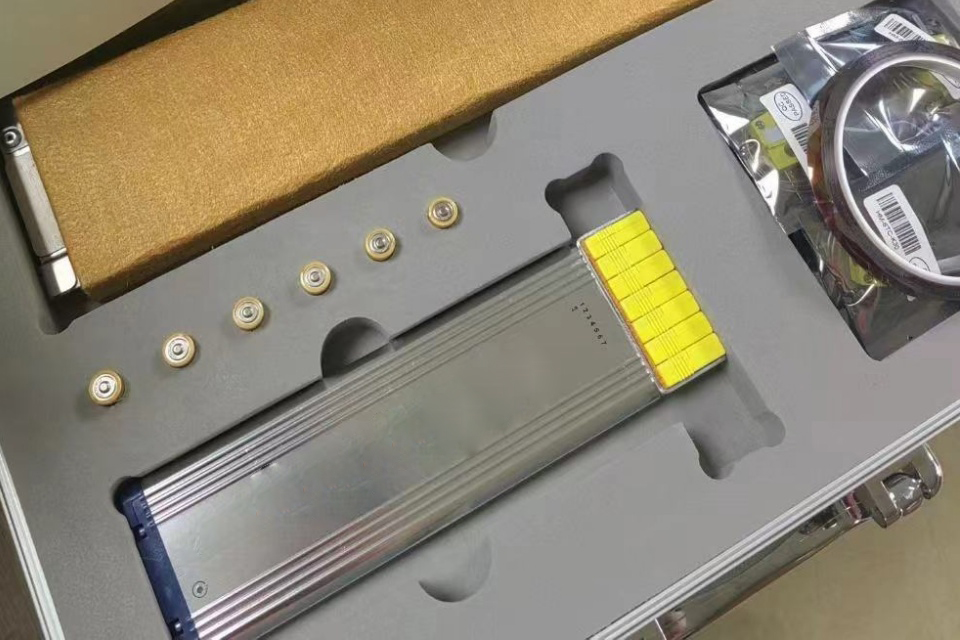
Where pick and place machines actually save labor
Here’s the ugly truth: most buyers look in the wrong place.
Yes, direct operator count can fall. That part is obvious. But the bigger savings often come from all the paid nonsense that disappears when pick and place automation is done properly—manual placement checks, repetitive handling, stop-start recovery, skew correction, polarity mistakes, feeder swaps done on the fly, and the endless “just hold the line for five minutes” routine that somehow burns half an hour.
That stuff matters.
A decent automated cell changes the job of labor. It doesn’t just erase labor. Operators move upstream into feeder validation, offline setup, first-article review, traceability, and AOI-driven correction loops instead of standing at the line doing repetitive survival work. That shift is where robotic pick and place systems start earning their keep.
And rework labor? People miss it constantly. Misplacements don’t only create defect counts. They create technician time, debug time, QA time, scheduling friction, and customer risk. If someone asks me how pick and place machines save labor costs, I usually answer with one word first: rework. Then I explain the rest.
The machine is only half the story
Yet this is where buyers get sloppy.
A Yamaha YRM20, Panasonic NPM-W2S, Hanwha XM520, or Juki RS-1R can absolutely be the right call—but I’ve seen very good hardware buried under bad line discipline so many times that I no longer assume a strong machine spec means a strong business case. Raw CPH looks nice in a brochure. On a real floor, it’s feeder strategy, library quality, setup logic, board mix, nozzle management, and upstream print stability that decide whether the machine actually saves money.
That’s why I’d start with the broader pick and place machines category and then split the conversation fast: are you running prototype and small-batch lines or high-speed mass production lines? Same market. Different economics.
Because high-mix shops bleed money one way. High-volume shops bleed it another way.
For high-mix environments, the labor win is usually setup compression, fewer engineering interruptions, and less first-build drama. For volume lines, it’s lower intervention frequency, tighter output stability, and less operator dependency across long production windows. Same technology family. Different pain points.
Why automation demand is still real—but blind buying is dead
And the market has already made that distinction, even if sales decks haven’t.
The International Federation of Robotics’ World Robotics 2024 release said factories worldwide were operating 4,281,585 industrial robots in 2023, up 10%, while annual installations hit 541,302 units, the second-highest figure on record; in a separate November 2024 release, IFR said global robot density reached 162 units per 10,000 employees, more than double the level recorded seven years earlier. This is not a fad. It is a structural response to labor cost, labor scarcity, and the need for more predictable output. (ifr.org)
So yes, the appetite is there.
But buyers got tougher. Good. Reuters’ February 2024 report on North American robot orders noted that companies bought 31,159 robots in 2023, down 30% from the year before, the sharpest percentage drop since 2006. I don’t read that as some grand failure of automation. I read it as a market finally getting a little less gullible. Vague promises about ROI of pick and place machines don’t land like they used to. Nor should they. (reuters.com)
From my experience, that skepticism is healthy. If the capex case ignores feeder utilization, setup burden, line balancing, spare parts, maintenance hours, and rework labor, then it isn’t a serious model. It’s a pitch deck with decimals.
The hidden costs that make or break ROI
However, this is where projects quietly go off the rails.
Buyers obsess over machine price and placement rate, then underweight the boring stuff: nozzle wear, offline setup discipline, centroid cleanup, BOM integrity, feeder cart organization, preventive maintenance, operator training, and the ugly little delays between jobs that don’t look dramatic enough to trigger alarms but absolutely murder annual output. That’s how savings leak away—drop by drop.
And there’s a macro reason this matters. In the BLS 2024 manufacturing productivity release, computer and electronic products was the only three-digit manufacturing industry that posted both productivity growth, at 2.2%, and output growth, at 0.1%, while unit labor costs rose in 20 of 21 manufacturing industries overall, averaging 6.1%. That is a strong reminder that rising labor costs have to be offset by better output per labor hour, not by wishful thinking or waiting for the labor market to magically get easier. Read the BLS 2024 manufacturing productivity release. (bls.gov)
That’s the pressure now.
Which is why I’d rather see a factory buy turnkey SMT line solutions with solid training and after-sales support than overspend on one flashy module that spends half its life waiting on weak process support. A fast head on a sloppy line is still a sloppy line.
A simple model for direct labor savings
Let’s keep this practical.
The table below shows a straightforward example for a mid-volume SMT operation running two 8-hour shifts, 250 days per year. It does not include scrap, expedite costs, warranty exposure, or the value of better schedule reliability. It only illustrates how direct labor can move as automation reduces repetitive placement work.
| Line setup | Direct operators per shift | Assumed fully burdened labor cost | Annual direct labor cost | Annual savings vs. manual |
|---|---|---|---|---|
| Manual / low automation | 4.0 | $42/hr | $672,000 | — |
| Semi-automated placement | 2.5 | $42/hr | $420,000 | $252,000 |
| Balanced automated pick and place cell | 1.5 | $42/hr | $252,000 | $420,000 |
If your plant’s real compensation rate is closer to the BLS small-employer figure of $35.27 per hour or the large-employer figure of $64.48 per hour, the spread changes, but the direction does not: labor savings compound fast when automation removes recurring touch time across every board, every lot, every shift. (bls.gov)
But don’t oversimplify it.
That table is clean. Real production isn’t. It doesn’t capture the cost of line starvation, expedite freight, customer escalations, unstable first-pass yield, or the manager-hours burned every week chasing problems that shouldn’t exist. And that’s exactly why “reduce labor costs with automation” can be true on paper and still disappoint in practice if the supporting process is weak.
What smart buyers should look at before choosing a system
So what should you actually evaluate?
Not just speed. Not just price. And definitely not just brochure ROI. I’d look at feeder count, package mix, setup frequency, offline programming flow, library discipline, maintenance access, spare-parts coverage, and how well the system fits your actual board family—not the vendor’s ideal demo board.
For high-volume operations, the best pick and place machines for manufacturing are usually the ones that stay stable with the fewest labor-heavy interruptions. For smaller or mixed lines, the better question is often which system reduces paid setup drag and first-run confusion. That’s where the dollars hide.
And if you want a reality check, look at customer cases. Not for marketing fluff—for operating context. Lot size. Board density. Changeover pattern. That’s the stuff that tells you whether a machine will actually work in your shop or just look good in someone else’s.
FAQs
How do pick and place machines save labor costs?
Pick and place machines save labor costs by reducing the number of direct handling steps required to load, position, verify, and correct components on a PCB, while also shrinking changeover time, operator dependency, and rework labor caused by inconsistent manual or semi-manual placement.
That’s the concise version. In the real world, the biggest savings usually come from killing paid friction—those small, constant interruptions that everybody on the floor gets used to, even though they’re expensive.
What is a realistic ROI of pick and place machines?
A realistic ROI of pick and place machines is a payback model based on fully burdened labor, scrap reduction, throughput gain, maintenance cost, training time, and financing expense, usually judged over 12 to 36 months rather than through marketing claims built on labor replacement alone.
If the model leaves out feeder prep, downtime, rework hours, program cleanup, or spare-parts reality, I wouldn’t trust it. That’s where the nice-looking ROI slides usually cheat.
Are automated pick and place machines worth it for small-batch manufacturing?
Automated pick and place machines are worth it for small-batch manufacturing when product mix is high, package complexity is rising, engineering labor is expensive, and frequent setups are eroding margin faster than owners realize, especially on runs involving fine-pitch parts, traceability, and repeat-order consistency requirements.
For those shops, max speed isn’t usually the prize. Setup control is. So is getting to a clean first article without burning half the shift.
What hidden costs reduce labor savings from pick and place automation?
Hidden costs that reduce labor savings from pick and place automation include feeder change delays, offline setup failures, nozzle wear, poor preventive maintenance, spare-parts shortages, weak operator training, inaccurate BOM or centroid data, and line imbalance that leaves expensive equipment waiting for slower upstream or downstream processes.
That’s where savings quietly bleed out. Not in one dramatic failure—just in a hundred daily leaks that add up by quarter-end.
If you’re seriously evaluating a line upgrade, I’d start broader than the machine brochure. Review the turnkey automation options, download the catalog, or contact the team with your board mix, shift pattern, and labor assumptions. That’s where honest ROI starts.