Most SMT factories will tell you they have traceability because there’s a barcode on the panel, a few machine logs on a server somewhere, and maybe an MES screen that looks impressive during a customer visit, but when a bad reel lot slips through or a feeder swap goes sideways, that confidence usually evaporates fast. It doesn’t hold.
I’ve seen this movie before. The line is running fine—until it isn’t. Then everyone starts digging through placement logs, AOI images, feeder setup sheets, rework notes, and half-complete ERP entries, and suddenly the phrase “full traceability” starts sounding like marketing copy instead of a control system. That’s why pick and place traceability matters. Not in theory. On bad days.
Why Pick and Place Traceability Matters More Than Most Teams Admit
But here’s the ugly truth: traceability only gets funded properly after somebody gets burned. Until then, it’s treated like background admin work, which is a strange way to handle the one system that decides whether a defect becomes a targeted containment action or a full-blown commercial mess.
Standards and regulators have been pushing this for years, and for good reason. IPC-1782B lays out traceability requirements for electronic products according to risk level, while the U.S. FDA’s February 2, 2024 final rule revising 21 CFR Part 820 pulled the Quality System Regulation closer to ISO 13485:2016. That’s not random paperwork drift. It’s a signal.
And the signal isn’t limited to medical devices or regulated niches. In June 2024, Reuters reported that BMW had imported thousands of vehicles into the U.S. containing parts linked to a banned supplier. Then, in July 2024, Reuters reported that Boeing had asked suppliers to go back through a decade of titanium paperwork as scrutiny widened over false records. Different sectors. Same headache.
I frankly believe electronics manufacturers still underestimate how quickly documentation failure mutates into a business failure. It starts small—a suspect lot, a wrong feeder slot, a silent ECO mismatch—and then it spreads because nobody can prove which units are clean. Not really.
That’s why quality documentation in pick and place isn’t just a quality manager’s concern. It’s tied to customer trust, supplier recovery, warranty defense, field risk, and how much scrap a company is forced to eat when the line history turns fuzzy.
The Core Records Every SMT Traceability System Should Capture
So what actually matters? Not everything. And that’s part of the problem.
A lot of factories are drowning in documentation but starving for usable evidence. They have forms. They have exports. They have folders full of PDFs. But they don’t have a coherent build genealogy that links one board serial number to one material lot, one approved program, one setup state, one inspection path, and one shipment outcome. That’s not traceability. That’s clutter with timestamps.
From my experience, the must-have record stack is boring enough that people ignore it. Incoming receipt data. Lot/date code history. MSL control. Reel UID. Feeder UID. Setup verification. Program revision control. Placement execution logs. SPI/AOI outcome. Repair and retest history. Pack-out mapping. None of this is glamorous. All of it matters.
And yes—if your PCB assembly documentation breaks between those stages, the whole chain weakens. Same story if your manufacturing traceability records live in five disconnected systems that only one engineer knows how to reconcile on a Friday night.
| Record category | Key fields to capture | Primary purpose | Typical weakness |
|---|---|---|---|
| Incoming material receipt | Supplier, PO, MPN, lot/date code, quantity, COC/COA reference | Establishes source genealogy | Mixed lots merged in inventory |
| MSL and storage control | MSL level, open time, dry cabinet ID, bake start/stop, approval | Protects material condition | Exposure time reset without evidence |
| Setup verification | Reel ID, feeder ID, slot, machine ID, program revision, first-article signoff | Confirms correct setup | Feeder swaps not logged |
| Placement execution | Board serial, timestamp, reject/retry events, alarms, nozzle/head references | Links build events to product units | Logs remain machine-local |
| Inspection and repair | SPI/AOI result, defect code, image reference, repair action, operator, retest | Preserves defect history | Repair data detached from board ID |
| Final release and shipment | Work order, board-to-panel map, carton ID, customer serial mapping | Supports downstream containment | Pack-out data isolated from production history |
That table is the backbone. Everything else is detail.
What Full Traceability Looks Like on a Modern Pick and Place Line
Yet a lot of teams still confuse data collection with control. They’re not the same thing—not even close.
A modern traceability setup should let you pull a serialized board history and see the full travel path: which reel lot was loaded, which feeder it sat in, which machine and program revision placed it, whether the nozzle had reject events, what SPI and AOI saw, whether it went through touch-up or formal repair, and which carton or customer batch it eventually entered. One thread. One history. No detective work.
That means the identifiers have to line up. Board serials. Panel mapping. Reel UIDs. Feeder IDs. Program revisions. Inspection results. Shipment data. If those records don’t write into one connected history, the system is technically alive but functionally half-blind. I see this all the time with lines that have decent hardware and mediocre integration.
It’s also why I keep telling buyers to stop judging equipment on CPH alone. Throughput is nice. But if you’re evaluating pick and place machines, SMT inspection systems, or full turnkey SMT line solutions, traceability architecture should be part of the buying logic from day one. Otherwise you end up bolting genealogy onto the line after launch—and that’s usually ugly, expensive, and full of workarounds.
A strong system answers ugly questions fast. Which boards used lot A7X-24? Which passed through feeder slot 18 after the splice event? Which units touched the wrong revision file before the rollback? Which boards were repaired off-line and then shipped? If you can’t answer that in minutes, the line is exposed.
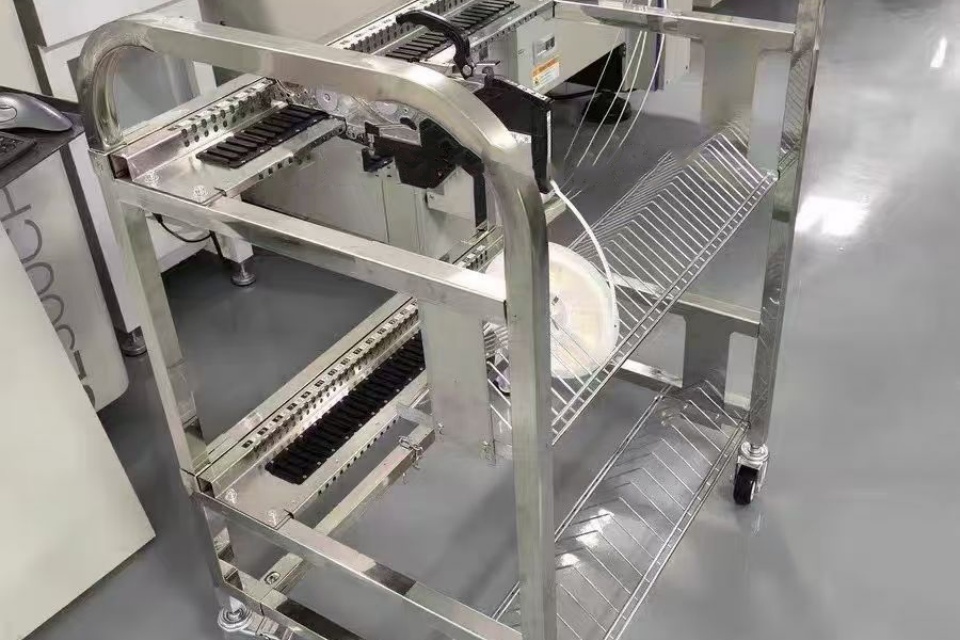
Where Traceability Usually Fails
Here’s where it goes wrong. Not in the brochure. On the floor.
The most common failure isn’t missing software. It’s uncontrolled exception flow. A feeder gets swapped during recovery and the operator doesn’t re-scan because the line’s under pressure. A reel splice happens but inherits the wrong lot reference. A part substitution gets approved in email but never lands properly in execution records. A repair bench fixes the board, passes it, and never binds the event back to the main serial history. Small leaks. Big consequences.
And there’s another bad habit I wish the industry would drop: pretending a 2D barcode equals traceability. It doesn’t. It’s just an entry point. If that code links to incomplete history—no feeder verification, no material genealogy, no inspection write-back, no repair record—you’ve got labeling, not control.
I’d go further. Most SMT traceability failures are governance failures dressed up as system limitations. Procedures look fine in the quality manual. The audit checklist looks fine. But second shift has shortcuts. Maintenance has bypass paths. Engineering has an “urgent fix” culture. And nobody wants to admit that those informal moves are where the data trail usually breaks.
That’s why I’d rather see a factory build discipline around process quality and compare real operational patterns through actual customer cases than sit through another polished software demo full of dashboards nobody trusts on a bad day.
How to Improve Traceability in Pick and Place Without Slowing the Line
However, tightening traceability doesn’t mean turning the line into a paperwork graveyard. I’ve seen plants overcorrect—too many forms, too many approvals, too much manual entry—and all that does is train operators to click through controls without thinking.
The better move is structural. Define the minimum mandatory data model first. Every board or panel needs a unique serialized identity. Every reel needs a valid traceable material ID. Every feeder installation needs a verified relationship to that reel and that machine slot. Every inspection or repair event needs to write back to the same serialized history. No side channels. No shadow logs.
Then automate what should never be typed by hand. Reel scans. Feeder scans. Operator IDs. Program revision checks. Lot validation. Machine-state capture. Humans are good at judgment calls. They’re terrible at repetitive record creation during cycle-time pressure, especially when the line is barking alarms and WIP is stacking up.
One H3 is worth using here because this is the operational test that separates serious systems from decorative ones.
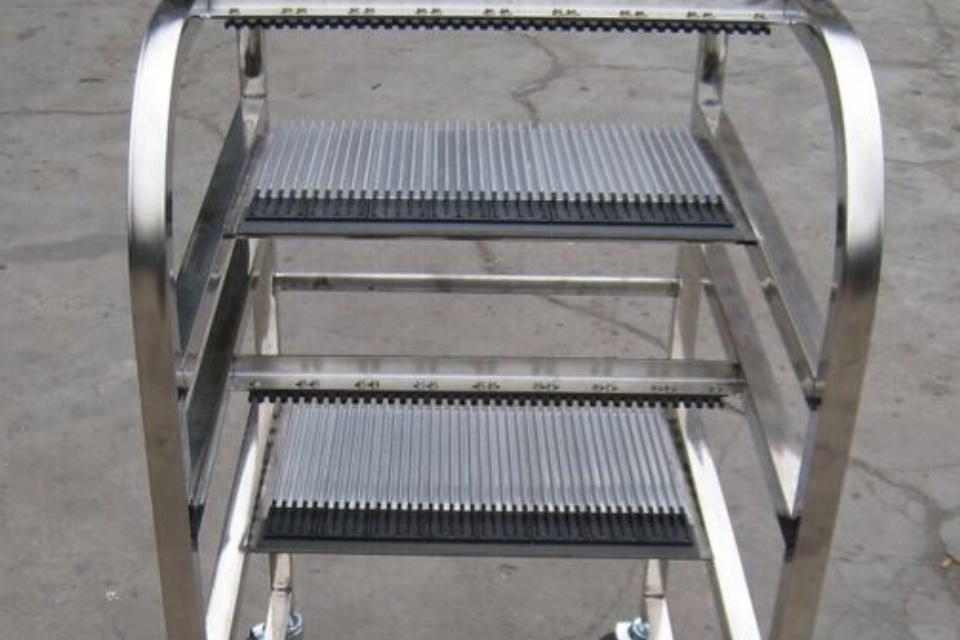
Run a containment drill before your customer does
Pick one suspect lot. Or a feeder misload event. Or a silent repair station failure. Then ask the team to identify every affected unit across WIP, FG, and shipped stock. Time it. Don’t coach them. Don’t “clean up the data first.” Just run it cold.
That number tells the truth.
If the answer takes two hours, the traceability system isn’t mature. If it takes twenty minutes, now we’re talking. And if nobody can agree on which records are authoritative, the line isn’t just under-documented—it’s operationally confused.
Training matters here too. More than people admit. Traceability doesn’t stay healthy because a system exists; it stays healthy because operators, technicians, QA staff, and service teams all know which actions must be recorded, which exceptions must be escalated, and which shortcuts are unacceptable. That’s where training and after-sales support stops sounding optional.
Documentation Best Practices for Audit-Ready SMT Operations
So what do the best systems actually do? They’re not flashy. They’re disciplined.
They standardize required fields and don’t let every department invent its own naming logic. They lock revision control for programs and work instructions. They centralize machine logs instead of leaving them stranded at equipment level. They enforce scan-based setup confirmation. They preserve AOI, SPI, repair, and release records in the same build genealogy. And they define retention periods that actually match customer and regulatory exposure—not whatever looked reasonable five years ago.
I also think a lot of teams get this backward: they chase completeness before they achieve reliability. Bad move. A smaller record set that’s enforced well beats a giant documentation regime that operators bypass when takt pressure hits. Every time.
Good quality control documentation also has a very practical commercial effect. It shortens 8D response time. It improves supplier claims because lot-level evidence is clean. It reduces the blast radius in containment. It makes warranty arguments less emotional because the factory can actually show what happened, not guess. That’s real value.
And that’s why best practices for pick and place documentation should be judged by one simple question: when something breaks, can the factory prove the truth quickly? If yes, the system is doing its job. If not, it probably isn’t.
FAQs
What is pick and place traceability?
Pick and place traceability is the documented ability to connect each serialized PCB or panel to the exact materials, machine settings, feeder positions, placement events, inspection outcomes, rework actions, and shipment records involved in its assembly, so a manufacturer can identify what happened, when it happened, and which units were affected.
In plain factory terms, it means one board serial can be traced back to the reel lot, feeder setup, placement program, inspection result, repair history, and shipment record without guesswork.
What records should an SMT line keep for full traceability?
A full-traceability SMT line should keep receiving data, lot and date-code records, storage and MSL history, setup verification, feeder and nozzle identification, placement timestamps, inspection results, rework records, and final shipment genealogy tied to a board or panel serial number from material receipt through release.
If even one of those record chains breaks, containment gets slower and root-cause analysis gets murkier.
How to improve traceability in pick and place?
Improving traceability in pick and place means defining a mandatory data structure, reducing manual entry through scan-based verification, binding machine and inspection events to one serialized product history, and testing the system regularly with containment drills based on suspect lots, feeder errors, or repair events.
I’d add one more thing: don’t judge the system by what it can display—judge it by what it can isolate under pressure.
What is the difference between PCB assembly documentation and manufacturing traceability records?
PCB assembly documentation is the broader set of controlled documents and execution records used to build and release a board, while manufacturing traceability records are the narrower event-level data that identify exactly which material, process step, machine action, and inspection result affected a specific serialized unit.
One defines the controlled process. The other proves the history of an actual build.
What are the best practices for pick and place documentation?
Best practices for pick and place documentation include standardizing required fields, enforcing scan-based material and feeder validation, controlling program revisions, centralizing machine logs, linking inspection and repair data to serialized board history, and auditing exception handling as seriously as normal production flow.
The strongest systems aren’t the most complicated—they’re the hardest to bypass and the easiest to query when something goes wrong.
If your operation is reviewing line design, data flow, or documentation controls, now’s the right time to tighten the system before the next customer complaint or audit forces the issue. For a direct discussion about equipment, traceability structure, or documentation requirements, use the contact page.