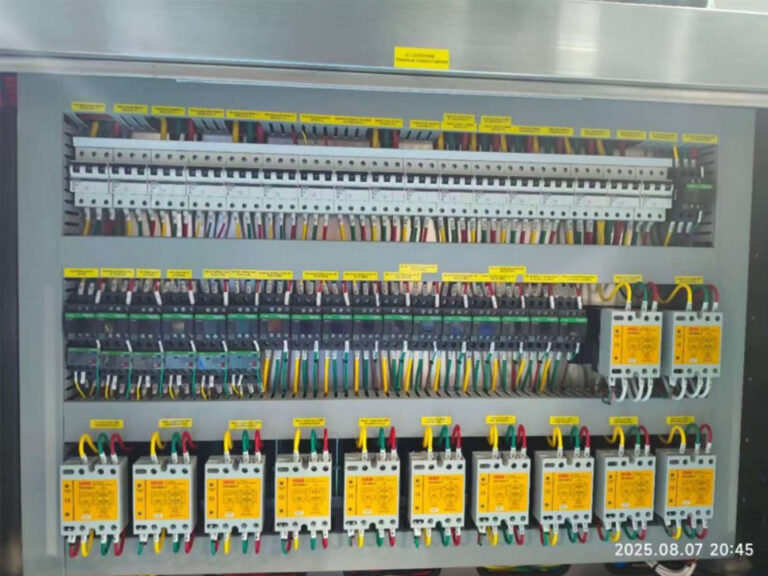
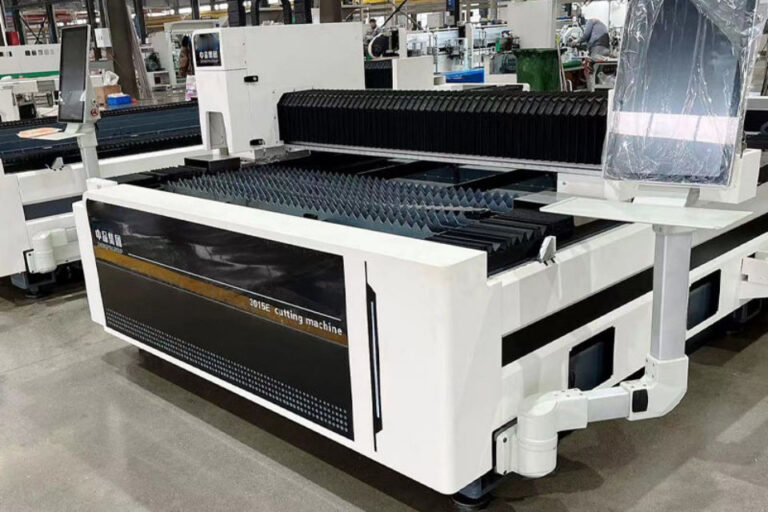
Moisture-Sensitive Devices rarely fail in a dramatic way at the pick and place machine. That is what makes them dangerous. A BGA, QFN, LED package, sensor, RF module, or plastic-encapsulated IC can look normal in the feeder, place cleanly on solder paste, pass basic visual inspection, and still carry enough absorbed moisture to crack internally during reflow.
I have a blunt view on this: many MSD failures blamed on placement equipment are really material-control failures wearing a machine-failure mask. If a factory tracks nozzle wear more carefully than floor life, it is measuring the easy thing while ignoring the expensive one.
Why Moisture Sensitive Devices Matter In SMT Assembly
Moisture Sensitive Devices are surface-mount components that absorb atmospheric humidity through package materials and become vulnerable when exposed to solder reflow temperatures. During reflow, trapped moisture expands quickly inside the package body. That pressure can create delamination, internal cracking, bond damage, package swelling, or the classic popcorn effect.
That is not theory for a training slide. It is why the IPC/JEDEC J-STD-033 standard exists. The standard gives manufacturers and users a framework for handling, packing, shipping, drying, and using moisture/reflow-sensitive surface mount devices.
The trap is visibility. A solder bridge is obvious. A missing component is obvious. Moisture damage may hide inside the package until acoustic inspection, thermal cycling, field stress, or customer failure analysis exposes it. By then, the production report usually says the placement run was fine.
Fine is not good enough.
The Floor-Life Clock Is The Real Control Point
The floor-life clock starts when the moisture barrier bag is opened. From that moment, the component is exposed to the factory environment, and exposure time begins accumulating.
This is where factories lose discipline. A reel is opened for kitting. The job is delayed. The line waits for stencil cleaning. A feeder setup takes longer than expected. The reel is moved to another cart. Someone reseals it later without logging cumulative exposure. Then production treats the material as “basically new” because the reel still looks full.
The component does not care how full the reel looks.
Proper MSD handling means the reel ID, MSL level, bag open time, return-to-dry time, cumulative exposure, bake history, and operator handoff are controlled as production data. Not tribal knowledge. Not a handwritten note that disappears at shift change.
This is especially important for a prototype and small-batch SMT line, where stop-start production is normal. Prototype work creates more partial reels, more schedule changes, and more interrupted exposure windows than a stable high-volume line. That makes MSD handling harder, not easier.
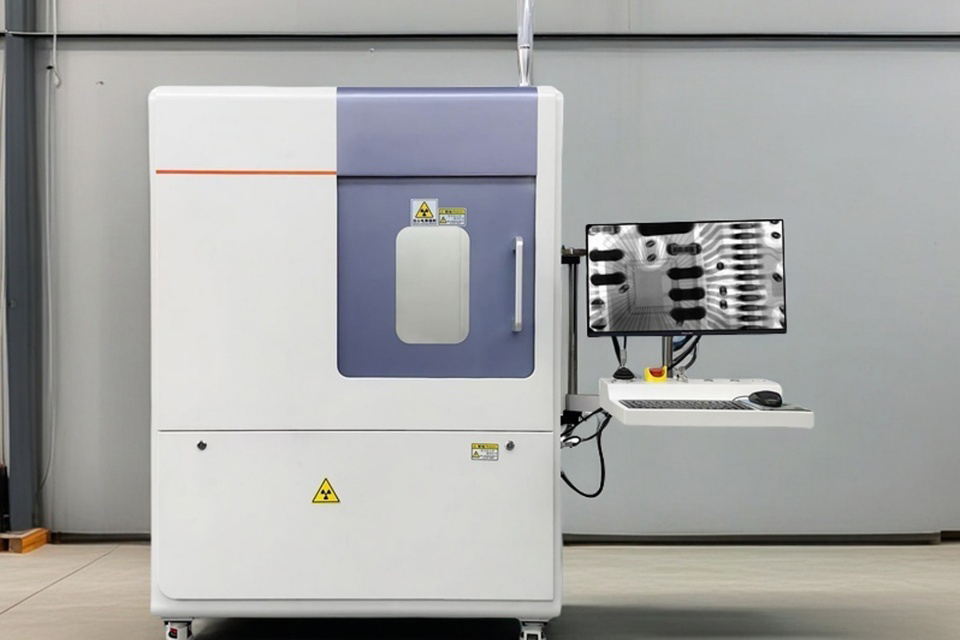
What Good MSD Handling Looks Like Before Placement
Real MSD handling starts before the reel reaches the feeder.
Incoming inspection should verify the moisture barrier bag, seal date, humidity indicator card, desiccant condition, MSL label, and supplier packaging status. Kitting should separate moisture-sensitive components from ordinary passives. Setup should open MSD packaging only when the line is genuinely ready to run.
A proper ESD dry cabinet for MSD storage is not just a storage accessory. It is process-control equipment. Used correctly, it reduces uncontrolled exposure and gives operators a safe return point for opened reels, trays, and partial quantities.
Here is the hard truth: “We will run it later” is one of the most expensive sentences in SMT production.
If the stencil printer is not ready, do not open the MSD reel. If the program is not verified, do not open the MSD reel. If the reflow path is blocked, do not open the MSD reel. Convenience is not a process parameter.
How Pick And Place Assembly Creates Hidden MSD Risk
The pick and place machine is rarely the root cause of MSD damage, but the placement process can amplify MSD risk when material flow is poorly managed.
Feeder loading delays, nozzle troubleshooting, bad splices, program edits, component shortages, line stops, AOI bottlenecks, and reflow waiting time all consume exposure time. The machine may place at high speed and high accuracy, but it cannot reverse moisture absorption.
Modern pick and place machine systems help by reducing mis-picks, feeder instability, placement drift, and unnecessary stoppages. But a fast machine connected to a weak material-control process is just an expensive witness.
The problem scales badly in high-volume production. On a high-speed mass production SMT line, one uncontrolled moisture-sensitive reel can feed hundreds or thousands of boards before anyone connects the failure pattern to exposure history.
NASA’s NEPP moisture sensitivity evaluation is a useful warning here. In one packaging evaluation, 3 of 5 device types did not meet the MSL criteria stated by vendors, based on delamination changes observed after reflow exposure. The message is uncomfortable but necessary: supplier labels matter, but factory control still matters more. Read the NASA NEPP moisture sensitivity level report if you want a reminder that assumptions about package robustness can fail.
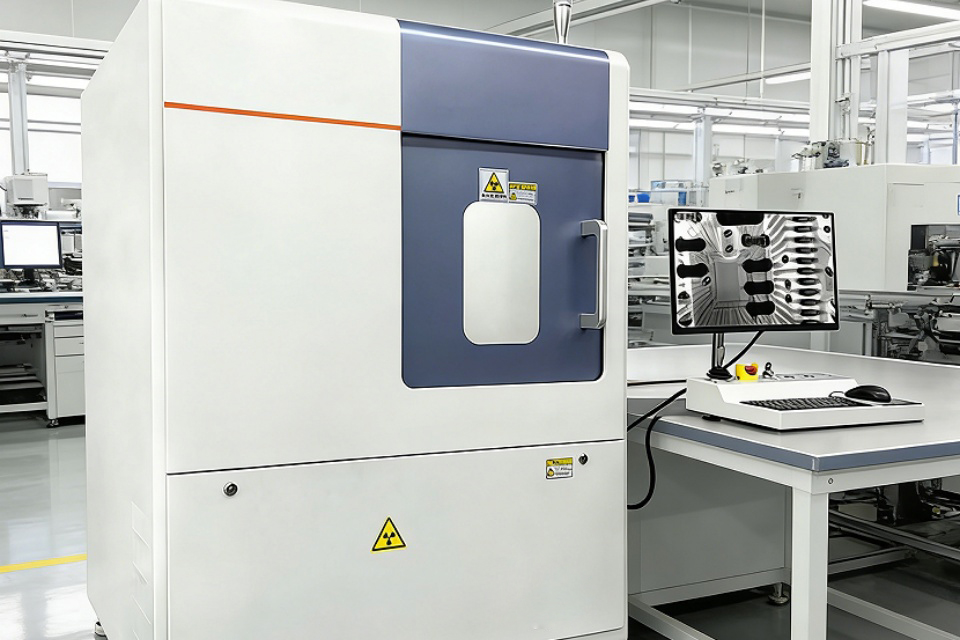
MSD Storage, Baking, And Reflow Readiness
Baking is not a magic reset button.
It is a controlled recovery process for moisture-sensitive components that have exceeded exposure limits or require drying before assembly. Baking decisions should follow MSL classification, supplier documentation, package type, carrier material, tape-and-reel limits, tray limits, and IPC/JEDEC guidance.
Over-baking creates its own problems. It can affect solderability, oxidize terminations, deform packaging materials, damage tape, or create handling issues. Under-baking is worse because it creates false confidence. The operator thinks the part is safe, while the package still carries risk into reflow.
The better strategy is prevention: keep parts sealed until needed, use controlled dry storage, track cumulative floor life, return exposed material quickly, and block expired components from release unless a documented bake disposition exists.
The economics are no longer small. The Semiconductor Industry Association reported that global semiconductor sales reached $627.6 billion in 2024, up 19.1% from 2023, with memory sales up 78.9% and DRAM up 82.6%. That matters because modern SMT lines are placing more valuable, dense, and supply-sensitive components. One mishandled reel can represent a real material loss, not just a quality note. See the SIA 2024 semiconductor sales report for the market context.
| MSD Control Point | Common Factory Mistake | Better Control Method | Risk If Ignored |
|---|---|---|---|
| Incoming inspection | Bag seal, HIC, and desiccant are checked casually | Record MSL label, HIC status, lot, seal date, and packaging condition | Unknown exposure status before production |
| Kitting | Reels are opened too early for convenience | Open moisture barrier bags only when the job is ready | Floor life is consumed before placement starts |
| Feeder setup | MSD reels sit beside the machine during delays | Load MSD reels last and run promptly | Exposure time accumulates unnoticed |
| Placement run | Line stoppages are not counted as exposure | Treat downtime as part of cumulative floor life | Expired parts reach reflow |
| Reflow release | Operators process parts because they “look fine” | Block expired MSDs without documented disposition | Popcorning, delamination, latent failure |
| Storage return | Partial reels go back to uncontrolled shelves | Return reels to dry cabinet or reseal with exposure logs | Remaining floor life becomes unknowable |
| Baking | Parts are baked by habit, not by rule | Bake according to MSL, package, carrier, and supplier limits | Solderability loss, packaging damage, false confidence |
Practical MSD Workflow For SMT Production Teams
The workflow should be simple enough to survive a busy shift.
First, assign one owner for MSD status per shift. Not “quality.” Not “production.” A named person. Second, make MSD status visible in the traveler, barcode system, or MES. Third, connect material release to actual line readiness. Fourth, keep dry storage close to the line. Fifth, train operators to stop production when MSD status is unclear.
That last point separates serious factories from decorative ones.
A mature turnkey SMT line solution should include more than printer, mounter, reflow oven, and inspection equipment. It should define material flow, dry storage, feeder preparation, exposure tracking, reflow timing, and operator response rules.
If your SMT supplier talks only about CPH, placement accuracy, and machine model names, ask harder questions. Ask how MSD reels are handled during changeover. Ask where opened reels are stored. Ask how expired floor life is blocked. Ask what happens when the line stops for two hours.
That is where the real process shows itself.
FAQs About Moisture Sensitive Devices In Pick And Place Assembly
What are Moisture Sensitive Devices in PCB assembly? Moisture Sensitive Devices are surface-mount electronic components that can absorb atmospheric humidity before soldering and suffer internal damage when exposed to reflow temperatures. They often include plastic-encapsulated ICs, BGAs, QFNs, LEDs, sensors, and modules that require controlled storage, exposure tracking, and sometimes baking before SMT assembly.
What is MSD handling in pick and place assembly? MSD handling in pick and place assembly is the controlled process of storing, opening, tracking, mounting, resealing, and baking moisture-sensitive components so their allowable floor life is not exceeded before reflow soldering. It links receiving, kitting, feeder loading, placement, dry storage, and reflow into one traceable production workflow.
Why do moisture-sensitive components fail during reflow? Moisture-sensitive components fail during reflow because absorbed moisture expands rapidly inside the package body as temperature rises, creating internal pressure that can crack molding compound or separate internal interfaces. This can cause visible popcorning, hidden delamination, bond stress, or long-term reliability failures after the board leaves production.
How should MSD storage and baking be managed? MSD storage and baking should be managed according to MSL level, supplier instructions, IPC/JEDEC guidance, exposure history, package type, and carrier temperature limits. Components should remain sealed or dry-stored whenever possible, and baking should be treated as a controlled recovery process rather than a routine habit.
What is the biggest MSD mistake in SMT production? The biggest MSD mistake in SMT production is opening moisture barrier bags too early and failing to track cumulative exposure through setup delays, line stoppages, partial builds, and storage returns. The reel may look unused, but the component may already have consumed a large part of its allowable floor life.
Moisture Sensitive Devices do not forgive casual handling. If you want stable SMT yield, treat MSD control as part of the placement process, not an afterthought. That means dry storage, feeder discipline, floor-life tracking, baking control, and reflow readiness must work as one system.
For equipment planning, process support, or full-line configuration, review available SMT production solutions or contact the SMT equipment team before moisture-related defects become the expensive lesson.