Polarity kills quietly.
A board can look clean, pass a lazy visual scan, and still carry a reversed TVS diode, tantalum capacitor, bridge rectifier, LED, connector, or IC pin-one orientation error that turns first power-on into smoke, intermittent failure, warranty leakage, or something worse. What is component polarity, really? It is the rule that some electronic components only work safely when their positive, negative, anode, cathode, gate, drain, source, pin 1, or marked terminal lands on the correct pad.
I’m going to say the unpopular part: most polarity failures are not “operator mistakes.” They are documentation failures that operators inherit. The factory floor gets blamed because that is where the defect becomes visible. But the root often sits upstream: ambiguous CAD library symbols, a footprint rotated 180°, a missing cathode bar, vendor packaging that contradicts the drawing, a BOM line with no polarity note, or a production line that trusts one AOI image library more than the actual electrical truth.
Why Component Polarity Still Causes Expensive PCB Failures
Component polarity matters because directional electronic parts can fail immediately, degrade silently, or create unsafe operating conditions when installed backward. Diodes, LEDs, polarized capacitors, ICs, connectors, sensors, batteries, and many power-management components all depend on correct electrical orientation.
This is not theory. In 2023, the FDA classified a Philips Respironics ventilator action as a Class I recall involving Power Management Printed Circuit Board Assemblies that did not meet ventilator standards, with possible power failure and loss of ventilator function listed as a risk. The FDA Philips Respironics PCBA recall is a useful warning because it shows how a board-level failure can move from manufacturing paperwork into patient-safety language.
That is the hard lesson: a bad board is not just a bad board once it ships.
The same logic appears outside medical devices. A 2024 NHTSA filing on Keystone RVs described PCB coating that did not properly seal a board from contamination; liquid could accumulate, short the PCB, overheat the light cover, and possibly cause fire. The filing also recorded 29 warranty claims for melted knob failures. Read the NHTSA Part 573 safety recall report.
No, that is not a pure component polarity case. But it belongs in this discussion because it proves the larger point: small PCB process assumptions become field risk when verification is weak.
Where Component Polarity Errors Enter the Design File
Component polarity verification starts before placement. It starts in the design file, where the schematic symbol, PCB footprint, silkscreen, courtyard, assembly drawing, centroid data, BOM, and approved manufacturer part number must tell the same story.
If those sources disagree, the pick-and-place machine will not save you. It will repeat the error with discipline.
The most common polarity traps are painfully ordinary: a diode symbol that does not match the footprint, an LED package with a vendor-specific cathode mark, a tantalum capacitor footprint that marks “+” while the body marking emphasizes another visual cue, or an IC package where pin 1 is visible in the datasheet but not obvious after placement. Engineers know these problems exist. The ugly part is how often they survive release review.
My rule is blunt: mark the board for the person who is tired, rushed, and holding the wrong revision.
That means polarity marking should appear in more than one place. Use the schematic note, PCB silkscreen where practical, assembly layer, BOM comments, approved vendor documentation, and inspection criteria. Do not force the factory to infer polarity from a screenshot buried in an email thread.
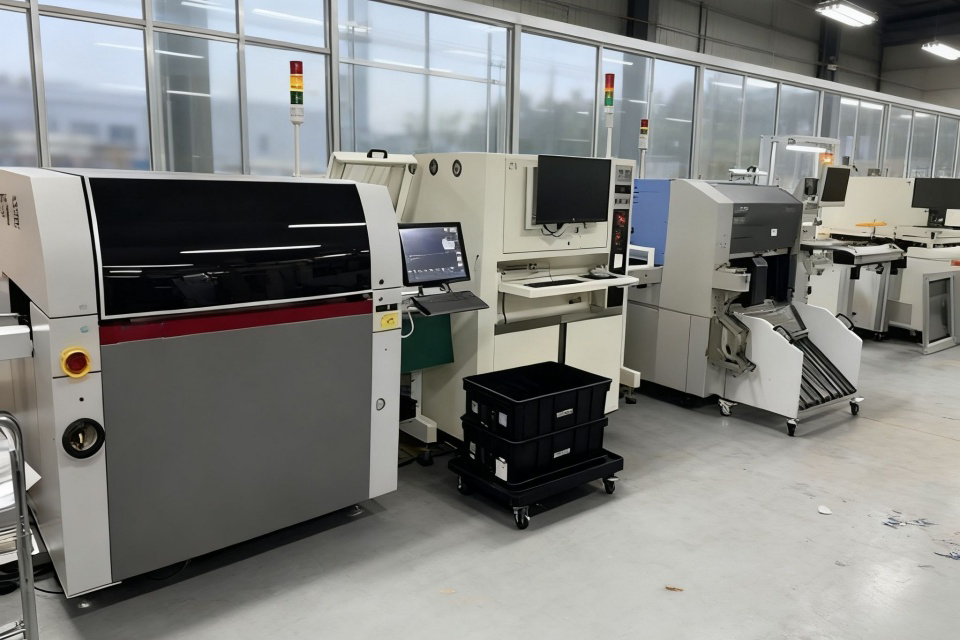
This is why serious teams connect layout review with turnkey SMT line solutions instead of treating assembly as a late-stage purchasing job. The line is not just equipment. It is a verification system.
How To Verify Component Polarity Before Assembly
A good PCB polarity check should answer five questions before the first panel enters production:
- Does the component have electrical directionality?
- Is the package marking visible after placement?
- Does the PCB marking match the datasheet convention?
- Does the machine rotation value match the actual tape pocket orientation?
- Can AOI, X-ray, ICT, or functional test detect the error before shipment?
Miss one, and the line becomes a very expensive copier.
The workflow should begin with component classification. Every polarized part in the BOM should be tagged: D, LED, Q, U, J, CN, polarized C, battery holder, bridge rectifier, optocoupler, transformer, sensor, fuse with directionality, or any part with pin-specific behavior. Then each part needs evidence: datasheet page, package mark, PCB mark, machine rotation, feeder pocket direction, AOI feature, and test coverage.
Simple. Rarely done.
In small runs, people sometimes gamble. I get why. A prototype build of 20 boards feels manageable, and an engineer with a loupe can catch plenty. But small-batch work is where weird polarity errors breed: alternate suppliers, hand edits, substitute LEDs, 0402 diode packages with microscopic bars, electrolytic capacitors from a second distributor, and late-night ECO changes that never make it into the assembly notes. That is exactly why prototype and small-batch SMT lines need formal polarity discipline, not less of it.
At volume, the same defect gets nastier. One wrong feeder orientation, one bad CAD rotation rule, one unchecked polarity marking, and suddenly the factory has produced 4,000 identical failures before lunch. If you are scaling, polarity control belongs inside the architecture of high-speed mass production lines, not in a QC meeting after the rework bill arrives.
Assembly Verification Tools: AOI, First Article, ICT, and X-Ray
The industry keeps pretending AOI is a moral authority. It is not.
Automated optical inspection is a camera, lighting system, model library, and decision tree. It can detect missing parts, wrong rotations, polarity bands, text marks, solder bridges, skew, tombstoning, and many package-level anomalies. But AOI only knows what it has been taught, and it can be fooled by glare, component vendor mark variations, low-contrast mold marks, black-on-black packages, rotated but symmetrical packages, and polarity indicators hidden under the body edge.
That said, AOI is still one of the best weapons when configured honestly. A modern SMT inspection system should verify electronic component orientation with real package imagery, not just generic footprint assumptions.
The research world has noticed the same thing. A 2023 paper on automatic PCB marking detection argued that PCB text, logos, and markings matter for hardware assurance and automatic BOM extraction. The paper, Framework for Automatic PCB Marking Detection and Recognition for Hardware Assurance, is not shop-floor marketing. It is a signal that board-level visual intelligence is becoming part of supply-chain trust.
But AOI should not stand alone. First-article inspection confirms whether real parts match the digital assumptions. ICT and functional testing catch electrical consequences. X-ray helps when optical access is poor, especially with hidden joints, BGAs, and packages where pin-one orientation is not visible after placement.
The cleanest systems combine machine repeatability with human skepticism. That means calibrated pick-and-place machines, feeder verification, first-article signoff, AOI programming from real samples, and documented exception handling when package markings differ from datasheets.
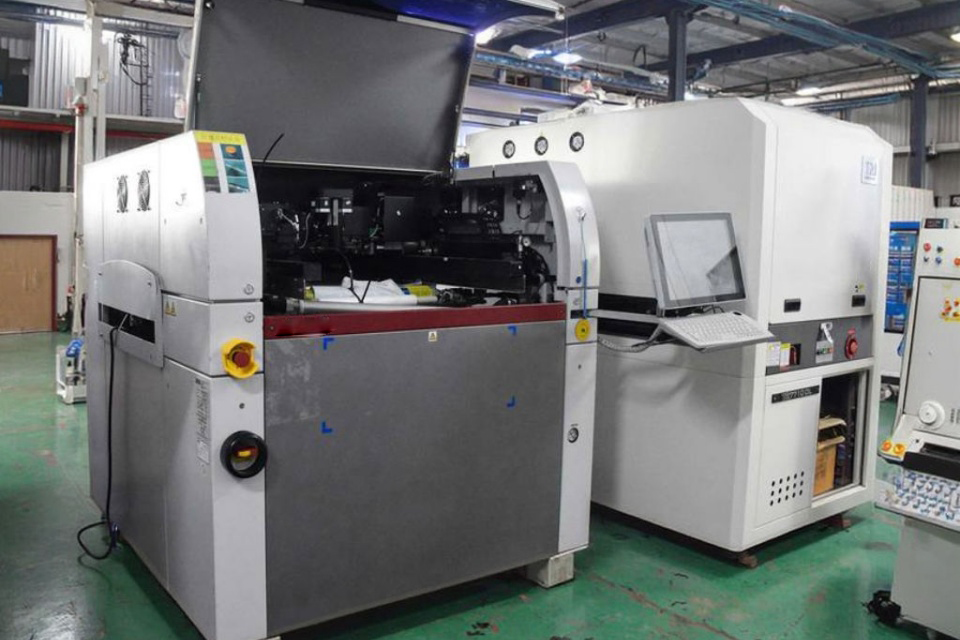
Component Polarity Verification Checklist
The factories that win are not the ones with the prettiest brochures. They are the ones that know exactly where mistakes enter the line and build boring controls around those points.
Boring is profitable.
| Verification stage | What it catches | What it misses | Hard opinion |
|---|---|---|---|
| Schematic and footprint review | Wrong pin mapping, reversed diode symbols, bad pin-one convention | Vendor package marking changes | This is the cheapest place to catch polarity errors |
| Assembly drawing review | Missing polarity marking, unclear notes, bad silkscreen | Machine rotation mismatch | Make the drawing readable without tribal knowledge |
| Feeder and reel check | Tape pocket orientation, part rotation, reel direction | Incorrect PCB footprint logic | Photograph first setup; arguments end faster |
| First article inspection | Real-world placement and visible orientation | Hidden polarity under packages | Mandatory for prototypes and new revisions |
| AOI polarity program | Diode bands, IC dots, LED marks, capacitor marks | Symmetrical parts, bad lighting, vendor mark variation | Powerful, but only if trained per actual part |
| ICT or functional test | Electrical failure caused by reversal | Non-powered cosmetic orientation issues | Too late as the first defense, useful as the last gate |
| X-ray inspection | Hidden pins, BGA orientation, internal solder defects | Visible top markings | Use when optical access is poor |
Here is the second checklist I would put in front of any engineering manager before release:
| Risk item | Acceptable control | Red flag |
|---|---|---|
| Diodes and LEDs | Cathode/anode verified against datasheet and PCB artwork | Board mark uses “+” but datasheet marks cathode |
| Tantalum capacitors | Positive terminal confirmed on layout and assembly drawing | Operator expected to “know” package convention |
| Electrolytic capacitors | Negative stripe and PCB polarity label both checked | Silkscreen hidden after placement |
| ICs and controllers | Pin 1 marker aligned with footprint and centroid data | Dot/notch missing from AOI library |
| Connectors | Pin 1 and keyed orientation verified mechanically | Symmetrical connector without assembly note |
| Alternate parts | Approved vendor marking reviewed before release | “Equivalent” part added without visual check |
| AOI programming | Real component images captured during first article | Library copied from previous job without review |
| ECO changes | Polarity-impact review required | BOM changed but CPL unchanged |
For mixed-product factories, the risk compounds because product families share feeders, nozzles, AOI programs, and operators. A mixed SMT line needs verification discipline that survives changeovers. Otherwise, every changeover becomes a small uncontrolled experiment.
FAQs About Component Polarity
What is component polarity?
Component polarity is the required electrical orientation of a directional electronic part, meaning its positive, negative, anode, cathode, pin 1, or marked terminal must connect to the correct PCB pad for the circuit to work safely and predictably. Diodes, LEDs, tantalum capacitors, electrolytic capacitors, ICs, connectors, sensors, and batteries often require polarity verification.
In plain language, some parts can be installed either way, and some cannot. Resistors usually do not care. Diodes absolutely do.
How do you verify component polarity during PCB assembly?
Component polarity is verified during PCB assembly by comparing the datasheet marking, PCB silkscreen, assembly drawing, centroid rotation, feeder orientation, first-article board, AOI program, and final electrical test against one agreed polarity standard. The goal is to catch orientation errors before reflow, before batch repetition, and before customer shipment.
A good process does not ask one person to “spot check” everything. It creates several gates, each catching a different failure mode.
What causes component polarity errors?
Component polarity errors are usually caused by mismatched schematic symbols, wrong PCB footprints, unclear silkscreen, incorrect centroid rotation, alternate supplier markings, reversed tape pocket orientation, weak first-article inspection, or AOI libraries copied from older jobs. Operator mistakes happen, but most reversals begin as documentation or process-control failures.
That is why blaming the placement operator is often lazy. The operator may simply be executing bad upstream data perfectly.
Can AOI detect wrong component polarity?
AOI can detect wrong component polarity when the polarity feature is visible, consistently marked, properly lit, and correctly trained in the inspection library. It works well for diode bands, IC pin-one dots, capacitor markings, LED features, and many package cues, but it can miss hidden, low-contrast, symmetrical, or vendor-variable markings.
AOI is strong evidence. It is not proof by itself.
Why is component polarity important in SMT production?
Component polarity is important in SMT production because a reversed directional part can cause non-function, overheating, short circuits, latent field failure, failed compliance testing, warranty returns, or product recalls. The higher the production volume, the faster one unchecked orientation error becomes hundreds or thousands of identical defective assemblies.
In prototypes, polarity mistakes waste engineering time. In mass production, they can burn cash fast.
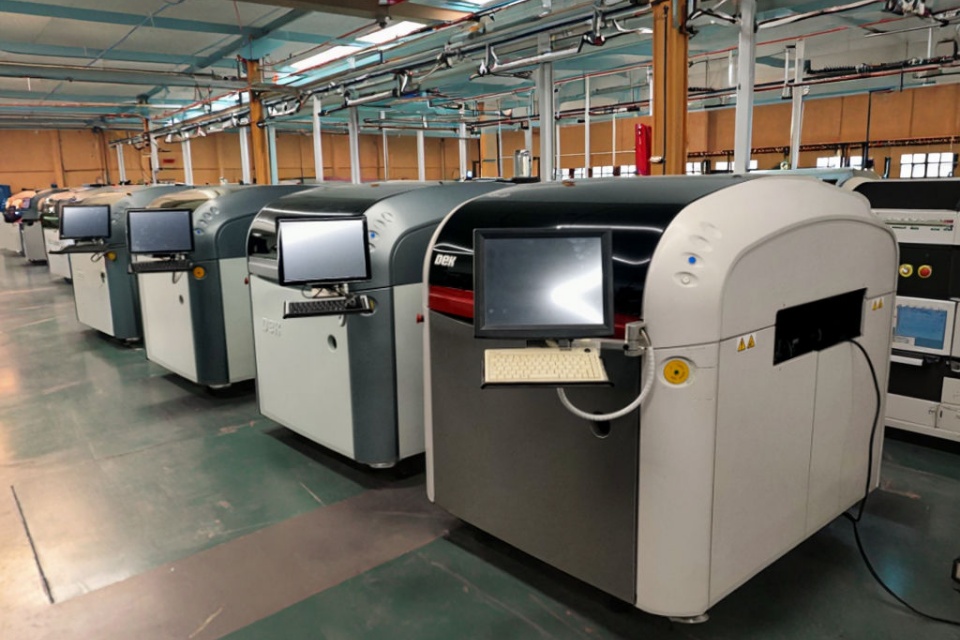
Build Polarity Control Into the SMT Line
Do not rely on silkscreen alone. Do not rely on AOI alone. And please stop using “standard rotation” as if everyone shares the same religion.
CAD tools, EMS providers, machine vendors, and component libraries do not always agree on zero-degree orientation. IPC-7351 conventions help, but real production still requires machine-specific confirmation. A 0°, 90°, 180°, or 270° mismatch is not a philosophy debate; it is a rework order waiting to happen.
If you are building a new SMT line, scaling a mixed-product factory, or trying to stop repeat polarity defects, do not start with another meeting about “being careful.” Start with the line design, inspection gates, and machine data path. Review the available SMT production solutions or contact the engineering team to discuss a verification workflow that catches polarity errors before they become field failures.