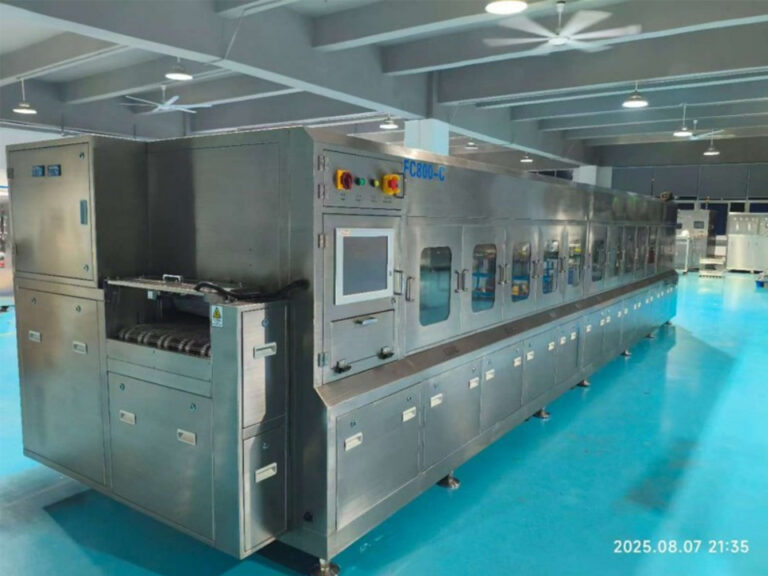
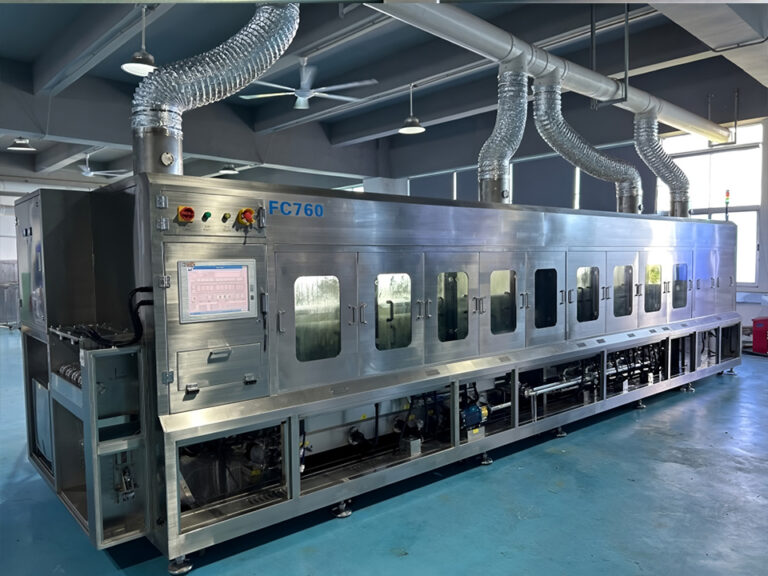
Aerospace and Defense PCB Assembly sounds clean on a quote sheet. Almost too clean. But anyone who has spent time around SMT floors, defense audits, or “urgent” component substitutions knows the phrase hides a lot of uncomfortable detail.
Here’s the ugly truth: precision gets sold in microns, but trust gets built in records. If a supplier can’t tell you which reel, which paste lot, which oven profile, which AOI file, which operator, and which rework approval touched a board, then the assembly isn’t traceable. It’s just finished. Big difference.
Why Aerospace And Defense PCB Assembly Isn’t Normal PCBA
But let’s not pretend this is the same business as building consumer electronics with nicer paperwork.
A commercial board fails, and maybe somebody eats a warranty claim. Annoying. Expensive. Manageable. A defense PCB assembly fails inside a radar unit, satellite payload, encrypted radio, flight-control subsystem, guidance assembly, or power module, and suddenly everybody wants the same thing: proof. Not a verbal explanation. Not a PDF certificate with a logo on top. Proof.
That’s where a lot of suppliers get exposed.
They can talk about tolerance. They can talk about “high reliability.” They can talk about IPC Class 3 PCB assembly until the room goes numb. But when you ask for the actual build trail — reel IDs, solder paste batch, stencil revision, placement program version, SPI data, AOI images, X-ray records, operator ID, calibration status, rework authorization — the confidence sometimes disappears.
Funny how that happens.
According to IPC, North American PCB bookings in December 2024 were up 59.6% year over year, with a book-to-bill ratio of 1.19, meaning orders were running ahead of shipments. That’s not some sleepy market datapoint. For aerospace and defense buyers, it means capacity pressure, lead-time stress, and more temptation for sloppy sourcing. IPC’s December 2024 PCB industry report
The SMT Line Tells You More Than The Sales Deck
I frankly believe buyers should spend less time admiring supplier brochures and more time asking awkward questions about feeders, nozzles, stencil cleaning, thermal profiling, and MES data capture.
A prototype shop can nurse a difficult board through one successful build. Fine. That doesn’t mean it can run a military PCB assembly program across multiple revisions, split lots, different operators, shortage substitutions, and customer audits without losing control of the process. It works. Until it doesn’t.
This is why line design matters so much. A low-volume engineering line, a high-speed production line, and a mixed-product SMT line are not interchangeable just because they all include a printer, placement machine, reflow oven, and AOI. The takt time, feeder strategy, changeover discipline, inspection depth, and data-retention requirements are different.
Buyers evaluating capacity should compare prototype and small-batch SMT line options with high-speed mass production SMT lines before assuming one equipment profile can cover every aerospace workload.
And here’s a thing people don’t say enough: bad process control doesn’t always look dramatic. No sparks. No smoking board. No obvious tombstone. Sometimes it’s a feeder slightly out of tune, a worn nozzle, paste slump after a slow changeover, a panel that bows just enough, or a reflow zone that’s “close enough” until thermal mass changes. Tiny drift. Real damage.
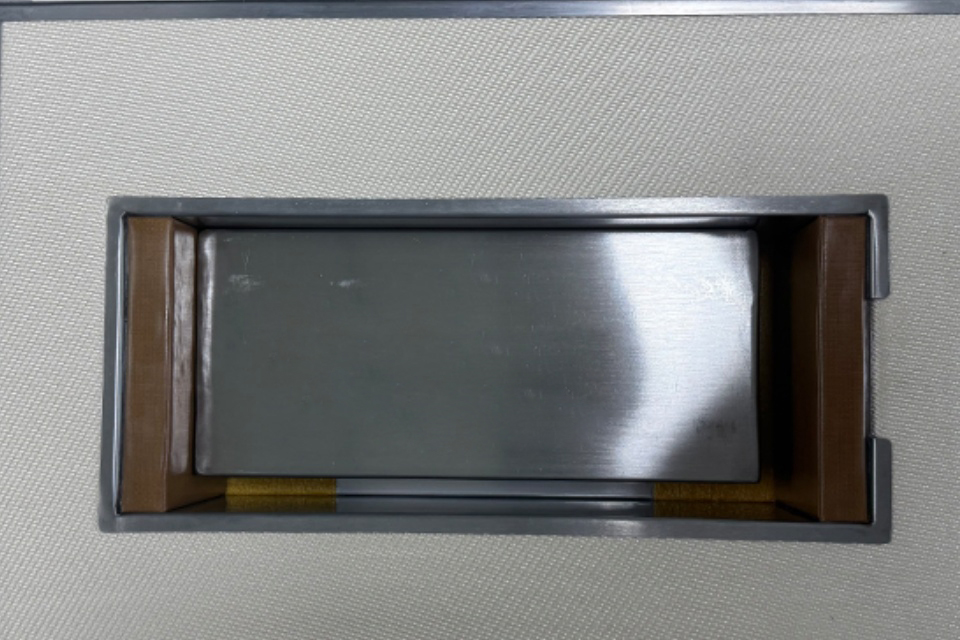
Traceable PCB Manufacturing Is The Actual Product
The board is the physical product. The traceability package is the legal and technical memory of that product.
That memory needs to be specific. PCB fabrication lot. BOM revision. Approved vendor list. Manufacturer part number. Distributor record. Date code. MSL exposure history. Solder paste alloy and lot. Stencil version. SPI results. Placement file revision. Reflow profile. AOI result. X-ray result when hidden joints are involved. Electrical test data. Cleaning or conformal coating records. NCRs. Final acceptance.
Too much? Not for this sector.
The U.S. Department of Defense made that point in a very practical way in March 2024, when it awarded $11.7 million through the Defense Production Act Investment program to expand printed circuit board assembly capacity for hypersonic weapons. PCBA capacity is no longer just a purchasing issue; it’s part of defense industrial readiness. DoD’s March 2024 PCBA capacity award
That’s why “turnkey” deserves suspicion unless it’s defined properly. A box of machines isn’t turnkey. A real line has the printer, SPI, placement platform, reflow oven, AOI, handling equipment, fixtures, maintenance plan, process documentation, and data flow working together. If those pieces don’t talk to the quality system, the line is only half-built. For that reason, turnkey SMT line solutions should be judged by integration, not by equipment count.
IPC Class 3 PCB Assembly Helps, But Don’t Worship The Label
IPC Class 3 matters. Of course it does.
But I don’t like the way some suppliers use it as a shield. “We do IPC Class 3” can mean a serious high-reliability process. It can also mean somebody knows how to say the right thing in a sales call.
The useful question isn’t only, “Can you build to IPC Class 3?” The better question is, “Can you prove how this exact assembly was built, inspected, repaired, accepted, packed, and shipped?”
That second question changes the room.
| Assembly Factor | Weak Supplier Behavior | Aerospace And Defense Expectation | Evidence Buyers Should Request |
|---|---|---|---|
| Component sourcing | Buys wherever parts are available | Uses approved, risk-screened sources | AVL, COC, manufacturer data, distributor records |
| Placement | Focuses mainly on throughput | Controls calibration, feeders, nozzles, and program revision | Feeder logs, placement records, maintenance history |
| Soldering | Relies on generic oven settings | Profiles by board design and thermal mass | Reflow profile, paste lot, oven validation |
| Inspection | Samples defects after the fact | Uses SPI, AOI, X-ray, and electrical testing | Inspection images, defect maps, test reports |
| Traceability | Tracks job at invoice level | Tracks lot, batch, serial, process, and operator | Build traveler, serialized records, final package |
| Rework | Fixes issues informally | Documents and authorizes exceptions | NCR, approval record, reinspection data |
| Compliance | Uses broad quality claims | Flows contract and customer requirements into production | IPC evidence, audit history, supplier controls |
The uncomfortable part is that IPC Class 3 can describe the acceptance condition while still leaving the buyer blind about the process history. A beautiful solder joint with a missing material record is not a beautiful risk profile. It’s a future argument.
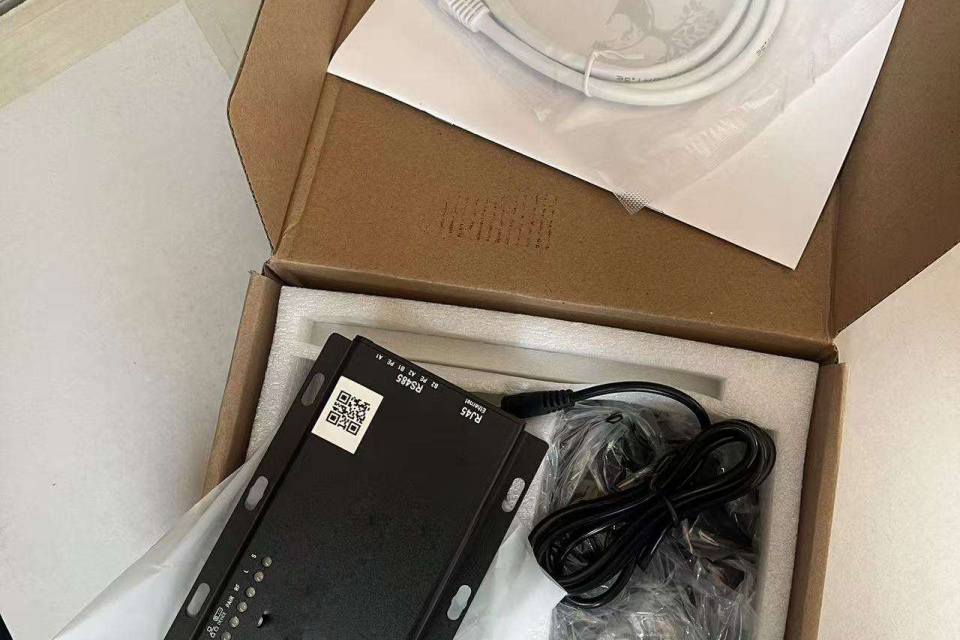
Counterfeit Parts: The Risk Nobody Wants To Own
Component sourcing gets messy fast.
Shortages hit. Obsolescence hits. A defense program needs one more production lot. The approved part is on allocation. The broker says they’ve got stock. Somebody suggests an “equivalent.” Everyone is tired. The schedule is ugly. And that’s exactly when weak systems fail.
DFARS 252.246-7007 requires covered contractors to maintain a counterfeit electronic part detection and avoidance system. It also points to risk-based tracking from the original manufacturer to government acceptance, including assemblies. Translation: counterfeit prevention isn’t a receiving-dock ritual. It’s a supply-chain architecture problem. DFARS counterfeit electronic part rule
The Government Accountability Office also reported, after reviewing fiscal years 2020 through 2024, that the Defense Department needed better integration and sharing of supply-chain data to identify foreign dependency risks. That should make every serious buyer more aggressive about sub-tier visibility, country-of-origin questions, and supplier declarations that sound a little too convenient. GAO defense industrial base report
Here’s my bias: if a supplier treats component traceability as paperwork, don’t give them defense work. Give them something else. Something less consequential.
A serious defense PCB assembly supplier controls approved sources, documents substitutions, quarantines suspect material, and forces engineering approval before alternates enter the line. A weaker one says, “Don’t worry, it’s compatible.”
Compatible with what? The schematic? The thermal envelope? The derating rules? The vibration profile? The customer contract?
Exactly.
Inspection, Reflow, And The Stuff Hidden Under The Package
AOI is useful. SPI is useful. X-ray is often non-negotiable.
But none of those tools matter if they’re treated like decoration after placement. In high-reliability PCB assembly, inspection has to be tied to the actual build record. Otherwise, it’s just a folder of images nobody can connect to a specific board when the audit starts.
Dense BGAs, bottom-terminated components, RF shields, fine-pitch QFNs, high-density interconnects, and mixed-technology assemblies don’t care about visual confidence. You can’t eyeball your way through hidden joints. You need process evidence, and you need it indexed correctly. Buyers should review the supplier’s SMT inspection system capability and ask a blunt question: can inspection data be traced to the job, revision, panel, or serial number?
Reflow is just as unforgiving.
A generic oven profile on a heavy-copper defense board is asking for trouble. Maybe the joints pass today. Maybe voiding sits under the threshold. Maybe the BGA survives test. Then the assembly sees thermal cycling, storage, vibration, or humidity, and the “good” board starts behaving like a ghost.
The right reflow oven setup is not just about brand names or zone count. It’s about profile validation, thermal mass control, lead-free process windows, maintenance discipline, and keeping records that don’t vanish after shipment.
Small things bite.
How Buyers Should Audit A Supplier Before Trusting Them
Don’t start with price. Start with evidence.
Ask for a sample build traveler. Ask how alternates are approved. Ask whether rework is capped, authorized, and re-inspected. Ask how long AOI and X-ray images are archived. Ask whether operators are trained by product family or just thrown onto whatever job is hot that week. Ask for feeder maintenance records. Ask for oven profiling history. Ask what happens when a customer requests full traceability six months after shipment.
The answers will tell you who you’re dealing with.
Training matters more than many buyers admit. Spare parts matter. After-sales support matters. A line that can’t be maintained drifts, and once it drifts, your traceability record becomes a record of bad control. For long-term aerospace PCB assembly capability, training and after-sales support shouldn’t be treated as a side package. It’s part of the risk model.
And no, the best aerospace PCB assembly services aren’t always the ones with the fanciest floor video. Sometimes the better supplier is the one with tighter work instructions, cleaner material segregation, slower but more disciplined NPI, and a quality manager who says “no” when sales wants to ship something questionable.
That person is worth money.
FAQ
What is Aerospace and Defense PCB Assembly?
Aerospace and Defense PCB Assembly is the controlled manufacturing of printed circuit board assemblies for aircraft, spacecraft, radar, communications, weapons, and military electronic systems where precision, traceability, documentation, inspection, and reliability requirements are much stricter than ordinary commercial electronics manufacturing.
In plain terms, the supplier has to prove the board’s history. Not just that it passed test. Not just that it looks clean. The evidence should include controlled BOMs, approved sourcing, inspection data, process records, and final acceptance documentation.
Why is traceability important in military PCB assembly?
Traceability in military PCB assembly is the documented link between each finished board and its component lots, material batches, process steps, operator actions, inspection results, rework history, and final acceptance record. It allows failures, counterfeit risks, substitutions, and quality escapes to be investigated quickly.
Without it, one suspect date code can turn into a much bigger containment problem. Nobody wants to quarantine a full build because the supplier can’t identify which boards used which reel.
Is IPC Class 3 PCB assembly enough for aerospace electronics?
IPC Class 3 PCB assembly is an important high-reliability baseline, but it is not enough by itself for aerospace electronics unless it is supported by traceable sourcing, controlled processes, documented inspection, disciplined rework, and customer-specific quality requirements.
Treat IPC Class 3 as the starting point, not the finish line. Aerospace programs may also require deeper documentation, coating controls, environmental testing, J-STD-001 expectations, AS9100-style discipline, and tighter customer flow-downs.
How do suppliers prevent counterfeit components in defense PCB assembly?
Suppliers prevent counterfeit components in defense PCB assembly by using approved sources, buying from authorized distributors where possible, verifying certificates, controlling obsolete parts, screening high-risk components, quarantining suspect material, documenting substitutions, and maintaining lot-level traceability.
The danger zone is shortage pressure. That’s when buyers start hearing phrases like “same spec,” “drop-in,” and “available now.” Maybe true. Maybe not. Engineering approval and traceability decide which one.
What should buyers look for in the best aerospace PCB assembly services?
Buyers should look for aerospace PCB assembly suppliers that can prove material traceability, IPC Class 3 capability, inspection depth, counterfeit-risk controls, reflow discipline, documented rework, equipment maintenance, operator training, and complete build-record retention.
A good supplier won’t act offended when you ask for evidence. They’ll have it ready, or they’ll explain exactly how it’s generated. Resistance is information.
Aerospace and Defense PCB Assembly rewards the suppliers who can prove what happened on the floor after the job ships and the memory fades. If you’re building or upgrading high-reliability SMT capability, start with traceability, inspection depth, line control, and service structure — then worry about speed. Review the available SMT production solutions or contact the team to map the right equipment strategy for traceable, high-reliability PCB assembly.