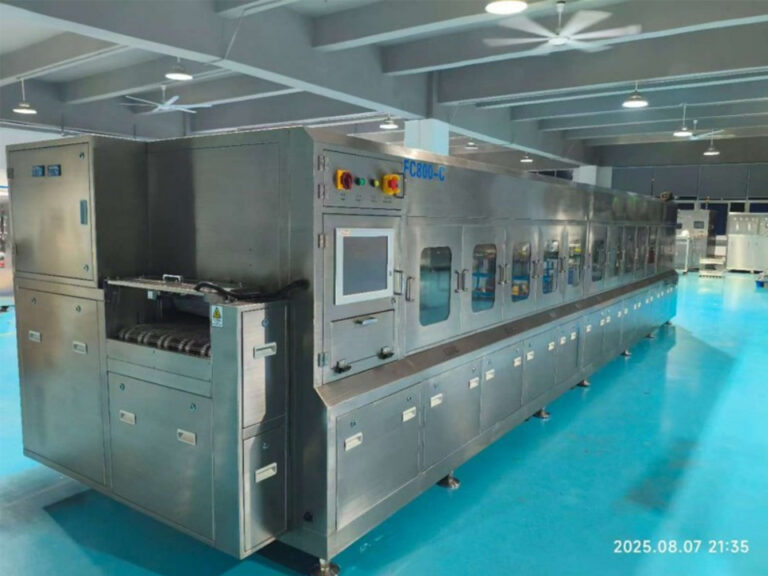
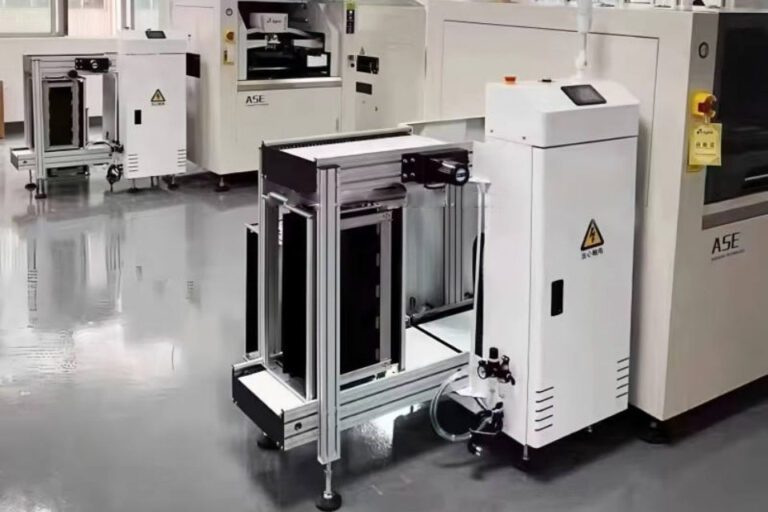
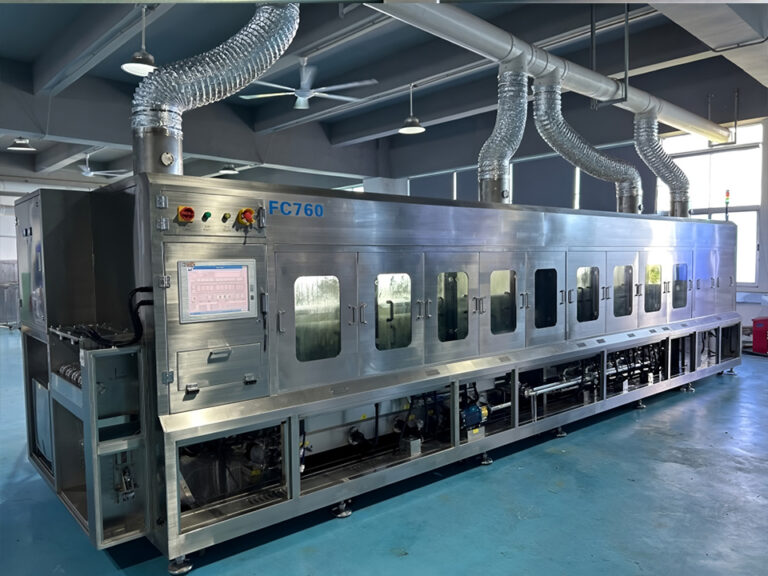
A startup PCB Assembly shop doesn’t buy a pick and place machine because automation sounds sexy on a sales deck. It buys one because the old way starts breaking: hand placement runs late, outsourced overflow eats margin, technicians get buried, and a “small batch” job somehow turns into three nights of coffee, tweezers, and silent regret.
Here’s the ugly truth: the machine isn’t the business. The process is. And if the shop doesn’t already have demand, kitting discipline, halfway decent stencil control, and somebody who can read a placement file without panicking, that expensive mounter can become a very polished bottleneck.
The Investment Thesis: Capacity Is Not the Same as Throughput
But let’s not pretend the brochure number is real life. A machine rated at 20,000 CPH may look impressive until the first week of high-mix work punches it in the mouth—feeder swaps, nozzle changes, fiducial weirdness, missing reels, bad paste deposits, operator hesitation, and that one customer who sends “final” Gerbers three times.
It happens. Often.
In my view, the real question isn’t “How fast is the machine?” It’s whether the machine converts existing demand into shippable boards at a better gross margin. That’s the bit that pays the loan, not the catalog spec.
Reuters reported in 2024 that India was preparing $4 billion to $5 billion in incentives for local electronics component production, including printed circuit boards, while electronics production in India had more than doubled to $115 billion in 2024 through supply-chain expansion and local manufacturing policy. That does not prove every SMT startup will win, but it does show why PCB capacity is becoming a strategic manufacturing issue, not just a workshop service. Reuters on electronics component incentives (reuters.com)
So yes, automation demand is real. Still, a startup shouldn’t buy a machine because the market feels hot. That’s how owners end up with shiny idle assets and nervous cash flow.
Buy against backlog. Not hope.
Case Study Assumptions: A Startup PCB Assembly Shop Before Automation
Picture the shop. Not a mega-factory, not a garage fantasy either. Two technicians. A founder quoting jobs between customer calls. Mostly prototype and small-batch PCB assembly: IoT boards, industrial controllers, LED modules, sensor boards, and the occasional ugly mixed-technology assembly that should’ve been priced higher.
The shop can ship. Barely.
Manual placement still works for some builds, especially low-count boards, but once the job mix gets denser—0402s, fine-pitch ICs, double-sided boards, repeat orders with tight delivery windows—the manual model starts leaking money. Outsourcing helps, but then the founder loses margin and schedule control. That’s not a strategy. That’s renting someone else’s capacity at the worst possible time.
The monthly baseline looks like this:
| Operating Metric | Before Pick and Place Investment | Practical Meaning |
|---|---|---|
| Monthly sellable placements | 35,000–45,000 | Manual placement limits revenue |
| Main job type | Prototype and small batch | High-mix, low-volume SMT work |
| Labor model | Two technicians plus overtime | Output depends on people, not process |
| Outsourced overflow | Frequent | Margin leaks to subcontractors |
| Rework rate | Moderate | Manual placement and paste variation hurt yield |
| Quoting confidence | Weak | Founder guesses labor hours too often |
For this kind of operation, I frankly believe the first serious step is usually a controlled prototype and small-batch SMT line, not some monster high-speed setup that only makes sense when changeovers are low and volume is predictable.
The startup needs flexibility. Feeders. Repeatable paste. Reflow stability. Basic inspection. A line that forgives normal startup chaos—but not sloppy process forever.
The Real Cost of a Pick and Place Machine ROI Model
The machine price is the headline. The feeder bill is the hangover.
First-time buyers love to budget for the mounter and forget the boring stuff: feeders, nozzles, carts, software setup, freight, compressed air, operator training, spare parts, stencil printer upgrades, reflow capacity, and the dead time while everyone learns why “just load the program” isn’t a process.
Here’s the realistic startup budget:
| Cost Item | Conservative Estimate | Why It Matters |
|---|---|---|
| Pick and place machine | $65,000–$95,000 | Core placement capability |
| Feeders, nozzles, carts | $12,000–$25,000 | Often underestimated by first-time buyers |
| Stencil printer upgrade | $8,000–$20,000 | Bad paste deposits ruin good placement |
| Reflow oven support | $10,000–$25,000 | Thermal stability affects yield |
| Freight, setup, training | $6,000–$15,000 | Startup downtime has a cost |
| Spare parts and maintenance buffer | $5,000–$12,000 | Uptime depends on small parts |
| Practical investment range | $106,000–$192,000 | Real SMT assembly investment |
From my experience, the shops that struggle most aren’t always the ones that buy the wrong machine. They buy half a system. Then they wonder why the bottleneck moved from placement to paste printing, or from printing to oven profiling, or from reflow to inspection.
The U.S. Census Bureau reported that robotics expenditure in semiconductor and other electronic component manufacturing rose from $579 million in 2020 to $1.0 billion in 2022, while total equipment expenditure increased from $14.4 billion to $30.3 billion. That wider automation trend matters because small shops face the same pressure at a smaller scale: precision, labor cost, and repeatability are becoming harder to manage manually. U.S. Census semiconductor manufacturing data (census.gov)
And no, this doesn’t mean every startup should automate tomorrow. It means the labor-versus-capex tradeoff is getting harder to ignore.
The Payback Calculation: Where the Machine Starts Earning
Here’s where the math gets less romantic.
In the modeled startup, automation lifts sellable monthly placement capacity from roughly 40,000 placements to 140,000 placements. The shop still isn’t running like a Tier 1 EMS facility. It’s not supposed to. But it now has enough controlled output to reduce outsourcing, cut manual placement hours, and quote repeat jobs with something closer to confidence.
Small difference? Not really.
| Monthly Metric | Before Automation | After Automation | Monthly Impact |
|---|---|---|---|
| Sellable placements | 40,000 | 140,000 | +100,000 |
| Average assembly revenue per 1,000 placements | $95 | $82 | Lower price, higher volume |
| Gross monthly assembly revenue | $3,800 | $11,480 | +$7,680 |
| Outsourced overflow cost | $3,200 | $500 | +$2,700 saved |
| Direct placement labor | $8,400 | $4,900 | +$3,500 saved |
| Rework and scrap loss | $1,600 | $800 | +$800 saved |
| Maintenance, consumables, finance cost | $0 | $2,700 | -$2,700 |
| Net monthly improvement | — | — | +$11,980 |
Using a practical total investment of $145,000, simple payback lands at about 12.1 months. Sounds clean. Too clean, honestly.
I’d haircut that by 30% without blinking—ramp-up, programming mistakes, feeder shortages, operator learning, one bad batch of boards, one late customer deposit, one week where the machine sits while purchasing hunts down reels that should’ve been ordered earlier. With that haircut, the adjusted monthly gain is about $8,386, and payback moves closer to 17.3 months.
Still workable.
But only if the work exists. A machine can’t place imaginary orders.
IPC reported that European EMS PCBA production shrank by 14% in 2024, with about 67% of surveyed companies reporting lower revenue. The point is not that the market is dead. The point is harsher: weak operators get punished first when demand softens, while focused shops with process control, repeat customers, and defensible delivery windows have a better chance of surviving margin pressure. IPC European EMS market survey (electronics.org)
That’s the uncomfortable part. Automation doesn’t protect a bad quote book. It amplifies whatever business discipline is already there.
Where Pick and Place Machine ROI Breaks
However, let’s talk about the wreckage. Because there’s plenty of it.
ROI breaks when founders buy speed and ignore the grubby production details: feeder counts, stencil life, paste temperature, nozzle cleaning, board support pins, dry storage, library hygiene, reflow recipes, AOI thresholds, and whether the operator actually knows what a bad fiducial read looks like before the board is half-populated.
The glamorous machine gets blamed. Usually unfairly.
| Failure Point | What Happens | Financial Impact |
|---|---|---|
| Too few feeders | Operators constantly reload parts | Setup time destroys usable CPH |
| Weak paste process | Tombstoning, bridging, inconsistent joints | Rework rises |
| No trained backup operator | One person becomes the bottleneck | Downtime risk increases |
| Poor job documentation | Repeat orders are rebuilt from memory | Labor cost stays high |
| Bad machine fit | Wrong platform for high-mix work | Payback stretches beyond 36 months |
The best pick and place machine for startups is rarely the cheapest box on the floor. It’s the machine that fits the job mix: board sizes, package range, feeder demand, software usability, service access, and operator skill. That’s why checking the pick and place machines category makes more sense than chasing one spec-sheet number.
CPH is seductive. Changeover time pays bills.
And training—don’t cheap out on it. I’ve seen shops spend six figures on equipment and then treat training like an optional accessory. That’s backwards. Good training and after-sales support can turn a painful first quarter into a controlled ramp instead of a slow-motion cash bleed.
When a Startup Should Choose a Turnkey SMT Line
Yet sometimes the correct answer isn’t “buy a mounter.” It’s “stop pretending the rest of the line is fine.”
If solder paste printing is inconsistent, reflow profiling is guesswork, PCB handling is clumsy, and inspection is just someone squinting under a lamp, a standalone placement machine may simply expose every weak link faster. A turnkey SMT line solution can cost more upfront, but it may reduce integration pain, especially for a founder without a seasoned SMT process engineer on staff.
Boring wins here. Printer alignment. Paste control. Reflow curves. Feeder setup sheets. Nozzle maintenance logs. ESD handling. Material staging. Job travelers. The stuff nobody brags about at trade shows.
That stuff saves margin.
| Condition | Better Choice |
|---|---|
| No experienced SMT process engineer | Turnkey or heavily supported line |
| Frequent prototype and pilot jobs | Flexible small-batch setup |
| Existing manual demand exceeds capacity | Pick and place investment likely justified |
| No stable incoming orders | Delay the machine purchase |
| Rework is caused by printing or reflow | Fix process before buying speed |
| Customer mix includes repeat industrial work | Automation has stronger payback potential |
A founder should track five numbers weekly: quoted placements, shipped placements, machine utilization, first-pass yield, and rework hours. Not monthly. Weekly. Monthly reviews hide too many sins.
If those numbers are ugly before automation, they’ll probably stay ugly after automation—just with more depreciation attached.
FAQ and Next Step
How do you calculate ROI for PCB assembly equipment? ROI for PCB assembly equipment is calculated by dividing annual net financial gain from automation by the total investment cost, then multiplying by 100. The gain should include added gross margin, labor savings, reduced outsourcing, lower rework, maintenance cost, financing cost, training time, and realistic ramp-up losses.
Don’t use fantasy capacity. Use sellable capacity. Also include the feeder bill, spare parts, programming time, stencil mistakes, downtime, and the first few jobs that run slower than expected because they will.
What is a good payback period for a pick and place machine? A good payback period for a pick and place machine is usually 12 to 24 months for a startup PCB assembly shop with existing demand, trained operators, enough feeders, and stable process control. Under 12 months is strong; over 36 months often signals weak volume, poor utilization, or bad machine fit.
I’d be nervous above 30 months unless the machine also unlocks a strategic customer, certification path, or higher-margin production category. Even then, prove it on paper first.
Is automated PCB assembly worth it for a startup? Automated PCB assembly is worth it for a startup when manual placement, outsourcing, delivery delays, and rework are already limiting profitable sales. It is not worth it when the founder lacks repeat customers, process discipline, working capital, or enough monthly placement demand to keep the machine productive.
That last part matters. Automation is not customer acquisition. It’s a capacity and consistency tool.
What is the best pick and place machine for startups? The best pick and place machine for startups is the model that matches real board mix, component range, feeder requirements, software usability, service availability, and operator capability. For high-mix small-batch PCB assembly, fast setup and reliable support often matter more than maximum advertised placement speed.
I’d rather buy a slightly slower machine with solid support than a faster orphan platform that sits dead for a week over a sensor, nozzle, or software issue.
Should a startup buy a full SMT line or only a placement machine? A startup should buy only the equipment that removes its current bottleneck, but if printing, reflow, inspection, and handling are also weak, a full SMT line can produce better ROI than a standalone placement machine. A fast mounter cannot compensate for unstable solder paste printing or poor thermal control.
Here’s the practical move: map monthly placements, board complexity, package sizes, feeder count, job changeover time, rework rate, labor cost, outsourcing spend, and repeat-order volume before buying anything. Then compare that model against real machine options, service coverage, and proven installations.
Review relevant customer cases before committing. Then use the contact page to pressure-test the line design, service assumptions, and startup constraints before turning a capital purchase into a production obligation.