But let’s be honest—most “high-speed SMT” conversations are cosplay, because the line doesn’t die on headline CPH, it dies in the feeder bank where tape walk, ugly splices, random no-picks, and vacuum drift turn your schedule into a negotiation with reality. It’s maddening. Every week.
I frankly believe pick and place machine component feeding mechanisms deserve the same respect people give vision systems. Not because they’re glamorous. Because they’re where your defects start and your downtime hides.
Here’s the plain definition I use: it’s the physical and procedural chain that takes a component from reel packaging to a nozzle-ready pickup point—repeatable geometry, repeatable timing, traceability you can prove when someone asks “which lot was that?”
Now the hard part. Keeping it repeatable.
Reel-to-nozzle is a chain of custody, not a transport problem
You want the soundbite? Alignment beats speed. Always.
And here’s the longer thought (the one people skip): reel-to-nozzle component feeding is a stack of tiny tolerances—pocket depth, tape pitch, cover tape peel behavior, feeder indexing repeatability, pickup Z-height, vacuum response, nozzle face condition, vision correction scatter—and any one “small” deviation can snowball until your placements look fine for ten minutes, then fall apart for the next two hours. Then you panic. Why?
I’ve seen teams blame the program when the real culprit was a reel from a different packaging line. I’ve seen the same part number arrive with a different presentation and nobody noticed until polarity started flipping in rework.
If you think that can’t happen, read vendor packaging docs. Microchip’s 2024 tape-and-reel specification explicitly ties its packaging rules to EIA-481 and EIA-468, and it even mentions legacy orientations that may not match later revisions—translation: “same” part can still show up with different physical assumptions if you’re sloppy about trace. That’s not academic. That’s downtime. Microchip tape-and-reel specifications (Apr 2024)
And tape itself isn’t a dumb plastic belt. It’s a consumable with personality (yeah, I said it). Advantek’s 2024 carrier tape sheet cites EIA-481 camber limits (not greater than 1 in 250 mm, and 2 in 250 mm for 8 mm level-wind format) and lists surface resistance ranges around 1.0E5 to 1.0E11 Ω—so your tape can be “in spec” and still behave totally differently depending on handling, humidity, and static control. It varies. A lot. Advantek carrier tape material sheet (©2024)
So don’t treat feeding as “operator magic.” Treat it like process control plus maintenance discipline. That’s why I keep pointing people to internal guardrails like SMT process quality practices and maintenance and spares planning. Boring pages. Useful pages.
SMT feeder types: what they do well, and what they hide
However… feeder types aren’t just “options.” They’re failure modes you’re choosing.
Here’s the ugly truth: most factories pick SMT feeder types the same way they pick office printers—whatever was available, whatever the OEM rep pushed, whatever the last line used. Then they act shocked when the feeder bank becomes the bottleneck.
A quick reality check, with shop-floor language:
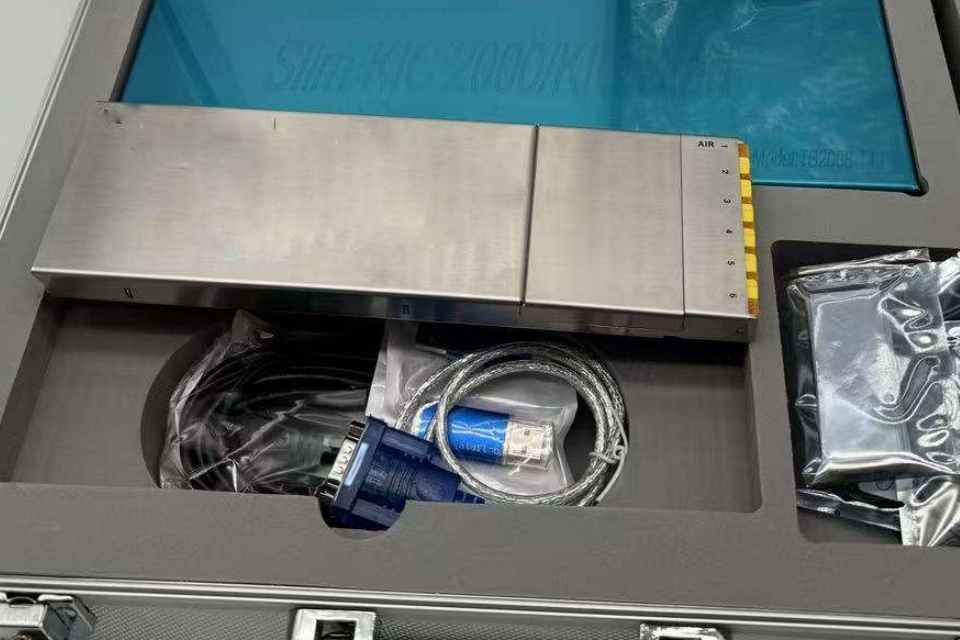
- Tape feeders (8/12/16/24 mm, etc.): the workhorse. Also the drama king. Sensitive to camber, peel force, splices, and pitch drift.
- Tray feeders: stable for larger packages, until trays warp or moisture handling gets sloppy and parts stick, slide, or mispresent.
- Stick/tube feeders: fine until one tube is slightly off and you’re clearing jams like it’s your job (because it is).
- Bulk/vibratory: looks great when it’s tuned; staying tuned is the tax.
If your team needs references that connect hardware choice to real sourcing and support, keep these in your internal “don’t guess” list: SMT feeder options and sourcing and SMT nozzle selection. They’re coupled. Pretending they aren’t is how you chase ghosts.
Setup and calibration: the quiet profit leak
Yet people still say, “Setup is just setup.” Nope. Setup is money.
From my experience, most feeder instability is changeover sloppiness wearing a lab coat—reels not kitted, splices rushed, feeder carts staged wrong, a worn feeder that “still kinda works,” calibration skipped because “we’re behind,” and then suddenly the line is “unreliable” and everyone wants to tune the program. Don’t. Fix the basics.
And yes, you can measure this stuff. Lean studies keep proving it. A 2023 SMED case study in Sustainability reported changeover time shortened by 291.4 seconds, down to 198.3 seconds after process and layout changes—different industry, same truth: staging and standard work beat heroics. Small win. Big totals. SMED changeover case study (2023)
If you want repeatable outcomes instead of relying on one “wizard tech,” you build training and support systems that survive turnover: training and after-sales support and turnkey SMT line solutions.
Common pick and place feeder problems and fixes (the stuff people dodge in meetings)
So what actually breaks first? Not the head. The handoffs.
I’ve watched a line run clean for hours, then go sideways right after a splice—no-picks jump, rejects climb, and the team starts tapping feeders like they’re trying to wake up a stubborn vending machine.
Patterns I see over and over:
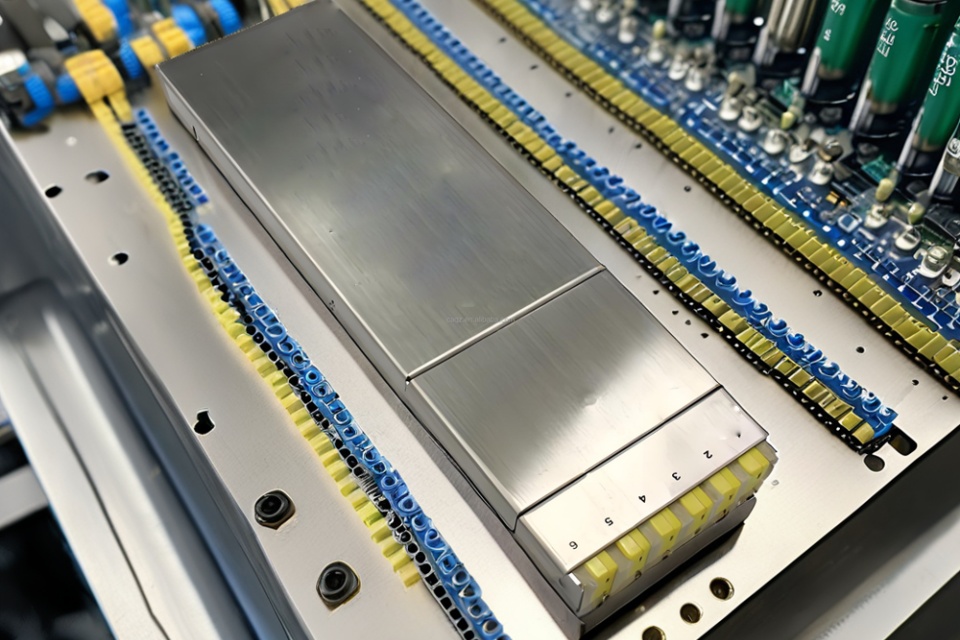
- No-pick / intermittent no-pick: peel spikes, pocket contamination, pickup Z drift, vacuum leaks, wrong nozzle ID, feeder indexing wear.
- Skewed picks / rotated parts: tape camber, pocket fit issues, weak vacuum, nozzle wear, static, sloppy pick height.
- Double-pick: pocket geometry + eager vacuum + dirty nozzle face = two parts hitchhiking.
- Indexing errors: sprocket damage, worn pawls, splice bumps, cover tape drag, “quick fixes” that add friction.
- Splice failures: bad splice tools, wrong tape, misalignment, rushed work (you can tell by looking).
Cleanliness matters, but it’s not mystical. If you clean nozzle faces or feeder contact points, you’re usually fighting oils and fluxy residue; isopropyl alcohol (C₃H₈O) behaves differently than aggressive solvents, and you can absolutely haze plastics, soften labels, or irritate sensors if you treat everything like stainless.
A quick comparison table you can actually use
| Link in the chain | What “good” looks like | What failure looks like | What you should log |
|---|---|---|---|
| Tape & reel geometry | Stable tape path, low camber; consistent peel | Tape drift, pocket mispresentation, inconsistent peel | Supplier, lot/date code, tape width, camber notes |
| Cover tape peel | Smooth peel, no tearing, no sudden jumps | Peel spikes → mispicks, part lift, feeder drag | Peel behavior by lot; splice count/location |
| Feeder indexing | Repeatable pitch; stable pickup point | Skips, double index, creeping offset | Feeder ID, maintenance date, index error rate |
| Pickup + nozzle | Clean nozzle face; correct nozzle for part | No-pick, skew, double-pick | Nozzle ID, vacuum alarms, mispick % |
| Vision centering | Stable centroid; predictable correction | High correction scatter; rejects climb | Vision offsets trend, reject reasons |
| Traceability | Lot-to-board trace exists and is searchable | “We think it’s this reel” | Reel ID, feeder slot, program revision |
If you want one adult habit: separate feeder/nozzle alarms from placement defects in your reporting. Mix them and you’ll “fix” nothing, just faster.
Counterfeit parts: the feeding problem nobody wants to own
But the nastiest feeding failures sometimes start before the machine.
Counterfeit parts and sketchy re-taping jobs show up as mechanical weirdness first: odd reels, inconsistent pockets, cover tape that peels like chewing gum, labels that don’t match, traceability that collapses the second someone asks a real question.
GAO’s May 2023 report on DOD supply chain risks points to DFARS requirements for contractor counterfeit electronic part detection and avoidance systems, including inspection/testing, quarantining, and flowing requirements down to subcontractors. Even if you’re not defense, the discipline maps cleanly to commercial SMT: validate, quarantine, trace, don’t guess. It’s basic. It’s ignored. GAO report (May 2023)
And when fraud scales, it stops being an internal NCR and becomes a courtroom. In May 2024, DOJ announced a 78-month prison sentence tied to trafficking in fraudulent and counterfeit Cisco equipment, describing tens of thousands of counterfeit/low-quality devices entering the U.S. supply chain. Different hardware category, same operating lesson: traceability fails first, then quality, then liability. Same story. Different logo. DOJ press release (May 2, 2024)
If you’re buying through brokers during tight supply cycles and your receiving process is “scan PO, move on,” you’re gambling with uptime. Period.
FAQs
What does “reel to nozzle” mean in pick and place?
“Reel to nozzle” means the full, tolerance-driven path that moves a surface-mount component from tape-and-reel packaging through feeder indexing and pickup into a vacuum nozzle that presents it to vision and placement with repeatable position, orientation, and traceability, without manual handling changing geometry. After that, the blunt takeaway is: every handoff can bite you, especially around splices.
How do pick and place feeders work?
Pick-and-place feeders work by advancing tape (or presenting trays/tubes) to a fixed pickup point, synchronizing indexing with the machine cycle so a nozzle can pick one part reliably, while sensors and calibration control pitch, height, and part presence within tight limits. In shop terms: the feeder stops parts from wandering so the head doesn’t have to guess.
What are the main SMT feeder types, and when should you use each?
The main SMT feeder types include tape feeders for most passives and small ICs, tray feeders for larger and sensitive packages, tube/stick feeders for linear-packed parts, and bulk/vibratory systems for special shapes, with each trading throughput against presentation stability, jam risk, and changeover effort. Choose based on your mix and your changeover pain, not brochure CPH.
How do you do feeder setup and calibration for pick and place?
Feeder setup and calibration means installing the correct feeder and nozzle, verifying pickup point alignment, pitch/index accuracy, pick height, and sensor behavior, then running a short validation that checks mispick rate, vision correction scatter, and rejects before full production. Don’t calibrate until it stops alarming—calibrate until the numbers stay calm across panels.
What are the most common pick and place feeder problems and fixes?
Common feeder problems include no-picks, skewed picks, double-picks, and indexing skips, usually driven by tape geometry (camber), cover tape peel instability, splice bumps, worn feeder mechanics, vacuum leaks, or wrong nozzle choice, and fixes work best when you isolate the lot/feeder/nozzle combination instead of “tuning the program.” Swap one variable at a time and log results like you mean it.
What’s the best feeder system for SMT assembly?
The best feeder system is the one that matches your product mix and changeover reality: smart feeders and disciplined carts reduce human error in high-mix runs, while stable tape feeders shine in high-volume runs when upstream packaging stays consistent and wear is managed. If your kitting discipline is weak, prioritize forgiving hardware and stronger process controls.
Conclusion
If you want a tighter reel-to-nozzle flow—less stoppage, fewer mispicks, cleaner trace logs—start by auditing your feeder bank and nozzle pool like they’re production assets, not accessories. Browse your options for SMT feeders and SMT nozzles, then reach out when you’re ready to map fixes to your actual product mix: contact our team.