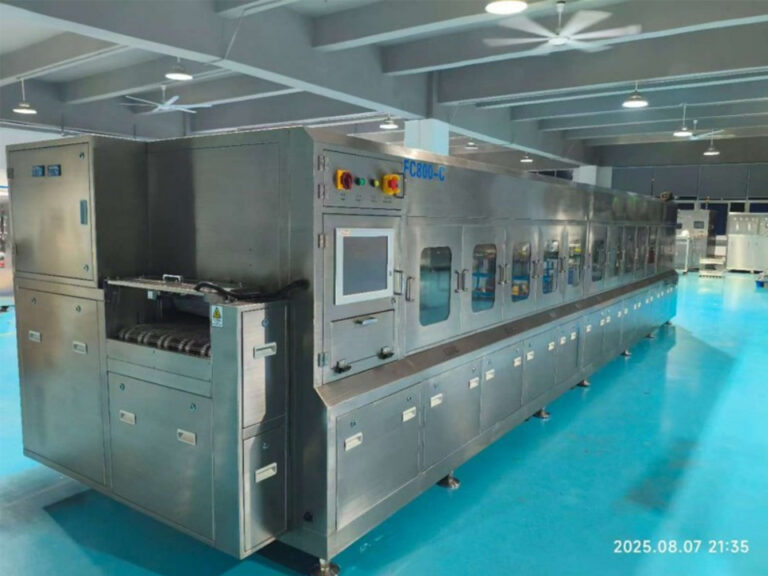
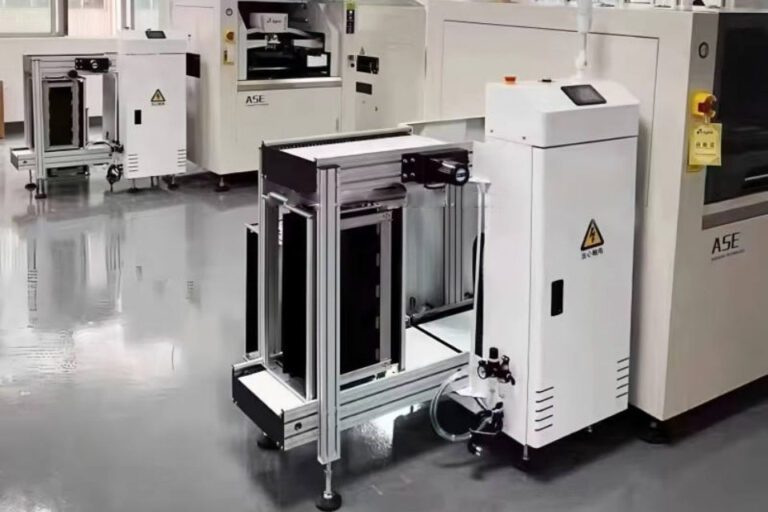
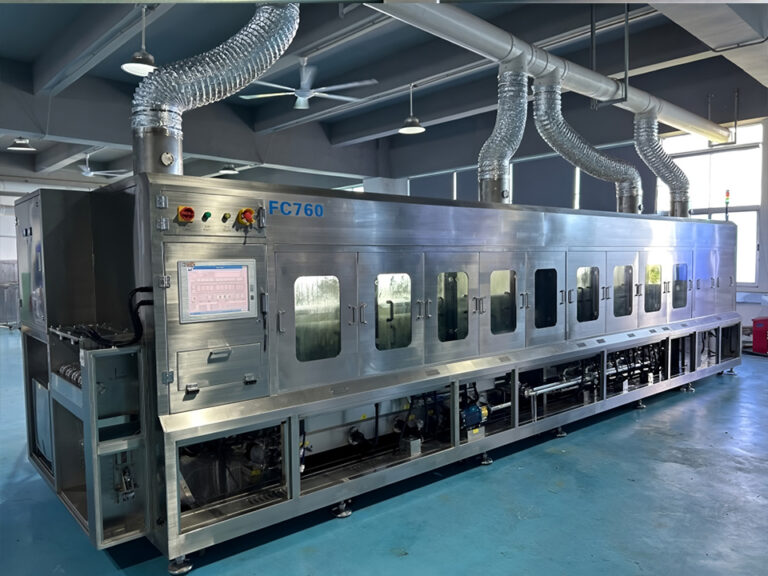
A line can look healthy from ten meters away. Green stack lights, boards moving, operators busy, supervisor calm. Then you stand beside the printer for twenty minutes and notice the truth: a reel isn’t staged, the feeder cart is parked wrong, AOI is flagging the same defect again, and someone is quietly “fixing” the process with tape, memory, and luck.
That’s why Continuous Improvement Frameworks matter. Not because factories need more jargon. They matter because assembly lines leak time in tiny, repeatable ways—and those losses rarely show up honestly unless someone builds a system that forces the floor to tell the truth.
Why Kaizen Still Matters on the Assembly Line
But Kaizen gets abused.
I’ve seen managers use the word like a charm bracelet: Kaizen event, Kaizen board, Kaizen culture. Fine. But if operators are still walking across the line for a stencil wipe, if feeder setup depends on the one guy who “just knows,” and if changeover time is measured only when visitors are in the building, the framework is mostly theater.
Here’s the ugly truth: operators usually know the line’s weak points before management does.
They know which nozzle is getting sketchy. They know which SKU causes a setup scramble. They know when the material handler is late before the ERP system does. And, from my experience, they’ve often stopped reporting half of it because nothing changes anyway.
In SMT and electronics assembly, Kaizen methodology has to touch the work itself: solder paste printing, paste exposure time, stencil cleaning, component staging, feeder loading, pick-and-place stability, AOI feedback, reflow profiling, nozzle maintenance, MSD handling, kitting, and line-side replenishment.
If you’re planning or rebuilding an SMT process, a turnkey SMT line solution can help, but only if the line discipline around it is real. A fast machine inside a sloppy process is just an expensive way to manufacture excuses faster.
The Productivity Numbers Should Make Leaders Nervous
You want the uncomfortable backdrop? Here it is.
The U.S. Bureau of Labor Statistics reported that manufacturing productivity increased only 0.3% in 2024, while manufacturing output fell 0.4% and hours worked fell 0.7%. That’s not exactly proof that all those dashboards, consultants, MES rollouts, and “lean transformation” decks are paying off. The BLS 2024 productivity release is dry, but the numbers bite.
The New York Fed’s July 2024 analysis found manufacturing labor productivity grew at an average 3.4% per year from 1987 to 2007, then measured -0.5% from 2010 to 2022. Negative growth. After automation, barcode systems, sensors, and every meeting where someone said “digital thread” with a straight face. The New York Fed manufacturing productivity analysis strips away the optimism.
Still, I don’t buy the lazy argument that lean is dead.
A 2024 NIST MEP case involving Island Components Group showed output moving from 75 to 120 units daily, while WIP dropped from 717 to 156 pieces after Toyota Production System concepts, kanban, one-piece flow, bottleneck management, and standard work were applied. That’s what a serious NIST lean implementation case looks like: more throughput, less trapped inventory, fewer excuses hiding between stations.
But don’t turn Toyota into a religion. Reuters reported in May 2024 that Toyota halted production for 19 total days at its Tijuana plant in February and March after supplier labor shortages disrupted output. The same Reuters Toyota production halt report pointed to skills erosion, turnover, equipment problems, and supplier instability.
So yes, continuous improvement in manufacturing works. Until labor, suppliers, maintenance, training, and planning rot around it.

Where Kaizen Gets Messy in SMT Production
Ever watched a “stable” SMT line during a rushed changeover? It’s educational in the worst way.
One person is looking for the right feeder. Someone else is checking a setup sheet that hasn’t been updated since the last ECO. A reel is staged but not verified. Paste control is “handled,” which sometimes means one person knows the rule and everyone else knows the person. AOI is catching defects, sure, but the feedback is crawling upstream too slowly to save the current run.
That’s not usually a people problem. It’s a system problem with human beings absorbing the shock.
For prototype and small-batch lines, the battle is speed of learning. You don’t have the luxury of a long run to stabilize the process. First-article checks, setup verification, stencil condition, recipe control, and clear documentation matter because a short batch can be half ruined before the team admits the setup was weak.
For high-speed mass production lines, the pain shifts. Now you’re chasing micro-stops, feeder reliability, placement repeatability, nozzle condition, AOI repeat calls, solder paste consistency, and maintenance response time. Rated CPH is nice on a spec sheet. Actual good boards per hour pays the bills.
And mixed SMT lines are where weak standards get exposed fast. Flexibility sounds great in sales language, but on the floor it means product-family logic, staged materials, stable carts, documented setups, disciplined changeovers, and no mystery heroics from the one operator who somehow keeps the whole thing alive.

The Framework Stack That Actually Works
Kaizen alone won’t save you.
That’s not an insult. It’s just how factories behave. Kaizen finds daily waste, but PDCA tests whether the countermeasure works. SMED attacks changeover drag. Kanban controls replenishment and WIP. Jidoka stops defects before they become traveling disasters. OEE exposes equipment losses—unless someone averages the number into mush.
| Framework | Best Use on Assembly Lines | What to Measure | Common Failure Mode |
|---|---|---|---|
| Kaizen methodology | Daily waste removal at station level | Lost minutes, motion, waiting, defect triggers | Managers demand big wins and ignore small losses |
| PDCA | Testing countermeasures safely | Before/after cycle time, FPY, downtime | Teams skip the “check” phase |
| 5S | Reducing search time and setup disorder | Tool search time, missing items, setup variation | It becomes cleaning instead of flow control |
| SMED | Reducing changeover time | Internal vs. external setup time | Engineering refuses to redesign setup work |
| Kanban | Controlling WIP and replenishment | Bin turns, stockouts, replenishment lead time | Purchasing treats it like a label system |
| Jidoka | Stopping defects before they spread | Stop events, defect source, escape rate | Supervisors punish operators for stopping the line |
| OEE | Exposing equipment losses | Availability, performance, quality | Averages hide the real constraint |
| Value Stream Mapping | Seeing end-to-end waste | Lead time, process time, inventory queues | The map is made once and then forgotten |
The best continuous improvement frameworks for manufacturing don’t compete. They stack.
I don’t trust improvement meetings where everyone nods in sequence. Give me the messy one. Maintenance pushes back. Quality brings defect photos. The operator says the work instruction is fiction. Planning admits the schedule creates half the instability.
That meeting has a pulse.
A better pick-and-place machine platform can improve placement speed, accuracy, and repeatability. But it won’t fix weak kitting, lazy downtime codes, bad feeder discipline, poor nozzle inspection, or a culture where nobody wants to stop the line because the supervisor hates bad news.
How to Implement Kaizen Without Creating Lean Theater
Start smaller than your ego wants.
Pick one constraint. One line, one product family, one ugly process step. Not a “transformation roadmap.” Not a wall-size value stream map that dies after the workshop. One constraint where lost time, defects, WIP, or changeover drag can be measured without philosophical debate.
Measure actual cycle time. Don’t use quoted time. Don’t use ERP fantasy time. Use the ugly average across shifts, including the stops people usually explain away.
A practical Kaizen sequence looks like this:
- Choose the constraint station or process step.
- Capture baseline data: cycle time, WIP, defects, downtime, changeover time.
- Observe the work directly across more than one shift.
- Ask operators what they fix silently every day.
- Select one small countermeasure.
- Test it under normal production pressure.
- Compare before-and-after data.
- Update standard work within 24 hours.
- Train every shift, not only the best shift.
- Audit the change after 7, 30, and 90 days.
That 90-day audit? Brutal.
If the fix only works when the senior engineer is hovering, it’s not a system. If night shift can’t repeat it, it’s not standard work. If the documentation says one thing and the operator does another because “that’s how it actually runs,” then you haven’t standardized anything. You’ve created factory folklore.
This is where training and after-sales support becomes more than a nice line in a supplier brochure. In SMT production, weak training shows up everywhere: feeder setup, nozzle inspection, stencil handling, AOI interpretation, reflow profiling, preventive maintenance, recovery after stoppages, and escalation discipline.
Metrics That Separate Real Gains From Management Fiction
Some metrics are useful. Some are cosmetics.
OEE can help, but only if you refuse to sand off the sharp edges. Average OEE across a messy line can hide the actual constraint. Output can rise while WIP bloats. Labor productivity can look better because operators are pushing defects downstream. First-pass yield can improve while customer escapes quietly get worse because inspection logic changed.
For assembly line process improvement, I’d track first-pass yield, changeover time, unplanned downtime, queue time, rework hours, line balance loss, material stockouts, WIP, feeder-related stoppages, maintenance response time, schedule adherence, and defect recurrence by station.
For SMT specifically, I’d add solder paste age, stencil cleaning frequency, placement reject patterns, nozzle replacement intervals, feeder calibration history, reflow profile drift, AOI false-call rate, MSD exposure time, and component replenishment timing.
NIST’s FY2023 MEP impact summary reported $2.9 billion in cost savings, $16.2 billion in new and retained sales, $4.8 billion in new client investments, and more than 107,100 jobs created or retained through work with manufacturers. The NIST MEP FY2023 impact summary matters because it ties improvement work to business outcomes instead of “we cleaned the area and felt aligned.”
Smaller cases often feel more useful, though. Luckey Farmers reported $10,000 in cost savings, $100,000 in new investment, and 4 jobs created or retained after lean manufacturing training focused on workflow, SMED, and 5S. That NIST lean training case is not flashy. Good. Flashy numbers often deserve suspicion.
FAQs
What is a continuous improvement framework in manufacturing?
A continuous improvement framework in manufacturing is a structured operating system for identifying waste, measuring performance gaps, testing process changes, standardizing better methods, and repeating the cycle so operators, engineers, quality teams, maintenance, and managers improve the same production flow using shared facts rather than opinions.
The useful part isn’t the terminology. It’s the discipline. A good framework turns “the line feels slow” into “Station 4 loses 38 minutes per shift because feeder replenishment is late.”
How does Kaizen work for assembly lines?
Kaizen for assembly lines works by using small, frequent, measurable improvements to reduce waste, stabilize work, improve flow, and prevent defects at the station level before those issues spread downstream into rework, excess WIP, missed takt time, late delivery, or customer quality problems.
Watch the operator’s hands. Watch the walking. Watch the waiting. The handwritten labels, extra bins, tape marks, unofficial checklists, and “don’t use that feeder” comments usually reveal the real process faster than the official work instruction.
What are the best continuous improvement frameworks for manufacturing?
The best continuous improvement frameworks for manufacturing are Kaizen, PDCA, SMED, 5S, kanban, jidoka, OEE, and value stream mapping because together they address waste removal, controlled experimentation, setup reduction, workplace order, material replenishment, defect containment, equipment losses, and end-to-end production flow.
Use them as a stack, not a buzzword collection. Kaizen finds waste. PDCA tests the fix. SMED reduces changeover drag. Kanban controls WIP. Jidoka protects quality. OEE shows where machine performance is lying to you.
How do you implement Kaizen on assembly lines?
To implement Kaizen on assembly lines, select one constraint, collect baseline data, involve operators directly, test one small countermeasure, verify the result, update standard work, train every shift, and audit the change after enough production cycles to prove it survives real factory pressure.
Skip the ceremony. Start with downtime, WIP, FPY, changeover time, escape defects, walking distance, feeder stops, material shortages, and rework loops.
Why do Kaizen programs fail?
Kaizen programs fail when management treats improvement as a workshop instead of a daily discipline, ignores operator knowledge, hides bad data, skips standard work updates, rewards output while tolerating defects, or refuses to fix upstream causes such as materials, maintenance, layout, training, and supplier instability.
Here’s the uncomfortable part: Kaizen makes problems visible. Some organizations say they want visibility until the problem has a manager’s name attached to it.
Build the Improvement Loop Before You Buy More Capacity
Buying another machine feels decisive. Sometimes it is.
But if your SMT line is losing time through messy changeovers, feeder instability, weak kitting, late material staging, slow inspection feedback, rework loops, or poor maintenance routines, more capacity may only give the waste a bigger stage.
Fix the loop first. Map the constraint. Measure the loss. Test one countermeasure. Standardize the better method. Train every shift. Audit it after the excitement fades. Then move to the next constraint.
For equipment planning, line design, process review, or support around SMT assembly, start with the broader SMT line solutions page or contact the team to map the next measurable improvement.