I’ve watched smart teams blow €500k+ on a pick and place machine and still miss shipments.
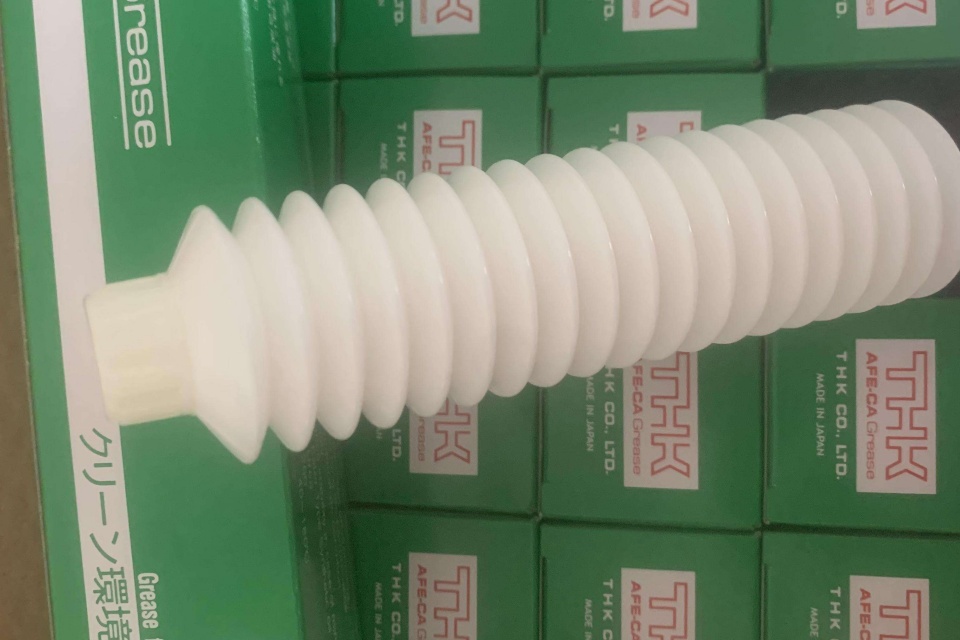
It’s not because they bought “the wrong brand.” It’s because they bought the wrong system—software stack, feeder ecosystem, service coverage, spare parts politics, and the boring stuff nobody brags about on factory tours (yes, that includes grease schedules and nozzle life).
Now the awkward bit. “Siemens SIPLACE” is a name people still say in meetings, but Siemens hasn’t been the owner of that placement business for a long time—ASMPT acquired Siemens’ Electronics Assembly System business back in 2011. That history still matters today because it affects installed-base support, legacy contracts, and what your purchasing team thinks they’re buying versus what your maintenance team actually has to keep alive. (ASMPT)
So what’s the real search intent behind “enterprise pick and place machine”? You’re not looking for a definition. You’re looking for a shortlist you can defend to a CFO, a quality manager, and a line lead who’s sick of changeovers that eat half the shift. Fair.
The enterprise buying reality people don’t say out loud
Short version: enterprise SMT pick-and-place is a risk management purchase.
Long version (and this is where deals get messy): your ROI isn’t “CPH ÷ price.” It’s OEE, feeder availability, software integration, and how fast you can recover from a bad week—mis-picks, vision drift, feeder failures, reel shortages, or a new product that shows up with 0201 + odd-form + a deadline from hell.
And the macro cycle bites, too. When downstream demand softens (especially automotive/industrial), capital spending pauses, then resumes in bursts. Reuters flagged that kind of softness in 2024 when STMicroelectronics cut its full-year outlook—one signal (not the only one) that electronics demand swings can whiplash factory capex planning. (Reuters)
Want a blunt KPI? ASMPT’s own 2023 annual results note SMT held up better than their semiconductor equipment segment, and they explicitly pointed to continued demand from automotive/industrial end-markets—while SMT still declined (they cited a 10.0% SMT decline vs 37.0% for SEMI). That’s the kind of “enterprise demand is resilient… until it isn’t” pattern you plan around. (ASMPT)
Three words: plan for downtime.
Because the “industrial pick and place machine price” you negotiate isn’t the real price. The real price shows up later—in feeders, spares, software licenses, service travel, training, and the cost of your line being down while you wait for a part that’s “two weeks out” (which magically becomes six).
ASM SIPLACE vs “Siemens SIPLACE”: what you’re actually evaluating
Let’s stop pretending it’s a brand beauty contest.
What you’re really evaluating is:
- Placement platform maturity (vision centering stability, placement repeatability, calibration workflow)
- Feeder ecosystem (availability, cost, compatibility, how painful changeovers are)
- Line software + data (MES hooks, traceability, recipe control, library management)
- Service network reality (response time, spare parts logistics, escalation paths)
- Integration tolerance (mixed vendor lines, Hermes/SMEMA handshakes, IPC-CFX data flow)
And yes, enterprise buyers still use “Siemens SIPLACE” as shorthand for a legacy installed base. But if you’re buying new, you’re in ASMPT territory—so treat it like ASMPT: commercial terms, spares strategy, and support model.
If you want a practical view of what “enterprise support” should look like (not just promised), compare it against your own supplier requirements and a real service SLA like a service promise for enterprise SMT customers.
Top-tier brands: why they win (and how they lose)
I’ll say something unpopular: most “top-tier” machines place parts fine. The difference is what happens on Tuesday at 2:17 a.m. when the line lead calls maintenance.
Here’s how top-tier brands usually separate:
- ASMPT SIPLACE: strong in high-volume environments where the platform, software, and service infrastructure are treated like a long-term operating model. If you’re pushing automotive/industrial traceability demands, that ecosystem matters.
- Fuji (NXT family): widely respected for modular concepts and high-throughput lines, especially where line balancing and scalability are non-negotiable.
- Panasonic (NPM family): common in serious EMS and OEM environments; the appeal is often the broader line concept plus integration discipline.
- Yamaha (YRM / YSM families): strong reputation in high-speed SMT pick and place machine deployments, especially when you need reliable throughput and predictable operations.
- Hanwha (Decan series): frequently short-listed when buyers want speed with a tighter cost story—but enterprise support expectations must be verified, not assumed.
- JUKI (RS/FX families): often wins where flexibility, reliability, and footprint fit the factory’s mix strategy.
So what’s the hard truth? If you can’t staff your line properly, a premium platform doesn’t rescue you. According to an IPC sentiment snapshot from 2024, many electronics manufacturers reported rising costs (labor and materials). That pressure pushes buyers toward automation—and then they underfund training and integration. It’s a classic self-own. (IPC 邮件)
And no, “we’ll learn it on the fly” isn’t a plan.
If you need a clean operational map (prototype → mixed line → mass production), build your spec around your factory reality first, then shop machines. Start with what your line actually is:
- turnkey SMT line solutions for enterprise rollout
- high-speed mass production line configurations
- training and after-sales support that keeps OEE from collapsing

A table I’d put in front of a buying committee
| Brand tier focus | What buyers think they’re buying | What they’re actually buying | Where projects go wrong | The question that exposes the truth |
|---|---|---|---|---|
| Enterprise flagship (ASM SIPLACE / similar) | “Best pick and place machine for high-volume production” | A platform + software + service contract + feeder ecosystem | Underestimating feeder/spares budget; weak MES integration; zero training plan | “Show me 12-month spare parts lead-time history and local response SLA.” |
| Modular high-volume (Fuji NXT-class) | “Scalable throughput” | Line balancing discipline + library governance + changeover engineering | Nobody owns program governance; NPI chaos; feeder kitting delays | “Who owns the BOM-to-program workflow and feeder kitting standard?” |
| Broad OEM line strategies (Panasonic NPM-class) | “One vendor, fewer headaches” | Integration architecture (loaders, printers, SPI/AOI, traceability) | Mixed-vendor reality still shows up; handshakes fail; data stays siloed | “Which open standards do you support end-to-end (Hermes/CFX), and who certifies it?” |
| High-speed value (Yamaha/Hanwha-class) | “Industrial pick and place machine price wins” | Throughput per euro—if service and spares are real | Service gaps; parts logistics; training skipped | “What’s the cost and availability of feeders/nozzles over 24 months?” |
| Flex + reliability (JUKI-class) | “Good enough + dependable” | Operational stability in high-mix / stable volume | Overreaching on speed targets; weak line balancing | “What’s the real changeover time with our product mix and feeder carts?” |
That last column is the whole game. If the seller can’t answer those questions with real data (not vibes), you’re buying a brochure.
Pricing: what “industrial pick and place machine price” usually hides
Here’s the ugly truth: sticker price is bait.
I’ve seen enterprise quotes where the placement machine looks “reasonable,” and then the feeder package, vision options, software modules, install, and training quietly stack into a second invoice that makes the CFO stare at the wall for a full minute. No joke.
So I ask buyers to budget in layers:
- Machine + placement heads/options
- Feeder bank + carts + spares strategy (this is where wallets go to die)
- Software + integration (MES hooks, traceability, recipe governance)
- Training + support (or you’ll pay in downtime instead)
If your team wants a reality check, grab vendor documentation and compare it across platforms. Keep it boring. Keep it factual. Use a consolidated spec set like a downloadable equipment catalog and force apples-to-apples.
Also: insist on proof. Actual deployments beat slide decks every time. Read real customer cases from production lines and look for the unglamorous details—changeovers, feeders, service response, and how fast they got stable yield.
The “ASM vs Siemens pick and place comparison” buyers still get wrong
People frame it as “ASM vs Siemens.” That’s a legacy framing.
Today, the comparison is more like:
- ASMPT SIPLACE platform + its enterprise ecosystem vs
- other top-tier ecosystems (Fuji, Panasonic, Yamaha, Hanwha, JUKI) matched to your volume/mix, integration, and service reality.
And if you’re running an older installed base that still gets called “Siemens SIPLACE,” treat it like a lifecycle program: spares, calibration discipline, and modernization planning—not just “keep it running.”
Three words: governance beats hardware.

FAQs (AEO-ready)
Q1: What is an enterprise pick and place machine? An enterprise pick and place machine is a high-throughput SMT placement system designed for continuous production, strict quality control, and long lifecycle support—typically built around robust feeder ecosystems, advanced vision calibration, traceability-ready software, and service infrastructure that keeps uptime high across multi-shift factories. After that baseline, the differences come from integration, spares, and changeover engineering.
Q2: What does “Siemens SIPLACE pick and place” mean today? “Siemens SIPLACE pick and place” usually refers to a legacy naming habit for SIPLACE placement platforms that many factories still run, even though ownership and product direction moved years ago—so buyers must separate installed-base terminology from current supplier contracts, spares channels, and platform roadmaps. In practice, you’re evaluating support continuity as much as machine capability.
Q3: ASM SIPLACE pick and place vs other brands—what should I compare first? The best first comparison is the operating system around the machine—feeders, spares availability, software governance, and local service response—because those items drive OEE, changeover time, and recovery speed when problems hit, which is what enterprise lines actually pay for. Then compare placement heads, vision, and throughput.
Q4: What is a realistic industrial pick and place machine price range for enterprise lines? A realistic industrial pick and place machine price range for enterprise lines typically spans from mid–six figures per placement module to seven figures for fully optioned configurations and multi-machine line builds, because the true cost includes feeders, software, install, training, and spares—not just the base machine. The only “accurate” number is the fully-loaded quote with your feeder count and service plan.
Q5: Which pick and place machine brand is best for enterprise SMT lines? The best pick and place machine brand for enterprise SMT lines is the one whose ecosystem matches your production reality—your mix/volume, changeover frequency, traceability requirements, service coverage, and feeder strategy—because enterprise success depends on uptime and governance more than brand prestige. If you can’t staff training and integration, “best brand” won’t save you.
Q6: What makes a high-speed SMT pick and place machine succeed in high-volume production? A high-speed SMT pick and place machine succeeds in high-volume production when it maintains stable accuracy under real feeder load, supports fast recovery from stoppages, and fits a disciplined line-balancing and kitting process—because your throughput collapses when feeders, programs, or service response become the bottleneck. Speed specs matter, but only after stability.
Conclusion
If you’re building an enterprise shortlist, I’ll be blunt: don’t start with brand love. Start with your line model, your feeder strategy, and your support plan.
If you want a vendor-neutral buying path (prototype → mixed line → mass production) and a spec you can defend internally, use our turnkey SMT line solutions as the baseline—and then talk to a human who’s seen real installs go sideways.
Reach us here: contact our SMT team.