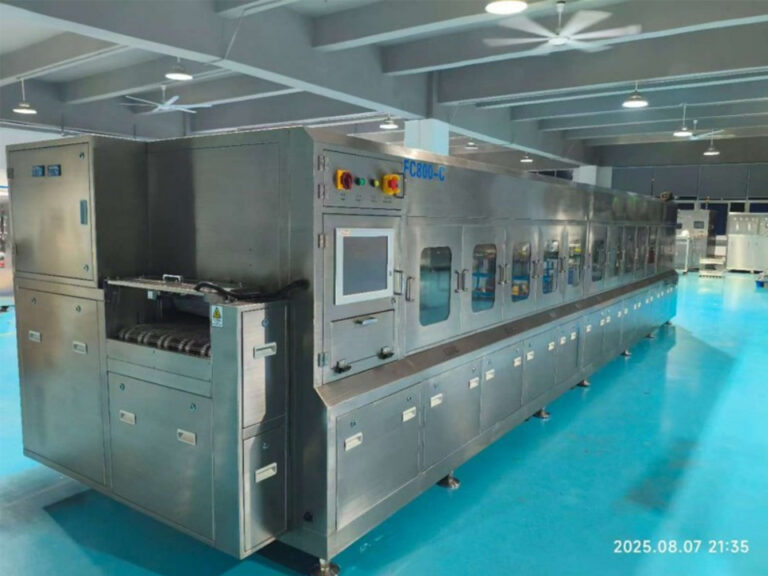
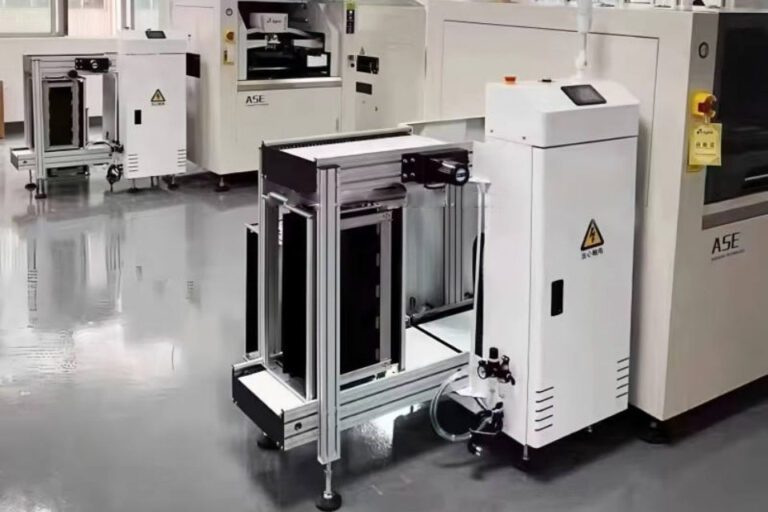
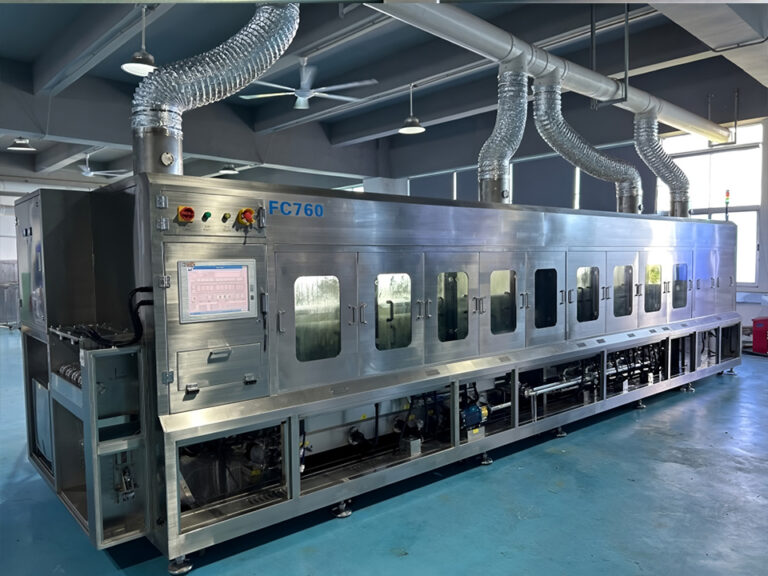
Compliance is physical.
A medical device company can have beautiful SOPs, polished supplier scorecards, and a quality manual that reads like scripture. But if it cannot prove feeder setup, reel traceability, nozzle condition, solder paste control, inspection history, operator training, and change approval at the exact moment a board was built, then I do not see a compliant factory. I see a future recall with better lighting.
Too blunt?
Good.
Medical Device Assembly is where regulatory theory hits metal, solder, plastic, adhesives, sensors, connectors, and pick and place machines. The machine does not care whether it is building a glucose monitor, ECG patch, infusion pump controller, diagnostic reader, or surgical module. It only follows the program, the feeder map, and the setup discipline around it.
That is where companies get hurt.
FDA issued its final rule in February 2024 amending 21 CFR Part 820 and aligning U.S. medical device quality system requirements more closely with ISO 13485:2016. The revised Quality Management System Regulation takes effect on February 2, 2026, which means risk-based process control is no longer a side conversation. It is the main event. (Federal Register)
And the complaint signal is massive. FDA says it receives more than two million medical device reports every year through MDR/MAUDE, covering suspected device-related deaths, serious injuries, and malfunctions. (FDA MDR Data Files)
That is the backdrop. Now let’s talk about the floor.
Medical Device Assembly Is Not Normal Electronics Assembly
Medical device electronics may use the same SMT language as consumer electronics: solder paste, stencil, feeder, placement head, AOI, SPI, X-ray, reflow profile, ICT, conformal coating, and final test.
But the consequences are different.
A misplaced component in a consumer product may become a warranty claim. A misplaced component in a regulated device may become a reportable malfunction, field correction, recall, warning letter, or lawsuit.
That is why Medical Device Assembly Regulatory Requirements must be built into the production method, not stapled on after launch. The approved BOM, centroid data, placement program, supplier status, inspection limits, and test records all need to match the Device Master Record and production controls.
For early builds, companies often move too fast. I have seen prototype teams treat placement data like temporary engineering clutter, while regulatory teams later need that same data as evidence. A controlled prototype and small-batch assembly line reduces that chaos before it becomes design-transfer debt.
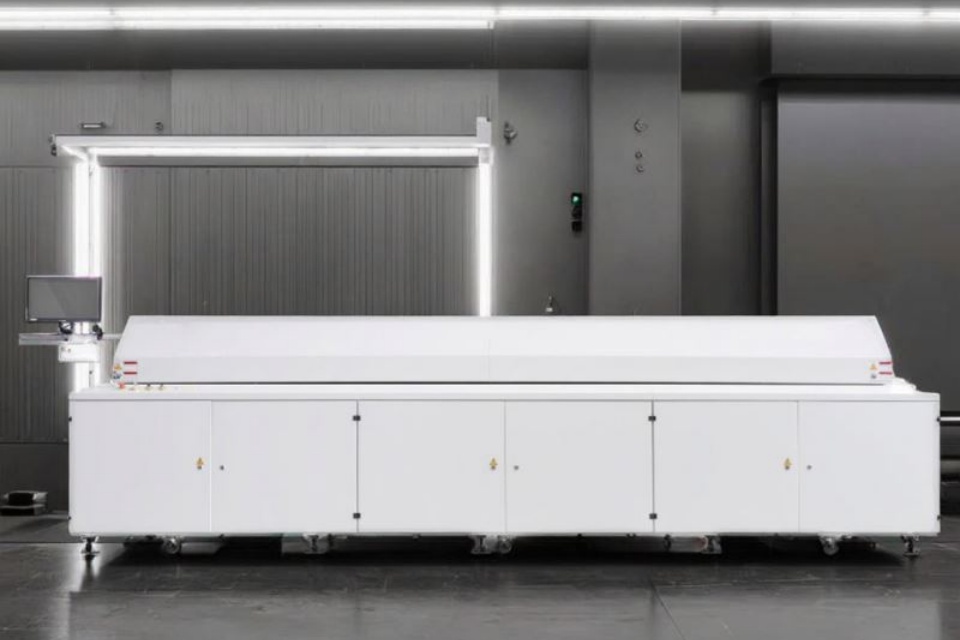
The Pick And Place Risk Nobody Likes To Discuss
Pick and place machines are obedient.
That is the danger.
They do not know whether the wrong reel was loaded. They do not know whether a feeder is worn. They do not know whether a nozzle is sticking. They do not know whether a substitute component needs regulatory review.
The process only knows if you force it to know.
For Pick and Place Medical Devices, the core controls should include:
- Verified feeder setup
- Locked placement programs
- Component lot traceability
- Nozzle inspection and maintenance
- First-article inspection
- SPI, AOI, and X-ray where justified
- Reflow profile control
- Nonconformance and rework records
- Operator training by task and revision
- Change approval before production release
A high-speed máquina pick and place can place parts with impressive repeatability. But repeatability without proof is just a faster way to manufacture the same defect.
FDA Medical Device Assembly Requirements In Plain Terms
FDA does not expect perfection. It expects control.
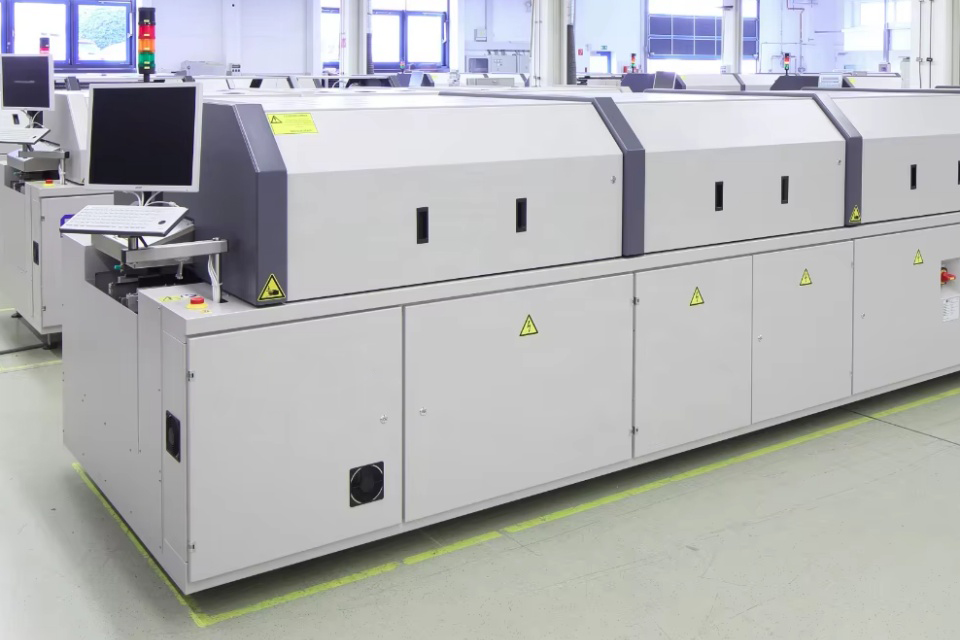
Under the QMSR direction, medical device manufacturers need a quality system that controls production, validates processes where needed, manages suppliers, documents device history, investigates defects, and closes CAPA with evidence. FDA’s own QMSR FAQ makes clear that the revised rule is intended to align Part 820 with ISO 13485:2016 while preserving FDA authority. (FDA QMSR FAQ)
For Medical Device Compliance, the weak spots are usually predictable.
| Assembly Area | What Should Exist | What Fails In Weak Factories |
|---|---|---|
| Design transfer | Approved BOM, Gerbers, centroid data, test plan, process flow | Informal files passed from engineering to production |
| Recogida y colocación | Verified reels, feeders, nozzles, program revision | Operator memory and loose setup sheets |
| Process validation | IQ/OQ/PQ or justified validation approach | “We built ten boards and they worked” |
| Trazabilidad | Component lot, operator, machine, inspection, test history | Partial reel tracking and manual gaps |
| Inspección | SPI, AOI, X-ray, defined acceptance criteria | Inspection used as sorting, not control |
| Change control | Approved review of part, supplier, stencil, profile, program changes | “Equivalent part” with no documented review |
| CAPA | Root cause, correction, effectiveness check | Rework logs with vague explanations |
The hard truth: many assembly failures are not caused by missing regulations. They are caused by companies treating production records as paperwork instead of patient-risk evidence.
What 2024 Enforcement Already Proved
The Philips Respironics consent decree is the case every device executive should remember. In April 2024, FDA announced a federal court consent decree after a recall involving ventilators, CPAP, and BiPAP machines. FDA said the recall affected 15 million devices worldwide and restricted certain production and sales until defined requirements were met. (FDA Philips Consent Decree)
The Department of Justice described the order as stopping Philips Respironics from manufacturing most sleep and respiratory devices at three Pennsylvania facilities until safety and compliance measures were addressed. (DOJ)
Different issue, same lesson: regulators do not just ask whether the product works. They ask whether the company controlled the system that made the product.
The Abiomed Impella recall tells the same story from another angle. Reuters reported that FDA classified the recall of Abiomed’s Impella Left Sided Blood Pumps as the most serious type, affecting 66,390 devices, with 129 serious injuries and 49 deaths reported in connection with the issue. (Reuters)
The public does not separate design, assembly, labeling, supplier quality, and service history. The headline says “medical device recall.” The brand owns all of it.
What A Controlled Pick And Place Process Looks Like
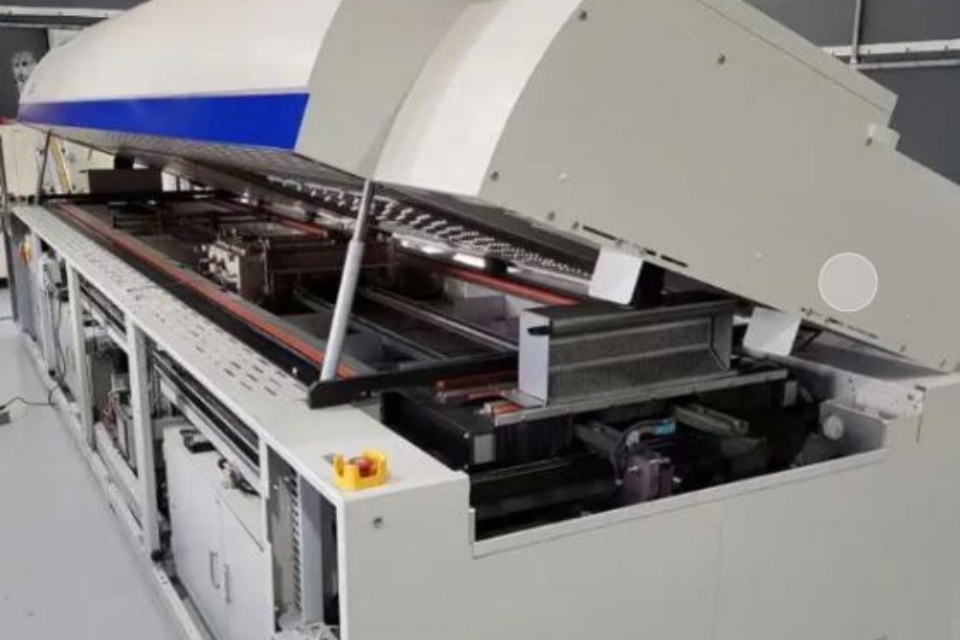
A compliant Medical Device Manufacturing Process starts before the board enters the line.
The BOM must be locked. The approved vendor list must match purchasing. The feeder map must match the controlled program. The operator must verify reel identity. The placement file must be revision-controlled. First article must compare the physical board to approved documentation.
Then inspection must create usable evidence.
SPI should catch solder paste drift before weak joints appear. AOI should use controlled criteria, not tribal judgment. X-ray should be used for hidden joints such as BGAs, QFNs, and LGAs when risk justifies it. Reflow profiles should be tied to solder alloy, board mass, component limits, and validated windows.
For medical electronics, an Sistema de inspección SMT is not decoration. It is evidence generation.
And yes, this costs money. But recalls, production holds, FDA responses, customer audit failures, and lost trust cost more.
High-Mix Or High-Speed? Choose Carefully
A startup building 200 verification units and a factory producing 50,000 diagnostic readers per month do not need the same line.
High-mix medical assembly needs changeover discipline: feeders, stencils, placement programs, first articles, operator certification, and revision control. In that case, mixed SMT line planning is often smarter than chasing raw speed.
High-volume medical assembly needs throughput, feeder capacity, line balance, MES integration, thermal stability, AOI feedback, and downtime control. For stable products, líneas de producción en serie de alta velocidad can make sense, but only after validation planning is mature.
I distrust generic automation advice. “Buy faster equipment” is not strategy. Sometimes it is just panic with a purchase order.
For many teams, a solución de línea SMT llave en mano is safer because printer, placement, reflow, inspection, handling, and traceability are planned as one controlled system.
How To Meet Regulatory Requirements For Medical Device Assembly
Build the audit trail while you build the product.
That is the whole secret.
To meet regulatory requirements, manufacturers should:
- Define intended use, markets, and risk class before production planning.
- Convert design risks into process controls.
- Validate assembly processes where output cannot be fully verified.
- Track component lots, equipment, operators, inspection, rework, and release status.
- Treat supplier and component changes as regulatory risk events.
- Use SPI, AOI, X-ray, and test data for trend control.
- Train operators by product, task, revision, and equipment.
- Close CAPA with effectiveness evidence, not hopeful language.
CAPA written in vague corporate prose is a confession with nicer formatting.
PREGUNTAS FRECUENTES
What is Medical Device Assembly?
Medical Device Assembly is the controlled process of building, inspecting, testing, documenting, and releasing medical devices or subassemblies under regulatory quality requirements. It may include SMT PCB assembly, sensor integration, mechanical assembly, cleaning, coating, labeling, packaging, traceability, and final verification.
It is not just production. It is regulated manufacturing evidence. Every critical step should connect back to design requirements, process controls, inspection results, and release records.
What are FDA Medical Device Assembly Requirements?
FDA Medical Device Assembly Requirements generally require manufacturers to control production processes, validate processes when needed, manage suppliers, maintain device history records, investigate nonconformities, handle complaints, and operate CAPA systems under a compliant quality management system.
For assembly teams, this means controlled programs, verified components, trained operators, maintained equipment, documented inspection, and traceable release decisions.
How does pick and place affect medical device compliance?
Pick and place affects medical device compliance by determining whether the correct components are placed in the correct locations, orientation, revision, and process condition with traceable evidence. It directly affects solder quality, electrical function, reliability, and defect containment.
A wrong feeder, worn nozzle, or uncontrolled program edit can create defects at scale. That is why setup verification and inspection discipline matter.
Is Automated Medical Device Assembly safer?
Automated Medical Device Assembly is safer only when the process is specified, validated, monitored, and maintained. Automation can reduce variation and improve traceability, but it can also multiply defects quickly when setup, programming, or supplier controls are weak.
The machine is not the quality system. It is one controlled asset inside the quality system.
What inspection tools are used in Medical Device Manufacturing Process control?
Medical Device Manufacturing Process control often uses SPI, AOI, X-ray, ICT, flying probe, functional testing, visual inspection, and final release checks. The right mix depends on device risk, component type, solder-joint visibility, and validation strategy.
Inspection must connect to lot history and CAPA. Otherwise, it becomes expensive sorting.
Final Word
Medical Device Assembly is becoming less forgiving. FDA’s QMSR transition, MDR data volume, 2024 recall actions, and major enforcement cases all point in one direction: manufacturers must prove control, not merely claim it.
Pick and place sits at the center of that proof.
Lock the program. Verify the feeder. Track the reel. Inspect the solder. Validate the process. Train the operator. Trend the defects. Challenge the supplier.
For a production setup built around risk control instead of guesswork, review the full SMT solution options or contact the team through the página de contacto.