I’ve seen a line run clean at 8:10 a.m. and start lying by 2:40 p.m. No alarm, no obvious crash—just pickup misses, a feeder that “sounds dry,” one operator tapping the same cover tape path, and a quality engineer pretending the AOI spike is program-related.
It wasn’t. Monthly Maintenance is where that nonsense gets caught before it becomes a shipment problem. And here’s the uncomfortable truth: many factories don’t do monthly maintenance. They do monthly wiping.
Why Monthly Maintenance Finds Problems Daily Checks Miss
A real SMT maintenance and spare parts strategy is less exciting than buying another placement head, but it saves more money than most people admit. Siemens reported in its 2024 downtime analysis that one unproductive hour can cost automotive manufacturers around $2.3 million when production loss, labor, logistics, and missed commitments are counted honestly. Read the Siemens 2024 downtime analysis and then tell me skipped feeder cleaning is “minor.”
Monthly maintenance isn’t admin theater. It’s where cleaning, calibration, lubrication, safety, and production pressure collide. If the pick-and-place machine is drifting, the solder paste printer is smearing, nozzle vacuum is inconsistent, or AOI suddenly gets dramatic, the answer usually isn’t “operator error.” That’s the comfortable answer.
From my experience, the machine was usually whispering for weeks. But we ignore whispers in SMT. We wait for rejects.
Deep Cleaning Procedures That Actually Matter
Monthly deep cleaning procedures should attack hidden contamination: flux film on optics, dried solder paste around stencil-contact areas, black dust inside feeder lanes, grime around board stops, lint on conveyor screws, old grease turned abrasive, and residue around vacuum fittings. Visible dirt is annoying. Hidden dirt is expensive.
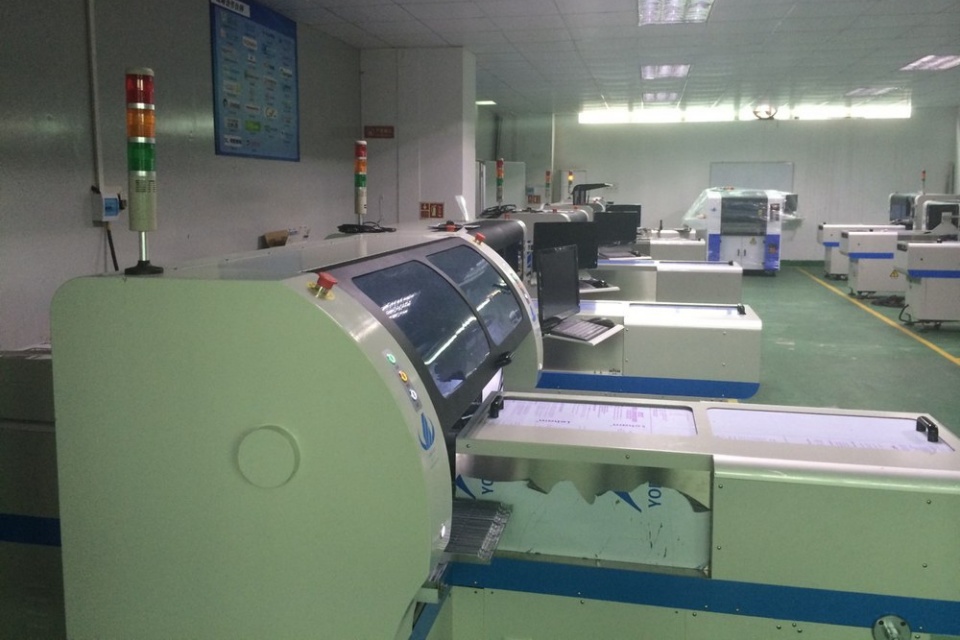
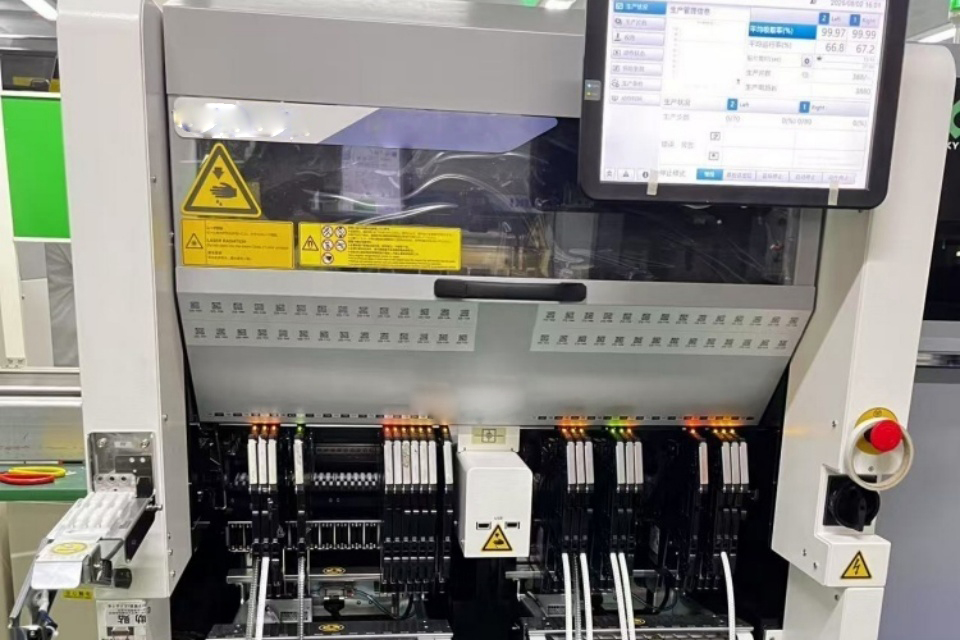
For les machines "pick-and-place, monthly maintenance should include nozzle inspection under magnification, nozzle bore cleaning, vacuum test values, head height checks, camera glass cleaning, fiducial recognition verification, and placement offset review. Not just “cleaned head area.” That phrase means nothing. Which head? Which nozzle bank? Which reference? What changed from last month?
Nozzles are small, nasty defect engines when ignored. A chipped tip on a 0402 job, a partially blocked bore on a BGA package, or a sticky spring on a high-speed head can create failures random enough to waste an engineering afternoon.
Feeders are worse because they hide guilt. Clean the sprocket zone, cover tape path, peel mechanism, indexing pawl, pickup window, sensor area, and tape guides. Then calibrate. If pitch advance is sloppy, peel tension is uneven, or pocket presentation is off, that feeder may pass casual inspection and still murder yield slowly.
Printers need no mercy either. Monthly maintenance on a solder paste printer should cover stencil clamp faces, underside wipe systems, squeegee holders, paste debris zones, board support pins, vacuum blocks, fiducial camera glass, and rail movement. If printing is unstable, everything after it becomes a cover-up operation.
A Machine de nettoyage de PCBA also needs monthly attention, especially if it handles flux residues, pallet contamination, stencil cleaning, or inline wash work. Filters, pumps, spray bars, DI water paths, drying chambers, nozzles, and conductivity monitoring all matter. A dirty cleaning machine is a contradiction.
Calibration Is Where the Line Tells the Truth
I frankly believe any monthly maintenance checklist without calibration data is a fake checklist. Useful for housekeeping, maybe. Not for process control.
NIST says it more politely. Its guidance on metrological traceability explains that traceability alone doesn’t prove measurement fitness; uncertainty must fit the measurement job. That matters when a plant waves a calibration certificate around while nobody checks whether feeder correction, camera alignment, conveyor width, or thermal profile reference is tight enough for the board being built. See NIST’s metrological traceability guidance.
A machine self-check isn’t verified calibration. A placement verification board isn’t a trend review. A feeder passing once doesn’t mean it’s stable under real tape tension, speed, cheap embossed carrier tape, and a tired operator trying to keep the line moving.
A feeder correction value that moves every month is not “within tolerance.” It’s a trend. A nozzle vacuum value dropping on the same head position is not “probably dust.” It’s evidence. AOI false calls after cleaning aren’t “software being weird.” Check lighting, optics, reference panels, and calibration files.
This is why proper la formation et l'assistance après-vente matters. A good operator still may not know the correct solvent, nozzle test threshold, feeder calibration routine, or axis lubrication point for a specific machine model. Tribal knowledge is fast. It’s also dangerous.
Safety, Grease, and Chemicals Cannot Be Treated as Side Notes
Chemical choice isn’t just an EHS checkbox. In 2024, EPA said it added 27 chemicals to its Safer Chemical Ingredients List, including solvents and surfactants, giving manufacturers more options for safer high-performing chemistry. That doesn’t mean every “safe” cleaner belongs near SMT optics, solder residue, elastomer seals, or stencil adhesives. See the EPA 2024 Safer Chemical Ingredients List update.
Now grease. People get weird about grease. They either under-lubricate because they fear contamination, or over-grease until rails and ball screws look like iced cake. Both are bad. Use approved grease, clean old residue first, apply the right amount, and document the lot. Keep controlled SMT grease and consumables on hand.
Safety sits under all of this. OSHA’s 29 CFR 1910.147 lockout/tagout standard covers servicing and maintenance where unexpected energization, startup, or stored energy could injure workers; it includes cleaning, lubrication, adjustments, and unjamming when hazardous energy exposure exists. Build OSHA’s 1910.147 standard into the maintenance calibration SOP.
And yes, prove the lockout. “Machine off” doesn’t mean safe. Compressed air, servo charge, residual heat, lift-table motion, pneumatic cylinders, conveyor belts, and printer squeegee assemblies don’t care that a screen went dark. OSHA also lists Control of Hazardous Energy among its commonly cited standards. See OSHA’s frequently cited standards list.
Monthly Maintenance Checklist and Evidence Table
The best monthly maintenance procedures follow a boring sequence: isolate energy, clean deeply, inspect mechanically, lubricate correctly, calibrate against known references, run verification, compare the numbers, then release the line. Boring ships product.
| Maintenance Area | Deep Cleaning Procedure | Calibration / Verification Procedure | Evidence To Record | Failure Signal |
|---|---|---|---|---|
| Pick-and-place nozzles | Remove, inspect, clean bore and tip, dry before reuse | Vacuum pickup test, nozzle height check, placement verification board | Nozzle ID, vacuum value, reject count, replacement notes | Skew, tombstoning, pickup errors, dropped parts |
| Mangeoires | Clean tape path, sprocket, cover tape guides, sensors | Pitch/indexing check, feeder position calibration | Feeder serial, lane, pitch result, correction value | Mis-picks, wrong pickup position, tape jams |
| Système de vision | Clean lens covers, lighting surfaces, fiducial windows | Camera alignment, fiducial recognition, image threshold validation | Reference board result, lighting settings, offset values | False rejects, misplaced components, fiducial failures |
| Solder paste printer | Clean stencil contact surfaces, squeegee holders, wipe system | Alignment check, pressure verification, print offset test | Squeegee pressure, stencil ID, paste lot, offset data | Bridging, insufficient solder, inconsistent deposits |
| Conveyors and board handling | Clean rails, belts, board stops, support pins | Width check, rail parallelism, board stop repeatability | Rail width, stop repeatability, belt condition | Board skew, transfer jams, edge damage |
| AOI / SPI | Clean optics, glass, lighting, calibration panels | Certified reference panel check, height/area validation | Program version, reference result, false call rate | False escapes, false calls, unstable inspection trend |
| Reflow support tools | Clean profiler probes, connectors, carriers | Thermal profiler verification, probe condition check | Profile file, probe serial, oven recipe, delta values | Cold joints, overheated parts, process drift |
| Lubrication points | Remove old residue before applying grease | Motion smoothness check, axis noise/vibration review | Grease type, lot, location, technician | Axis noise, uneven motion, premature wear |
Notice what’s missing? “Looks good.”
That phrase should be banned from maintenance records. Looks good means nothing when nozzle vacuum is down 12%, feeder pitch correction is walking, printer offset is creeping, or a thermal profiler probe should be retired.
A maintenance calibration SOP needs real fields: machine model, serial number, firmware version, calibration artifact ID, grease type, solvent lot, lockout confirmation, before-and-after values, trial board result, technician name, supervisor release, escalation notes, and photos when needed.
Adjust the Schedule to the Line Type
For lignes SMT mixtes, monthly maintenance gets messier because high-mix production hides machine weakness under changeover noise. One day it’s LEDs. Next day it’s fine-pitch ICs. Then oddball connectors, warped boards, and reels from three suppliers. Everybody blames the new product. Sometimes the feeder bank was dirty the whole time.
Sur lignes de production de masse à grande vitesse, speed hides decay until the numbers get embarrassing. A tiny pickup instability turns into thousands of placements before the team finishes arguing about root cause. Monthly Maintenance there has to be data-heavy: pickup error rate, feeder jam history, nozzle replacement cycle, placement correction trend, AOI false call rate, SPI variation, downtime codes, and reflow profile drift.
The preventive maintenance schedule should split work by interval. Daily: wipe, inspect, obvious contamination, operator-level care. Weekly: feeder area, rails, filters, simple checks. Monthly: deep cleaning and calibration. Quarterly: deeper mechanical inspection. Annually: formal calibration renewal, major service, audit-grade review.
And don’t let production override failed maintenance results without a signed risk decision. Orders are hot, customer is screaming, shipment is due, the line “only needs one more shift.” That shift is where bad boards are born. If the data says the machine is unstable, management can accept the risk—but they should sign for it.
FAQ
What is monthly maintenance in SMT manufacturing? Monthly maintenance in SMT manufacturing is a scheduled deep cleaning, inspection, lubrication, calibration, and verification process used to keep pick-and-place machines, feeders, printers, conveyors, AOI/SPI systems, and cleaning equipment stable before defects or downtime appear. It goes deeper than daily wiping and should produce usable maintenance evidence.
How often should pick-and-place machines be deep cleaned? Pick-and-place machines should receive light cleaning daily or weekly and a deeper monthly cleaning that covers nozzles, feeder areas, vacuum paths, optics, rails, sensors, and board handling zones. The interval should tighten when running 0201s, fine-pitch ICs, high-volume shifts, dusty rooms, or flux-heavy assemblies.
What should be included in a monthly maintenance checklist? A monthly maintenance checklist should include lockout/tagout, machine cleaning, feeder inspection, nozzle testing, lubrication, calibration verification, software or recipe confirmation, trial board results, spare part replacement, chemical records, grease records, technician signatures, and trend review. It should capture evidence, not just completion marks.
Why are equipment calibration procedures important? Equipment calibration procedures are important because SMT machines can keep running while slowly drifting out of acceptable process limits, causing placement errors, solder defects, false inspection results, and unstable yield. Calibration turns machine condition into measurable evidence when tied to references, tolerances, and historical comparison.
What is the difference between preventive maintenance and monthly maintenance? Preventive maintenance is the broader scheduled system used to reduce failures, while monthly maintenance is one defined interval inside that system. Monthly maintenance usually focuses on deeper cleaning, calibration review, lubrication, mechanical inspection, trend analysis, and documented release back into production.
How do you perform monthly maintenance correctly? To perform monthly maintenance correctly, isolate energy, follow the maintenance calibration SOP, deep clean contamination-prone assemblies, inspect wear points, apply approved lubrication, verify calibration with suitable references, run a test board or validation routine, record before-and-after values, and escalate anything outside tolerance.
Before the Next Maintenance Window
Monthly maintenance is not about making equipment pretty. It’s about stopping small mechanical, optical, thermal, pneumatic, and chemical problems from pretending to be process mysteries. It forces the line to tell the truth before the customer does.
If your line keeps producing “random” defects, stop calling them random. Pull the maintenance records. Check the nozzles, feeders, paste printer, cleaning system, calibration references, grease logs, and downtime codes. For practical support before the next maintenance window, review the promesse de service ou contact the SMT support team.