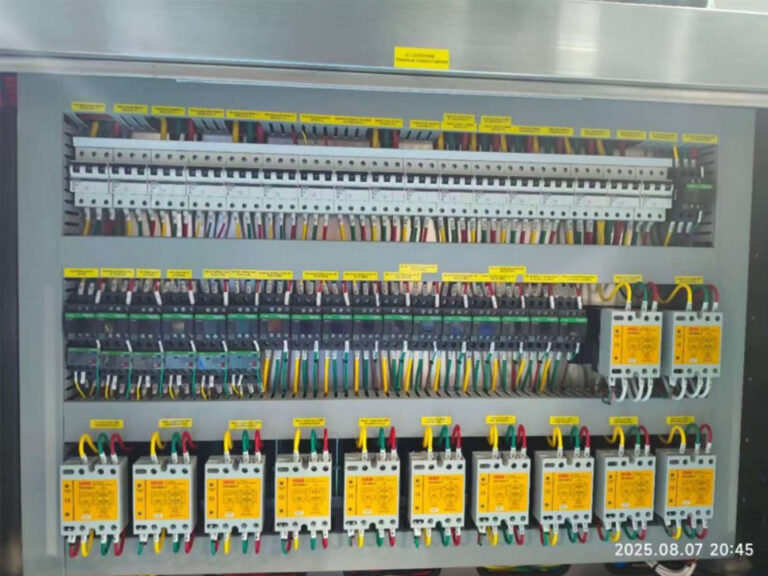
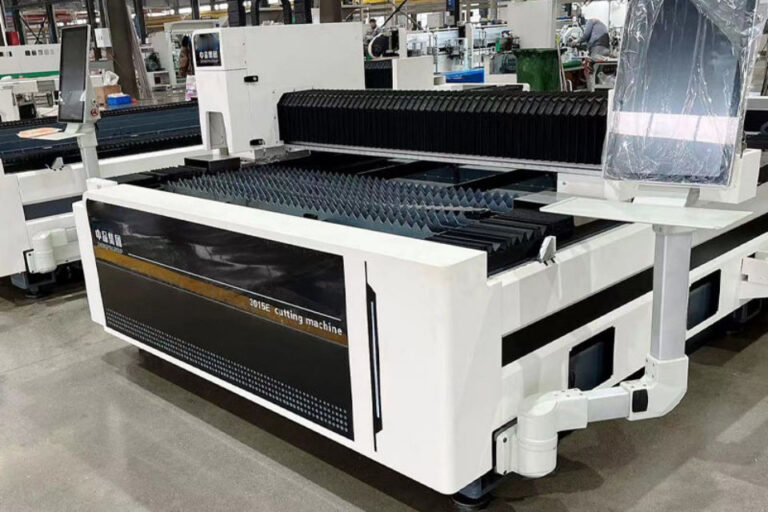
Most factories still point at the oven when boards start dropping out at ICT, and I frankly believe that habit says more about how lazy root-cause culture has become than it does about reflow itself, because the board usually got wounded earlier—during print, during pickup, during place, during that supposedly routine motion everyone stops questioning. That’s the part people skip.
Short version? Wrong suspect.
I’ve watched teams stare at shiny solder joints and argue over thermal profiles while the actual mess sat upstream in plain view: centroid data drifting, nozzle wear nobody wanted to log, feeder indexing just sloppy enough to dodge blame, and components landing like they were “close enough,” which is a phrase that ruins yield faster than bad paste ever will. It happens. A lot.
NASA’s surface-mount workmanship standard doesn’t treat tilt, overhang, paste bridging, or misalignment as decoration-grade defects. It treats them as reject conditions. That’s not bureaucratic overkill. That’s experience talking. Once geometry goes sideways, electrical behavior usually follows. (s3vi.ndc.nasa.gov)
And here’s the ugly truth: when engineers say “solder defect,” they often mean “I haven’t isolated the real mechanism yet.”
An open isn’t just the opposite of a short. People talk that way, sure, but the failure physics are different enough that lumping them together usually muddies the investigation. Opens are often starvation problems—insufficient real contact area, weak wetting, lifted terminations, poor coplanarity, a crack that starts microscopic and then decides to get expensive later. Shorts, on the other hand, are crowding problems. Too much solder where spacing is already tight. Rotation drift. Lead skew. Paste where it had no business spreading. Same board. Different failure economy. (s3vi.ndc.nasa.gov)
Three words. Placement matters more.
But that’s the argument a lot of production managers still resist, mostly because placement-related defects are annoying. They don’t always announce themselves dramatically. They sneak. A resistor can sit just off-center and still look serviceable. A QFP can rotate a hair, reflow, pass a weak AOI rule, and then fail under vibration or thermal cycling weeks later. A package can land with slight tilt, solder “fine,” ship, and then come back as an intermittent ghost fault that burns through hours of debug time. That’s the kind of defect that makes technicians swear at the bench.
From my experience, once you start looking at process quality controls instead of just final fallout, the pattern gets obvious fast. Not elegant. Not theoretical. Just obvious.
And no, powering on once doesn’t mean the joint is healthy. It means the joint worked once.
A 2024 review in the PMC archive made the bigger point pretty clearly: package and solder-joint reliability are under constant pressure from thermal cycling and mechanical stress, and those stresses don’t care whether a joint merely looked acceptable on day one. If the component landed off-center, if stress distribution is uneven, if the solder interface started life marginal, field conditions finish the job. Shipping shock helps. So does vibration. So does heat. Nice little combo, actually—if your goal is warranty pain. That’s also why stronger SMT inspection systems aren’t some luxury add-on for fancy factories; they’re how serious lines stop kidding themselves. (s3vi.ndc.nasa.gov)
The line usually knows more than the defect report says
Yet most defect reports are weirdly sanitized. “Open on U14.” “Short at J3.” “Reflow concern.” Fine. But what actually happened?
When I see opens, I don’t start with the oven. I start with the ugly, boring suspects nobody likes discussing in management meetings: worn nozzle tips, feeder pitch wander, stale package libraries, bad Z-height behavior, warped boards, weak support tooling, terminations with lousy coplanarity. That’s the real shop-floor list. Not sexy. Very real.
Shorts pull me in a different direction. I start hunting congestion—fine-pitch leads, rotation offset, paste spread, unstable spacing windows, placement force that’s a bit too aggressive, support pins that weren’t where they needed to be, maybe even board flex during the place cycle. And yes, solder bridging can absolutely be “born” before reflow. NASA’s SMT criteria are blunt about solder paste bridging and paste misalignment intruding into open spacing. They didn’t write that language for fun. (s3vi.ndc.nasa.gov)
So when someone says, “The oven caused it,” my first reaction is usually: maybe. But probably not alone.
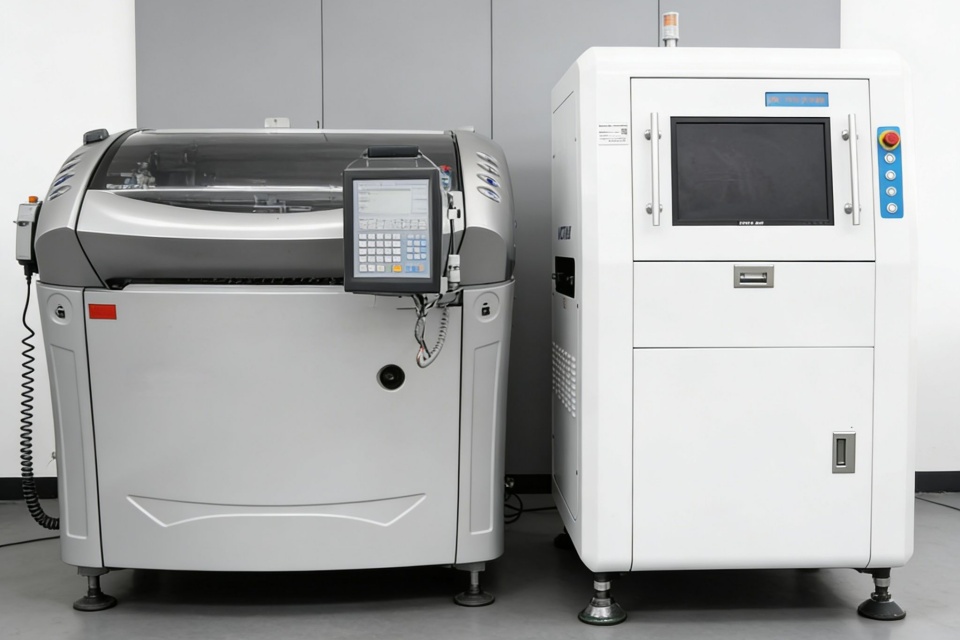
Mature factories don’t trust one checkpoint
This is where the adults in the room start separating themselves from the tourists.
In its 2024 annual filing, Helios described electronics manufacturing operations using high-speed SMT together with 3D solder paste inspection, 3D AOI, X-ray inspection, functional test, and serial-number traceability. That stack matters because no single machine sees the full truth. SPI sees volume and alignment. Placement sees coordinates and pickup behavior. AOI sees geometry. X-ray sees hidden solder structures. Test sees electricity. Traceability sees patterns after people forget them. That’s the loop. That’s why investing in better pick-and-place machines without tightening data discipline only gets you part of the way there. Fast junk is still junk. (s3vi.ndc.nasa.gov)
And the production environment changes the flavor of the failure, which a lot of vendors gloss over. In prototype small-batch lines, changeover chaos is the killer. The wrong reel. The wrong polarity. The library that got updated on one station but not another. Human setup error wearing a process badge. In high-speed mass production lines, the danger is different: tiny repeatable drift, multiplied by volume until it becomes an accounting issue. Same mechanism family. Different body count.
Recalls don’t care whether your defect was “minor”
Here’s where the conversation stops being academic.
Not every field recall below came from placement. I’m not saying that. I am saying the industry keeps acting as if electrical opens and shorts are small housekeeping issues right up until they leave the building and become somebody else’s emergency.
Reuters reported in February 2024 that Honda recalled 750,000 vehicles in the United States because a front passenger seat weight sensor could crack and short circuit, and Reuters also said Honda had received 3,834 warranty claims tied to the issue. Read that again—3,834 warranty claims. That number is what “we’ll monitor it” looks like after the defect has already escaped. (reuters.com)
Then there’s the bigger public mess. Reuters reported in September 2023 that Hyundai and Kia recalled a combined 3.37 million U.S. vehicles over fire risks linked to electrical shorts. In later reporting, Hyundai said it had reports of 21 fires and 21 other thermal incidents, while Kia had reports of at least 10 confirmed fires and melting incidents. That’s not a quality KPI anymore. That’s national news. (reuters.com)
And the medical-device side? Even less forgiving. The FDA posted a 2024 Class 2 recall for Philips Azurion systems stating that a potential short circuit in a printed circuit board assembly in the power inverter could trip fuses and make the system non-functional, with the risk of delaying or terminating a procedure. That sentence should sober up anyone who still talks about shorts like they’re just a scrap-bin inconvenience. (accessdata.fda.gov)
So yes—I think too many SMT operations still underprice electrical risk. They obsess over unit output and underweight the cost of one escaped latent defect. Bad math.
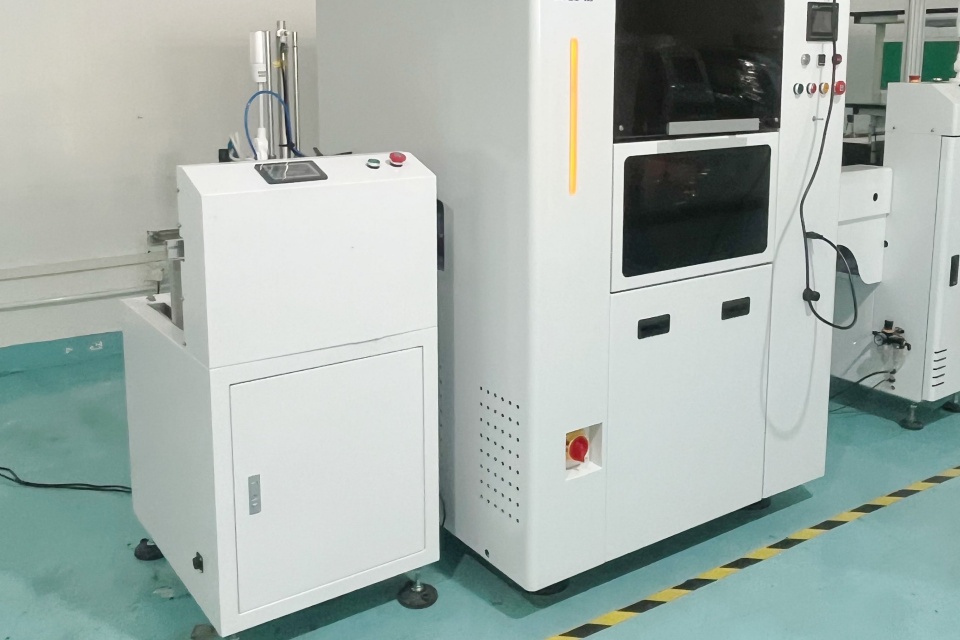
What the line should actually watch
| Failure mechanism | Typical placement trigger | Common electrical outcome | First thing to verify |
|---|---|---|---|
| Lateral overhang on chip parts | Offset placement, bad vision centering, wrong library origin | Open, intermittent contact, weak fillet on one side | Library centroid, nozzle centering, placement repeatability |
| Fine-pitch skew or rotation | Feeder pitch drift, pickup rotation error, poor fiducial correction | Shorts between adjacent leads, non-wet opens | Feeder indexing, rotation correction, board compensation |
| Part tilt or poor coplanarity | Z-height error, worn nozzle, warped package or PCB | Latent open, weak joint, crack-prone connection | Coplanarity control, nozzle health, placement force |
| Paste disturbance before reflow | Excess force, unstable board support, poor paste release | Solder bridge, insufficient joint volume | SPI-to-placement correlation, head calibration, conveyor stability |
| Off-center heavier packages | Marginal placement plus later vibration or shock | Field crack, intermittent open | Offset trend data, AOI/X-ray history, stress testing |
That table is the bit teams should pin to the line wall. Seriously.
Because the machine symptom, the solder symptom, and the electrical symptom are related—but they are not the same event. Mix those layers together and you get folklore instead of root cause. Separate them, and the fog clears. Usually.
FAQs
What causes electrical opens in SMT assembly?
Electrical opens in SMT assembly are breaks in the intended current path, usually created when a placed component fails to form or maintain a stable metallurgical connection to its pad because of offset placement, tilt, poor coplanarity, insufficient solder geometry, or later crack growth under stress. In day-to-day factory terms, that means boards that may pass once, fail later, or behave like classic “no-fault-found” headaches during debug. I’ve seen that pattern more times than I’d like. (s3vi.ndc.nasa.gov)
What causes electrical shorts after pick and place?
Electrical shorts after pick and place are unintended conductive connections between adjacent pads, leads, or solder deposits, usually triggered when skew, rotation, paste spread, excessive placement force, or weak spacing control allows molten solder to bridge nodes that were supposed to remain isolated. Put less politely: the process window got too tight, and the line lost the fight. Sometimes the bridge is obvious. Sometimes it waits for contamination, moisture, or heat to make things worse. (s3vi.ndc.nasa.gov)
Can AOI catch placement-related failure mechanisms?
AOI can catch many placement-related failure mechanisms by identifying missing, rotated, skewed, lifted, or offset components, but it cannot reliably predict every latent open because some weak joints still pass visual geometry rules and fail only later under thermal cycling, vibration, or load. That’s why I don’t trust AOI by itself—nobody running a serious line should. SPI, AOI, X-ray, and electrical test each catch a different slice of the mess. (accessdata.fda.gov)
Are electrical opens and shorts mainly reflow defects?
Electrical opens and shorts are not mainly reflow defects; they are assembly-level outcomes whose root causes can begin in printing, placement, coplanarity, contamination, or spacing design, with reflow often acting as the stage where earlier process errors become visible. That distinction matters more than people admit, because chasing oven settings when the real problem lives in feeder setup, package data, or board support wastes time and protects the wrong process owner. (s3vi.ndc.nasa.gov)
How do you reduce opens and shorts in high-mix PCB assembly?
Reducing opens and shorts in high-mix PCB assembly means stabilizing the handoff between stencil printing, placement, and reflow through verified library data, feeder and nozzle maintenance, disciplined first-article validation, and closed-loop inspection so small geometry errors are corrected before they scale across many builds. Honestly, most of the fix is process discipline. Not magic. Not a miracle machine. Just good setup control, real feedback loops, and fewer “it should be fine” decisions during changeover.
If your team keeps treating intermittent opens, random bridges, and ghost field returns as isolated solder problems, you’re probably looking at the last visible symptom instead of the first meaningful cause. Start upstream. Audit the package library. Trend feeder drift. Check nozzle wear. Revisit support tooling. Tighten inspection correlation. And if the line itself is part of the problem, look harder at turnkey SMT line solutions, reinforce training and after-sales support, and review real customer cases before those defects turn into scrap, warranty claims, and reputation damage.