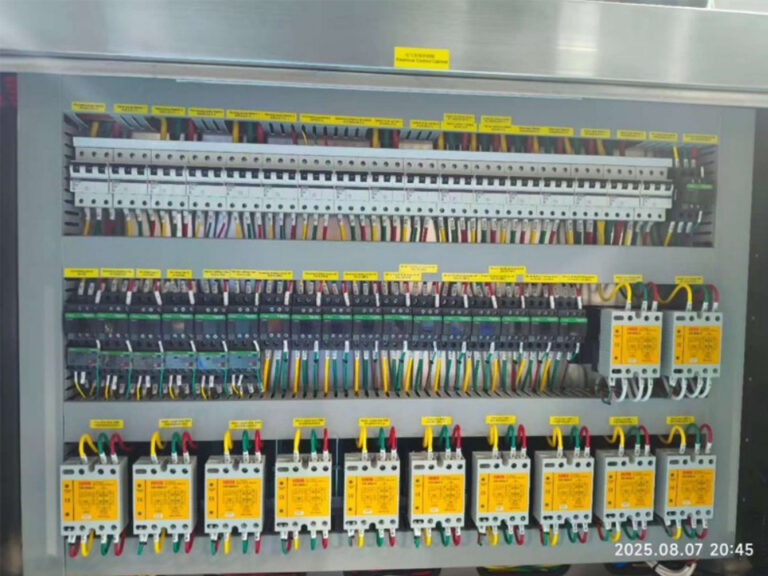
How to Calculate the Cost of Poor Quality in SMT Manufacturing
A step-by-step method to calculate SMT cost of poor quality: map defects by process step, cost rework, scrap, line stops and returns, then prioritize prevention spend.

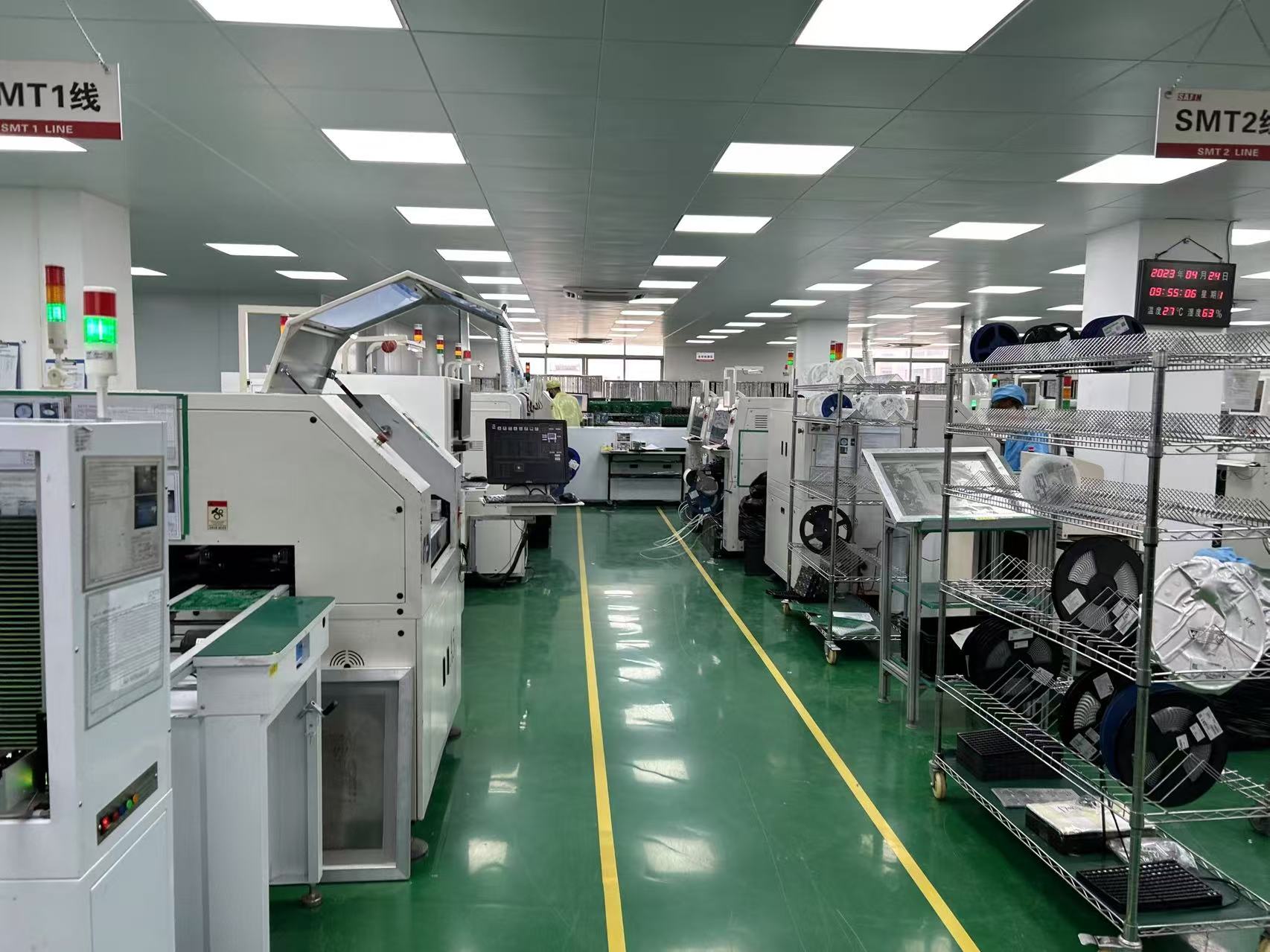
A step-by-step method to calculate SMT cost of poor quality: map defects by process step, cost rework, scrap, line stops and returns, then prioritize prevention spend.
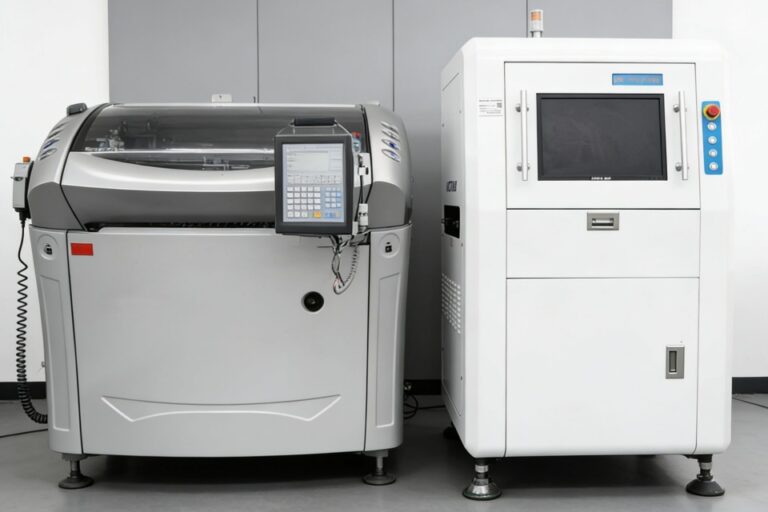
Electrical opens and shorts in PCB assembly are often blamed on soldering, but that explanation is usually too shallow. In many cases, the real defect begins at placement and only becomes visible later at reflow, inspection, or in the field.
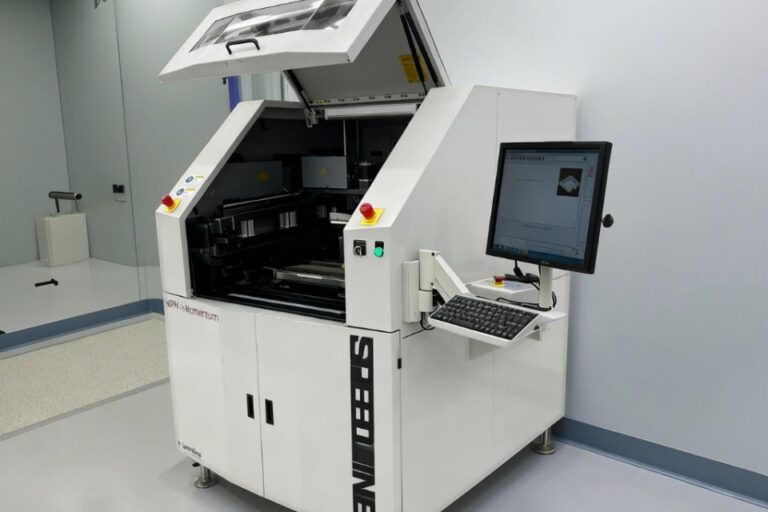
Component lift-off is not a random reflow defect. It usually starts with uneven wetting force, unstable paste volume, weak placement control, or poor thermal balance that the oven simply exposes.
Polarity flips aren’t “random.” They’re usually a boring mix of library angle lies, weak polarity-mark vision, and sloppy rotation mechanics that nobody wants to own.

Component offset error isn’t “random bad luck.” It’s usually repeatable, measurable, and fixable—if you stop guessing and start treating placement like a calibration problem.