If you run SMT long enough, you learn a painful truth: line-down rarely starts at the pick-and-place head. It starts in the “material corner” where reels, feeders, and half-used parts slowly turn into a mystery pile.
Meraif calls itself “Top 1 Turnkey SMT Line Solutions Expert in China” and backs it with 20+ years of hands-on SMT factory operations.
That matters here because feeder inventory management isn’t a single-tool fix. It’s a whole flow: ERP/MES data → kitting → feeder prep → machine setup → replenishment → returns.
Below is a practical, shop-floor argument for how to organize components for production (with real SMT keywords, not fluffy talk).
SMT Feeder Inventory Management: wrong part, line-down, and “where’s my reel” chaos
Argument 1: Stop sorting through disorganized bins to reduce wrong-reel risk
When operators dig through bins, they don’t just lose time. They also grab the wrong reel, load it on the wrong feeder lane, and you get bad placements that look like “machine problem.”
A smart pick flow can literally stop the process if someone pulls the wrong reel or picks out of order. Inovaxe describes exactly that: wrong reel / out-of-sequence pick triggers an error and stops the pick process, and there’s “no more sorting through disorganized bins.”
A quick line story you probably know:
Your line leader shouts “need 10k 0402 resistor now.” Someone runs to the rack, sees two similar labels, grabs the “closest-looking” reel, and loads it. The board still passes AOI for a while… until it don’t. Now you got rework pile, plus everyone arguing who touched the reel last. This is why material control needs rules, not memory.
Argument 5: Real-time inventory visibility prevents feeder warehouse line stoppages
Even one missing “small part” can freeze the whole job. Tecsys puts it blunt: lose track of one sensor or bolt and an assembly line can grind to a halt.
Real-world scenario (high-mix NPI):
You’re running five small jobs today. You only need a few reels each time. Someone “borrowed” a reel yesterday and didn’t scan the return. Now you’re doing a shortage fire drill: radio chatter, running around, WIP piles growing. It’s not hard. It’s just dumb.
Component Traceability: barcode scanning for tape feeder, tube feeder, tray
Argument 3: Link components to tape feeder, tube feeder, tray with barcodes
This is the core: you don’t just track reels, you track reel → feeder → location.
Eurocircuits describes a clean method: the ERP creates barcode labels, then the operator links the component to the tape feeder, tube feeder, or tray using barcodes, so the system knows which feeder holds which component and where it is (shop floor or machine).
This “linking” sounds boring, but it changes daily life on the floor:
- If QA asks “which reel built this lot?”, you can answer fast.
- If a reel gets split (partial reel), you can still track the child reel.
- If a feeder cart moves to another line, you don’t lose it in the fog.
Argument 6: Use 1D, 2D, and QR codes to eliminate set-up errors
Europlacer’s stock management page is very direct: using 1D/2D/QR codes can eliminate set-up errors, check if the job can complete (enough quantity), locate components, and manage quantities in real time.
In real SMT slang: this is setup verification and poka-yoke. You’re letting the system say, “nope, wrong reel,” before the head even picks the first part. That’s how you stop defect loops early.
Argument 12: Plan feeder count vs changeover time (don’t ignore feeder planning)
Meraif’s own content calls out what many factories learn the hard way: “feeder count vs changeover time” becomes the bottleneck in high-mix production.
So yeah—if you want fast changeovers, you need feeder planning plus traceability. One without the other is kinda half a system.
A practical trick: treat feeder setup like a recipe card.
- Which feeder slot?
- Which part number?
- Which reel ID?
- Which nozzle family?
If you can’t answer these in one glance, you’re gonna bleed time.
Offline feeder preparation and component kitting
Argument 4: Offline feeder preparation keeps pick and place machine time for production
Your pick-and-place machine shouldn’t sit idle while people thread tape or hunt stoppers. Eurocircuits states it clearly: feeder preparation is an offline process and does not consume machine time.
This is one of those “simple but not easy” habits:
- Build a feeder prep bench that’s always ready (tools, splice kit, label printer).
- Make feeder loading a standard work step (not “whoever free do it”).
- Keep the line-side calm: feeders arrive ready, not half-prepped.
Argument 7: Kitting vs continuous supply needs a tradeoff check
Kitting helps, but it isn’t magic. The Hanson & Brolin paper compares kitting vs continuous supply (line stocking) using case studies and looks at performance areas like man-hours, quality, flexibility, inventory levels, and space.
Practical take:
- High-mix / lots of variants → kitting often wins (less searching, cleaner line-side).
- Stable high-volume → line stocking can be simpler (less kit prep).
Either way, you need scan points and clear return rules, or you’ll just move the mess from one table to another.
And don’t ignore the “kit integrity” problem: if kits get opened, swapped, and “borrowed,” you end up with kit-shaped confusion. That’s why scan gates matter.
One-location control: reel return, pick-to-light, and feeder cart discipline
Argument 2: One package one location reduces misplacement
You want a simple rule: each reel gets one home (one bin/slot). If you allow “temporary spots,” you’ll create permanent chaos.
Inovaxe describes a return flow that pushes toward this: after a job, operators scan the reel and place it in the closest available location, and the cart stores the location for next time.
One-location control sounds like warehouse talk, but it’s really production talk:
- You reduce “ghost inventory” (system says yes, rack says no).
- You stop double-issuing the same reel to two lines.
- You make cycle counting less painful (less hunting).
Argument 8: Picking out of sequence stops errors before the line
This is a simple “poka-yoke” idea: if you pick in feeder-location order, you reduce loading mistakes. Inovaxe notes the carts prompt operators to pick reels in feeder location order, and wrong/out-of-sequence picks trigger a stop.
This is also how you reduce “line-side drama.” When people aren’t guessing, they argue less. Sounds small, but it’s real.
Argument 9: Scan return-to-stock to avoid lost reels
Returns are where good systems die. If returns are sloppy, inventory accuracy becomes fiction. Again, Inovaxe’s example shows scan-and-place return logic to avoid wrong-bin problems.
A clean return rule that works:
- If it leaves the line, it gets scanned.
- If it gets scanned, it gets a location.
- If it has no location, it doesn’t get put away. Period.
Argument 10: Pick-to-light storage speeds reel picking and feeder finding
Pick-to-light isn’t only for big warehouses. AccuAssembly describes pick-to-light reel racks, plus barcode identification to maintain inventory accuracy, and even feeder racks that can read feeder ID and map part numbers.
If you’re doing high-changeover, pick-to-light is basically “less thinking, more doing.” It turns picking into a fast, repeatable motion. That consistency is gold.
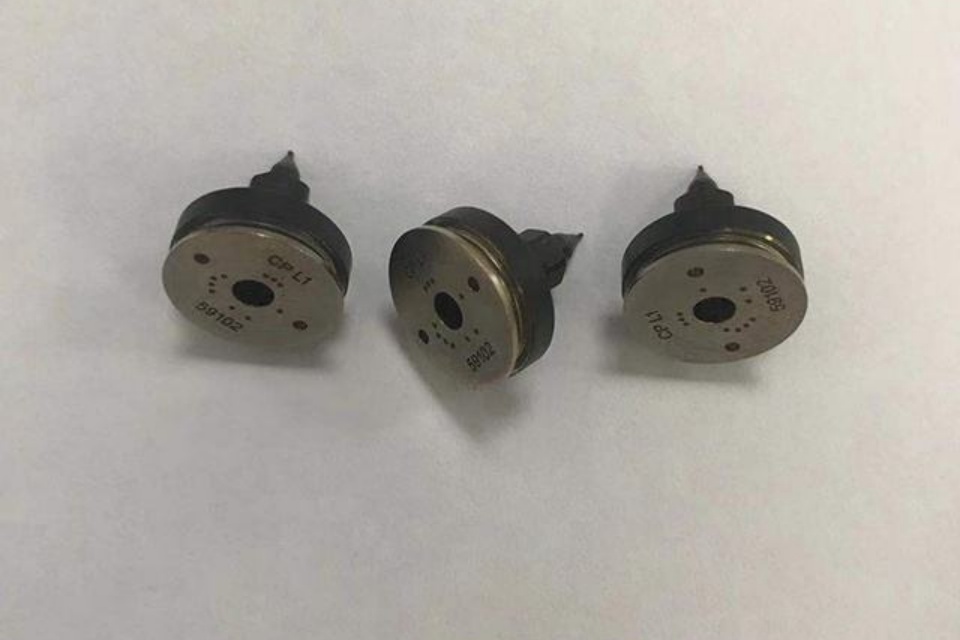
SMT Nozzle and stable vacuum: feeder discipline still needs pick reliability
Here’s a sneaky failure mode: you think you have a feeder/inventory issue, but it’s actually a nozzle + vacuum + pickup stability issue. Mis-picks create missing parts, extra rework, and fake “shortage” alarms.
Your site already frames the nozzle side well:
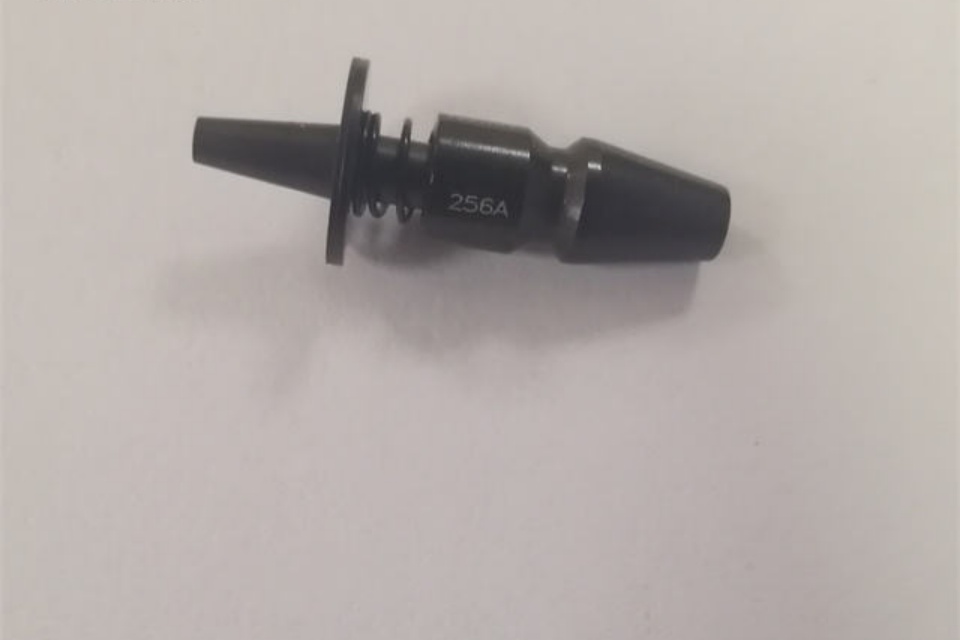
- SMT nozzles ensure accurate pick-and-place performance with stable vacuum and precise handling, across machine platforms and package types.
- On the homepage, you also highlight optimized suction for tiny chips through complex odd-form parts.
If you’re building a feeder inventory system, don’t ignore nozzle management. Keep spare nozzles organized the same way you treat reels—labeled, tracked, and ready. If you need a reference page for customers, this internal link fits naturally: SMT Nozzle.
Also, basic “maintenance black magic” helps: your catalog includes SMT Grease for feeders/rails and SMT Trolley for organized reel/feeder storage.
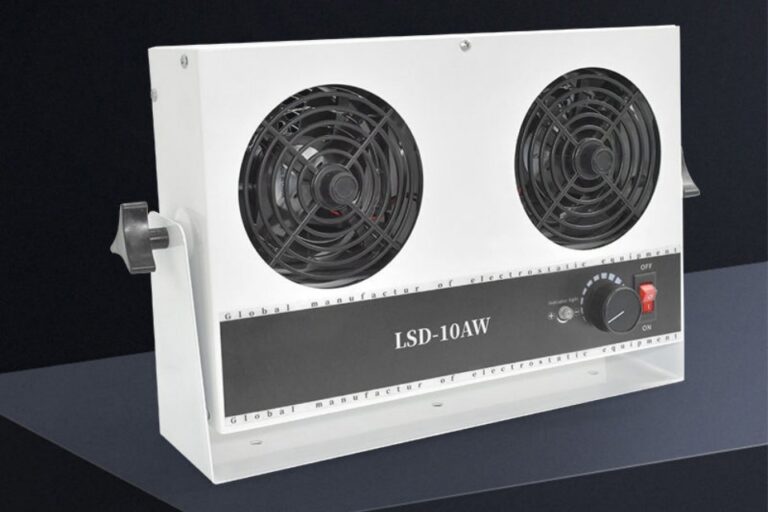
(And yes, static is real—your ESD Ionizing Air Blower callout exists for a reason.)
Evidence table: feeder inventory management arguments and source notes
| Argument title | What to do on the floor | What it fixes (SMT pain) | Source |
|---|---|---|---|
| Argument 1: Stop sorting through disorganized bins to reduce wrong-reel risk | Pick by guided sequence; block wrong picks | Wrong part, setup mistakes, long changeover | Inovaxe testimonials |
| Argument 3: Link components to tape feeder, tube feeder, tray with barcodes | Scan component + feeder + location | Traceability, faster locating, fewer misloads | Eurocircuits kitting |
| Argument 4: Offline feeder preparation keeps pick and place machine time for production | Prep feeders off-line | Less machine idle time, smoother ramp | Eurocircuits kitting |
| Argument 5: Real-time inventory visibility prevents feeder warehouse line stoppages | Maintain real-time location/qty truth | Shortage fire drills, line-down events | Tecsys feeder warehouse |
| Argument 6: Use 1D, 2D, and QR codes to eliminate set-up errors | Scan at issue/load/return points | Setup error, false “enough stock” assumptions | Europlacer stock mgmt |
| Argument 7: Kitting vs continuous supply needs a tradeoff check | Choose per mix/volume; audit results | Wasted motion, space issues, kit prep overload | Hanson & Brolin (IJPR) record |
| Argument 8: Picking out of sequence stops errors before the line | Enforce feeder-location order | Wrong lane loads, rework loops | Inovaxe testimonials |
| Argument 9: Scan return-to-stock to avoid lost reels | Scan + “closest available slot” return | Lost reels, inventory drift | Inovaxe testimonials |
| Argument 10: Pick-to-light storage speeds reel picking and feeder finding | Pick-to-light racks + ID logic | Search time, mis-picks, messy storage | AccuAssembly description |
| SMT Nozzle and stable vacuum | Stock and track nozzles like critical spares | Mis-pick, odd-form pickup issues | Meraif SMT Nozzle pages |
Barcode scanning gates in SMT material control
This part is where factories either get strong… or get stuck. You don’t need a crazy system, but you do need scan gates at the moments that create truth.
Here’s a simple pattern that matches the sources above (barcode linking + error-proof setup + return control).
| Scan gate keyword | What gets scanned | What you record | What it prevents (shop-floor pain) |
|---|---|---|---|
| Receiving / IQC | reel ID + PN | date code / lot / vendor | “unknown reel” enters stock |
| Kitting | PN + reel ID | job ID / kit ID | kit missing parts, wrong reel in kit |
| Feeder prep (offline) | reel ID + feeder ID | feeder lane / pitch | wrong reel loaded into feeder |
| Line load | feeder ID + machine | line / machine ID | feeder moved to wrong line |
| Mid-run replenishment | reel ID | qty status | emergency “hot reel” chasing |
| Return-to-stock | reel ID + location | put-away slot | lost reels, inventory drift |
If you do only one thing, do this: scan at return-to-stock. Returns are where accuracy goes to die.
Feeder cart + line-side flow: make it boring, make it fast
Let’s talk line-side “street rules”:
- If a reel sits on top of the machine, somebody will forget it.
- If a feeder cart has no labels, it becomes a parking lot.
- If splicing tools live in 10 places, they live in zero places.
So you standardize the physical flow:
- One area for kitting
- One bench for feeder prep
- One staging zone for “next job”
- One return lane for “done/partial reels”
- One quarantine spot for “don’t use” (MRB-ish)
This is also where Meraif being a turnkey partner matters. When you’re building or upgrading lines, you’re not only choosing machines—you’re designing how people move parts all day. Meraif’s positioning covers consultation, integration, installation, training, and commissioning, which is exactly the stuff that makes material flow actually stick.
If you want to make the purchasing path easy for your buyers, you can point them at the equipment families they already understand:
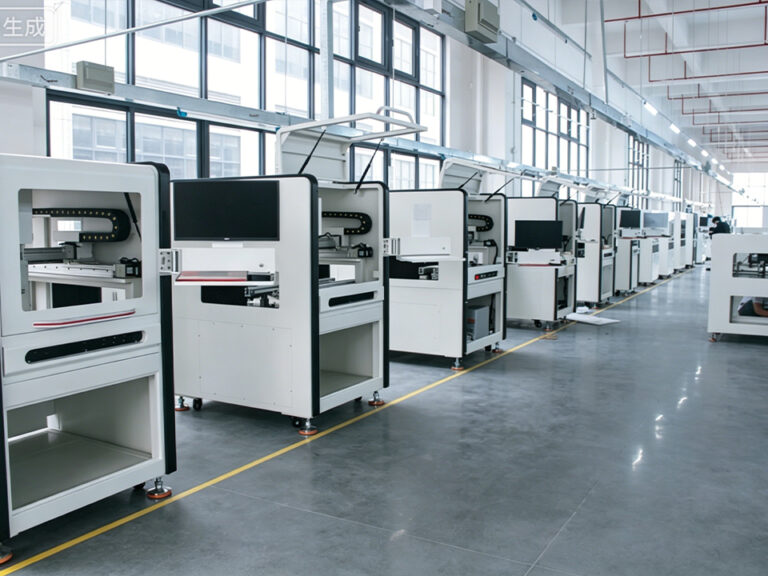
- Pick and Place Machines for placement capacity planning
- SMT Feeder for feeding consistency and spares strategy
- SMT Trolley for line-side organization and cart standardization
- SMT Grease for feeder/rail maintenance habits
- ESD Ionizing Air Blower for ESD control on the line
- and when customers want the full package, talk in plain words about Turnkey SMT Line Solutions instead of dumping a long BOM on them.
(Those internal links come straight from your uploaded site URL list.) pick and place machine
High-mix vs high-volume: same rules, different pain
You’ll see the same core arguments everywhere—traceability, offline prep, scan gates, controlled locations—but the pressure points change.
High-mix / NPI-heavy
- Biggest enemy: changeover time + wrong-reel risk
- Winning move: kitting + strict setup verification + clean returns
- Typical blackhole: partial reels, unscanned swaps, “just this once” borrowing
High-volume / stable products
- Biggest enemy: replenishment timing + feeder wear
- Winning move: stable floor-stock logic + feeder PM + quick replenish scans
- Typical blackhole: feeder jams, tape peel issues, nozzle clogging that looks like “material issue”
Either style can run clean. Both styles get ugly fast if returns and locations are sloppy.
KPI dashboard for feeder inventory management (no fancy math)
No need to talk cost to talk value. Your customers feel these KPIs in their bones:
| KPI keyword | What it tells you | What to check first when it gets worse |
|---|---|---|
| Changeover time | how fast you switch jobs | offline feeder prep discipline |
| Line stop minutes (material) | how often material causes line-down | inventory visibility + location accuracy |
| Setup verification fails | how often wrong reels try to enter line | scan compliance at load gate |
| Inventory accuracy | system vs physical truth | return-to-stock scanning |
| First pass yield (FPY) drift | quality noise from wrong parts / mis-picks | reel-to-feeder linking + nozzle pickup stability |
If you improve these, customers don’t need a spreadsheet to see it. The line feels calmer. The schedule stops slipping. People stop “running around like headless.”
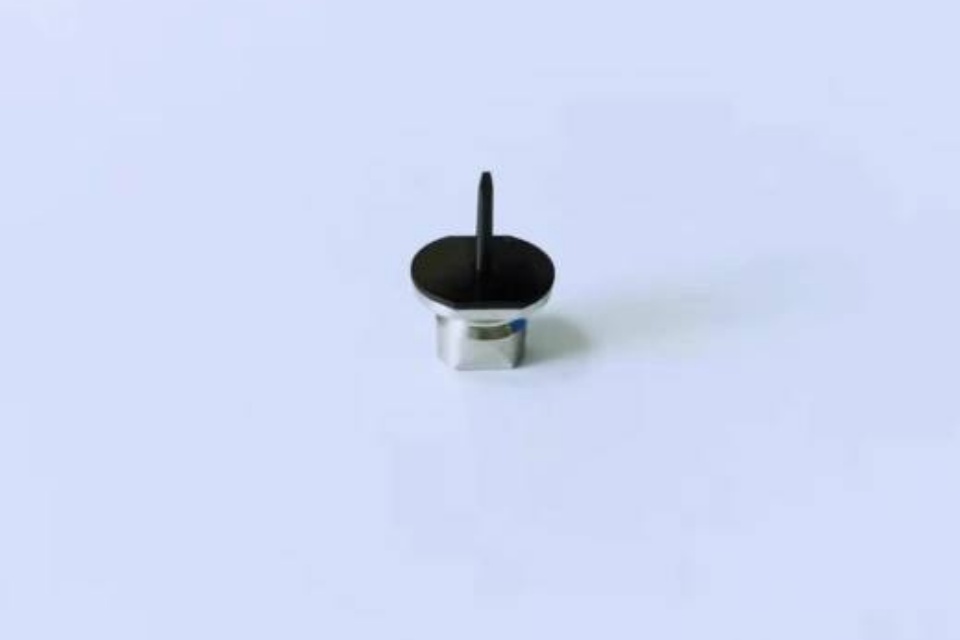
Turnkey SMT line solutions: where Meraif fits (without overcomplicating it)
If you’re buying machines, you’re not just buying iron. You’re buying uptime and changeover rhythm.
Meraif’s positioning is “comprehensive SMT plant solutions” with support from consultation and layout to integration, installation, calibration, training, and commissioning.
And the product scope already matches what feeder inventory management touches every day: Pick and Place Machines, Reflow Ovens, PCB Handling Machines, SMT Feeder, SMT Trolley, SMT Nozzle, SMT Cleaning Machines, Solder Paste Printer, and more.
So if a customer says, “We keep losing reels and changeover is killing us,” you can answer like a factory person:
- Put reels on an ESD-safe SMT trolley (not random tables).
- Add barcode discipline to feeder prep and returns.
- Keep the nozzle + vacuum side healthy, or your data will lie.
That’s the pitch, and it’s not fancy. It’s just what works.
Quick checklist you can start tomorrow (no drama)
- Put a “scan before load” rule at the kitting station (dont skip it).
- Make feeder prep offline by default.
- Force reel returns to be scanned, always.
- Store reels and feeders in controlled locations (trolley/rack), not “anywhere.”
- Track nozzles like critical spares, because vacuum issues looks like inventory issues.