But let me guess—you’ve got a line that “runs fine,” everyone hits the daily output number, and yet the second a customer return hits your desk, the room goes quiet because nobody can prove which feeder, which reel lot, which nozzle, which program revision, and which timestamp actually created the mess, so you end up doing vibe-based troubleshooting with a clipboard and a prayer.
Three words. Data is slippery.
I frankly believe the “Industry 4.0 pick and place machine” pitch is mostly a fight over who owns the truth. The OEM wants it. The MES vendor wants it. IT wants it. Production wants it. And the operator just wants the line to stop throwing feeder errors at 2 a.m. (fair).
So here’s the ugly truth: hardware speed is mature; placement heads are not the limiting factor on most lines; the limiting factor is integration debt—SMEMA relics, half-implemented Hermes, mystery interfaces, and that one box no one dares reboot because “it might not come back.”
And yeah, macro numbers back the pressure. China installed 276,288 industrial robots in 2023 (51% of global installations), which drags the whole supply chain into faster cycles and harder competition whether your plant is in Shenzhen or Stuttgart. IFR press release on 2023 installations
Now the part people skip: electronics isn’t immune to capex whiplash. The electrical/electronics segment fell ~20% to 125,804 units in 2023, per the same reporting ecosystem. That’s not “automation is dead.” It’s plants sweating existing assets—more uptime, more yield, fewer surprises—because buying another machine doesn’t fix bad traceability. IFR World Robotics 2024 executive summary (PDF)
And if you’re thinking, “Okay, but my mounter is new”—cool. New machines can still lie. Bad naming conventions, missing board IDs, scattered revision control… that’s how you get a modern line with medieval accountability.
What “smart” looks like when you’re the person who gets blamed
However, the fastest way to spot a fake smart factory is simple: ask for a clean genealogy chain (board ID → program revision → placement events → AOI result → rework action). If someone says, “We can pull most of it,” you don’t have it. Period.
Tiny fragment. Most.
Hermes shows up in real conversations because it answers a boring, deadly question: where is the board, and what is it supposed to be right now? The spec keeps evolving, and pretending it’s a one-time checkbox is how you end up with partial implementations that break the minute you add a second product family. IPC-HERMES-9852 Version 1.6 (July 2024) PDF
Also—vendor reality. Europe’s robotics crowd is openly worried about competitive pressure from China while domestic orders soften; translate that into procurement language: pricing gets aggressive, but support models and leverage shift, and you’d better read the service terms like you actually mean it. Reuters on German robotics competition pressures (June 2024)
Yet Germany still pushed new robot deployments up 7% in 2023, described as the largest annual increase recorded. That’s not a vibe. That’s a signal: connected automation keeps spreading, and expectations rise with it. Germany Trade & Invest report (Jan 2024)
So if your “SMT pick and place automation” story is only CPH, you’re stuck in an old argument.
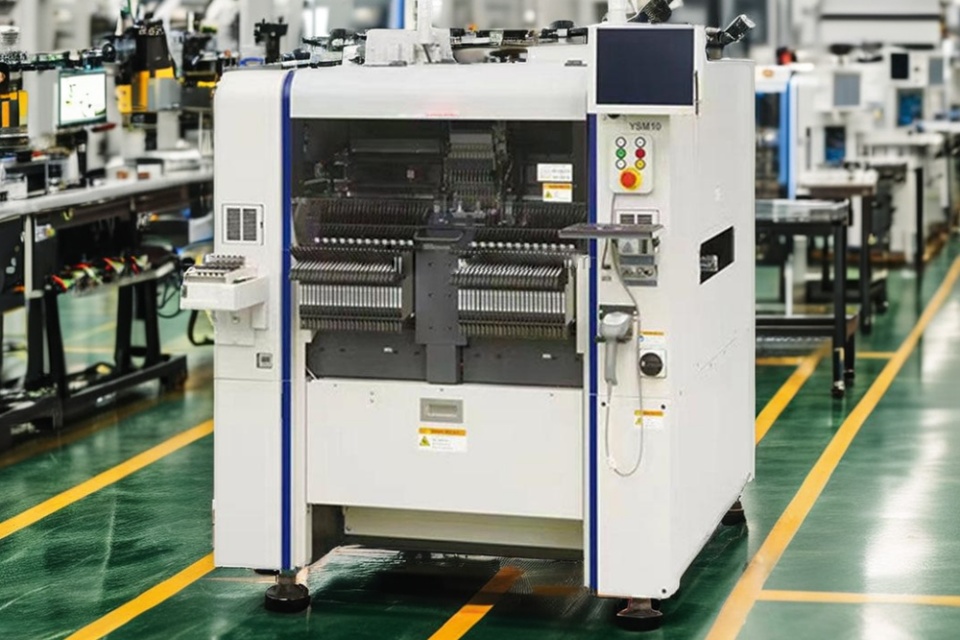
AI vision inspection is not magic. It’s a mirror.
I’m going to annoy some people: “AI vision inspection for pick and place” fails most often because humans can’t agree on labels. Skew vs shift vs rotate. Tombstoning vs shadowing. Cosmetic vs functional. AOI false-call storms that operators learn to ignore because they’re drowning in nags.
It’s brutal. And predictable.
From my experience talking to line engineers, the projects that actually survive do two unsexy things first: they lock program revision control (no more “final_final_v7”) and they enforce component/feeder traceability so you can correlate placement events with inspection results without playing detective for days.
And yes, lighting matters (don’t roll your eyes). So does camera cleanliness. So does the “golden board” process that gets skipped when production is on fire.
Digital twin: useful tool, terrible religion
Yet everyone wants a “digital twin for SMT assembly line” like it’s a perfect duplicate of reality. It’s not. It’s a model. Models drift. Sensors drift. People drift.
Here’s the version that works: a narrow twin tied to real signals—placement rate, feeder errors, vacuum faults, AOI false calls—used to answer one question at a time (bottleneck, changeover loss, WIP spikes). Anything bigger turns into a 3D screensaver with a budget.
The academic side says the same thing in fancier words: practical digital twin work keeps circling around data transfer, edge computing, and real architecture constraints, because that’s where projects live or die. 2024 paper with two industrial digital twin case studies (PDF)
Short punch. Plumbing wins.
Predictive maintenance: where ROI hides (and where it gets faked)
So let’s talk “predictive maintenance for pick and place equipment.” I like the idea. I hate how it’s sold.
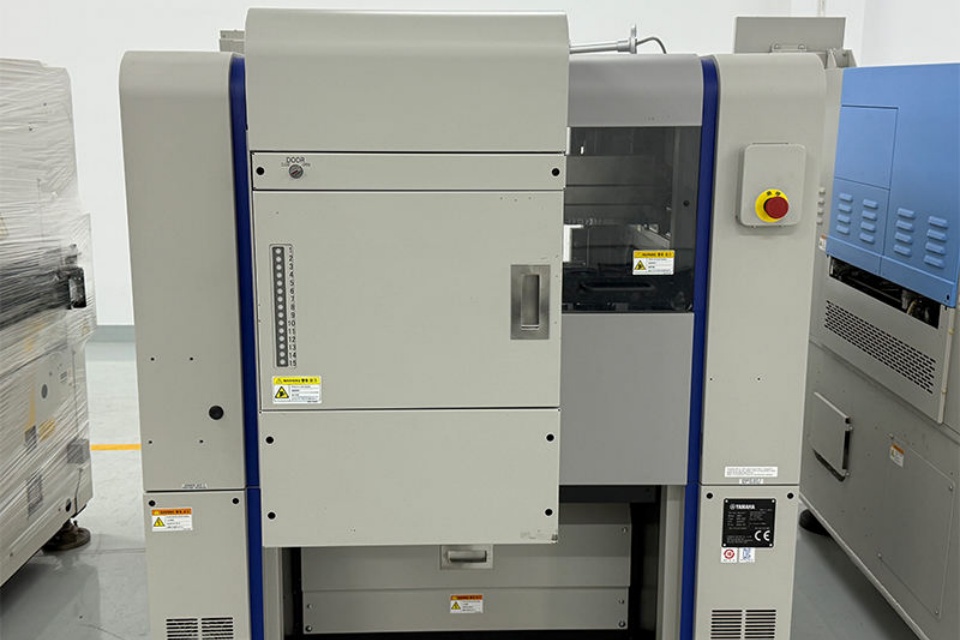
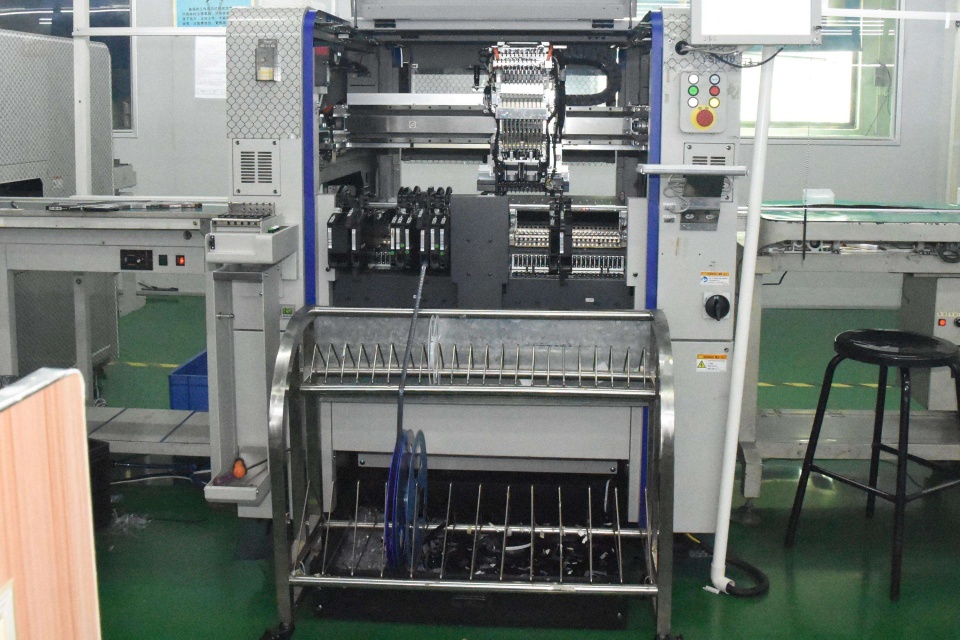
Pick-and-place failures are usually not exotic. They’re feeder misfeeds, nozzle wear, vacuum leaks, camera contamination, rail alignment drift, and intermittent faults that disappear the moment the OEM tech arrives (classic). If you can’t standardize error codes and log events consistently, you’ll “predict” nothing except frustration.
The research trend is clear enough: predictive maintenance approaches lean hard on ML + sensor data to reduce downtime, but only when the data pipeline is stable and the workflow actually acts on the signals. 2024 predictive maintenance survey (PubMed Central)
Here’s the ugly truth: a fancy platform doesn’t fix a messy maintenance culture. A clean weekly review does.
The upgrade ladder that won’t waste your year
You want the best Industry 4.0 upgrades for SMT pick and place lines? Fine. I’ll give you the ladder I’d bet my reputation on, because it favors measurables over marketing.
| Upgrade | What you really get | Typical integration pain | What to measure (weekly) | Risk level |
|---|---|---|---|---|
| Connectivity backbone (Hermes + CFX mapping, naming rules) | Traceability and line visibility that doesn’t lie | Legacy gear, partial support, “custom drivers” | Board ID continuity, event drop rate, data latency | Medium |
| IIoT-enabled pick and place machines (edge gateway + unified tags) | One place to read health + performance signals | Network segmentation, IT/OT ownership fights | Top 10 alarms, MTBF trend, feeder error rate | Medium |
| Predictive maintenance “starter” (targeted sensors + rules) | Fewer surprise stops, better spares planning | Bad baselines, missing maintenance discipline | Unplanned stops, mean time to repair, parts usage | Low–Medium |
| AI vision inspection improvements (not “AI everything”) | Lower escapes and lower false calls | Labeling, lighting, calibration drift | False-call rate, escape rate, rework minutes | Medium–High |
| Digital twin for SMT assembly line (narrow, KPI-focused) | Bottleneck prediction + what-if planning | Data mapping, model drift | Cycle time variance, changeover loss, WIP spikes | Medium |
Now, where do you start?
Prototype/NPI teams usually bleed time on changeovers, feeder staging, and program churn—so traceability + revision control is your first win. That’s why I’d push people toward prototype and small-batch SMT line solutions before they get hypnotized by dashboards.
High-volume shops? Different pain. Downtime and drift. Feeder roulette. Nozzle life getting “extended” until it bites you. That’s where high-speed mass production SMT line solutions makes more sense.
And if you’re buying or rebuilding, don’t Frankenstein a line from ten vendors and then act surprised when everyone points fingers during ramp. Build the integration plan first with turnkey SMT line solutions and make sure the humans get trained, not just the machines (training and after-sales support).
Security and liability: the new tax nobody budgets for
But here’s the part that gets “handled later” until it explodes: connectivity expands attack surface. More ports. More protocols. More remote access. More vendor tunnels.
In the EU, this isn’t just theory. NIS2 tightened expectations and set transposition by 17 October 2024, with NIS1 repealed as of 18 October 2024—dates auditors will happily recite while you scramble to explain who can log into what. EU Commission policy page on NIS2
So yes—segment networks. Yes—log access. Yes—treat suppliers like part of your risk model. This is boring. It’s also where the world is going.
FAQs
What is an Industry 4.0 pick and place machine? An Industry 4.0 pick and place machine is an SMT placement system built to output trustworthy, structured production and health data—through standard interfaces and consistent events—so traceability, monitoring, and optimization happen without manual spreadsheets or isolated “black box” software. It’s “smart” when the data is usable, end-to-end. In real life, that means stable network connectivity, consistent machine tags, program revision tracking, and clean integration with inspection and transport data.
What does “smart manufacturing pick and place” mean in a real factory? Smart manufacturing pick and place means the placement process is measurable, traceable, and able to drive corrective action using connected data across printers, mounters, conveyors, and inspection, so faults get caught early and root causes can be proven rather than guessed. The “smart” part is closed-loop control, not dashboards. If you can’t tie a defect back to a feeder, nozzle, lot, and program revision, you’re still running fast guesswork.
How does Industry 4.0 change pick and place machines? Industry 4.0 changes pick and place machines by moving value from raw placement speed (CPH) to connected intelligence: standardized data exchange, remote diagnostics, automated setup validation, and tight integration with inspection and MES tooling. The machine becomes a dependable node in a system instead of a standalone island with its own truth. This is why interface standards and naming discipline suddenly beat a small CPH bump.
What are the best Industry 4.0 upgrades for SMT pick and place lines? The best Industry 4.0 upgrades for SMT pick and place lines are the ones that improve traceability and reduce unplanned downtime first—connectivity discipline (Hermes/CFX mapping), unified alarm/event logging, targeted predictive maintenance, and inspection tuning before heavyweight AI projects. These upgrades pay back because they shrink chaos you can actually measure. Start where outcomes show up weekly: stoppages, defects, and changeover loss.
What is a digital twin for an SMT assembly line, and when is it worth it? A digital twin for an SMT assembly line is a continuously updated model that mirrors a specific line’s behavior using live and historical data, letting you simulate bottlenecks, predict throughput, and test “what-if” changes without risking production output. It’s worth it only when your line data is already consistent and trusted. If your data drops events or mislabels products, your twin becomes an expensive hallucination.
Does predictive maintenance actually work for pick and place equipment? Predictive maintenance works for pick and place equipment when it targets common failure modes—feeders, vacuum, alignment, contamination, and repetitive error patterns—and when the data pipeline stays consistent across shifts, programs, and maintenance cycles. It fails when it’s treated like a software purchase instead of an operating system for maintenance. Start small, prove downtime reduction, then scale.
Conclusion
If you’re modernizing an SMT line and you want fewer surprises, start with proof, not promises. Review real deployments in our customer cases, then pull specs from the SMT equipment catalog download. If you want a straight recommendation for your mix (prototype vs mass production, single-lane vs dual-lane, Hermes/CFX readiness), reach us via the contact page and we’ll map an upgrade path that fits your line instead of a brochure.