Stick Feeder Systems: Handling Bulk Components In Pick And Place
Stick feeder systems are not magic bulk hoppers. They are disciplined, tube-based component feeding systems that make sense when reels waste money, feeder slots, and operator time.

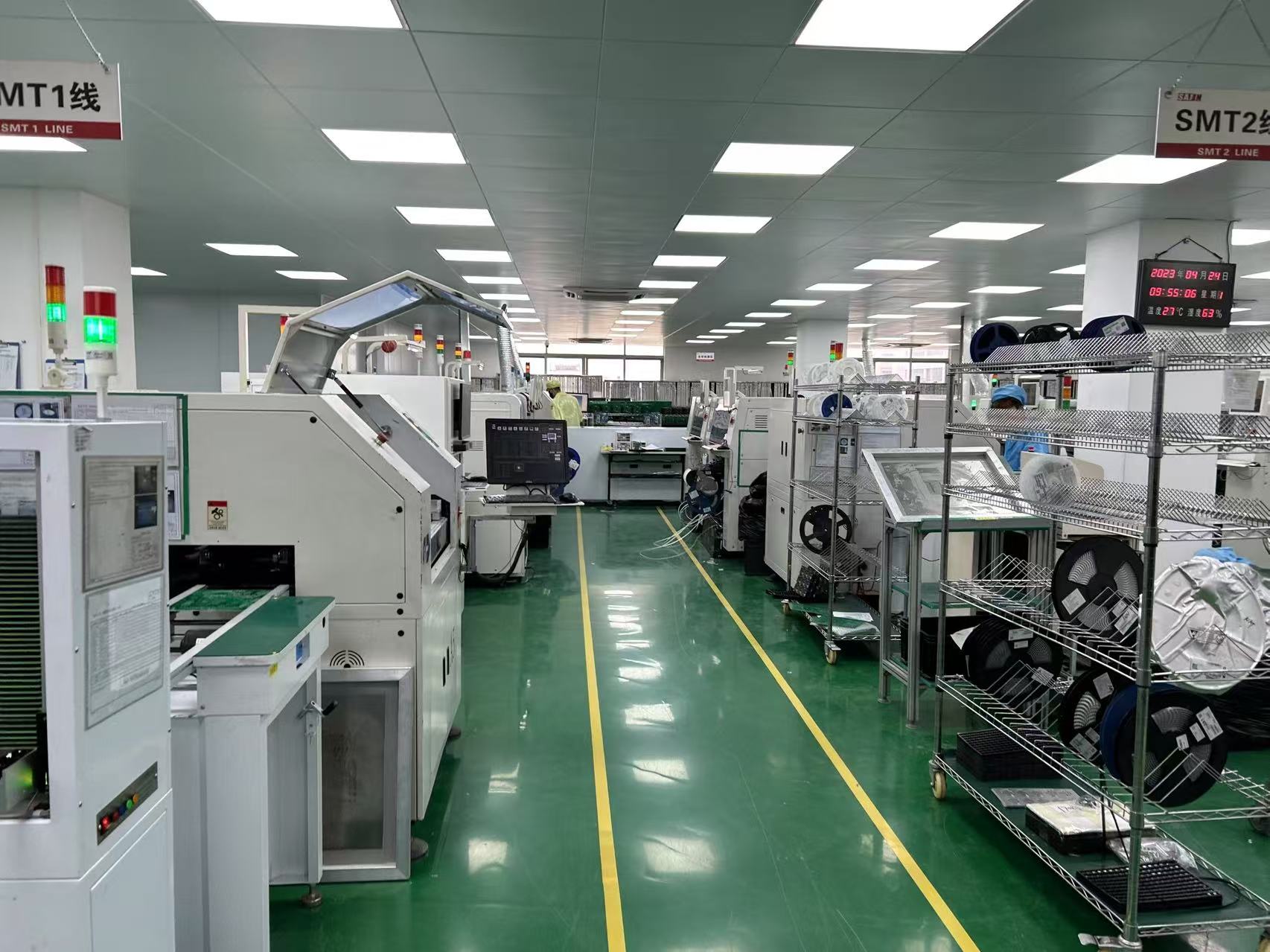
Stick feeder systems are not magic bulk hoppers. They are disciplined, tube-based component feeding systems that make sense when reels waste money, feeder slots, and operator time.
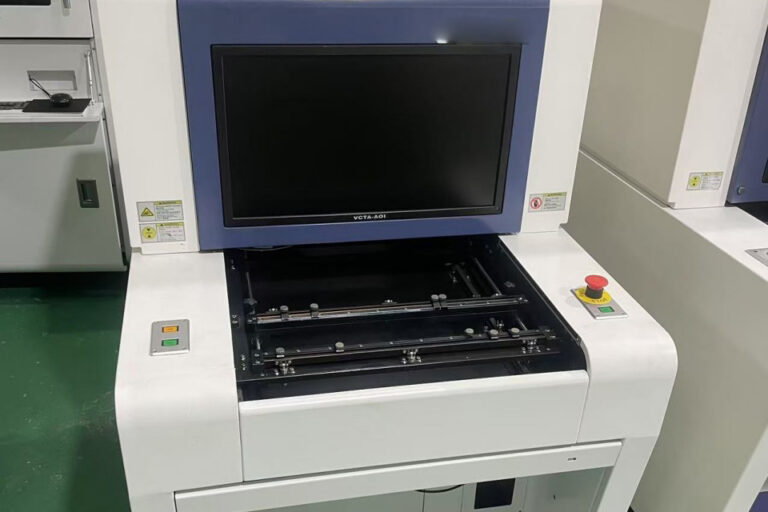
BGA and odd-shape placement failures rarely start at reflow; they usually start at pickup. This post explains how specialized nozzles, machine settings, and inspection discipline separate stable lines from expensive guesswork.
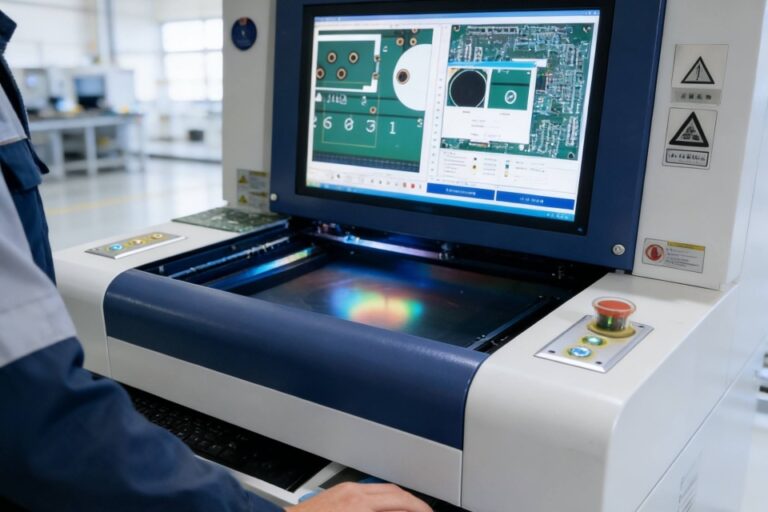
Most small manufacturers do not buy the wrong pick and place machine. They buy the right machine for the wrong reasons, then wonder why ROI never arrives. This piece breaks down what actually drives payback in low-volume PCB assembly: changeover speed, feeder strategy, labor pressure, support quality, and line fit.
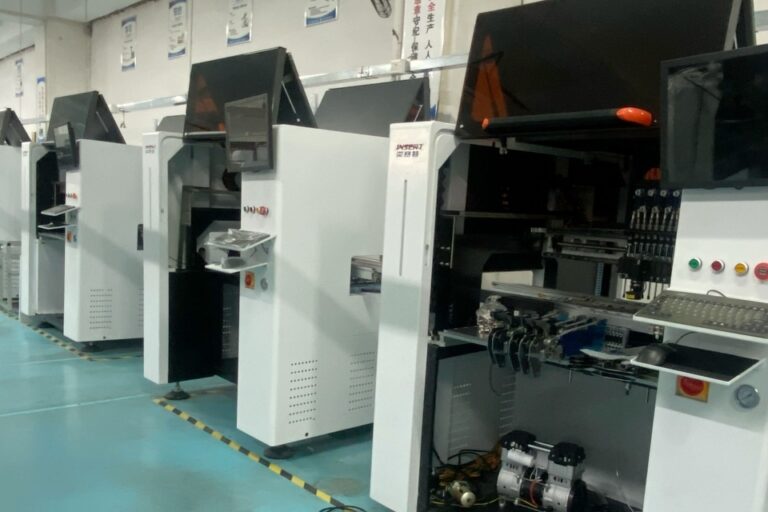
A fast placement rate does not create ROI by itself. This guide shows how to calculate pick and place machine payback in nine months using realistic SMT economics, hidden costs, and line-specific assumptions.
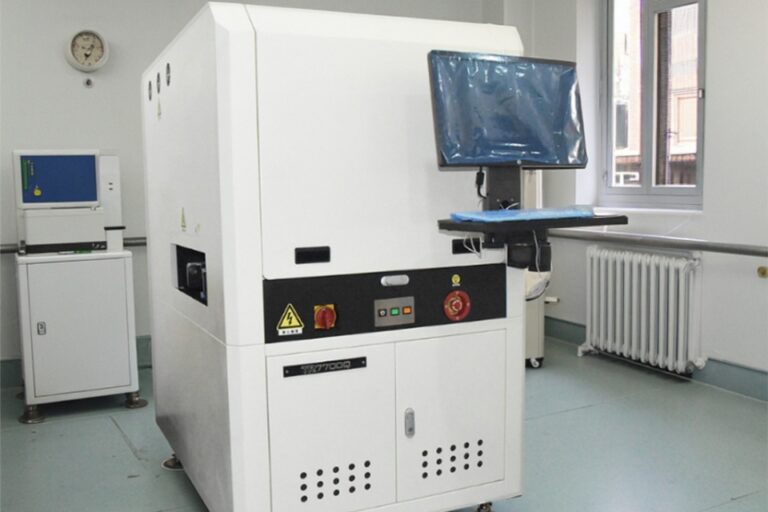
Facility layout decisions directly affect SMT production speed. This guide explains how pick and place machine layout optimization improves workflow efficiency, reduces material movement, and helps engineers design smarter SMT factory floor layouts.
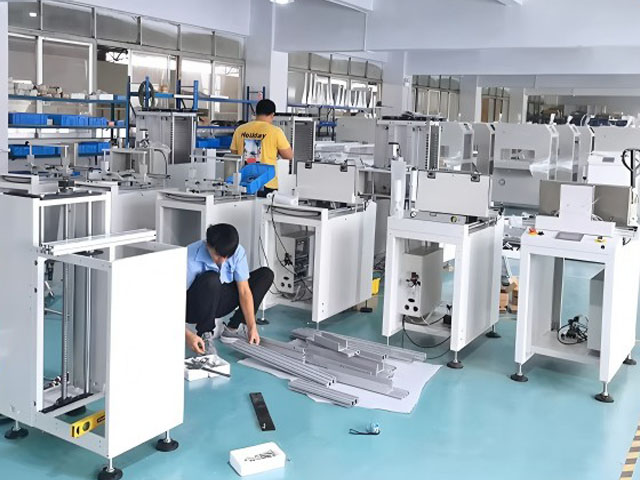
Picture this: you walk into a busy electronics workshop. Boards are sliding on conveyors; robotic arms are snapping parts in place faster than people ever could.
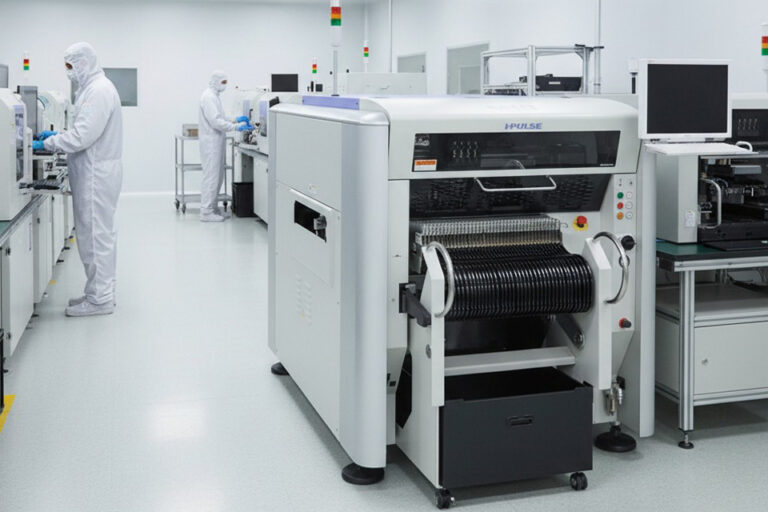
Yamaha I-Pulse M10 is a fast, precise pick and place machine with smart feeders and vision systems, boosting SMT productivity in electronics and automotive.