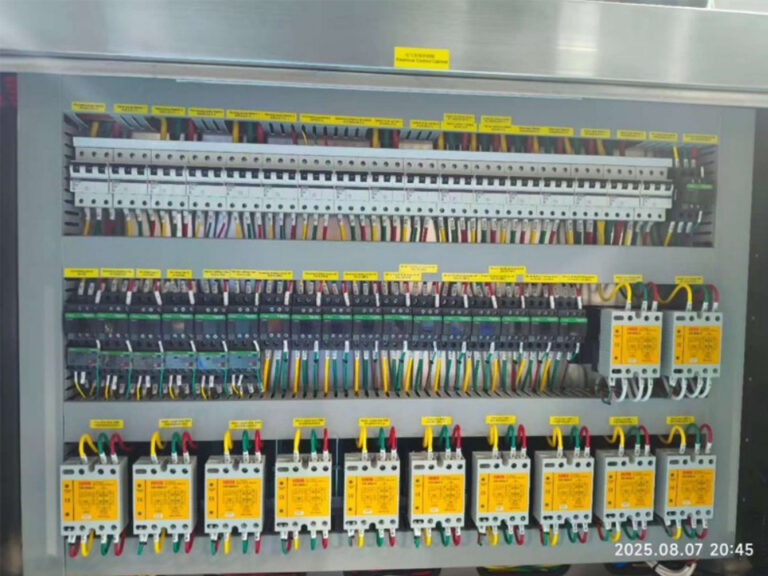
How to Calculate the Cost of Poor Quality in SMT Manufacturing
A step-by-step method to calculate SMT cost of poor quality: map defects by process step, cost rework, scrap, line stops and returns, then prioritize prevention spend.

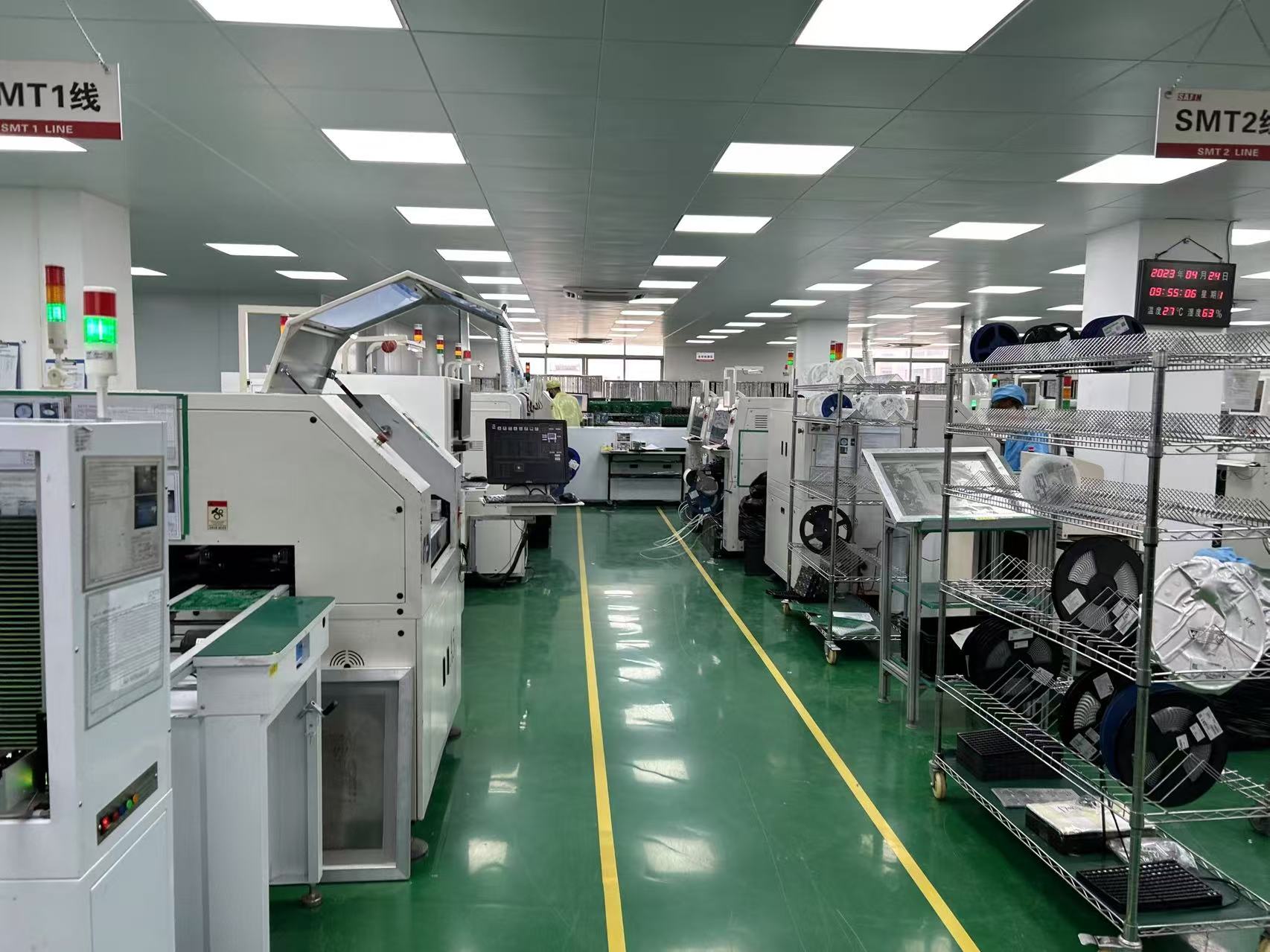
A step-by-step method to calculate SMT cost of poor quality: map defects by process step, cost rework, scrap, line stops and returns, then prioritize prevention spend.
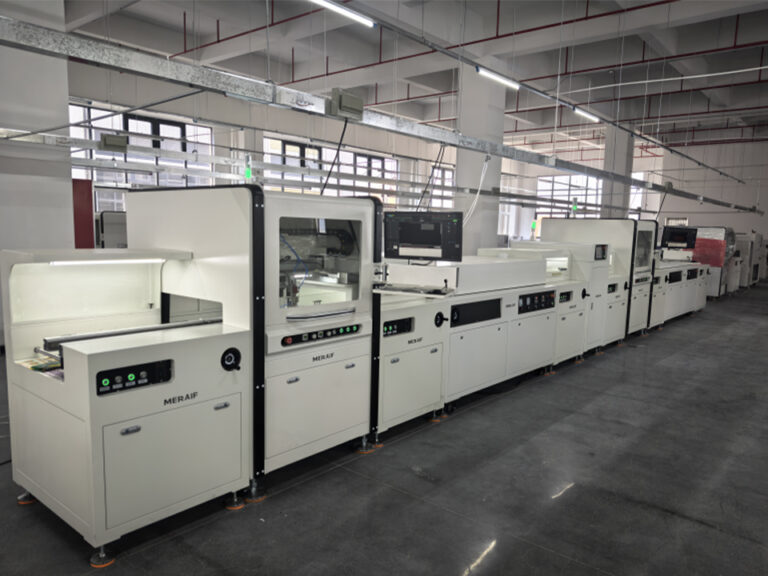
A shared SMT line can process lead-free and leaded assemblies, but only under a documented segregation and changeover system. This guide examines contamination risks, thermal profiling, inspection, traceability, and the controls weak factories routinely miss.
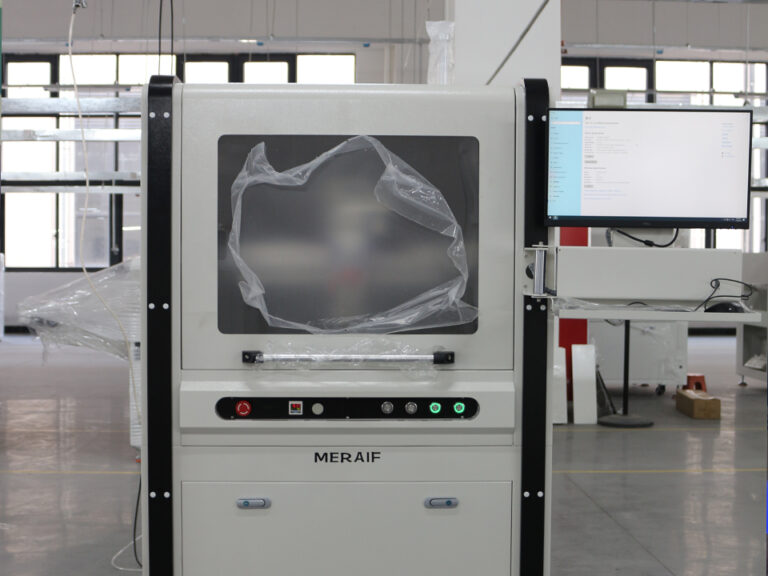
Reducing AOI false alarms is not a matter of loosening thresholds. This guide explains how to control upstream variation, optimize inspection recipes, and prove that defect escape rates remain stable.

Dense PCB settings up produce hot and cold areas that can beat an or else acceptable reflow recipe. This guide clarifies just how to measure, minimize, and control Delta-T without overheating small components or starving high-mass solder joints.
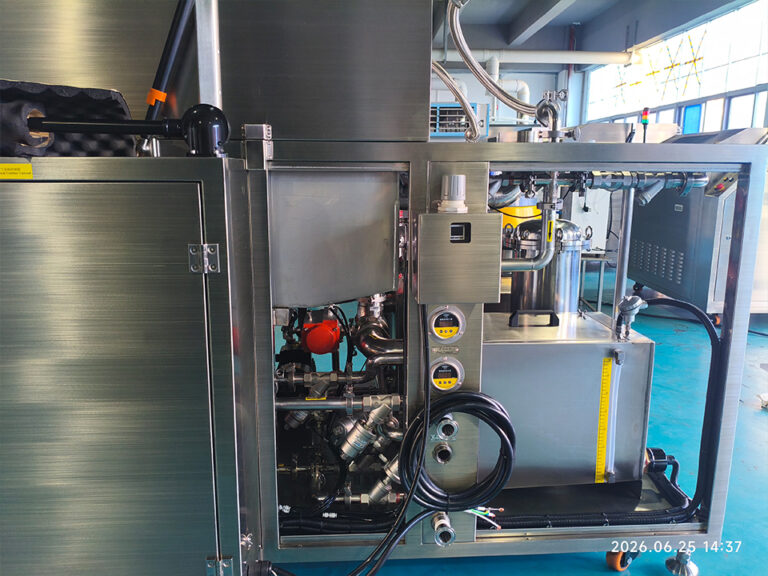
Closed-loop SMT manufacturing is greater than linking machines or showing evaluation data on one control panel. It calls for traceable board-level dimensions, controlled corrections, tough limitations, and proof that each change improves yield as opposed to hiding procedure instability.

Placement accuracy cannot eliminate physical warpage, but it can prevent warpage from becoming a solder-joint defect. This guide explains how placement, paste, support, profiling, and inspection work together.
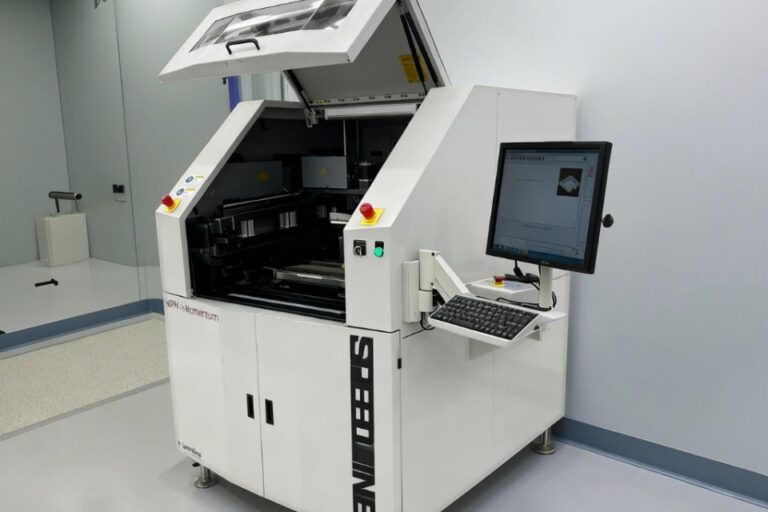
Component lift-off is not a random reflow defect. It usually starts with uneven wetting force, unstable paste volume, weak placement control, or poor thermal balance that the oven simply exposes.

BGA solder depletion looks like a paste problem until you profile the board and see the cold spots. This post breaks down reflow shadowing, what it does to BGAs, and the fixes that actually hold up on the line.