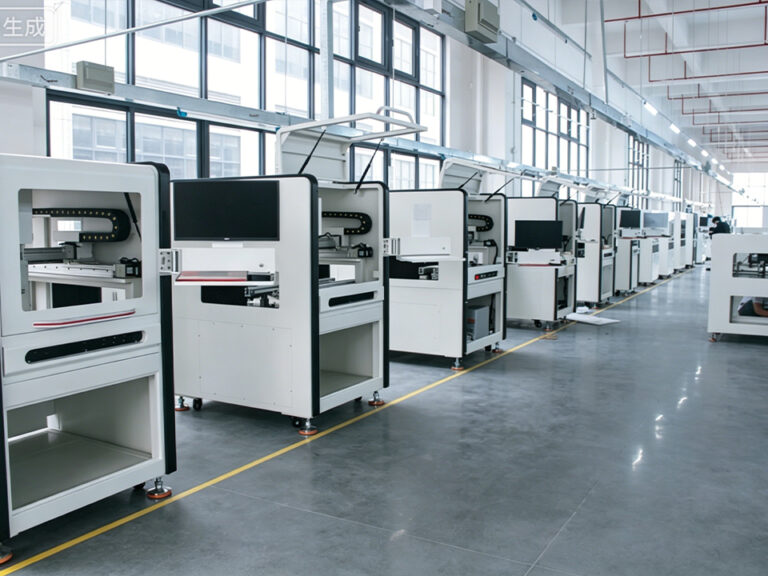
If you’ve ever stood next to a pick-and-place line during a hot changeover, you already know the truth: feeding is where uptime lives or dies. Vision can be perfect, nozzles can be clean, the program can be solid… and one bad feed still kills your OEE.
That’s why tape and reel feeders became the default SMT feeder choice for most SMD parts. They’re repeatable, scalable, and they fit how modern lines actually run. TI even describes tape-and-reel as the primary container and says most components ship that way.
And if you’re building or upgrading a line, this isn’t just theory. Meraif positions itself as a turnkey SMT line solutions provider (their site literally uses “Top 1 Turnkey SMT Line Solutions Expert in China” and the 20+ years factory-experience pitch). Their product range also calls out SMT Feeder options including tape, tray, and tube feeders, with “quick-change” and “smart ID” to cut changeover time and lift uptime.
Tape-and-reel is the most common / standard SMT feeding method
Tape-and-reel isn’t “popular” by accident. It’s popular because it matches how components ship, store, and run on machines.
- TI: “Most components ordered… are delivered in the embossed tape-and-reel configuration,” made of carrier tape + cover tape + reel.
- Industry packaging docs explain the same physical stack: pocketed carrier tape, sealed cover tape, sprocket holes for indexing, then wound on a reel.
So when people say “standard feeding system,” they usually mean: this is the path of least friction from supplier → warehouse → line → placement.
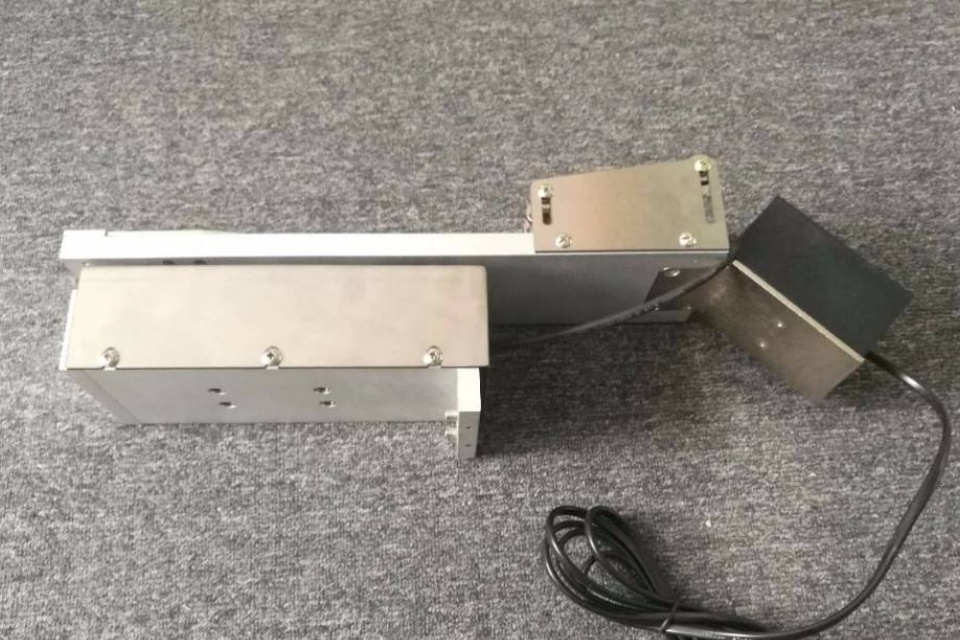
It can turn continuous feeding into a programmable pick-and-place workflow
Tape feeders do one thing really well: they convert a long strip of parts into predictable pick positions.
That predictability is mechanical, not vibes:
- sprocket holes drive positive indexing
- the cover tape peels back while the carrier advances
- pick position stays consistent reel after reel (until someone loads it wrong… yeah, happens)
In real production terms: this is how you keep CPH stable without baby-sitting the line.
Repeatability makes tape-and-reel the preferred pick and place method
Here’s the blunt shop-floor argument: repeatability beats cleverness.
Circuits Assembly puts it plainly: tape-and-reel is preferred for automated SMT assembly because it’s easy to use and highly repeatable, and “everything from resistors to BGAs to odd-form components” can show up in tape-and-reel.
That’s why most lines standardize around tape feeders first, then bring in tray/tube only when needed.
EIA-481 standardization enables feeder interoperability
This is the boring part that saves you from disasters.
Standards like EIA-481 define the mechanical relationships that make tape-and-reel compatible across suppliers and feeders. TI explicitly ties its tape-and-reel configuration to EIA-481 variants.
Onsemi also points out that Pin 1 orientation rules in tape-and-reel packaging are governed by EIA-481 so automated placement stays consistent.
Translation: you don’t want a “creative” tape format. You want the one your feeders and programs expect.
High-speed feeding risks: component movement, flipping, static, and peel-force issues
Now the part people skip in marketing slides: feeding is mechanical violence. Fast, controlled violence.
Two common failure buckets:
- Cover tape peel behavior
Peel force matters. One tape-and-reel user guide cites cover tape peel force in a defined range (0.1 N to 1.3 N at a stated peel speed), and links it to EIA compliance.
If peel force is off, you get weirdness: part lift, part flip, inconsistent pick, occasional “why did the nozzle eat plastic” moments. - Static during peel
That same guide discusses electrostatic charges and why static -dissipative materials matter during peeling before pick-and-place.
On the line, that shows up as mis-picks that look random. They aren’t random. They’re just annoying.
This is where “smart feeders” and solid materials help, but you still need good process habits.
Hidden changeover loss: leader/trailer, cover tape peel-back, and scrap
Every operator knows this pain. You load a reel, thread the tape, peel back cover tape… and those first pockets often become “not usable for machine pick.”
Circuits Assembly describes a typical setup where the first 12″ to 18″ of cover tape gets peeled and wound onto the take-up spool, and the components under that peeled cover tape can’t be machine-picked and are often scrapped (or hand placed if they’re high value).
That’s why people in EMS talk about:
- kitting headaches
- setup scrap
- line stops
- and why your “small batch” jobs feel expensive even when the board is simple
No need to do cost math here. You already feel it.
Reel splicing and cover tape extenders reduce downtime and kitting pain
If you run high-mix or you’re doing constant NPI churn, you’ve probably met these terms:
- reel splicing
- cover tape extenders
- leader tape / leader cheaters (yeah, the nickname is real)
Circuits Assembly explains reel splicing kits as a way to eliminate downtime when reels run out, and also explains cover tape extenders as popular in high-mix production because they reduce scrap and ease kitting logistics.
This is classic “small fix, big relief.” Not magic. Just fewer stupid stops.
Tape-and-reel is not ideal for all components: large, heavy, ceramic, fragile leads
Tape-and-reel wins for most SMDs, but it’s not universal.
A manufacturing systems paper points out tape-and-reel works well for relatively small parts that fit standard tape widths, but for devices that are large, heavy, ceramic, or have fragile leads, tapes can be impractical.
That’s when trays, tubes, custom pallets, or odd-form feeders start to make sense.
Tape feeder vs tray feeder vs tube feeder is a speed and protection trade-off
This is the simplest decision frame I’ve seen work on real lines:
| Feeder type | Best-fit parts | Why people choose it | What usually hurts |
|---|---|---|---|
| Tape feeder (tape-and-reel) | chips, ICs, most SMD | fast indexing, repeatable pick, easy scaling | peel issues, static, leader/trailer waste |
| Tray feeder | BGAs, QFNs in trays, sensitive packages | protection, stable orientation in pockets | tray handling, replenishment rhythm |
| Tube feeder | connectors, some odd packages | simple storage, decent for certain SKUs | jams, inconsistent flow, not great for tiny passives |
Meraif’s own site groups feeders the same practical way: tape, tray, and tube feeders for major brands, aiming at steady supply + quick changeover to boost uptime.
Evidence table: shop-floor claims you can defend
| Claim (headline-ready) | Concrete support | Source |
|---|---|---|
| Most components ship in embossed tape-and-reel | “Most components… delivered in embossed tape-and-reel,” carrier + cover tape sealed, wound on reel | TI packaging methodology |
| Tape-and-reel is preferred for automated SMT feeding | Preferred due to ease of use and high repeatability | Circuits Assembly |
| EIA-481 drives interoperability and orientation rules | EIA-481 referenced as standard; Pin 1 orientation rules governed by EIA-481 | TI + onsemi |
| Peel force and ESD matter during cover tape removal | Defined peel-force range; static-dissipative materials reduce charge build-up | Tape & reel user guide |
| Tape isn’t right for every component | Large/heavy/ceramic/fragile-lead devices can make tape impractical | Production economics paper |
Where Meraif fits: SMT Feeder supply + turnkey line thinking
If your bottleneck is feeding (and honestly, it often is), you don’t just need “a feeder.” You need a plan:
- reduce changeover time
- avoid mis-picks and feeder jams
- keep slot mapping clean
- keep the line running when reels run out
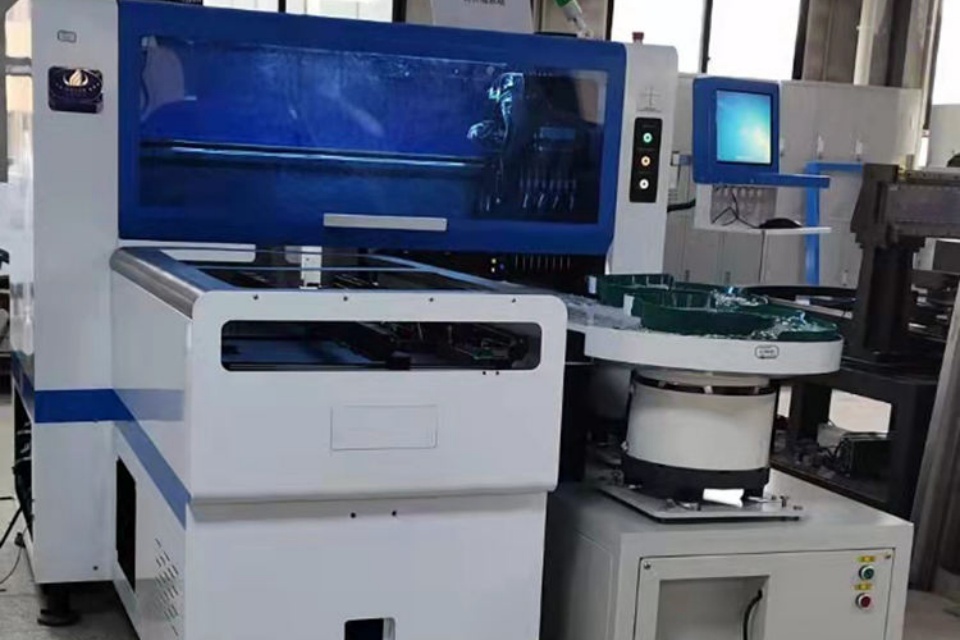
Meraif’s positioning is basically built around that “whole line” mindset—turnkey SMT line solutions plus a wide feeder/parts catalog, and the site highlights feeder categories, brand coverage, and uptime-driven features like quick-change and smart ID.
If you want the feeder category page for context (and for your internal linking), it’s here: SMT Feeder: https://pickandplacemachine.com/smt-feeder/
Also, if you’re a wholesaler or you need OEM/ODM style supply, that product structure fits bulk-buy behavior pretty well (feeders, carts, nozzles, spare parts, the whole kit). It’s not fancy. It’s practical, and practical wins on the floor.
Quick line-side checklist (no fluff)
- Verify tape format and orientation against your program and feeder direction (Pin 1 rules matter).
- Watch cover tape peel: if pick errors spike, don’t blame vision first—check peel force and static behavior.
- For high-mix, plan around leader/trailer waste and setup scrap; consider extenders/splicing strategy.
- For big/heavy/fragile parts, don’t force tape-and-reel just because it’s common—go tray/tube where it makes sense.
That’s it. Keep it simple. Keep it running. And when your feeder strategy is solid, everything downstream gets easier (not perfect… but less painful).