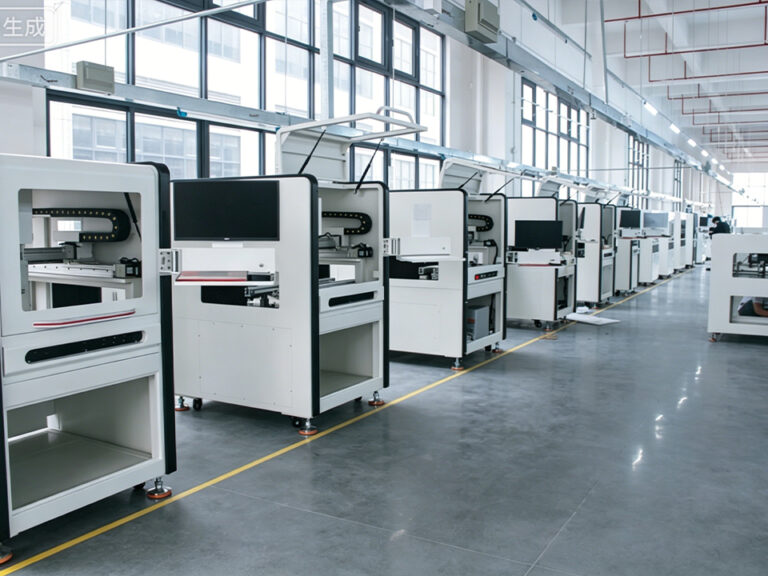
Walk into enough SMT factories and you’ll notice something uncomfortable. Expensive equipment everywhere—high-speed placement machines, AOI systems, reflow ovens—yet the line itself feels… awkward. Operators walking too far. Material carts blocking aisles. Buffers forming in the wrong places.
This isn’t a machine problem.
It’s a layout problem.
And in modern electronics manufacturing, facility layout optimization for pick and place machine workflows often determines whether a factory runs at 65% utilization or pushes past 90%. The difference is millions of components per hour—and real money.
Let’s break down what actually works on a modern SMT floor.
Why Layout Matters More Than Machine Speed
Manufacturers obsess over CPH (components per hour). Vendors market it aggressively.
But experienced process engineers know something uncomfortable: line layout often destroys the theoretical speed advantage of the machine itself.
A 120,000 CPH line can easily behave like a 70,000 CPH line if the workflow is poorly designed.
Common bottlenecks include:
- feeder replenishment delays
- PCB transfer congestion
- inspection feedback loops
- inefficient material flow
- operator walking time
When you examine high-performing factories, a pattern appears. The machines matter, yes—but the electronics manufacturing line layout determines whether those machines actually perform at scale.
In practice, layout optimization targets three variables simultaneously:
- Material flow speed
- Operator efficiency
- Machine utilization
Miss any one of these and throughput collapses.
Core Principles of Pick and Place Machine Layout Optimization
There’s no single universal blueprint. Different product mixes require different structures. Still, high-performance SMT factories follow several consistent principles.
1. Linear Flow Always Beats Complex Routing
The most efficient pick and place machine workflow design follows a straight-line progression:
Stencil Printer → SPI → Pick & Place → AOI → Reflow → Inspection
Every deviation from this adds friction.
Factories that attempt U-shaped loops or zig-zag routing often do it to save floor space. Ironically, they end up losing production efficiency instead.
That’s why most high-speed mass production lines follow strict linear sequencing. You can see typical configurations in large-scale systems like these: https://pickandplacemachine.com/solution/high-speed-mass-production-lines/
2. Material Should Move Shorter Distances Than Operators
A surprising rule in SMT factory floor layout planning:
Material movement should be minimized even more than human movement.
Why?
Because material delays cascade. One missing feeder lane can halt the entire line.
Smart layouts position feeder preparation stations directly behind placement machines. This enables rapid swaps without crossing production aisles.
Some factories go further and implement kitting zones near the line entry point.
These approaches are commonly implemented in integrated setups such as turnkey SMT line solutions: https://pickandplacemachine.com/solution/turnkey-smt-line-solutions/
3. Buffer Zones Prevent Throughput Collapse
Every SMT process step runs at slightly different speeds.
Without buffers, the slowest station throttles the entire line.
Typical buffer placements include:
- between SPI and placement machines
- before reflow ovens
- after AOI inspection
But there’s nuance here.
Too much buffering increases WIP inventory. Too little causes machine starvation.
Optimal efficient pick and place production flow balances both.
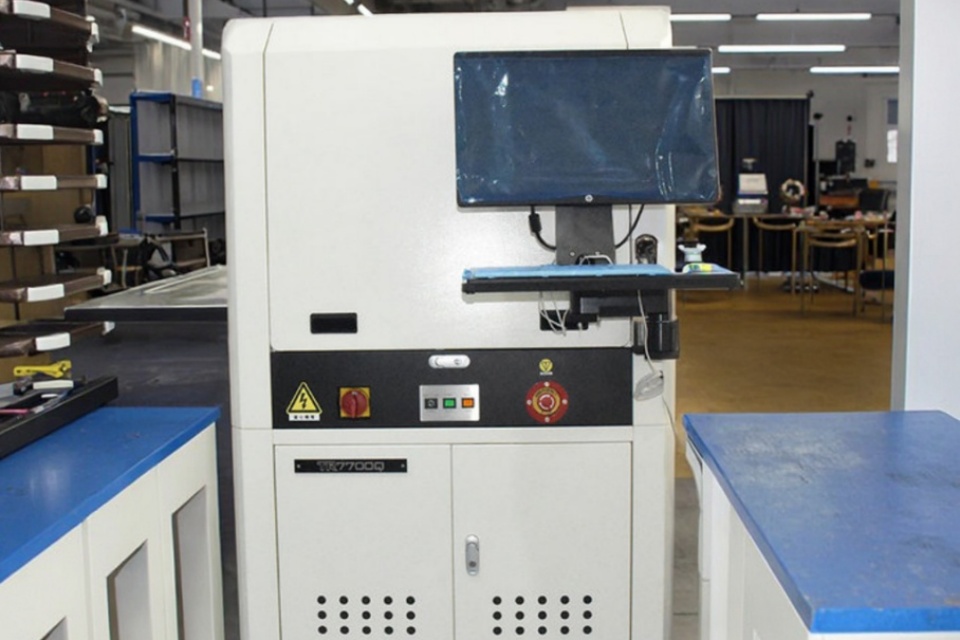
Layout Models Used in Modern SMT Facilities
Across the industry, several layout patterns dominate.
Inline High-Speed Lines
Used in automotive, telecom, and consumer electronics mass production.
Characteristics:
- long linear layout
- multiple placement machines
- automated material supply
These systems maximize speed and stability. They are typical for large-volume solutions like: https://pickandplacemachine.com/solution/high-speed-mass-production-lines/
Flexible Mixed SMT Lines
High-mix electronics manufacturing requires adaptable layouts.
These lines prioritize:
- rapid feeder changeovers
- shorter machine clusters
- modular inspection stations
Examples of such configurations appear in mixed SMT production lines: https://pickandplacemachine.com/solution/mixed-smt-lines/
Prototype and Small Batch Layouts
Small-scale production lines behave differently.
Speed matters less. Flexibility dominates.
Typical characteristics:
- fewer placement machines
- manual component preparation
- modular inspection tools
Design approaches for this scenario are often detailed in prototype SMT line solutions: https://pickandplacemachine.com/solution/prototype-small-batch-lines/
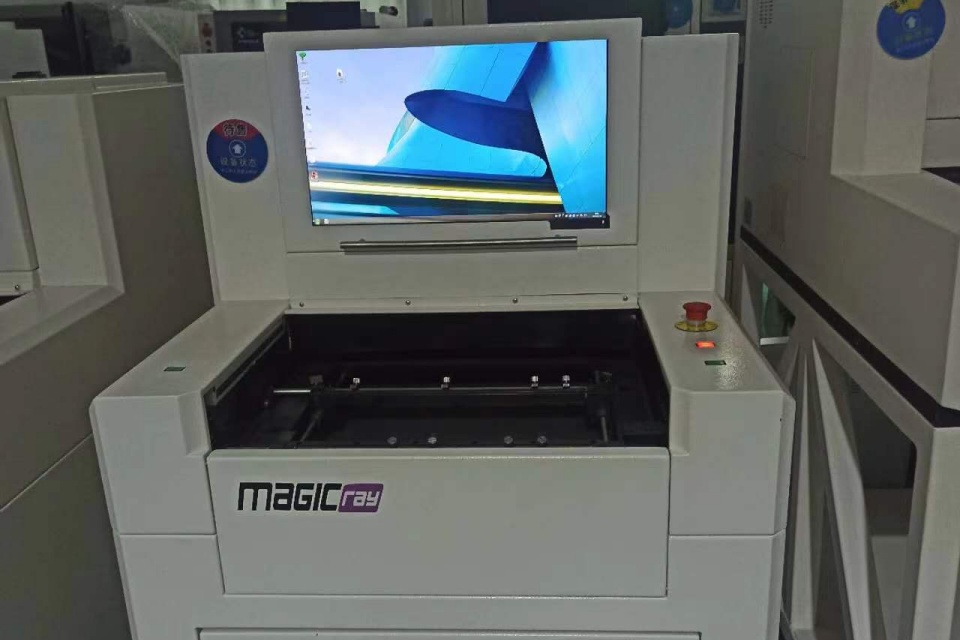
The Hidden Variable: Operator Motion
Engineers love machine metrics.
But in layout optimization, operator walking distance can quietly destroy productivity.
A well-known internal study across multiple SMT plants showed something striking:
Reducing operator travel distance by 30% increased line uptime by 8–12%.
Why?
Because feeder replacement, troubleshooting, and quality checks happen faster.
Effective layouts therefore include:
- centralized feeder prep stations
- tool storage near the line
- clear walking corridors
- minimal crossing traffic
These adjustments seem minor on paper. In reality, they transform the best layout for pick and place machines.
Machine Placement Strategy: Speed Balancing
Another common mistake in layout planning is mismatching machine capability.
Example:
A high-speed chip shooter followed by a slower multifunction machine.
If the line isn’t balanced properly, the second machine becomes a bottleneck.
Experienced engineers apply placement balancing, which includes:
- distributing components across machines
- optimizing feeder placement
- analyzing cycle time variance
Many case studies demonstrating these techniques can be found in the customer project archives: https://pickandplacemachine.com/resource/customer-cases/
Data-Driven Layout Optimization
Modern factories increasingly use simulation tools.
These tools analyze:
- feeder replenishment frequency
- PCB travel times
- machine cycle variance
- operator interaction patterns
The result is a digital model of the entire SMT production line.
This allows engineers to answer the key question:
How to optimize pick and place machine workflow before installing equipment?
Simulation reduces costly redesign later.
Technical documentation and engineering resources often help teams evaluate these scenarios: https://pickandplacemachine.com/resource/
When Factories Get Layout Wrong
Poor layout choices create predictable symptoms.
Watch for these warning signs:
- operators constantly crossing machine paths
- feeder carts blocking production aisles
- excessive WIP between processes
- AOI inspection queues
- uneven machine utilization
These signals almost always trace back to flawed SMT line layout optimization.
And fixing them later is expensive.
That’s why serious manufacturers perform layout planning before purchasing equipment.
The Strategic Advantage of Layout Planning
A properly optimized SMT facility doesn’t just run faster.
It becomes easier to scale.
New placement machines can be inserted without disrupting workflow. Inspection systems can expand. Automation becomes possible.
Companies that treat layout as a strategic engineering discipline—not an afterthought—tend to dominate production efficiency.
Many manufacturers approach this through dedicated engineering consultation and training support: https://pickandplacemachine.com/solution/training-after-sales-support/
Final Thoughts
Pick and place machines may define the capability of an SMT line, but facility layout defines its reality.
Poor layouts waste machine speed, inflate labor costs, and create bottlenecks that no amount of automation can fix.
Optimized layouts do the opposite. They unlock throughput that already exists inside the equipment.
If you want to explore equipment configurations, production line designs, or full system planning, you can review the full range of solutions here: https://pickandplacemachine.com/solution/
Or contact an engineering team directly for layout consultation: https://pickandplacemachine.com/contact/
Because in SMT manufacturing, the smartest investment isn’t always the fastest machine.
Sometimes, it’s simply placing the machines in the right place.