If you run SMT for real, you know this moment.
The last board of Job A leaves the line. Everyone feels good for about 6 seconds. Then you look at the next work order and you think, “Alright… feeder swap time.” Now the line sits there. People walk. Someone hunts a reel. Another person asks, “Which slot was 0603 10k again?” It’s not dramatic. It’s just… slow. And yeah, it adds up fast.
This article shows a feeder changeover procedure that keeps your setup time tight, your miss-picks low, and your first board more likely to pass. I’ll keep it practical, because you don’t need theory. You need the line running.
You can apply this on almost any line, from high-mix EMS to straight mass production. And if you’re building a turnkey line with Meraif, this is the kind of standard work that makes the whole system feel “easy” day to day.
SMT feeder changeover time is usually “walking time”
Most changeovers don’t burn time on the machine. They burn time on humans.
Here’s what typically steals minutes:
- Searching for the right reel (wrong location, wrong label, empty stock)
- Swapping feeders one-by-one with no plan
- Fixing last-minute feeder errors (wrong pitch, wrong part, wrong lane)
- Re-teaching because data doesn’t match reality
- Waiting for QC or process to “come take a look”
So the goal is simple: reduce walking, reduce guessing, reduce rework.
SMED changeover in SMT: internal vs external setup
SMED (Single-Minute Exchange of Die) sounds fancy, but the idea is basic:
- Internal setup = machine stopped
- External setup = machine running (or before the stop)
Every feeder changeover procedure should push work from internal to external.
Internal setup tasks you can’t avoid
- Unload old feeders from the bank
- Load new feeders into the bank
- Run verification and first-board checks
External setup tasks you should move upstream
- Kitting reels and feeders
- Checking substitutes and alternates
- Verifying reel quantity and MSD rules
- Preparing the feeder cart and tool kit
- Printing labels, job traveler, and checklists
If your team still does “kit while line is down,” you’re paying the worst kind of downtime. It’s like cooking dinner after guests arrive.
Offline kitting: build the next job away from the machine
Offline kitting is the backbone. No kitting, no fast changeover. Simple.
A clean offline kit includes:
- Feeder list (slot plan + feeder type + pitch + quantity)
- Reels labeled (part number, lot/date code, side, and job ID)
- Feeder setup (reel loaded, leader length ok, cover tape routed clean)
- Alternates already approved (so you don’t argue mid-changeover)
A lot of teams speed up by staging kits on a dedicated cart. That’s why a SMT Trolley or feeder cart matters. It’s not “extra equipment.” It’s a time-control tool.
Quick rule: one kit = one job = one cart spot. Don’t mix. Mixing feels flexible, but it gets messy real quick.
Feeder bank strategy: keep common parts loaded
If you do frequent product switches, don’t treat every job like a fresh start.
You can keep a “common bank” loaded with parts that show up all day:
- Common resistors/caps (popular values)
- Standard LEDs
- Typical connectors (if they repeat)
- House parts you buy in bulk
Then you only swap the job-specific feeders.
This works best when you standardize feeder types and keep spares ready. If you source SMT Feeder sets in batches (and keep them maintained), your team stops babysitting broken latches and worn tapes.
And yes, feeder condition matters. A tired feeder turns “quick change” into “why is it skipping again??”
Feeder verification: stop errors before the first board
Fast changeover is useless if the first panel is scrap.
So you need a short verification loop that’s strict, but not slow.
Practical error-proofing steps
- Scan feeder ID + reel ID (barcode/RFID if you have it)
- Cross-check against BOM + placement program
- Verify pitch and lane settings (8mm/12mm, etc.)
- Confirm nozzle and pickup height for tricky parts
- Do a dry-run or single-cycle check (depends on machine)
If you don’t have scanning yet, use a two-person callout:
- Operator reads slot + part
- Second person points at the reel label and confirms
It feels old school. It also prevents dumb mistakes. And dumb mistakes cost the most time.
Standard work checklist for feeder changeover
This is the part many factories skip. Then they wonder why every changeover time is random.
Use a checklist that’s short enough people will actually use.
Here’s a solid flow (you can print it and stick it to the cart):
| Step | Task | Owner | Internal/External | Common failure |
|---|---|---|---|---|
| 1 | Freeze next-job BOM + program + feeder list | Process | External | Last-minute revision chaos |
| 2 | Kit reels, label, and load feeders | Material + Operator | External | Wrong reel / missing label |
| 3 | Stage kit on cart with tools and spares | Material | External | No splice tape, no cover tape tool |
| 4 | Stop line, clear last boards, lockout if needed | Operator | Internal | Boards still in conveyor |
| 5 | Remove old feeders and store by ID | Operator | Internal | “Temporary” pile becomes forever pile |
| 6 | Load new feeders by slot plan | Operator | Internal | Slot mismatch |
| 7 | Run verification (scan or double-check) | Operator + QA | Internal | Wrong part loaded |
| 8 | First board run + quick inspection | QA | Internal | Paste/placement drift not caught |
| 9 | Log changeover time + issues | Lead | Internal | No data = no improvement |
Do this for a month and you’ll see patterns. The data will basically tell you what’s broken.
Changeover time data: track the right metrics
Don’t just track “total changeover minutes.” That number hides the truth.
Split it into buckets so you know what to fix.
| Time bucket | What it means | Typical cause | Fix direction |
|---|---|---|---|
| Kitting delay | Kit not ready before stop | shortage, unclear feeder list | better planning + pre-kitting |
| Feeder swap time | hands-on swapping | poor slot plan, no common bank | slot standard + feeder cart flow |
| Verification time | checking & correction | missing scan, poor labels | scanning + label rules |
| First-board debug | issues after start | wrong part, poor pickup, program mismatch | tighter verification + program discipline |
Even rough numbers help. You’ll quickly see if your line is slow because of material prep, not the machine.
(And yeah, sometimes it’s just thier “where did we put it” problem.)
Real-world scenarios where this procedure pays off
High-mix EMS (many small orders)
You win by offline kitting + common bank + strict verification. The best EMS shops treat changeover like a product. They design it.
Mass production (long runs, but frequent model refresh)
You win by family setups. Group jobs that share feeders. Keep golden programs. Keep spare feeders ready. Don’t rebuild every time.
New product introduction (NPI)
You win by slow is smooth, smooth is fast. Run a calmer changeover, but log every issue. Then lock it into standard work before ramp.
Don’t forget the rest of the line: PCB handling and depaneling
A fast feeder swap won’t help if boards jam at the loader or pile up after reflow.
So look at the full flow:
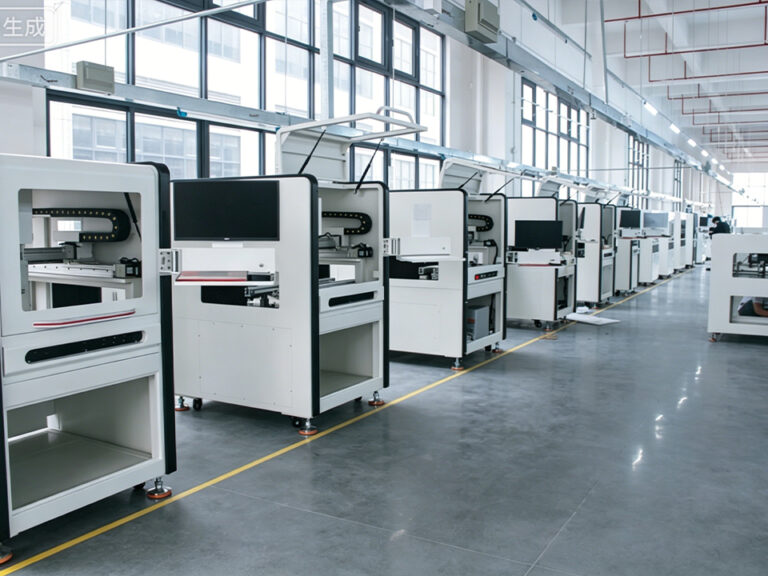
- Pick and Place Machines need stable feeding
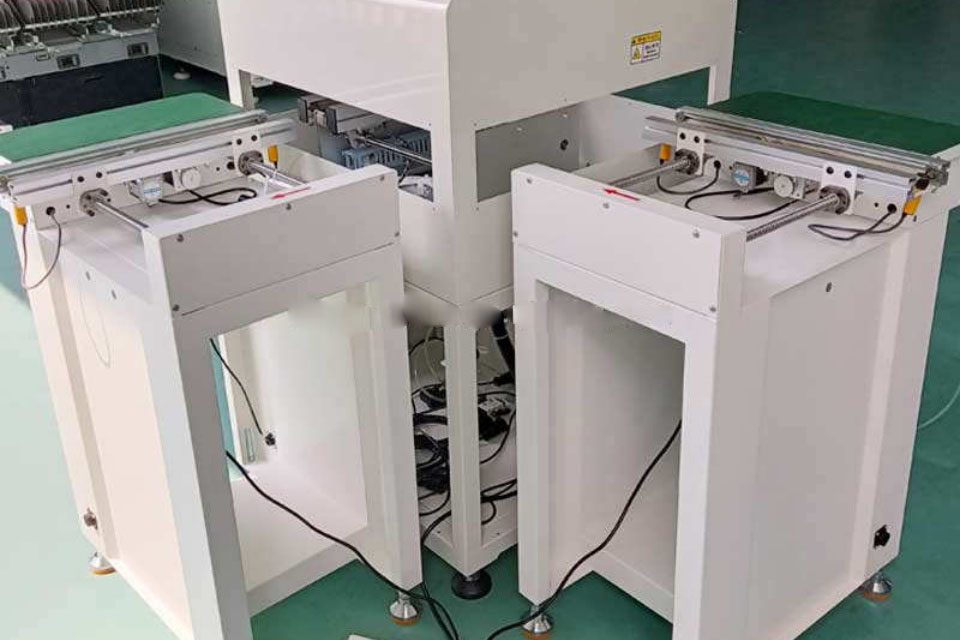
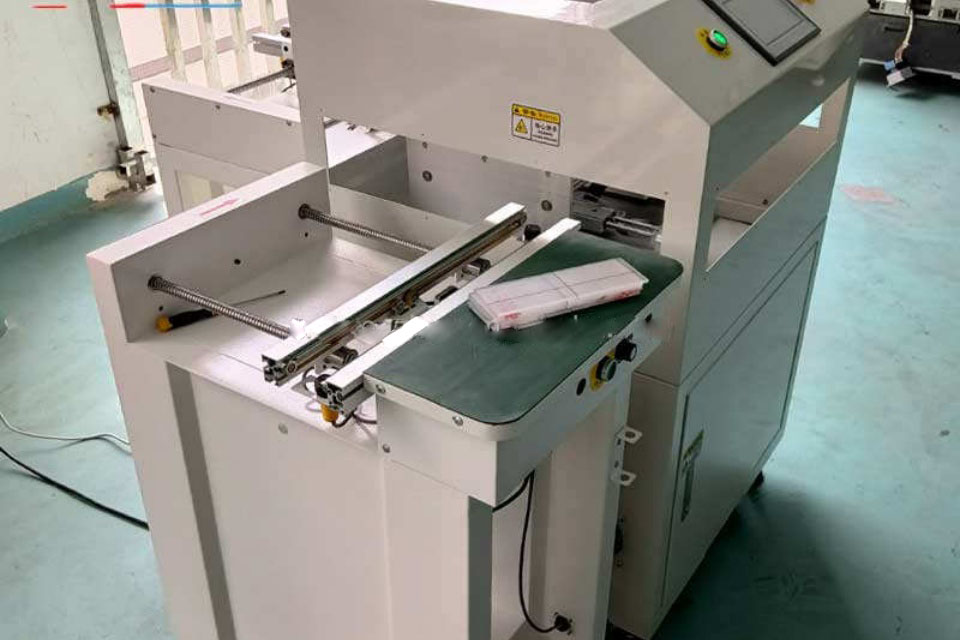
- PCB Handling Machines keep takt time stable between stations
- Reflow Ovens need consistent thermal conditions (don’t rush warm-up rules)
- Cleaning and maintenance still matter, because dirty fixtures create “mystery defects”
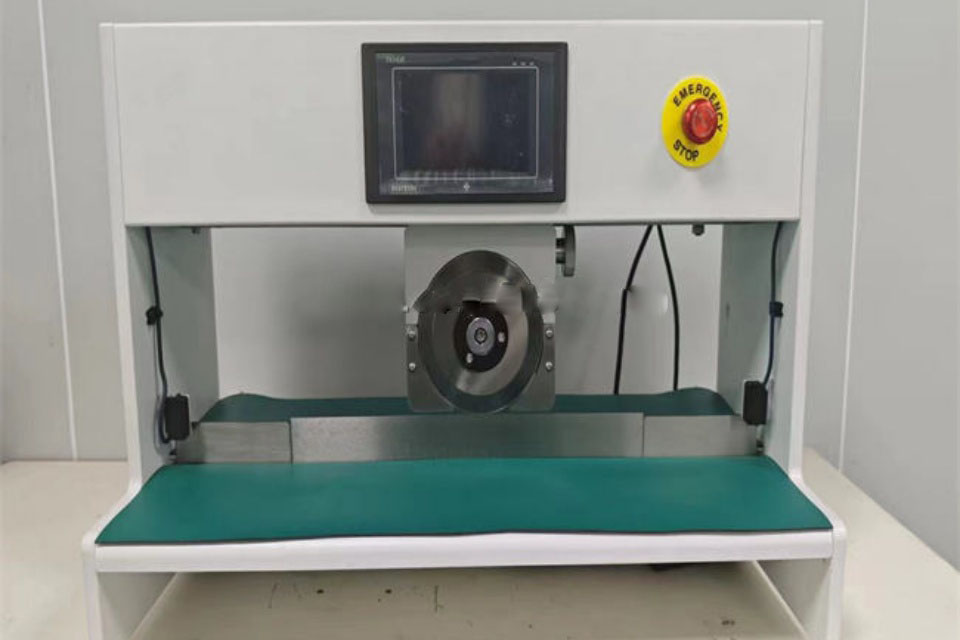
(see SMT Cleaning Machines) - And after assembly, depaneling can become the next bottleneck. If you’re doing volume, check your PCBA Cutting Machines options here: PCBA Cutting Machines
That’s why Meraif pushes turnkey thinking. You don’t buy one machine. You build a system.
Where these changeover ideas come from
These procedures line up with what strong SMT factories use every day:
- SMED thinking (internal vs external setup)
- Standard work + 5S (tools, labels, carts, fixed locations)
- Error-proofing (scan, double-check, verify before first board)
- Family setup planning (common bank, job grouping)
No magic. Just fewer surprises.
A simple closing thought (and a very practical one)
If you want faster feeder changeovers, don’t start at the machine.
Start with:
- kit readiness,
- feeder condition,
- clear slot plans,
- and verification that people can actually follow.
Do that, and your changeovers stop feeling like a mini crisis. They start feeling normal. And normal is good in production, trust me.
If you’re building or upgrading a line, Meraif can bundle feeders, carts, training, and full-line gear for wholesale and OEM/ODM projects. That kind of consistency makes changeovers easier on new operators too, not just the “old hands.”