You’re running a build. The line looks smooth. Then AOI flags it: missing component.
And you’re thinking, “Wait… the machine placed it.”
Most of the time, it didn’t. It chose not to. That “skip” is usually a protection move. The machine sees a risk (bad pick, bad vision, bad vacuum, wrong height). So it refuses the placement instead of making a mess on your board.
If you’re comparing different Pick and Place Machines setups, this topic matters a lot. One small weak spot can turn into a repeat defect loop. pick and place machine
Pick-and-Place Placement Skip vs No-Pick vs No-Place
Let’s use simple words, because the log terms can feel… annoying.
- No-pick: the head tried to grab the part and failed.
- Picked but dropped: it grabbed it, then lost it on the way.
- No-place / skip: it decided not to place because something looked off.
- Placed, but “missing” later: it placed, but the part moved, flipped, or got sucked onto the nozzle again (yep, that happens).
If you want fewer surprises, treat “missing” as a system problem, not a single machine problem. Your feeder, nozzle, vision, board support, and static control all play a role.
SMT Feeder Setup and Tape Presentation
In real factories, feed issues create the most “ghost missing” problems. The feeder is the part of the line that gets tired first.
When the line runs fast, even small tape problems become big. That’s why your first check should be the SMT feeder side. pick and place machine
Pocket pitch, cover tape, and peel angle
A part sits in a pocket like a cookie in a tray. If that tray is weird, pickup gets weird too.
Look for:
- pocket damage (crushed pockets, bent edges)
- cover tape that peels too hard or too soft
- tape “float” that lets parts jump
Quick field check: pause the machine, jog to pickup, and watch the pocket open. If the part wiggles, you found a lead.
Pickup height and feeder timing
Pickup height sounds boring, but it’s a silent troublemaker. If Z-height is off, you get:
- weak vacuum contact
- side hits
- parts that stick, then slip
Also check feeder timing vs head timing. On some jobs, the feeder is fine, but the timing is a little late. Then the nozzle lands half on pocket edge. That pick is basically doomed.
Splice, leader, and end-of-reel traps
Splices cause “random” misses that aren’t random at all. Splice tape can:
- lift a pocket
- block peel
- create a tiny bump that changes pickup height
And end-of-reel? It’s chaos if you don’t control it. The last pockets are often the ugliest pockets.
SMT Nozzle, Vacuum, and Blow-Off
Your nozzle is your “hand.” If your hand is oily or cracked, it drops stuff. Same idea here.
Nozzle problems show up so often that keeping the right SMT nozzle set in your spare kit is just common sense. pick and place machine
Vacuum loss and clogged filters
Vacuum is not magic. It’s airflow + seal + clean path.
Common vacuum killers:
- tiny cracks in the nozzle tip
- dirty vacuum filters
- leaking tubing
- worn seals on the head
Fast check: run a vacuum test in maintenance mode (if your machine supports it). Then compare “good nozzle” vs “problem nozzle.” Don’t overthink it.
Nozzle wear, nozzle ID, and wrong tip size
Wrong nozzle size can look “almost fine” in programming, then fail on the floor.
Example: small passives need stable contact. If the nozzle face doesn’t match well, it grabs weak and drops mid-flight.
Also, nozzle ID mismatches happen more than people admit. Someone swaps nozzles during changeover. Then the program calls N07, but a different tip sits there. It’s a tiny mistake, but it creates hours of pain. It happen in real life, trust me.
Blow-off air timing
If blow-off air is too strong or mistimed, you get:
- part “bounce”
- part stuck on nozzle
- part launched sideways (yes, really)
This one feels “random” because it depends on part mass, surface finish, and humidity.
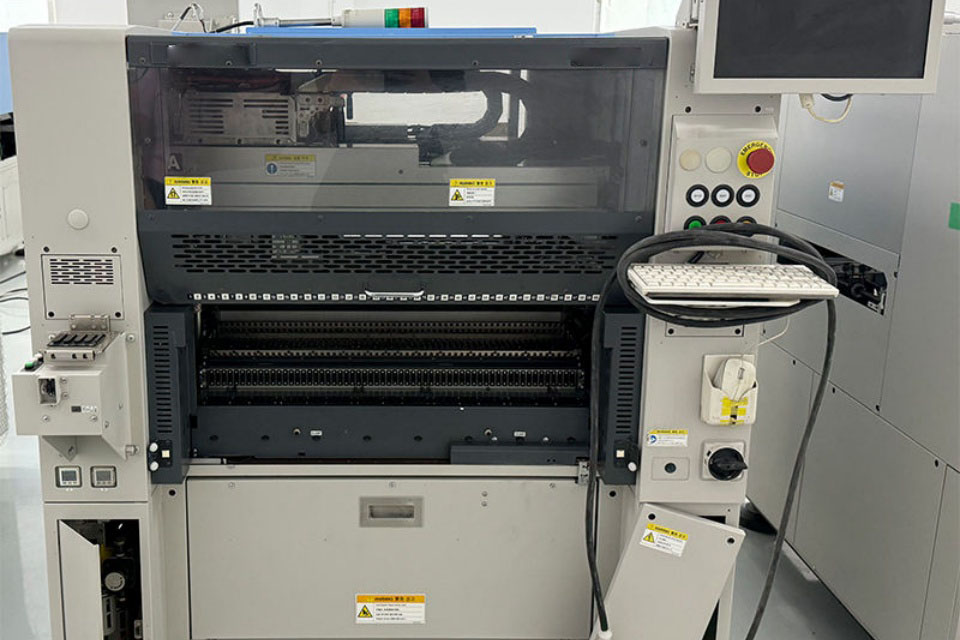
Vision System Rejects and Fiducial Alignment
Sometimes the part is fine. The machine just doesn’t trust it.
Fiducial recognition and board warp
If fiducials look dirty, oxidized, or misprinted, the camera can struggle.
Board warp also changes focus and Z reference. Then you see:
- more vision retries
- more skips
- more “can’t find mark” moments
If the board support pins are wrong, your placement accuracy drifts. Then the vision system rejects more parts because the expected position window doesn’t match reality.
Component vision: polarity, reflection, and contrast
Vision rejects can spike when:
- polarity marks are faint
- parts are glossy (reflection)
- lighting is off
- the camera lens is dirty
Some parts also rotate inside the pocket. Then the machine sees a “wrong angle,” and it skips.
Placement tolerance window
Programs often set a placement window for X/Y/Theta. If that window is too tight, you get unnecessary skips.
If it’s too loose, you place bad parts. So you want “tight enough, not silly tight.”
Static, Handling, and Upstream Process Drift
Here’s the part many teams miss: missing components can be a materials + environment issue, not only hardware.
ESD and static cling on small passives
Small passives can cling to tape, cling to nozzle, or cling to anything. If your line runs in a dry room, static gets louder.
That’s why shops often add an ESD ionizing air blower near kitting, feeder prep, or the pickup zone. pick and place machine
Solder paste printing defects that look like placement skips
Sometimes the part is missing because it never sat down.
If paste deposits are uneven, a part can:
- tilt, then slide
- stick to nozzle again
- shift before reflow
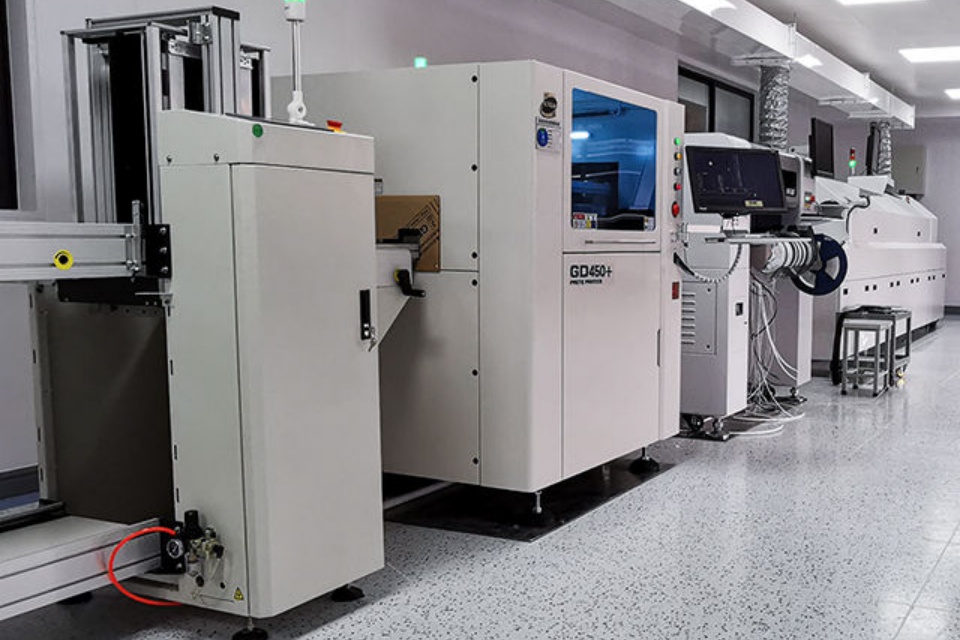
That’s why printer control matters too. Your solder paste printer settings can quietly affect “missing” rates. pick and place machine
Moisture, packaging, and cracked parts
Moisture-sensitive devices, damaged reels, crushed pockets… all of that increases pick errors.
Also, if your incoming inspection is weak, you’ll keep chasing the same defect over and over. Not fun.
A simple habit helps: quarantine one reel that shows repeats. Don’t keep feeding it “just to finish the job.” That’s how you burn a whole shift.
Troubleshooting Flow: 15-Minute Triage
If a placement skip shows up, run this in order. It keeps you from chasing shadows.
- Confirm the defect type: no-pick, drop, or skip (check the event log).
- Swap in a known-good reel (same part, different reel).
- Move the feeder to a different slot (rules out slot issues).
- Change to a known-good nozzle (same nozzle family).
- Clean the camera window and check lighting.
- Check board support and fiducials (warpage, pins, clamps).
- Watch one pickup in slow mode. Don’t guess.
If the issue disappears after step 2, your root cause sits in tape, pocket, or reel handling. If it disappears after step 4, your root cause sits in nozzle/vacuum. Easy logic.
Common Skip Triggers (Practical Map)
| What you see on the floor | Likely root cause | Likelihood | Fast check | What usually fixes it |
|---|---|---|---|---|
| Misses cluster at one feeder | feeder wear / timing | High | swap feeder slot | service feeder, tune timing |
| Misses spike after splice | splice bump / peel change | High | run splice in slow | improve splice method, trim tape |
| Random misses across many parts | vacuum leak / filter | Medium | vacuum test | replace seals, clean filters |
| Vision retries then skip | lighting / contrast | Medium | clean lens, check light | tune lighting, update vision params |
| “Placed” but missing later | static / paste / bounce | Medium | inspect nozzle tip + paste print | add ionization, tune blow-off, tune printer |
| Misses only on one PCB lot | board warp / fiducials | Medium | check support pins | add support, adjust fiducials |
Where Inspection and Profiling Fit
If you fix pickup and still see missing parts downstream, inspection gives you truth, fast.
A solid SMT inspection system helps you separate “placement skip” from “post-place movement.” pick and place machine
And yes, thermal tuning can matter too. If reflow airflow or ramp is rough, small parts can shift. A reflow thermal profiler helps you prove (or clear) that suspicion. pick and place machine
How Meraif Helps You Stop Chasing the Same Problem
If you buy one machine and treat it like a standalone island, you’ll keep seeing repeat defects. That’s the harsh truth.
Meraif focuses on turnkey SMT line solutions, not just a single box. That means you can align:
- feeder strategy and spare planning
- nozzle library and maintenance rhythm
- vision setup and golden board process
- ESD controls and reel handling rules
- OEM/ODM needs for bulk orders and repeat builds