I once watched a line lead burn almost three hours chasing “bad tape tension” on a 0402 job. Feeder came off. Feeder went back on. Pocket depth got checked. Cover tape angle got argued over. Somebody blamed humidity, which is always a convenient ghost when nobody wants to admit the obvious.
It was the nozzle.
Tiny blockage. That’s it. A little ring of fluxy dirt and component dust sitting inside the bore, just enough to make pickup look fine during slow checks and then fall apart once the head started moving at production speed. Annoying? Yes. Expensive? Also yes.
Why the Defect Usually Looks Like Something Else
But nozzle trouble almost never walks in wearing a name tag.
A weak pick-and-place nozzle can look like feeder trouble, vision drift, bad carrier tape, worn cover tape, paste slump, board warp, or a reflow issue, and because the machine still cycles, still picks some parts, still passes some boards, people often waste half a shift checking everything except the dirty little part doing the actual lifting. Classic shop-floor misdirection.
That’s the trap.
Here’s the ugly truth: nozzle maintenance gets treated like a housekeeping job in factories where it should be treated like process control. Not “wipe it when it looks dirty.” Not “blow it out and move on.” Actual control. ID tracking, vacuum baseline, head position history, cleaning records, replacement rules—the boring stuff that stops mystery defects from becoming customer complaints.
Bad nozzles lie. They pick at the feeder, then drop during acceleration. They hold a chip just slightly off-center, then let AOI take the blame. They pass a quick eyeball check, then leak under dynamic vacuum. They make smart people look in the wrong direction.
According to the BLS 2023 workplace injury data, private industry reported 2.6 million nonfatal workplace injuries and illnesses in 2023. That might sound far away from an SMT nozzle tray, but it isn’t. Maintenance behavior is safety behavior. Solvents, compressed air, small metal tools, loose debris, hurried operators—none of that is harmless just because the part is small.
And compressed air? I’ll be blunt. It gets abused.
OSHA’s compressed-air cleaning directive says compressed air used for cleaning must be reduced to less than 30 psi and used with effective chip guarding and PPE. Yet I’ve still seen techs blast nozzle bores with full shop air like they’re cleaning a workbench. It feels productive. It isn’t always cleaning. Sometimes it’s just pushing debris deeper and calling it done.
Cleaning: Where Good Nozzles Get Ruined
Cleaning should be gentle. People make it violent.
From my experience, the worst nozzle damage often happens at the bench, not on the placement head. A technician finds a clog, grabs a hard pin, shoves it through the bore, feels the blockage clear, and puts the nozzle back into circulation without realizing the internal surface may now be scratched, burred, opened up, or contaminated with whatever was on the tool.
It works. Until speed.
A nozzle can pass a lazy visual check and still fail once vacuum load, acceleration, and component geometry enter the picture. That’s why “looks clean” isn’t enough. Use magnification. Use approved solvent. Use non-metallic cleaning tools. Use filtered low-pressure air. Confirm whether ultrasonic cleaning is actually allowed for the nozzle material. Ceramic chips. Rubber swells. Stainless burrs. Plastic creeps. The nozzle won’t complain; the line will.
I frankly believe many factories confuse cleaning with aggression. They scrape, poke, blast, rinse, and then wonder why vacuum behavior gets worse after maintenance. If cleaning changes the bore, damages the pad, or roughens the sealing face, you didn’t maintain the nozzle. You modified it—badly.
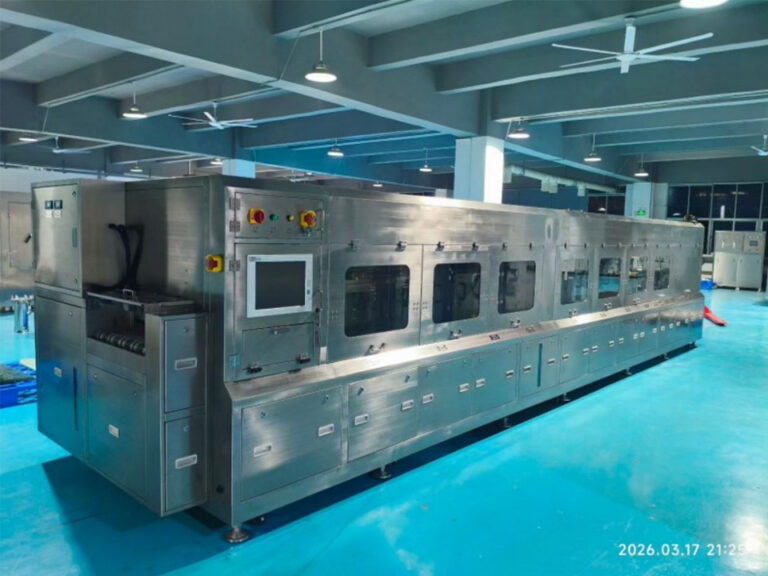
If the plant already takes contamination control seriously, nozzle care should sit inside that same system. Don’t isolate it as some side-bench ritual with mystery solvent and a tray full of old swabs. The same thinking behind SMT cleaning machines should apply to nozzle cleaning: controlled method, repeatable result, clean handling, documented outcome.
And yes, nozzle storage counts.
A cleaned nozzle tossed into a dusty tray is just a future pickup miss waiting politely. Use labeled holders. Keep nozzle families separate. Quarantine damaged or unknown-history parts. Don’t mix brand-specific nozzles in one sad plastic box and then act surprised when the night shift grabs the wrong one.
For mixed equipment rooms, a controlled SMT nozzle selection and spare parts setup is basic discipline. Brand lines deserve the same care, especially when the shop runs Yamaha SMT nozzles, Panasonic SMT nozzles, and Juki SMT nozzles. Different families, different geometries, different wear patterns. Treat them that way.
Replacement: The “Still Looks Fine” Trap
However, visible damage is a late signal.
A nozzle doesn’t need to be cracked in half to be finished. A rubber tip can deform slightly and lose seal quality. A ceramic edge can chip just enough to disturb pickup on tiny passives. A bore can hold contamination after cleaning. A seal face can leak in motion but behave during a slow bench check. That’s why “still looks fine” is one of the most expensive phrases on an SMT floor.
Here’s the ugly truth: some teams save pennies on nozzles and spend dollars on rework.
Maybe purchasing stretches replacement intervals. Maybe production doesn’t want downtime. Maybe nobody wants to scrap a nozzle that looks usable under normal light. Fine. Then the line pays through pickup misses, part drops, skewed placements, AOI calls, operator intervention, rework loops, and the slow poison of unstable yield.
Replacement should be tied to evidence. Cycle count. Vacuum recovery after cleaning. Repeat miss rate. Tip condition. Seal integrity. Component sensitivity. Head position history. If one nozzle keeps underperforming against peer nozzles running the same package, pull it. Test it. Replace it if it won’t return to baseline.
No ceremony needed.
For production lines that have moved beyond prototype chaos, nozzle replacement belongs inside a real maintenance and spares program. Not in somebody’s drawer. Not in a pouch taped to the side of the machine. Not “ask the senior operator; he knows.” That works right up until the senior operator is off shift and line 3 is throwing rejects.
And if technicians are still learning how to spot bore wear, chipped tips, pad deformation, vacuum leakage, or cleaning damage, structured training and after-sales support is cheaper than letting production defects teach the lesson. Production is a brutal teacher. It charges full price.
Monitoring: The Machine Is Already Telling on the Nozzle
Most machines snitch. Quietly.
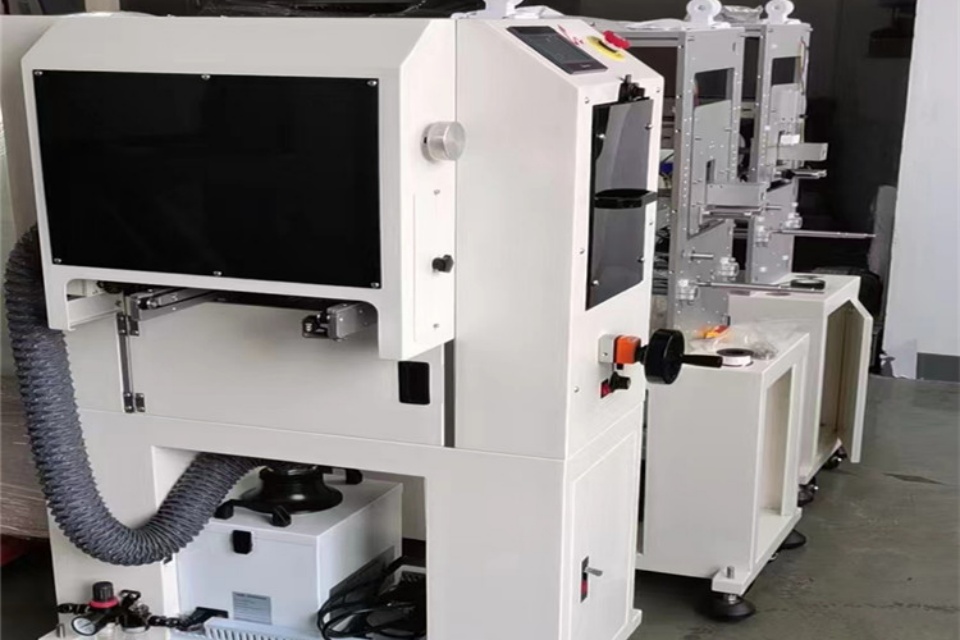
Nozzle performance monitoring should track nozzle ID, head position, vacuum level, pickup miss rate, placement correction, package type, cleaning history, cycle count, and reject behavior; without those connections, you’re not really diagnosing defects, you’re just staring at alarms and hoping experience fills the gaps. Sometimes it does. Often it doesn’t.
NIST’s manufacturing machinery maintenance research found that stronger preventive and predictive maintenance practices were associated with 44% less downtime and a 54% lower defect rate. That research is broader than nozzle maintenance alone, sure. But the lesson lands cleanly: measure weak signals early, or pay for strong failures later.
Look at peer behavior.
If nozzle 2 on head 6 keeps missing 0201 capacitors while the neighboring nozzles behave, don’t call it “random.” If one nozzle needs repeated cleaning to hold vacuum while others stay stable, don’t put it back because the schedule is tight. If placement correction keeps drifting around the same nozzle/head combination, stop blaming the feeder until the nozzle proves innocent.
That’s my bias, and I’ll stand by it.
A mature shop compares nozzle against nozzle, head against head, package against package. Same shift window. Same component family. Same feeder class. Same board. That’s how you catch the pattern before it becomes a lot-level defect problem.
The weak shops wait for alarms.
Practical Nozzle Maintenance Checklist
I like boring maintenance. Boring wins.
Not fake boring, where someone signs a sheet at the end of the shift and everyone pretends the inspection happened. Real boring. Repeatable boring. The kind where nozzle ID gets confirmed, the bore gets inspected, the cleaning method is controlled, vacuum gets compared against baseline, and damaged parts don’t wander back into production like zombies.
Use the checklist. Actually use it.
| Maintenance Area | What Operators Usually Do | What I’d Actually Require | Failure Signal | Replacement Trigger |
|---|---|---|---|---|
| Nozzle cleaning | Blow air through the bore | Controlled cleaning, non-metallic tools, magnified inspection | Partial clog, unstable vacuum, pickup miss | Cleaning no longer restores baseline vacuum |
| Nozzle replacement | Replace when visibly broken | Replace by cycle count, vacuum trend, and package risk | Skew, dropped parts, chipped tip, poor seal | Reject rate exceeds peer nozzles on same package |
| Performance monitoring | Check machine alarms | Track nozzle ID, head position, component type, miss rate | Repeating errors on one nozzle/head | Two abnormal shifts or one critical package failure |
| Storage | Keep nozzles in trays | Labeled, capped, dry, brand-specific storage | Bent tips, dust ingress, mixed IDs | Unknown history or physical damage |
| Operator control | Informal handover | Maintenance checklist and sign-off | Inconsistent cleaning quality | Repeated undocumented handling |
The daily routine doesn’t need to be dramatic. Confirm the nozzle ID. Inspect the tip, bore, pad, shaft, and sealing face under magnification. Clean with approved solvent and tools. Dry with filtered low-pressure air. Run a vacuum check. Compare against baseline. Log operator, line, head position, component family, and result. Store it cleanly.
Simple. Not optional.
One more thing: unknown-history nozzles should be treated like suspects. Maybe they’re fine. Maybe they were dropped, over-cleaned, mixed with the wrong family, or retired once already and somehow crawled back into the tray. Make them pass inspection before they touch production.
Selective Wave Nozzles: Same Discipline, Different Dirt
Yet selective wave soldering has its own version of this mess.
The failure mode isn’t vacuum pickup. It’s solder flow instability, oxidation, dross buildup, nitrogen inconsistency, poor wetting, nozzle geometry wear, thermal drift, and flux interaction. Different physics. Same maintenance lesson. The nozzle controls the process window more than people like to admit.
Sometimes the recipe isn’t the villain.
I’ve seen teams adjust flux volume, preheat, conveyor speed, solder temperature, nitrogen, and dwell time before inspecting the nozzle condition. That’s backwards. If the nozzle is oxidized, restricted, worn, or flowing unevenly, process tweaks become expensive guesswork.
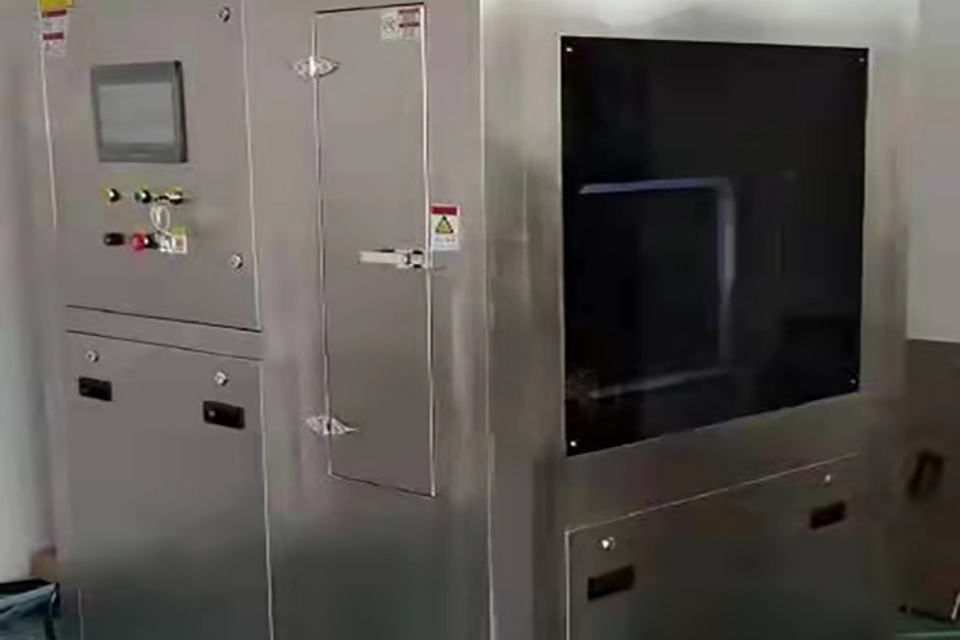
For selective soldering lines, selective wave solder machine nozzles need documented cleaning, inspection, and replacement routines just like placement nozzles. Not the same checklist, obviously. But the same discipline: measure, clean, inspect, verify, record, replace.
If bridging creeps up, hole fill gets inconsistent, or operators keep “touching up” the same joint family, inspect the nozzle before rewriting the whole soldering profile. It might save you a long afternoon.
FAQs and Field Answers
What is nozzle maintenance?
Nozzle maintenance is the controlled cleaning, inspection, replacement, and performance tracking of SMT or soldering nozzles so vacuum pickup, solder flow, placement accuracy, and machine uptime stay within known limits before defects reach production. It catches contamination, wear, clogging, leakage, and tip damage early.
In pick-and-place work, that means bore cleaning, tip inspection, vacuum testing, reject tracking, nozzle ID control, and proper storage. In selective wave soldering, it also means watching solder flow, oxidation, dross, nozzle geometry, and thermal behavior.
How often should SMT nozzles be cleaned?
SMT nozzles should be cleaned according to component size, cycle count, flux exposure, pickup error trends, package sensitivity, and actual contamination—not just a fixed calendar that ignores production behavior. High-risk packages like 0201, 0402, BGA, CSP, and fine-pitch parts usually need tighter checks.
Daily visual inspection and weekly controlled cleaning may work for a stable line. Maybe. But if pickup misses rise halfway through a run, the nozzle doesn’t get to wait until Friday. Inspect it now.
When should a nozzle be replaced?
A nozzle should be replaced when cleaning no longer restores baseline vacuum, the tip is chipped or deformed, the sealing surface leaks, or repeat placement errors follow the same nozzle ID across jobs. Waiting for obvious physical damage is late-stage maintenance, not preventive control.
Replace sooner on high-value boards, high-speed placement, micro-components, and recurring head-specific defects. I know that sounds conservative. It’s cheaper than explaining repeat failures to a customer.
What is the best way to monitor nozzle performance?
The best way to monitor nozzle performance is to record nozzle ID, head position, vacuum level, pickup miss rate, placement correction, component type, cleaning history, cycle count, and reject behavior in one traceable maintenance system. This turns nozzle care from guesswork into defect evidence.
Don’t worship the alarm screen. Compare nozzle behavior against peer nozzles running the same package. If one nozzle keeps drifting, leaking, missing, or skewing while the others behave, it has earned a timeout.
Can compressed air be used for nozzle cleaning?
Compressed air can be used for nozzle cleaning only when pressure, guarding, filtration, and PPE are controlled, and only when the air will not push debris deeper into the nozzle or damage the tip. Random high-pressure shop air is a quality risk and a safety risk.
Use filtered, dry, low-pressure air after approved cleaning steps. Don’t use air as a substitute for solvent control, proper tools, or magnified inspection. That’s not maintenance. That’s gambling with airflow.
If your nozzle program depends on memory, it’s weak. Build the system: controlled SMT nozzle sourcing, logged cleaning, vacuum baselines, trained operators, real replacement triggers, and practical maintenance spares planning. The nozzle is small. The loss isn’t.