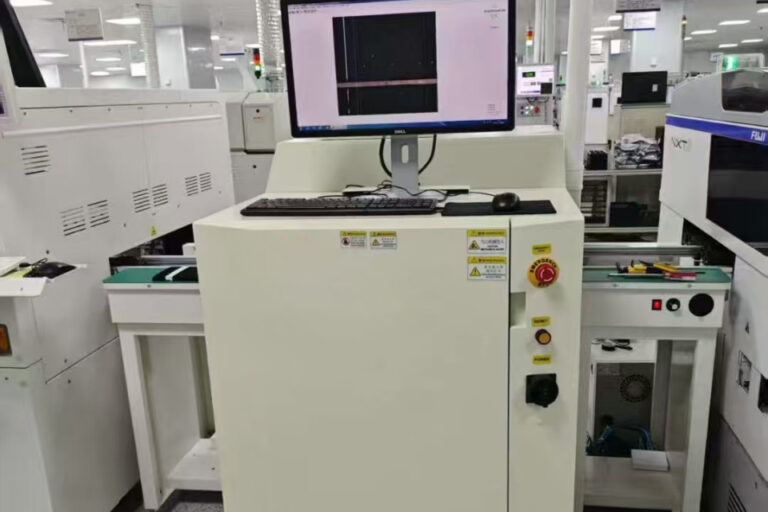
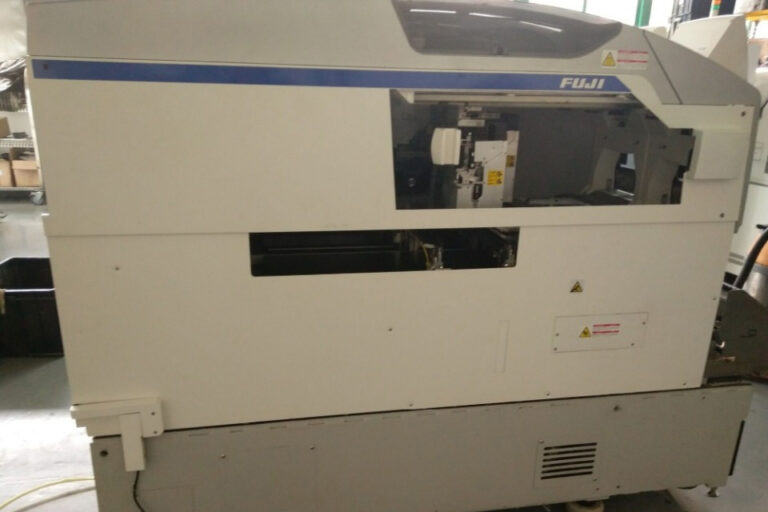
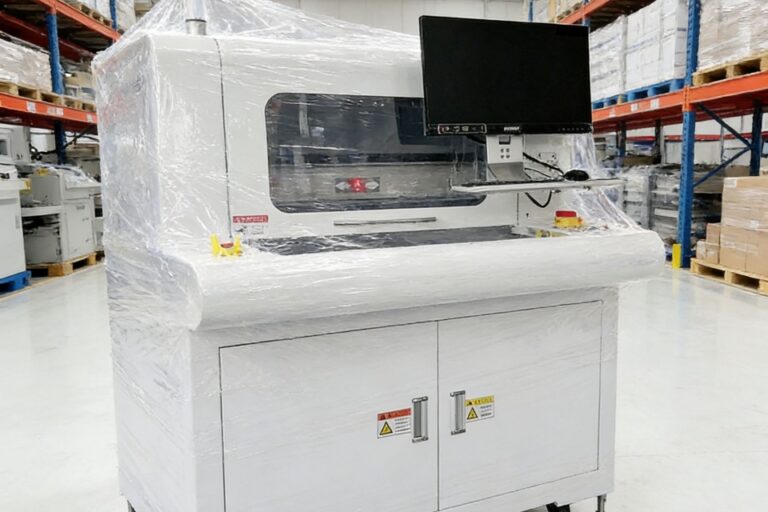
Pick and place nozzles look small, cheap, and interchangeable. In real SMT production, they are none of those things. The nozzle is the last physical interface between the placement head and the component body, which means it directly influences pickup stability, centering, rotation, placement force, and defect escape.
That matters more now than it did a few years ago. Component sizes have continued to shrink, package diversity has expanded, and speed expectations have gone up. In 2023, Essemtec highlighted support for 008004 components, measuring 0.25 x 0.125 mm, with stated placement accuracy down to ±40 μm for chip components. At that scale, nozzle selection stops being a spare-parts issue and becomes a process-control issue.
Why nozzle selection has a direct effect on SMT yield
A poor nozzle choice does not always fail dramatically. More often, it creates low-grade instability that looks like something else. You see intermittent pickup loss, occasional skew, theta drift on QFNs, dropped BGAs, or placement offsets that appear random until defect data is tied back to a specific nozzle or nozzle family.
That pattern has been documented in industry process analysis. In an IPC data analytics example, placement defects that initially looked scattered became traceable once machine data was connected to nozzle-level detail, isolating a single problematic nozzle within a large set. The lesson is plain: if you are not tracking nozzle behavior, you are probably mislabeling nozzle problems as feeder problems, component variation, or operator inconsistency.
The production environment also makes the problem less forgiving. As Reuters reported in January 2024, TSMC projected more than 20% revenue growth for 2024 after signaling stronger AI-related chip demand. Higher throughput expectations usually mean tighter takt time, faster setup changes, and less tolerance for marginal pickup performance. A nozzle that is merely “good enough” in NPI often becomes expensive in volume production.
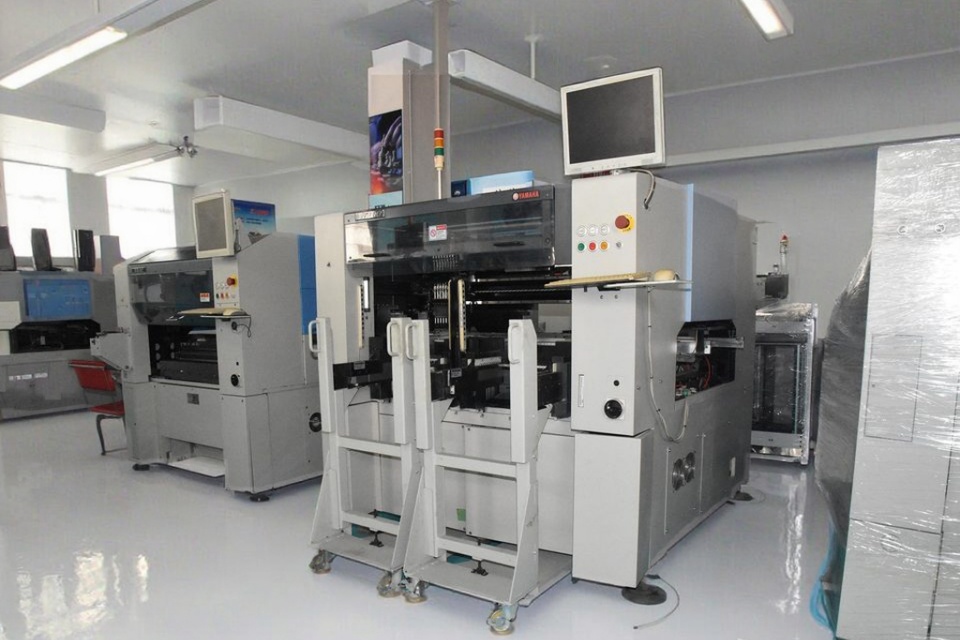
The main pick and place nozzle types and what they are really for
The market uses many naming systems, usually tied to OEM codes, but functionally most pick and place nozzle types fall into a handful of categories.
Small round nozzles are typically used for chip components such as 0402, 0201, 01005, and other compact passive devices. Their job is to create a stable seal on a limited pickup area without obscuring too much of the part during vision inspection.
Medium-body nozzles are common for SOT packages, SOICs, smaller QFNs, and similar ICs. Here the balance shifts. You need enough contact area to stabilize pickup, but not so much coverage that the machine loses visual reference for rotation and centering.
Larger flat-contact nozzles are generally used for BGAs, LGAs, CSPs, and broader packages that need better body support. These nozzles often deal with package warp, heavier mass, or more demanding Z-axis control, especially when placement force must be kept consistent.
Custom or specialty nozzles handle the awkward category that standard charts gloss over: connectors, shields, odd-form parts, fragile housings, and unusually tall components. In those cases, the nozzle is less about catalog compatibility and more about managing center of gravity, side clearance, and safe contact geometry.
If your team is comparing specific brand options, it helps to start with a real product family page rather than generic assumptions. A current SMT nozzle overview is useful for broad comparison, while brand-specific pages such as Yamaha SMT nozzles или Panasonic SMT nozzles are better when you are mapping nozzle codes to actual machine platforms.
How to match nozzle types to different component families
I do not start with nozzle part number. I start with pickup physics. That means looking at safe contact area, package flatness, body finish, component mass, fragility, and what the vision system still needs to see after pickup.
For chip resistors and capacitors, the goal is usually the smallest reliable seal. Oversized nozzles often feel safer, but they can reduce vision clarity, increase side pickup risk, and create subtle instability at high speed. For 0201 and below, tip cleanliness and vacuum consistency matter almost as much as diameter.
For QFNs and similar body-style ICs, the nozzle has to stabilize the part without hiding the package edges that the machine uses for alignment. Too small, and the part may wobble or rotate unpredictably. Too large, and vision correction becomes weaker because the nozzle masks the body.
For BGAs and larger array packages, support and force control become more important. A nozzle that technically picks the package may still underperform if it contacts an uneven surface, reacts poorly to package warp, or introduces micro-slip during head motion. This is one of the reasons BGA placement issues can look mechanical on one shift and visual on another.
Odd-form and connector parts need the most discipline. Standard nozzles are frequently pushed past their sensible use range because teams want faster setup and fewer part numbers. That shortcut often backfires. If the part has an uneven top surface, off-center mass, or a delicate housing, a custom nozzle or a different pickup strategy is often cheaper than repeated misplacement and rework.
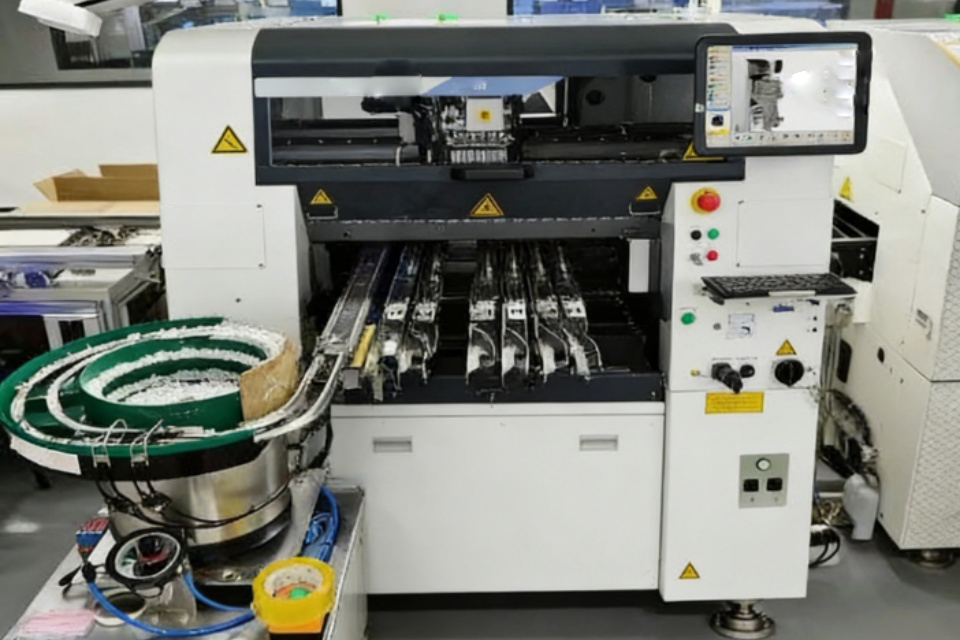
The common nozzle selection mistakes that hurt performance
The first mistake is choosing the biggest nozzle that can physically pick the part. That logic sounds safe, but it often reduces alignment quality. The better rule is to use the smallest nozzle that provides a repeatable seal and stable handling under actual production speed.
The second mistake is separating nozzle selection from maintenance. A well-chosen nozzle can still underperform if the tip is worn, contaminated, chipped, or slightly deformed. In practice, many “mysterious” pickup issues are maintenance issues wearing the costume of a setup issue. That is why nozzle strategy should sit inside a real process quality program and be reviewed alongside a disciplined maintenance and spares workflow.
The third mistake is validating with only one component lot or one speed condition. A nozzle that works during a controlled trial can become unstable when supplier variation changes the package surface, when a new tape lot affects presentation, or when the line is pushed to full output.
The fourth mistake is treating OEM compatibility as the whole decision. Compatibility matters, obviously. But “fits the machine” is not the same as “fits the component.” A nozzle library should be built around part behavior first and machine coding second.
A practical selection table for nozzle choice
The table below is the simplest version of a decision framework I trust in production.
| Component family | Preferred nozzle behavior | Main objective | Typical failure if the nozzle is wrong |
|---|---|---|---|
| 0402 to 0201 passives | Small round nozzle with light but stable seal | Reliable pickup and clean centering | Missed picks, doubles, skew |
| 01005 to 008004 passives | Ultra-fine vacuum nozzle with very clean tip | Seal consistency on minimal contact area | Pickup loss, fly-off, false pickup confirmation |
| SOT, SOIC, QFN | Medium nozzle that supports body without masking edges | Stable rotation and accurate vision correction | Theta drift, tilt, edge clipping |
| BGA, CSP, LGA | Larger body-support nozzle with controlled force | Safe handling of larger or warped packages | Corner drop, body slip, offset placement |
| Connectors and odd-form parts | Custom nozzle or specialized pickup tool | Mechanical stability and damage control | Housing damage, dropouts, collision risk |
| Fragile or tall specialty parts | Lowest-force stable option, sometimes at lower speed | Part integrity and repeatability | Cracking, bounce, inconsistent Z placement |
This is not a substitute for machine-specific validation. It is a way to narrow bad decisions before they become expensive decisions.
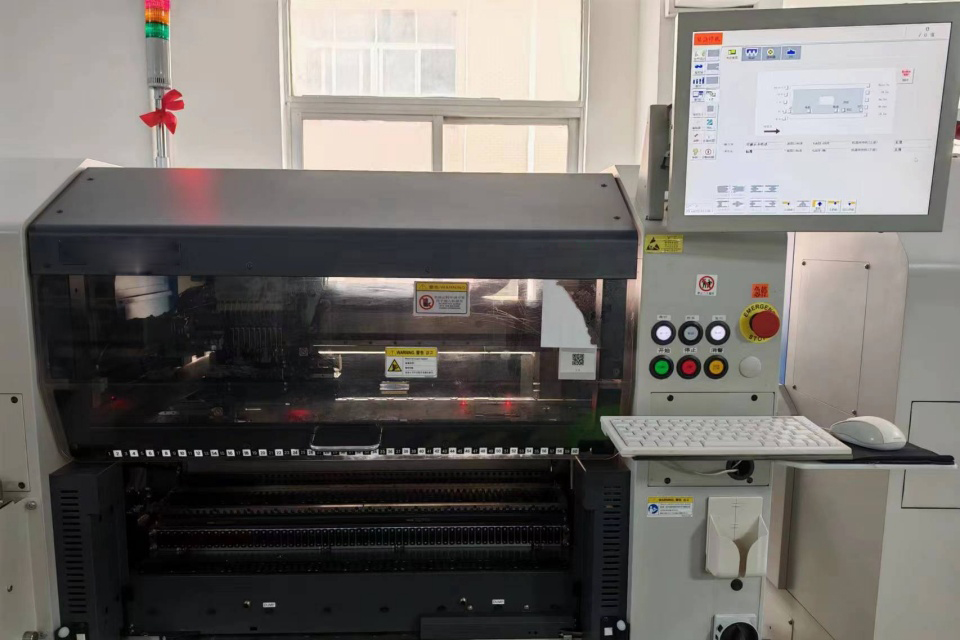
How to build a nozzle strategy that survives real production
A robust nozzle strategy should be defined before the line is under pressure. That means grouping parts by pickup behavior, not just by package name; validating across supplier and lot variation; and recording which nozzles are stable at prototype speed versus full production speed.
It also means documenting the logic clearly enough that setup does not collapse when shifts change. If a line is running mixed product, frequent changeovers, or unstable component supply, nozzle rules need to be part of standard work, not tribal knowledge.
That is where broader line planning helps. Teams building a new placement cell or expanding an existing one usually get better results when nozzle planning is tied into Решения для линий SMT под ключ rather than handled late as a consumables task. The same goes for operator consistency. A clean nozzle library is wasted if the team using it is not trained to recognize pickup symptoms early, which is why formal обучение и послепродажное обслуживание is often worth more than an oversized spare inventory.
Вопросы и ответы
What are pick and place nozzle types? Pick and place nozzle types are vacuum pickup tools with different diameters, tip shapes, materials, and contact behaviors, each designed to match particular component sizes and package geometries so the placement head can lift, center, rotate, and place parts with stable suction and minimal risk of damage or misalignment. In practical terms, they are process tools, not generic accessories. Their geometry affects what the machine can pick reliably, how well the vision system can correct position, and how consistently the part lands on the board.
How do I choose the right pick and place nozzle? The right pick and place nozzle is the smallest nozzle that still creates a repeatable seal on the component’s safe pickup area while preserving enough visible body outline for camera alignment, maintaining stable centering during motion, and matching the component’s mass, flatness, and fragility under actual production conditions. Start with the component body, not the nozzle chart. Then validate at real speed, across real lot variation, with clean data on pickup errors, alignment drift, and drop rate.
What is the best nozzle for small SMD components? The best nozzle for small SMD components is usually a fine vacuum nozzle sized just large enough to seal consistently on the package body without masking too much of the part, because tiny chips such as 0201, 01005, and 008004 are highly sensitive to nozzle contamination, excess diameter, and unstable vacuum behavior. There is no universal “best” nozzle. The correct choice depends on package finish, machine head design, tape presentation, and the stability of the seal at production speed.
Why does nozzle selection matter for SMT yield? Nozzle selection matters for SMT yield because the nozzle directly influences pickup confirmation, component centering, rotation correction, placement force, and drop stability, which means a bad match can create systematic defects such as skew, misalignment, dropouts, cracked parts, or random-looking placement errors that are difficult to diagnose without nozzle-level traceability. Yield loss from poor nozzle choice is often indirect. The line may blame feeders, cameras, or components first, while the real issue sits at the pickup interface.
Can one nozzle handle multiple component families? One nozzle can handle multiple component families only when those components share similar pickup areas, body geometry, mass, and vision requirements closely enough that the seal quality and alignment behavior remain stable across speed changes, supplier variation, and normal production wear rather than only during a controlled setup trial. In practice, limited overlap is normal. But once the process window narrows, shared-nozzle convenience usually costs more than it saves.
Most SMT teams do not need more nozzles. They need a better nozzle strategy.
If you are reviewing your current setup, start by auditing component families, pickup failures, and nozzle wear history rather than buying parts blindly. For machine-specific guidance, brand compatibility checks, or help mapping nozzles to your product mix, use the resource center или связаться с командой.
You’re right — there isn’t a clear, explicit CTA section. The last paragraph functions like a soft CTA, but it is not formatted or written as a real one.
Use this at the end of the article:
Ready to choose the right nozzle for your SMT line?
If your team is still selecting pick and place nozzles by habit, old setup files, or trial-and-error, you are leaving yield, speed, and component safety to chance. A better nozzle strategy starts with the actual parts you run, the machine platform you use, and the failure modes you need to eliminate.
Review your current setup, compare compatible options, and get support for machine-specific selection through the SMT nozzle catalog, the resource center, или contact the team directly for guidance tied to your production line.