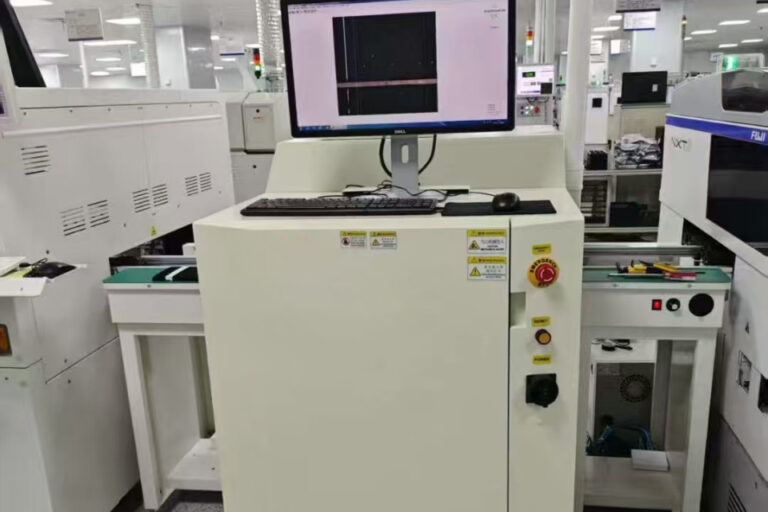
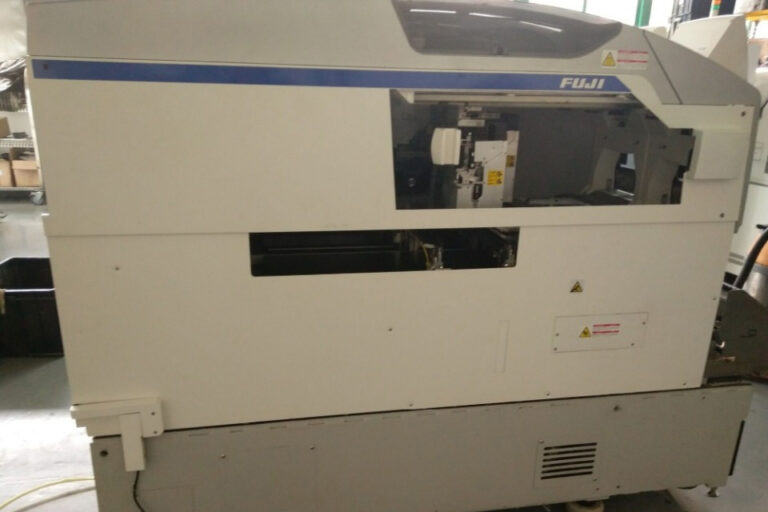
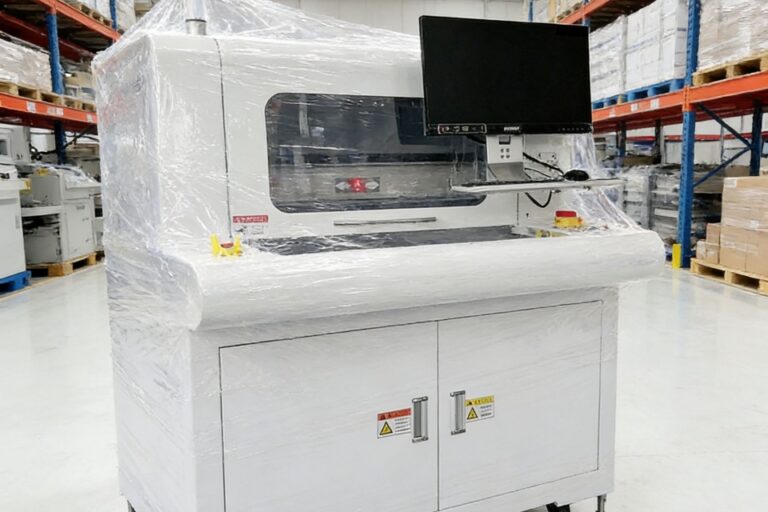
Most nozzles die dirty.
But let’s not pretend this is some minor housekeeping nuisance that operators can “get to later,” because once a nozzle starts carrying flux haze, adhesive dust, oxidized residue, or microscopic lip wear, the machine doesn’t politely warn you once and stop—it starts bleeding performance in weird little ways, and those weird little ways stack into real money. Then comes the scramble.
I frankly believe a lot of SMT teams still underestimate nozzles because the part looks small, cheap, and replaceable. Bad instinct. A nozzle can mess with pickup consistency, centering, vision confidence, drop rates, feeder blame, and rework volume all at once. And then everybody starts chasing ghosts in the placement head, the feeder bank, the vision camera, the program. Same old movie.
Seen it before?
What annoys me is the fake simplicity of the advice floating around online. “Clean regularly.” Fine. Meaning what, exactly? Every shift? Every changeover? After every strike? With what chemistry? At what air pressure? Under magnification or by guesswork? You can’t run a line on vague verbs.
The financial backdrop isn’t subtle either. In Siemens’ 2024 downtime report, the average large plant surveyed was estimated to lose $253 million a year to unplanned downtime, with 25 downtime incidents a month per facility, and the world’s 500 biggest companies losing almost $1.4 trillion annually, или 11% of revenue. That doesn’t mean one dirty nozzle caused all of it, obviously. But it does mean every “small” reliability miss deserves suspicion. Especially this one.
And the machine itself gives the game away. A 2024 paper in Electronics explains that pick-and-place systems capture component images to determine position on the pick-up nozzle, and that they can identify incorrect pick-ups such as empty nozzles или tombstone pick-ups together with the nozzle’s vacuum sensor, all inside a 10–30 millisecond response window. That’s not soft theory. That’s your equipment saying, in milliseconds, “this nozzle is part of the problem.” Read the paper here.
It gets better—or worse, depending on your mood. Research on pick-and-place defect patterns showed experiments simulating machine errors including nozzle size и nozzle pick-up position, then inspected the resulting placement quality through AOI. Which is my point, really: nozzle faults leave tracks. They’re not mystical yield goblins descending from the ceiling. Read the defect-pattern study here.
So, yes, I’m biased. I’d rather check a nozzle first than spend thirty minutes in a conference huddle pretending the feeder team, process team, and maintenance team all need equal suspicion. Usually they don’t.
But let’s talk about the actual work.
How to clean a vacuum nozzle without making it worse
Three mistakes. Over and over.
First: people blast compressed air through the bore like they’re cleaning a shop rag, not a precision pickup interface. Second: they poke the inside with whatever thin metal thing is nearby. Third: they wait until the line is already throwing mis-picks and then call it preventive maintenance. It isn’t. It’s catch-up.
And here’s the ugly truth—too many “clogged vacuum nozzle fix” routines are just rough handling with confidence layered on top. OSHA standard 1910.242(b) says compressed air used for cleaning must be reduced to less than 30 psi and used with effective chip guarding and PPE, and OSHA’s own interpretation history includes a variance request after a 1985 citation involving air cleaning pressure above that threshold. OSHA’s variance response is here. Safety point, yes. Also a maintenance lesson. If your cleaning method feels violent, it’s probably sloppy.
From my experience, a decent nozzle-cleaning routine starts before the solvent ever comes out. I want magnification first. Not later. First. If the lip is chipped, ovaled, or visibly worn, cleaning won’t save you; it’ll just waste five more minutes and give someone false hope. Different failure modes, different calls.
My sequence is boring—and that’s why it works. Inspect the tip face and bore under magnification. Clean the exterior sealing area gently. Use a proper bore-cleaning tool only if the internal path is contaminated. Verify pickup afterward. Then confirm centering with vision. Skip that last step and you haven’t finished; you’ve merely touched the nozzle and felt productive.
Это работает. Обычно.
And no, I don’t support the “careful enough with a needle” crowd. That’s bench folklore. Same with technicians who polish worn tips until they shine and then declare victory. Shine isn’t geometry. Shine isn’t seal integrity. Shine definitely isn’t concentricity.
If you’re running enough volume that nozzle fouling is routine, standardize it. Don’t let every shift build its own cleaning mythology. I’d rather move that discipline toward dedicated Машины для очистки SMT than trust a drawer full of random swabs and tribal knowledge.
Best vacuum nozzle care tips that actually extend lifespan
Now we get to the real issue.
Longevity does not come from lovingly wiping the nozzle after it’s already been abused by bad pickup height, feeder presentation errors, component pocket damage, glue mist, dust loading, or the occasional head kiss with something it should never have hit in the first place; longevity comes from reducing the abuse upstream so the nozzle isn’t constantly recovering from preventable nonsense. That’s the whole game.
I know, that sounds harsher than the usual maintenance blog tone. Good. Because the usual tone is too gentle for factory reality.
Here’s what I actually watch: repeated empty picks, unstable vacuum hold, side-grab on tiny passives, weird off-center body presentation in the camera, and the technician comment that always makes me nervous—“it’s mostly okay.” Mostly okay is how scrap starts.
So, if you want to extend vacuum nozzle lifespan, stop making the nozzle compensate for everything else. Match nozzle geometry to package type. Control pickup height. Log strike events. Isolate nozzles with repeat behavior instead of tossing them back into circulation. And keep an indexed backup set of SMT nozzle options because half the time the issue isn’t dirt at all—it’s a mismatch that should’ve been solved at setup.
Brand fit matters too, by the way. A nozzle that’s “close enough” on paper can still behave badly once vision offsets, pickup depth, and part family start interacting in the real world. I’ve seen shops buy by vague compatibility and then act shocked when placement gets twitchy. Better to stock the right family from the start, whether that means Panasonic SMT nozzles или Yamaha SMT nozzles. Generic thinking gets expensive fast.
And here’s another thing people don’t love hearing: not every nozzle deserves a heroic rescue. Some are just finished. They’ve had the miles. Retire them.
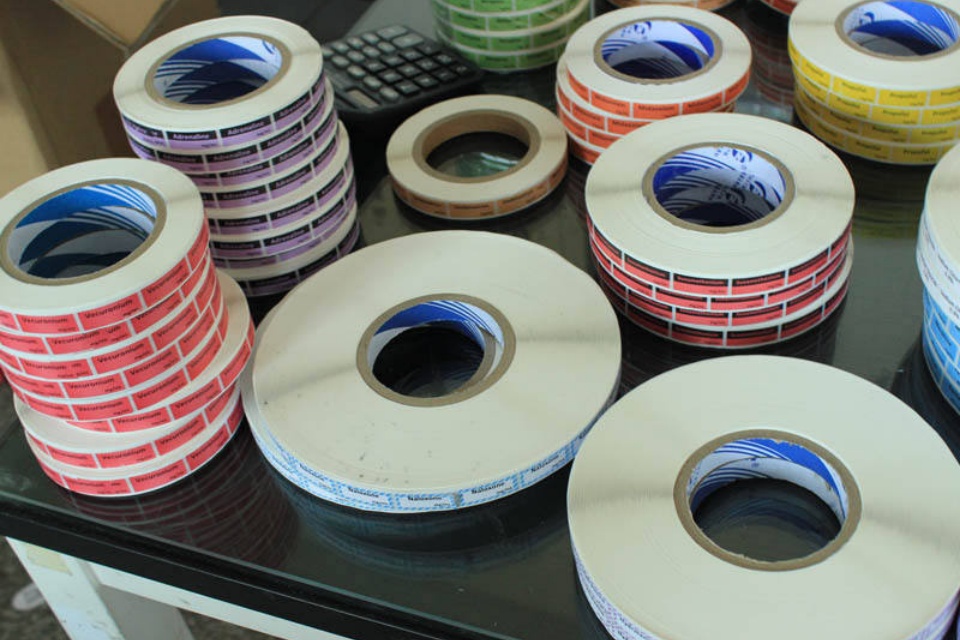
How often should you clean a vacuum nozzle?
More often than most teams say out loud.
If you’re running 01005, 0201, dense passive jobs, dusty reels, messy changeovers, or long shifts, I would inspect every shift and clean on a fixed cadence whether defects have surfaced yet or not. Waiting for visible fallout is backward. By the time AOI starts lighting up, the line may have been compensating for the nozzle problem for hours.
That’s why I don’t buy the casual “we clean when needed” line. Needed according to what—operator mood? Scrap volume? The loudest machine alarm? Not good enough.
Remember, the 2024 Electronics paper is dealing with pick-up validation and nozzle-state consequences in a 10–30 millisecond decision window. Your maintenance rhythm should respect that sensitivity, even if your shift handover notes don’t. Precision hardware lives on tighter tolerances than human memory.
Here’s the baseline schedule I’d use. Not holy law. But better than winging it.
| Production condition | Cleaning / inspection action | My baseline frequency | Replace or quarantine when |
|---|---|---|---|
| 01005–0402, high-speed line | Tip face check, bore check, vacuum verification | Every shift | Any repeat mis-pick pattern on the same head |
| 0603–1206 general SMT | External clean, internal bore clean, vision check | Daily | Pickup centering drifts after cleaning |
| QFN, QFP, odd-shape parts | Lip condition check, seal-area clean, trial pickup | Daily + at changeover | Lip wear, deformation, unstable hold |
| After nozzle strike or crash | Full inspection under magnification | Immediately | Any chip, ovaling, or visible eccentric wear |
| After weekend shutdown or dusty run | Clean and verify before first board | Before restart | Contamination returns immediately after one cycle |
Not fancy. Effective.
The replacement rule most factories still get wrong
Yet this is where the bad habits really show.
People hang onto borderline nozzles because they hate wasting inventory, and I get that, but false economy is still economy done badly. If a nozzle keeps coming back from cleaning and still throws intermittent pickup loss, weird centering, unstable vacuum readings, or head-specific defects, I’m done arguing with it. Out it goes.
I replace based on behavior plus inspection. Always both. A clean nozzle with lip damage is still bad. A visually okay nozzle with repeat pickup weirdness is still bad. A nozzle that only works when your most experienced tech “babies” the setup is very much bad.
And yes, that decision has to tie into a real maintenance spares workflow. Otherwise you’ll get the classic factory nonsense: everyone agrees the nozzle should be retired, but nobody wants to retire it because stores are thin, purchasing is slow, and the line is booked solid. That’s not a technical issue. That’s a management issue pretending to be maintenance.
Here’s my rule of thumb. If the nozzle has become a conversation, it’s already expensive.
Вопросы и ответы
What is vacuum nozzle maintenance?
Vacuum nozzle maintenance is the routine inspection, cleaning, vacuum verification, and timely replacement of SMT pick-and-place nozzles so that pickup force stays stable, component centering stays accurate, and wear does not turn into mis-picks, dropped parts, false rejects, or avoidable line interruptions. I treat it as process control, not cosmetic care. If the nozzle can’t hold, center, and release consistently, it’s not “a little dirty.” It’s a liability.
How often should you clean a vacuum nozzle?
How often you should clean a vacuum nozzle depends on package size, line speed, contamination load, and changeover frequency, but for dense SMT production a practical rule is to inspect every shift, clean daily or at changeover, and escalate immediately after head strikes, repeated mis-picks, or unstable vacuum behavior. Tiny passive lines deserve tighter intervals than forgiving, low-mix builds. That’s just reality. A relaxed cleaning schedule on 01005 work is wishful thinking dressed up as efficiency.
Can I use compressed air to clean a clogged vacuum nozzle?
Compressed air can be used for nozzle cleaning only under controlled safety conditions, because OSHA requires cleaning air to be reduced below 30 psi and used with chip guarding and PPE, which tells me any “just blast it out” method is too rough for safe people and too sloppy for precision hardware. That’s why I prefer gentle bore cleaning, then vacuum verification, then vision confirmation. Anything rougher starts sounding like repair theater.
When should a vacuum nozzle be replaced instead of cleaned?
A vacuum nozzle should be replaced instead of cleaned when the bore or lip is damaged, the nozzle shows repeat pickup instability after proper cleaning, centering remains off under vision check, or the same nozzle keeps generating the same defect signature even after the rest of the setup has been verified. Recurring behavior beats optimistic opinions. Every time.
What is the best way to extend vacuum nozzle lifespan?
The best way to extend vacuum nozzle lifespan is to combine correct nozzle-to-part matching, controlled cleaning, routine microscopic inspection, vacuum confirmation, and fast quarantine after crashes, because nozzles usually die from accumulated misuse, not from honest age alone. I’d add one more thing: stop asking tired nozzles to save bad setups. They can’t. They only hide the mess for a while.
If you want a stricter nozzle-cleaning SOP, a better spare rotation plan, or help matching the right consumables to your line, связаться с командой and turn nozzle maintenance into something measurable instead of something people argue about after scrap shows up.