We keep hearing “nobody wants to work.” That line is lazy.
What’s actually happening is uglier and more expensive: plants can’t fill roles reliably, and even when they do, the churn hits like a bad solder joint—you don’t notice at first, then the whole assembly starts failing in weird places, at the worst possible time. Sound familiar?
But here’s the part that makes people uncomfortable. A lot of “workforce shortages” aren’t a sudden shortage of humans. They’re a shortage of stability. The work is repetitive. The training is rushed. The shift patterns are brutal. The onboarding is thin. And the process? Sometimes it’s held together by two people and a notebook nobody can find.
So yes, companies keep reaching for automation for labor shortages. Not because it’s fashionable. Because the constraint won’t move.
The numbers don’t care about your recruiting pep talk
Want a clean signal? Look at openings.
In the US, manufacturing job openings were 431,000 in December 2024 per BLS JOLTS Table 1. That’s a lot of “we tried to hire” sitting in the system.
Now flip to the UK. ONS reported 818,000 total vacancies for Sep–Nov 2024, and manufacturing had the largest quarterly percentage drop (down 11.3%)—which can mean employers pulled listings because conditions tightened, or because they stopped believing the pipeline would deliver. See ONS Vacancies and jobs in the UK: December 2024.
Then there’s the hardware trendline. The International Federation of Robotics reported 4,281,585 industrial robots operating worldwide in 2023 (up 10%) and 541,302 new installations in 2023 in its IFR World Robotics 2024 press release. Companies don’t deploy that many robots because they feel optimistic. They deploy them because they’re tired of gambling throughput on staffing luck.
Three words. Capex follows pain.
Labor shortage solutions fail when they ignore the real sinkholes
Yet. Let’s be honest.
If you hired ten people tomorrow, would your output jump 10% next week? Or would you just spread the chaos across more hands?
Here’s what I think a lot of leaders miss: many plants don’t have a pure “not enough workers” problem. They have a workflow bleed problem. Hours leak out through:
- line-side scavenger hunts for reels, feeders, tools
- changeovers that depend on “who’s working tonight”
- inspection that catches defects… and then nothing changes upstream
- rework that becomes a permanent department
- training that resets every time turnover spikes
That’s why “industrial automation benefits” show up fastest when automation targets the leaks, not the glossy demo step.
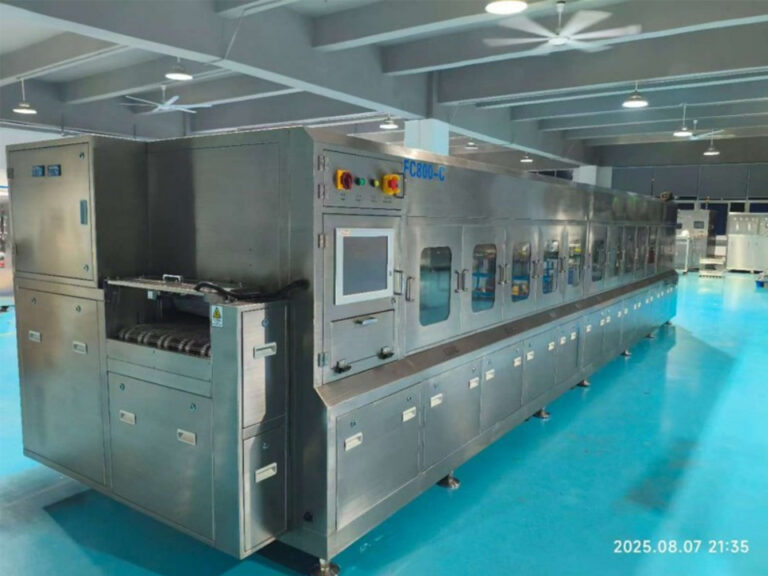
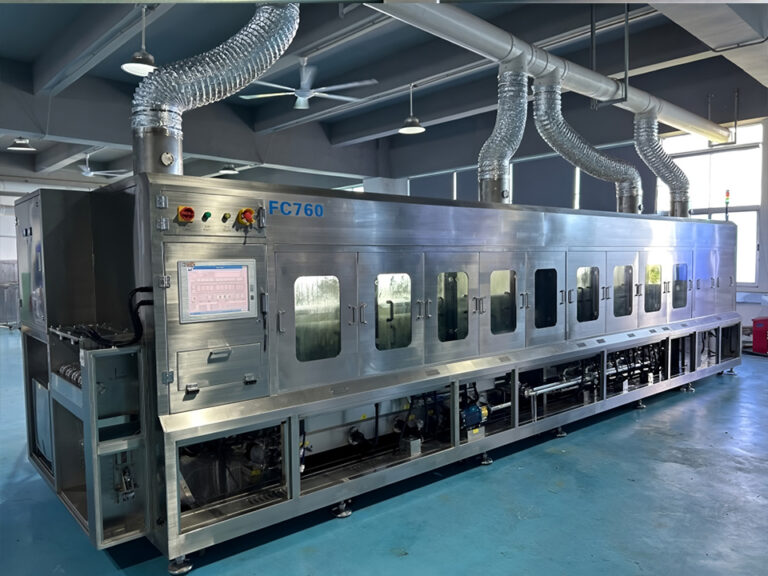
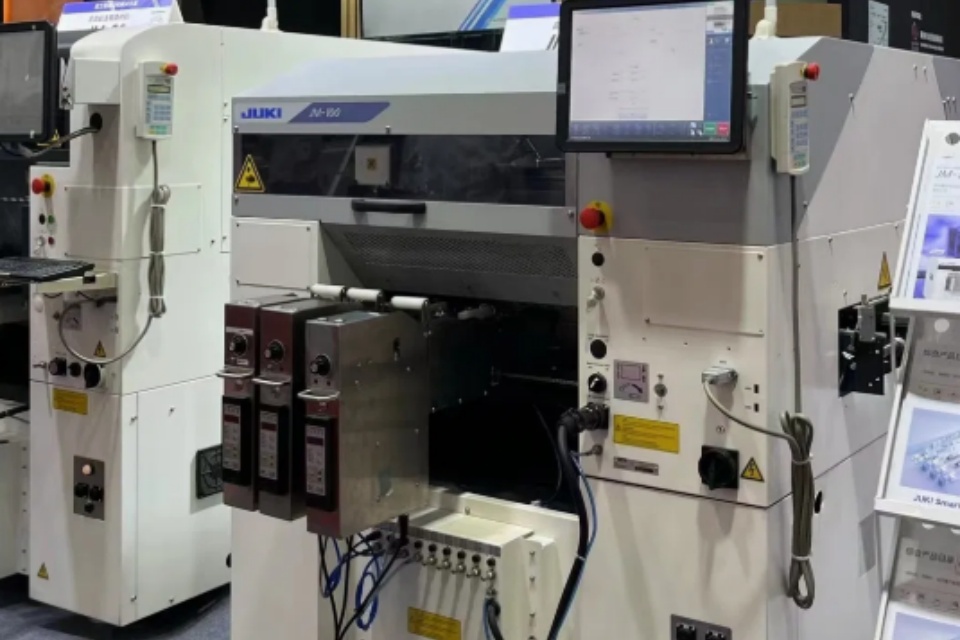
If you’re in SMT, you already know the punchline: a modern mounter can place fast, but the line still gets dragged down by kitting, feeder prep, board handling, and the never-ending question of “do we even have the right parts loaded?”
So. Don’t buy random boxes and hope they become a system.
If you want something that behaves like a system, look at turnkey SMT line solutions and judge it on one thing: does it reduce handoffs, reduce setup variability, and shorten the path from defect signal to process fix?
“Robotics to fill labor gaps” isn’t the villain story people want
I’m going to say this plainly: the “robots replace workers” narrative is usually a distraction.
The day-to-day reality is less dramatic and more pragmatic—plants try to reduce overtime, stop weekend firefighting, and keep quality from sliding when the most experienced operators aren’t on shift.
Reuters covered German businesses turning to robots as retirement pressure builds: Reuters (Oct 27, 2023). That’s not a cartoonish layoff plan. It’s a continuity plan.
And yes, the hype lane exists too. Reuters also covered Tesla’s humanoid robot push, tied directly to labor shortages and repetitive work: Reuters (Jul 22, 2024).
Do I think humanoids fix your manufacturing labor shortage next year? Nope. Not even close. But I do think it shows where money is pointing: toward automation that absorbs repetitive work when headcount refuses to scale.
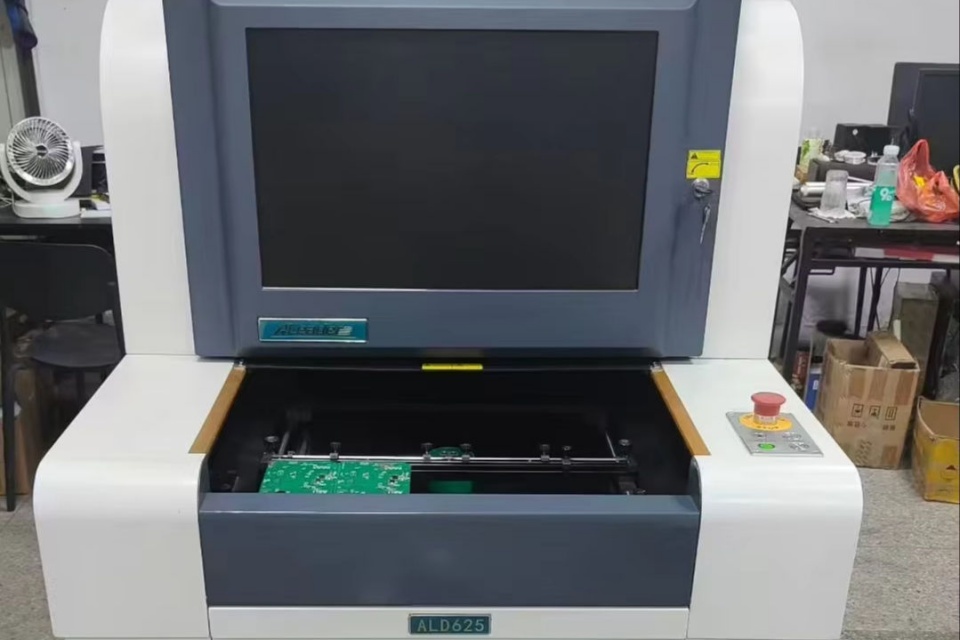
What I’d automate first if I cared about results (not bragging rights)
Short sentence. Start boring.
Because the fastest way to waste money is to automate the shiny step while the surrounding steps stay sloppy; you’ll run “faster” into the same bottleneck, then you’ll need scarce specialists to babysit the new equipment, and congratulations—you just built a more expensive staffing problem with nicer marketing photos.
So here’s a cleaner order, especially for SMT and similar production environments.
Stabilize high-mix before chasing speed
High-mix operations don’t need hero speed. They need repeatable setups, predictable kitting, and fewer line-side surprises.
That’s why prototype and small-batch SMT lines often gain the most from:
- offline feeder prep with verification
- barcode checks that stop wrong-reel mistakes early
- inspection feedback loops that actually change printing/placement settings instead of feeding a rework queue
One long sentence, because this is where people fool themselves: if you don’t define what “ready” means for parts, feeders, programs, and setup steps (and enforce it), you’ll just push more WIP through the line while the same defects, wrong parts, and setup drift keep chewing up the shift. Painful.
Scale output without scaling headcount
When volume rises and hiring doesn’t, the job is simple: run longer with fewer manual touches and fewer “only Steve knows” moments.
That’s where high-speed mass production lines earn their keep—especially when you bundle the boring essentials: maintenance discipline, spares planning, and inspection gating that prevents defect floods.
Treat AI workforce automation like a process program, not a slogan
AI workforce automation can help. But it won’t save a chaotic process.
If you don’t build skills internally—setup habits, PM routines, fault isolation basics—your “automation for labor shortages” effort becomes fragile and stressful. That’s why training and after-sales support belongs in the plan from day one. Not later. Day one.
Bring proof to the budget meeting
Nobody needs more hype. They need outcomes.
Pull real before/after evidence from customer case studies and make the argument in plain metrics: throughput, yield, rework hours, overtime, downtime causes. When the numbers line up, the debate gets shorter.
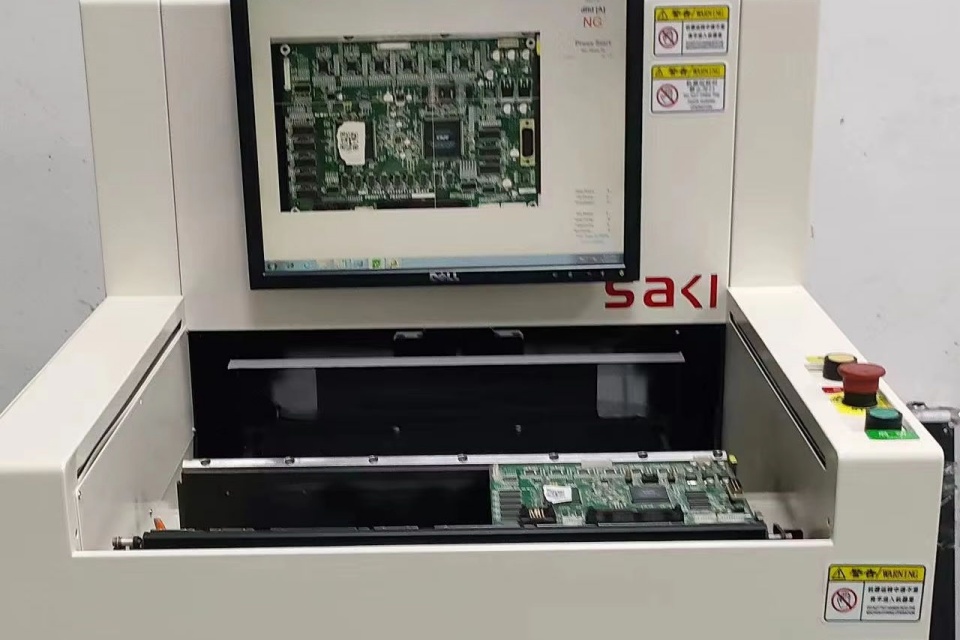
A practical comparison table: where automation absorbs the shortage
| Bottleneck area | What it looks like in daily operations | Automation move that actually helps | Labor impact (typical) | Where it backfires |
|---|---|---|---|---|
| Material kitting & line replenishment | Operators walking, hunting reels, last-minute swaps | Kitting discipline + scanning + feeder carts + standardized staging | Fewer “support” hours per shift; less chaos | Bad part data or weak change control |
| Changeovers | Long downtime, tribal knowledge setups | Setup standard work + offline feeder prep + quick-change fixtures | Less setup labor; higher uptime | Too many unique parts/packaging formats |
| Inspection-driven rework | Same defects repeating, hidden scrap cost | Close-loop SPI/AOI feedback into printing & placement | Fewer rework hours; better yield | If you ignore root cause and just sort defects |
| Manual soldering / touch-up | Bottlenecked by skilled hands | Selective automation (soldering robot for repeatable joints) | Moves skill to programming/fixtures | High product variation without fixture discipline |
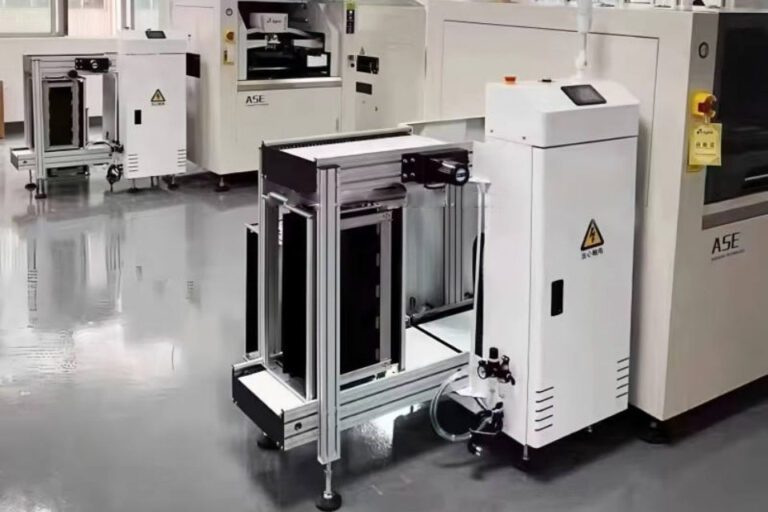
| Board handling & downstream flow | Queues, waiting, ergonomic strain | Conveyors, buffers, unloaders/loaders | Removes low-skill repetitive handling | Poor layout creates new choke points |
| Maintenance firefighting | “It ran yesterday” culture | Preventive maintenance system + spares strategy | Fewer emergency calls; stable staffing | If you underfund spares and training |
FAQs
How does automation help with workforce shortages? Automation for workforce shortages is the deliberate use of robotics, software, and machine-assisted workflows to cut the human minutes needed per unit, so output stays steady when recruiting lags, turnover spikes, or overtime gets ugly—without letting quality drift into endless rework and sorting. After that, you win by targeting the constraint first, not by “automating everything.”
What automation works best for an SMT manufacturing labor shortage? In SMT, the best automation for a manufacturing labor shortage is anything that stabilizes line-side reality—kitting, feeder prep, board handling, and inspection feedback—because those steps usually throttle throughput before placement speed does, especially in high-mix NPI where changeovers and wrong parts quietly eat the shift. Fix setup variability, then scale speed.
Does automation replace workers or just change jobs? Automation ‘replacing workers’ is the shift of repetitive tasks from people to machines while the remaining work moves upstream into setup, maintenance, process control, and QA, which only improves employment outcomes when companies invest in training, documentation, and career ladders instead of treating operators as disposable labor. Without training, the “replacement” becomes a skills shortage.
How do you calculate ROI for automation when labor is scarce? Automation ROI in a labor-scarce shop is a payback calculation that compares the full cost of instability—overtime, agency premiums, turnover, scrap, rework hours, downtime, and missed shipments—against the annualized cost of equipment, integration, and upkeep, using measurable throughput and yield changes as the cash-producing engine. Keep it constraint-based, then expand.
What’s the biggest risk when automating to solve workforce shortages? The biggest risk is ‘automating the mess’—buying equipment before you lock down data, change control, fixtures, standard work, and preventive maintenance—because the new system becomes brittle, needs scarce experts to babysit it, and turns labor shortage solutions into expensive downtime instead of stable output. Roll out in phases and build ownership.
Conclusion
If you want automation for labor shortages to work, don’t start with a catalog. Start with your constraint.
Pull your last 90 days of downtime, defects, overtime, and missed output. Pick the one step that bleeds the most hours. Then build a phased plan using prototype and small-batch SMT lines, high-speed mass production lines, and training and after-sales support.
When you’re ready to pressure-test the plan, use the contact page and send three items: last quarter’s output, your top three downtime causes, and your top three defect causes.