Fine-Pitch Ics (Qfp, Tssop): Accuracy Placement Techniques

Fine-pitch placement depends on more than machine precision. This overview explains the procedure manages that prevent QFP and TSSOP soldering flaws.


Fine-pitch placement depends on more than machine precision. This overview explains the procedure manages that prevent QFP and TSSOP soldering flaws.

A reflow stove does not solder a PCB appropriately just because its area settings match a familiar recipe. This guide describes exactly how to gauge, tune, and validate the thermal account experienced by the real assembly.

Conveyor systems figure out whether an SMT line moves efficiently or sheds result with blocking and malnourishment. This guide explains just how to define PCB managing tools around real manufacturing needs.

Fine-pitch placement relies on more than maker accuracy. This guide explains how printing, vision, board assistance, placement pressure, reflow, and examination work together.

Solder paste printing establishes whether an SMT line generates reliable joints or processes flaws much faster. This overview clarifies the print cycle, managing variables, evaluation methods, and usual failings.

BGA placement is only successful when solder printing, part handling, reflow, and inspection operate as one controlled process. This guide discusses how to position round grid range elements and validate hidden solder joints.

A quick placement machine does not automatically create a quick SMT production line. This overview describes exactly how board handling, equipment communication, placement security, thermal profiling, and examination should work as one regulated procedure.

A pick and place machine pays for itself when saved labor, reduced outsourcing, faster throughput, and lower rework exceed total ownership cost. This guide shows the real break-even math behind SMT automation, not the brochure version.

Large component handling is where many SMT lines quietly fail. This guide explains how oversized parts affect pickup, nozzles, feeders, vision, board support, and machine selection.

Vision system precision does not collapse overnight; it wanders with illumination changes, lens contamination, fixture wear, software application edits, and lazy verification practices. This guide clarifies how to maintain equipment vision calibration stable with referral artifacts, data logs, retesting intervals, and tough manufacturing self-control.
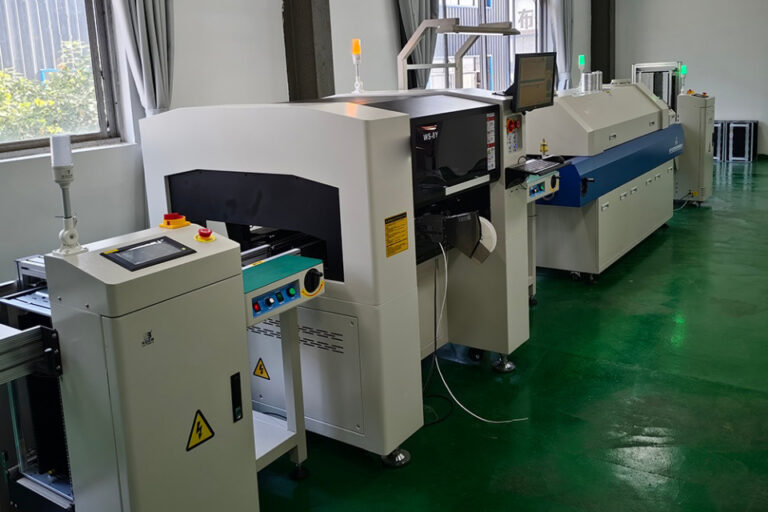
The international choice and area devices market is expanding as electronic devices makers require faster, much more accurate SMT assembly. This short article explains market dimension, development vehicle drivers, regional need, getting dangers, and devices selection factors.

Small passive parts expose weak SMT process control faster than almost anything else on the line. This post explains why 0201 and 0402 placement fails, how to diagnose the real cause, and which fixes actually improve yield.