When you push million-unit annual runs, the factory stops being “a line” and turns into a clock. Every tiny delay repeats a million times. And in SMT, the delays usually hide in boring places: stencil apertures that start clogging, flux residue that creeps, feeders that drift, inspection queues that stack, and then… line down.
Meraif positions itself as “Top 1 Turnkey SMT Line Solutions Expert in China”, with 20+ years of SMT factory operations experience and turnkey plant guidance. That’s the right angle for this topic, because million-run output isn’t one magic machine. It’s the whole system behaving.
Million-Unit Annual Runs in SMT Production
A turnkey SMT line is basically “ready-to-run”: printer, pick-and-place, reflow, AOI/SPI, conveyors, plus layout, install, testing—plug-and-play style.
In high-volume, you don’t just chase speed. You chase repeatability, because your real enemy is process drift.
And yes, “high volume” is exactly the kind of operation where you can define objectives quantitatively and do real optimization (not vibes).
Cycle Time Reduction
Cycle time isn’t only placement CPH. It’s everything that steals takt: feeder swaps, misprints, wash/dry waiting, AOI false calls, rework loops, even walking to find a nozzle.
Takt Time, Bottlenecks, and CPH
Meraif’s own “quality-focused inline” setup calls out first-pass yield and a stable daily production range like 8,000–18,000 CPH, which is a very SMT-fluent way to say: keep the line steady, don’t spike-and-crash.
So the argument is simple: speed without stability just makes scrap faster.
Practical scenario:
- Consumer electronics: you run 24/7, you can’t afford “just one more” misprint.
- Automotive modules: you can’t hide drift; the customer sees it in field returns.
Cooling Time Optimization
This sounds like molding talk, but in SMT you still have “cooling-time behavior” in two places:
- wash + dry cycles (drying becomes the long pole), and
- reflow oven cooler zones / cooler maintenance, where residue + airflow issues silently mess with profiles.
Stencil Cleaning + Drying Time
If you’re cleaning stencils manually, you’ll get operator variation and wasted labor. KAKEN TECH explicitly points out that when stencil count grows, manual work costs time and consistency; it recommends automatic cleaning for consistent results.
It also cites an automatic stencil cleaner example with cleaning + drying time: 7 minutes, and even says cleaning-to-drying can drop “as little as 6 minutes.”
Another stencil cleaning reference shows a high-end system with relative cycle time: 7 minutes per stencil, and describes the cleaning process as cleaning/rinsing + drying.
Now translate that to shop-floor reality: when your stencil cleaning is slow or inconsistent, you start seeing:
- clogged apertures → insufficient paste volume
- paste smears → bridging
- random print defects → AOI noise → rework pile grows
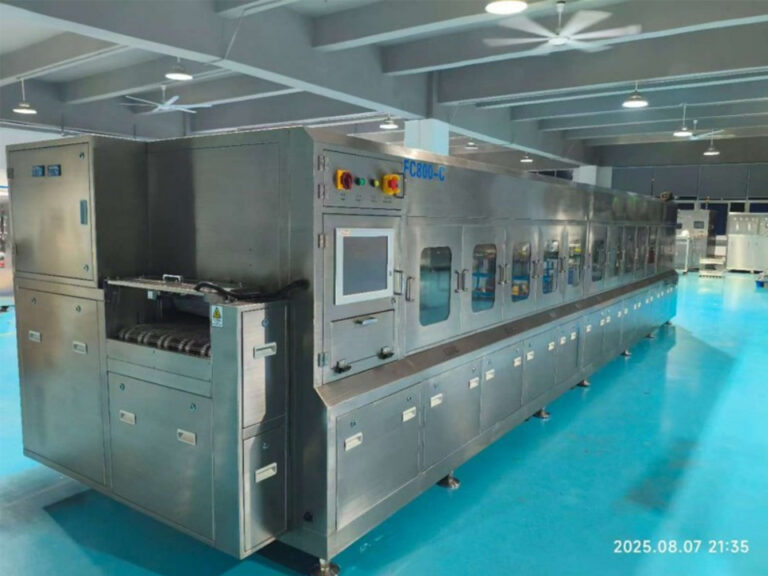
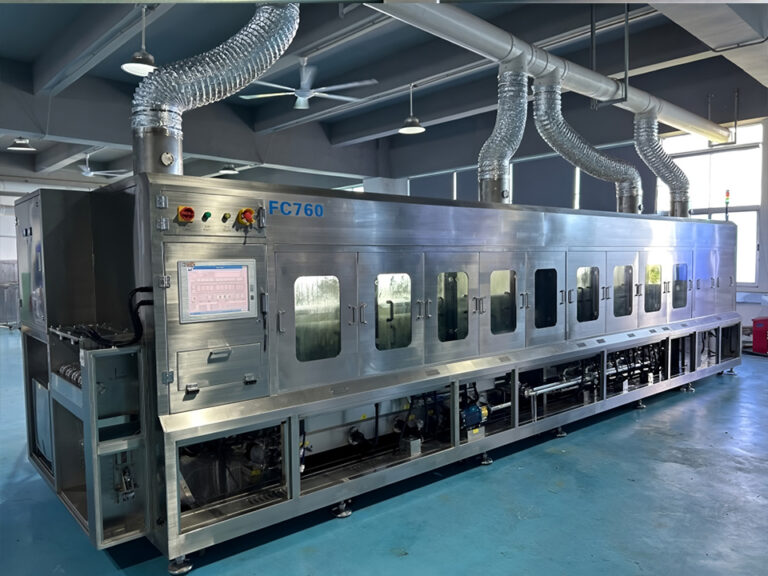
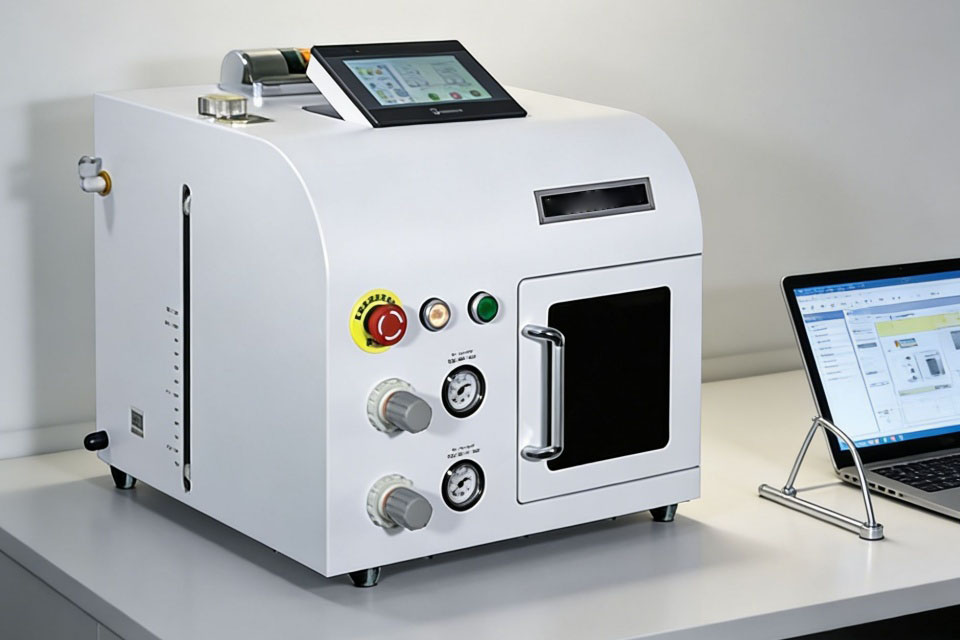
Meraif’s SMT Cleaning Machines category frames the point clearly: remove flux, dust, residues to protect soldering quality and assembly standards.
That’s not “nice to have.” That’s yield insurance.
Multi-Cavity Tooling and Automation
In SMT, “multi-cavity” often looks like multi-up panels, dual-lane conveyors, and parallel cleaning cells so the main line doesn’t wait.
You don’t want your printer to stop because the stencil is dirty and there’s no backup ready. That’s rookie pain.
Automation that actually matters at million-run scale:
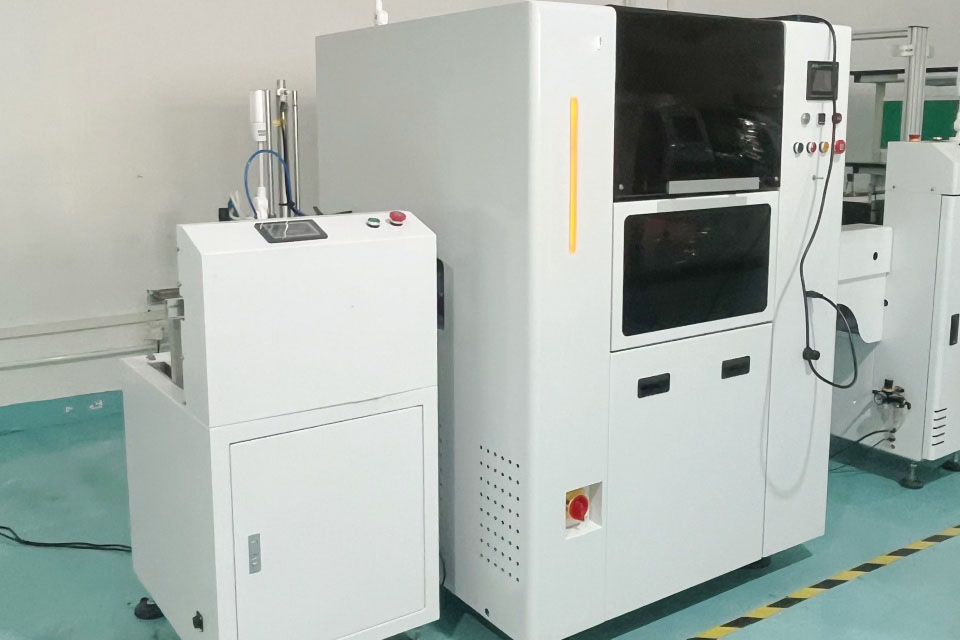
- offline stencil & squeegee cleaning (so you don’t pause takt)
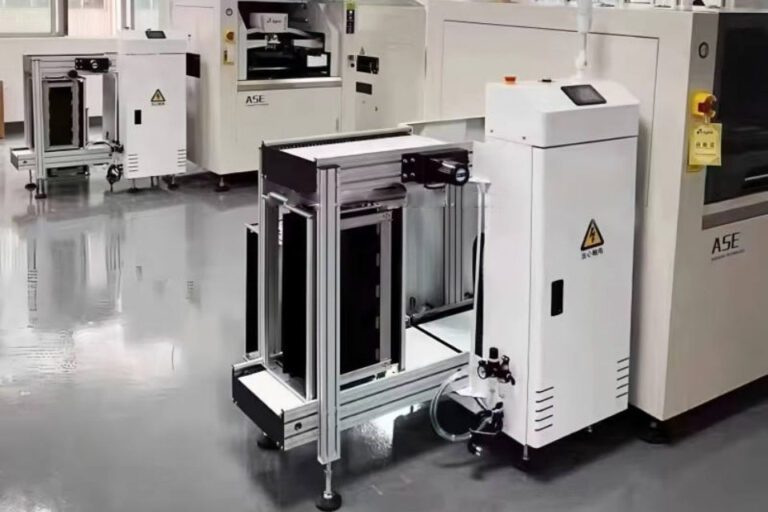
- automated conveyor handling (less human touch, less ESD drama)
- feeder kitting carts that are already staged (changeover doesn’t become a scavenger hunt)
Meraif also highlights OEM brands & spares (feeders, nozzles, carts, consumables) with support—this is the “keep the line alive” layer people forget until it hurts.
Digital Twin and Robotics
You don’t need fancy buzz. You need data loops that catch drift before it becomes scrap.
MES Traceability, Data Readiness & OEE Optimization
Meraif explicitly lists what matters in high-volume credibility: traceability, recipe control, downtime insight, continuous improvement loops.
It even breaks down:
- traceability scope (board ID, program version, feeder/slot mapping, inspection results, reflow profile linkage)
- OEE monitoring with downtime categorization (feeder, vision, stencil, conveyor)
- yield loss tracking and Pareto analysis
- process drift control with trend dashboards and maintenance triggers
That is basically a blueprint for “million-unit survival.”
Continuous Improvement
High volume rewards boring discipline: SPC, Pareto, and tight feedback.
The IISE paper makes the core point: high-volume operations let you define objectives well enough to do quantitative optimization, and the problem is generic enough that software and structured methods can help decisions.
On the floor, that usually becomes:
- “stop guessing, start measuring”
- lock CTQs (paste height, placement accuracy, reflow profile stability)
- run small DOE, then freeze what works
Material Flow and Storage
At million-run pace, material flow is a hidden constraint. If your feeders/nozzles/consumables aren’t staged right, you’ll bleed minutes all day.
Meraif’s product ecosystem leans into this: feeders, nozzles, SMT trolleys, cleaning machines, inspection, printers, reflow.
That matters because kitting + replenishment is part of throughput, even if it doesn’t look like “production.”
Honestly, half the “line down” stories start with: “we couldn’t find the right feeder.”
Test and Inspection Throughput
In million-unit runs, inspection becomes either:
- your quality firewall, or
- your bottleneck factory.
Meraif’s turnkey line framing includes AOI/SPI as standard equipment for a ready-to-run line, which is exactly how modern SMT should look.
Also, a useful cross-industry reminder from NI: high-volume test has to balance coverage, throughput, and scaling, and one customer quote mentions testing “several hundred million units” with focus on reliability and availability.
Different industry, same lesson: you scale inspection like you scale placement—on purpose.
NRE Amortization and Make-vs-Buy
High volume changes decisions. ScienceDirect puts it plainly: when volume reaches thousands to millions, you can amortize custom development over the run; at low volumes, COTS often makes more sense.
In SMT terms: for million-unit programs, you can justify more:
- custom fixtures
- dedicated nozzles
- optimized cleaning recipes
- tighter automation
It’s not always true, but it’s true often enough to plan around.
Lean Six Sigma TOC Sequencing
Don’t throw every method at the line at once. You’ll confuse everyone and fix nothing.
A simple practical order:
- Find the constraint (TOC mindset): printer? placement? AOI? wash/dry?
- Stabilize it (maintenance + spares + settings)
- Reduce variation (SPC / Cpk thinking)
- Cut changeover pain (SMED-ish kitting, pre-set programs)
- Repeat. Yeah it’s repetitive, but that’s the point.
Argument Map for Million-Unit Annual Runs
| Argument title (keyword) | Typical pain on the line | What you do on the shop floor | Metrics you watch | Evidence / source |
|---|---|---|---|---|
| Cycle Time Reduction | takt slips, micro-stops | line balance, remove waiting, kill repeat delays | takt, CPH, downtime minutes | Meraif inline throughput framing |
| Cooling Time Optimization | wash/dry becomes hidden bottleneck | standardize wash + dry recipes, parallelize cleaning | cleaning cycle time, availability | 6–7 min cleaning+drying example |
| Multi-Cavity Tooling and Automation | printer waits on stencil, changeover chaos | multi-up panels, dual-lane, offline cleaning cell | changeover time, utilization | Meraif spares + turnkey categories |
| Digital Twin and Robotics | drift shows up “later” as defects | data hooks + alarms + maintenance triggers | drift trends, OEE loss buckets | MES/OEE/drift control list |
| Continuous Improvement | same defect keeps returning | SPC + Pareto + small DOE | PPM, FPY, rework rate | IISE: quantitative optimization in high volume |
| Material Flow and Storage | “can’t find feeder/nozzle” | kitting carts, ESD control, spares bundle | line stop reasons, kitting accuracy | OEM brands & spares mention |
| Test and Inspection Throughput | AOI queue, false calls | inline SPI/AOI tuning + stable thresholds | false call rate, inspection takt | Turnkey AOI/SPI + high-volume test scaling concept |
| NRE Amortization and Make-vs-Buy | under-invested tooling hurts yield | justify custom fixtures/recipes when volume supports | defect recurrence, uptime | high volume amortization principle |
| Lean Six Sigma TOC Sequencing | random projects, no priority | constraint-first, then variation, then changeover | constraint utilization, Cpk | IISE optimization framing |
Closing: where Meraif fits (without the fluff)
If you’re serious about million-unit annual runs, you need a partner that talks in OEE buckets, traceability points, downtime Pareto, stencil cleaning cycles, and spares strategy, not just “machine specs.” Meraif sells across the SMT stack—pick and place, printers, reflow, SPI/AOI, PCB handling, coating/cutting, and especially SMT Cleaning Machines—and it positions itself as a turnkey SMT plant solution provider with deep factory experience.