If you’ve ever babysat an SMT line at 2 a.m., you already know this: the “fastest” placement spec on a brochure doesn’t save you when the machine throws feeder errors, vision miss, or random nozzles drop parts like it’s having a bad day.
So in this piece, I’m ranking pick and place machine brands by reliability and real-world performance. Not fantasy speed. Real uptime, real changeover life, and real yield.
I’ll also show you a simple scoring model, a ranking table, and a few shop-floor scenarios (high-mix, mass production, NPI). And yes, we’ll talk about reflow profiling too, because half the “placement problem” is actually reflow being messy.
Pick and place machine reliability and performance
Let’s get one thing straight: reliability isn’t “it didn’t break this month.” Reliability is how predictable the machine behaves when the line is under pressure.
Here’s what usually separates a stable line from a headache line:
- Feeder ecosystem stability: feeder jam rate, splice tolerance, and whether your feeder bank behaves after 20 changeovers.
- Vision + calibration repeatability: does it hold accuracy after maintenance, nozzle swaps, and different operators?
- Parts availability: can you get wear parts fast, or do you wait and watch your line go down?
- Software usability: how often you fight the UI during NPI, and how fast you can recover when a program is slightly off.
- Maintenance friendliness: PM schedule, access to sensors, belt replacement pain level, and how often you need “special guy” to fix it.
Performance is also not just speed. Performance is the speed you can actually sustain without spiking defects or stopping for babysitting:
- Stable high-speed placement under normal component mix (0402/0201, QFN, connectors)
- Fast + clean changeover (especially for EMS/high-mix)
- Good pickup rate with real reels (not perfect reels)
- Solid package handling (odd-shaped parts, trays, tall parts, fine pitch)
Reliability and performance scoring model
To keep the ranking honest, I like a simple model:
- Reliability score (0–10) = uptime stability + feeder reliability + serviceability + spares access
- Performance score (0–10) = sustainable throughput + changeover speed + capability range + software efficiency
- Total score (0–100) = weighted sum
Here’s a practical weighting I use when people ask, “Which brand should I buy?”
Not perfect, but it’s sane.
| Category | What you’re really measuring | Weight |
|---|---|---|
| Reliability | Uptime, feeder stability, predictable placement, easier recovery | 55% |
| Performance | Sustainable speed, changeover time, capability breadth | 45% |
Quick note: If you’re building automotive/medical, reliability weight often goes up. If you’re doing consumer peak volume, performance weight might go up a bit. But most factories live in the middle.
Pick and place machine brands ranked by reliability and performance
This ranking is based on how these brands usually behave across common SMT scenarios: EMS high-mix, stable mass production, and frequent NPI. If you run a very special niche (like tiny wearables all day, or odd-form connectors all day), the order can shift.
| Rank | Brand (typical market positioning) | Reliability (0–10) | Performance (0–10) | Best-fit scenario |
|---|---|---|---|---|
| 1 | ASM (SIPLACE class) | 9.5 | 9.0 | High-end lines, strict process control, long-term stability |
| 2 | Panasonic | 9.0 | 8.8 | Balanced lines: high throughput + strong placement consistency |
| 3 | Fuji | 8.8 | 9.2 | High-speed + flexible capability, strong in many EMS setups |
| 4 | Yamaha | 8.6 | 9.0 | Speed + feeder ecosystem, good for volume with frequent changeover |
| 5 | Hanwha (Samsung legacy) | 8.0 | 8.5 | Strong value, solid speed, good option for growing lines |
| 6 | JUKI | 8.2 | 7.8 | Reliable day-to-day, friendly for mixed production and stable ops |
| 7 | Other/Regional brands (varies) | 6.5–7.8 | 6.8–8.0 | Budget-driven builds or niche applications (needs careful vetting) |
You’ll notice I’m not pretending there’s one “best” brand for everyone. There isn’t. The right answer depends on your pain point: line down, changeover chaos, yield drift, or support response.
Reliability signals you can check before you buy
A lot of buyers do the demo, see it place parts, and sign. Then two months later they realize the demo didn’t show the ugly stuff.
Here are reliability signals you can actually check:
Feeder bank behavior under real changeover
Ask for a trial where the operator does:
- 2–3 fast changeovers back-to-back
- mixed reels with splices (not “fresh reels only”)
- a few sketchy reels (because real life is sketchy)
If the feeder errors explode, that’s your future.
Recovery speed after a stop
Stops will happen. The question is: how fast can you recover?
Watch for:
- How long it takes to rehome + resume
- Whether the software guides the operator well
- How easy it is to isolate a bad feeder or nozzle
Placement repeatability after maintenance
Some machines feel great… until the first PM. Then accuracy drifts and the line starts chasing ghosts.
If you can, ask for a reference line that has been running 1–2 years and check stability.
Performance that matters in real production
In real SMT, performance is a mix of speed and “don’t make me baby it.”
Here are 3 performance angles that matter more than brochure numbers:
Sustainable throughput, not peak speed
Peak speed numbers often assume ideal placement patterns and perfect reels. Your line won’t look like that.
Sustainable throughput depends on:
- component mix (tiny passives + connectors + ICs)
- feeder layout
- nozzle strategy
- whether your program optimization is fast or painful
High-mix changeover speed (EMS reality)
If you’re EMS, your bottleneck is often not placement speed. It’s:
- kitting
- feeder setup
- verification
- first article inspection (FAI)
- program management
So the fastest machine can still lose if changeover takes forever.
Capability breadth (the “weird parts” tax)
Every factory has weird parts. Tall connectors. Odd-shaped shields. Trays that aren’t perfectly flat.
A strong machine keeps pickup rate stable and doesn’t turn every weird part into a week-long debug.
Reflow thermal profiler and why your “placement issue” might be reflow
I’m gonna say something that makes some teams mad:
Sometimes the pick and place is fine. Reflow is the problem.
If you see defects like:
- tombstoning on small passives
- solder balling
- head-in-pillow on BGA
- skewing on QFN
- inconsistent wetting across the panel
…you can waste weeks tuning placement, when the real root cause is the thermal profile drifting, or the oven zones not behaving.
That’s why a Reflow Thermal Profiler matters for reliability and yield, even though it’s not a placement machine. It ties your placement quality to actual soldering results.
If you want to dig into tools in this category, start here: Reflow Thermal Profiler pick and place machine
A very practical setup is to run a profiler during:
- new product introduction (NPI)
- paste change
- PCB supplier change
- oven maintenance
- seasonal humidity swings (yeah, it’s real)
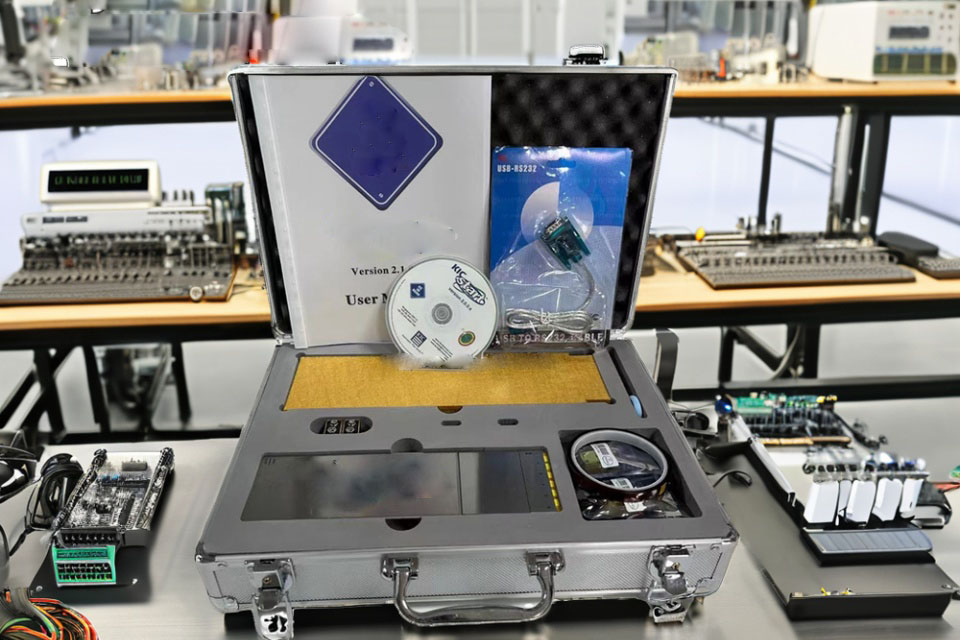
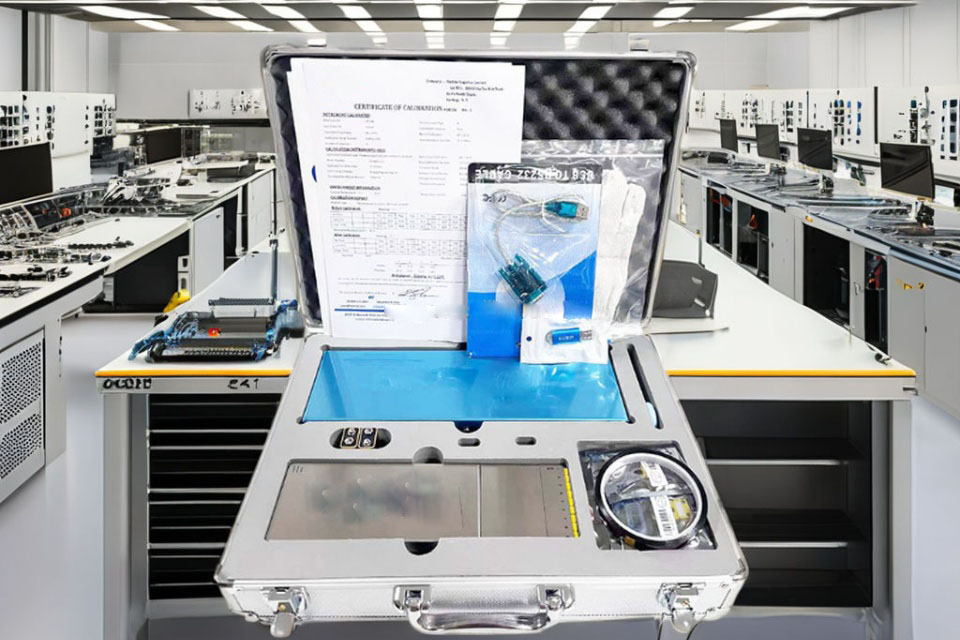
For a concrete tool example, this one comes up a lot in real factories: KIC Explorer 12ch thermal profiler pick and place machine
Maintenance, spares, and support: the boring stuff that decides uptime
Most “reliability rankings” ignore support. That’s a mistake.
A machine can be great, but if you can’t get training, spares, or fast troubleshooting, your uptime dies slowly.
Here’s the support stack that keeps lines alive:
- Operator + engineer training (so you don’t rely on 1 “guru”)
- Preventive maintenance discipline (PM that actually gets done)
- Spare parts readiness (wear parts, sensors, belts, nozzles, feeders)
- Remote support that responds fast, with real diagnostics
If you’re building a line and want less drama later, plan for support early. This is where training & after-sales support and spare parts & accessories stop being “nice-to-have” and become survival tools. pick and place machine
Turnkey SMT line solutions and how to keep reliability high from day one
A pick and place machine doesn’t live alone. It sits inside a whole SMT line:
- solder paste printer
- SPI/AOI
- PCB handling (loaders, conveyors, unloaders)
- reflow oven
- cleaning, coating, depaneling (depending on your products)
- ESD control (don’t ignore it)
When you buy piece by piece with no line balancing, you often create bottlenecks and hidden downtime. The line looks “complete,” but it runs like a traffic jam.
If you want a smoother ramp-up, people often go for turnkey SMT line solutions because it forces planning around takt time, interface standards, and process tuning. pick and place machine
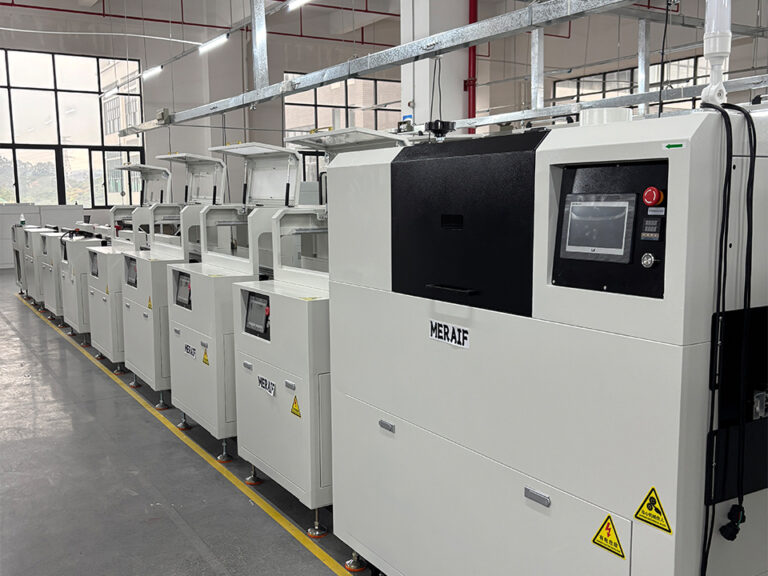
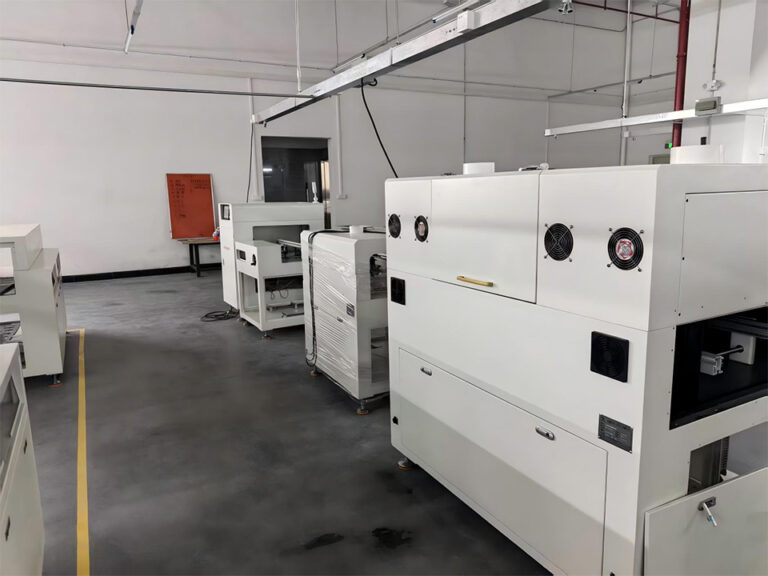
This is also where Meraif fits naturally. Meraif focuses on full SMT plant solutions, and they support custom builds, bulk wholesale, and OEM/ODM supply styles. If you’re a distributor or you buy in volume, you usually care more about repeatable delivery and support system, not just one shiny machine.
If you want quick reference materials for internal review, you can download catalog and skim real deployment stories in customer cases. pick and place machine
Quick buyer checklist for reliability and performance
Use this when you’re comparing brands or models. It helps you avoid “demo bias.”
| Checklist item | Why it matters | What to ask for |
|---|---|---|
| Feeder stability under splices | Splice errors cause random stops | Run spliced reels during demo |
| Changeover time | EMS lives or dies here | Time a full feeder swap + verification |
| Recovery workflow | Stops are normal; recovery speed is not | Simulate a feeder error and recover |
| Program optimization effort | “Easy software” saves weeks | Show NPI workflow end-to-end |
| Placement repeatability | Drift kills FPY quietly | Ask for long-run stability references |
| Support + spares | Uptime depends on response | Define spares list + response SLA (no vague talk) |
| Process tools (profiling) | Reflow can fake “placement problems” | Verify profiling + oven control plan |
Bottom line
If you want the safest bet for long-term stability, the top-tier brands tend to win because they’ve been stress-tested across thousands of lines. But you still need to match the brand to your reality: high-mix EMS, mass production, or constant NPI chaos.
And if you want reliability that actually shows up on the shop floor, don’t only rank the pick and place machine. Rank the full support path too: training, spares, process tools, and how fast you can bring the line back when it gets grumpy.
If you’re building a new line or upgrading an old one, Meraif can help you spec it in a way that avoids the common traps—especially when you’re doing custom configs, bulk orders, or OEM/ODM style purchasing.