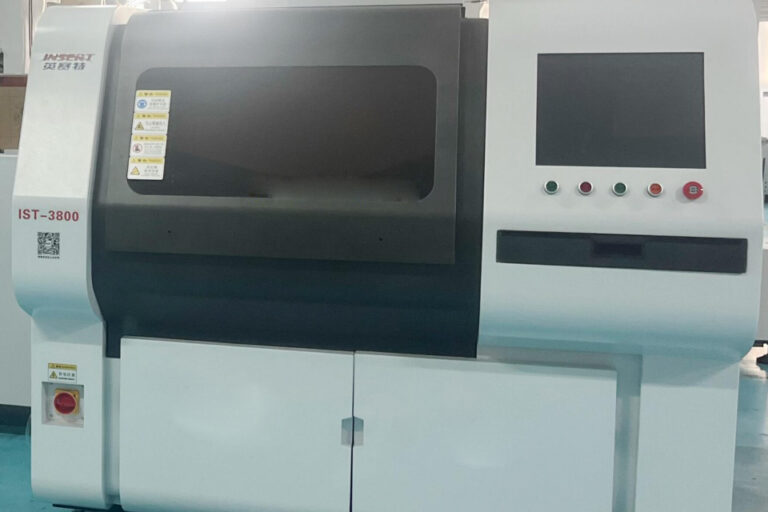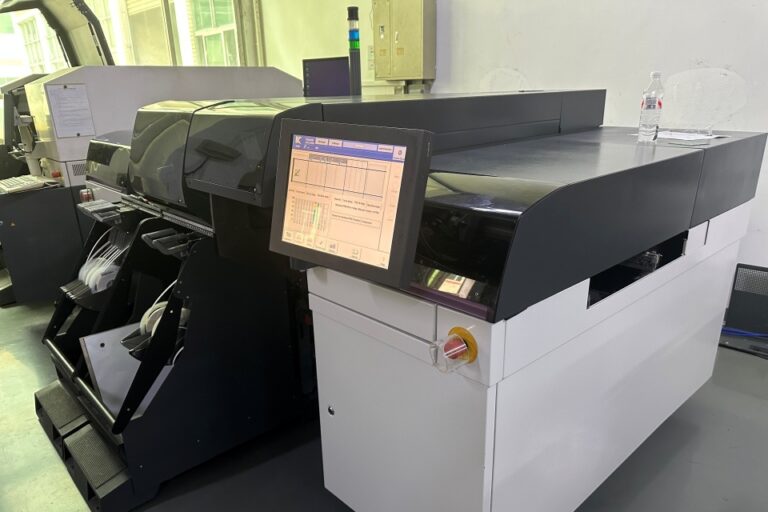
High-Speed Pick And Place Machines: Fuji Nxt Vs. Hanwha Vs. Asm Comparison

High-speed specs look clean on paper. Real factories are messy, and that’s where these three platforms separate—fast.


High-speed specs look clean on paper. Real factories are messy, and that’s where these three platforms separate—fast.

Most “AI in SMT assembly” projects fail for boring reasons: bad data joins, messy feeder metadata, and no change control. This post shows where machine learning actually improves pick-and-place programming, placement quality, and predictive maintenance—using real 2024 evidence and hard limits.

Solder bridges aren’t “mystery reflow ghosts.” They’re predictable process math—paste volume, pad geometry, and heat—plus a few uncomfortable habits on the line.

Feeding isn’t “just logistics.” It’s a mechanical chain of custody that decides your uptime, your defects, and your real cost per board.

Fuji, Juki, and Yamaha don’t compete the way buyers think they do. This guide breaks the decision down to ecosystem lock-in, changeover reality, and what hurts when production goes sideways.

Industry 4.0 is hitting SMT lines fast, but most “smart” upgrades fail for boring reasons: data quality, interfaces, and ownership. Here’s what actually works, what breaks, and what to buy first

Tombstoning looks like a placement problem, but it usually isn’t. This post breaks down the real failure physics, the telltale data signals, and the fixes that hold up on production lines.

Most “how it works” pages describe a fairy tale version of SMT placement. This one maps the real operating cycle—what happens in the controller, what eats your seconds, and why “spec speed” often lies.

Most SMT installs don’t fail during rigging. They fail three months later, when you can’t service feeders, your air is wet, and the floor “looked level” until accuracy drift showed up.

Entry-level SMT pick and place machine cost looks friendly until feeders, uptime, and changeovers hit your margin. This breakdown shows what actually drives total cost per placement—and when “industrial” is cheaper.

If your budget is under $10k, you’re not “shopping for a pick-and-place.” You’re choosing which compromises you can survive: speed, feeders, vision, or support.

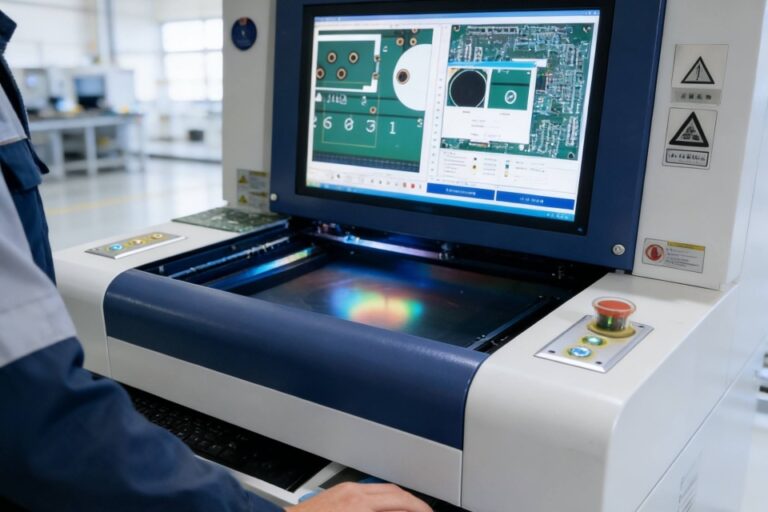
Deep learning vision spots solder paste printing defects early, adapts to drift, flags unknown issues, and supports higher FPY in real SMT lines with Meraif.