
Tray Feeder Technology: Managing Large Component Batches
Tray feeder technology is not about looking sophisticated in a line layout. It is about keeping large, fragile, high-value components moving without turning every batch into a changeover tax.

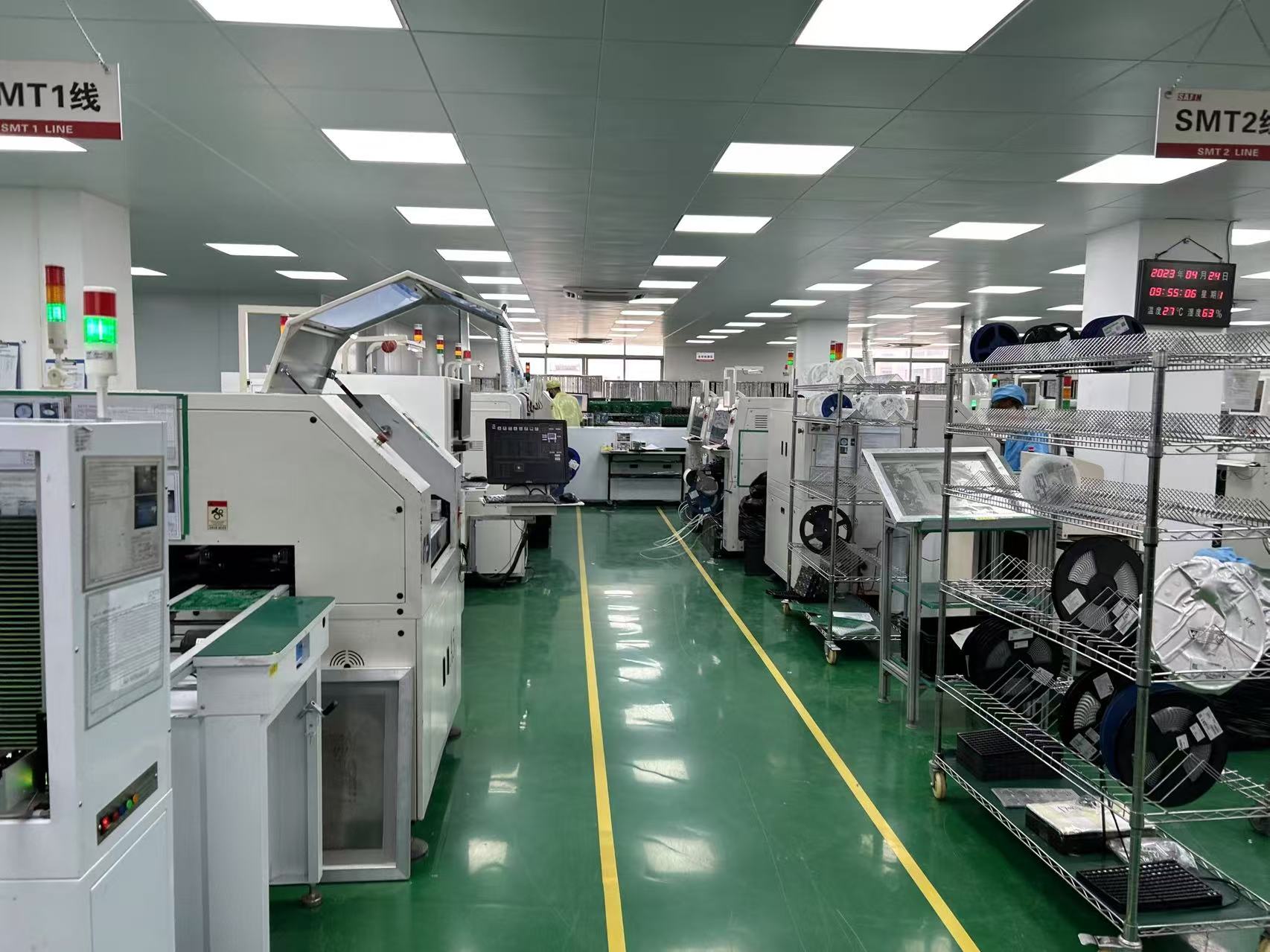
Keep SMT lines reliable: feeder/nozzle care, ESD storage, cleaning machines, consumables, and smart spares planning to maximize uptime, accuracy, and stability.
Tray feeder technology is not about looking sophisticated in a line layout. It is about keeping large, fragile, high-value components moving without turning every batch into a changeover tax.
Stick feeder systems are not magic bulk hoppers. They are disciplined, tube-based component feeding systems that make sense when reels waste money, feeder slots, and operator time.

Most SMT lines do not lose parts because of bad luck. They lose them because nozzle selection, vacuum stability, pickup centering, and release timing drift out of control long before anyone admits it.
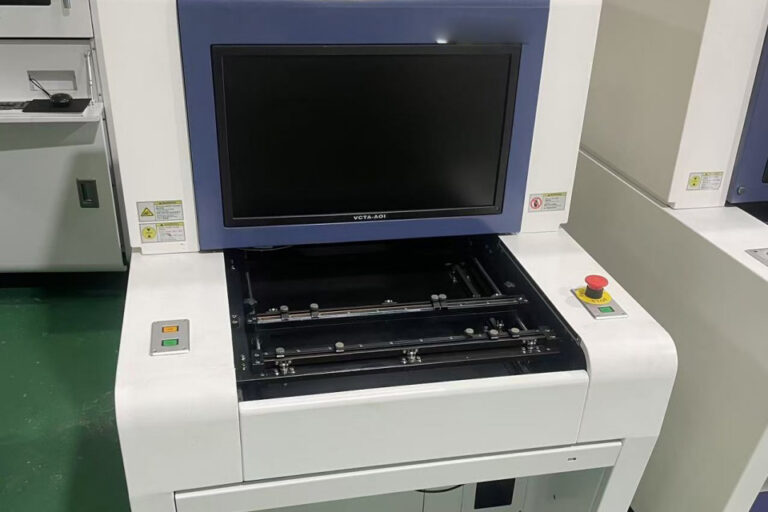
BGA and odd-shape placement failures rarely start at reflow; they usually start at pickup. This post explains how specialized nozzles, machine settings, and inspection discipline separate stable lines from expensive guesswork.
Standard nozzles are cost-effective until they begin to hide scrap, mispicks, and instability. This article explains when specialized nozzles and custom tooling create measurable returns in SMT and selective solder processes.
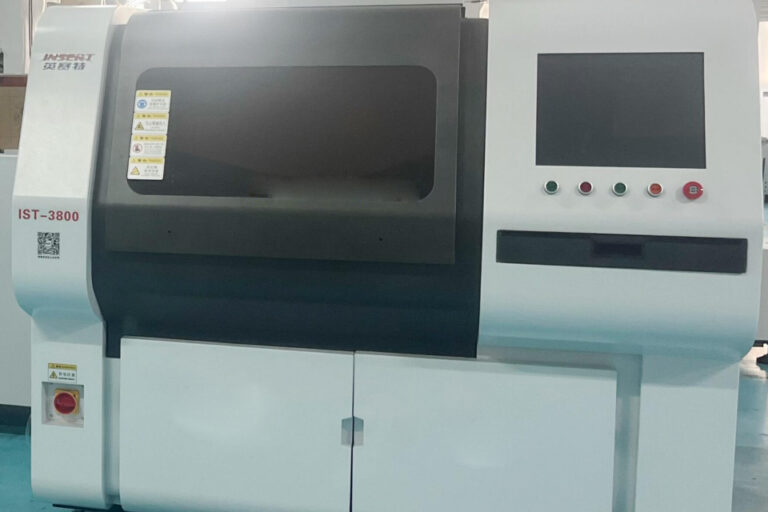
Automatic Nozzle Changers are not a vanity feature. They are a response to brutal product mix, shorter runs, and the hidden cost of nozzle indecision. This article breaks down which multi-nozzle strategies actually work, where vendors oversell, and how smart SMT teams should think about component variety.
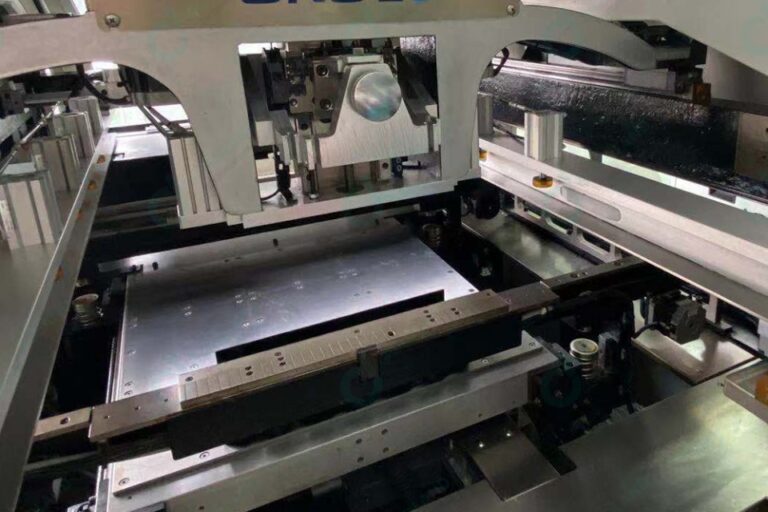
Base and top coat do not have to be the same brand. What matters is cure compatibility, film flexibility, lamp output, and ingredient quality—not whether the labels match.

Most nozzle failures start as boring contamination, then turn into placement drift, dropped parts, and expensive line stops. This guide explains how I would clean, inspect, and retire SMT vacuum nozzles before they start taxing yield.

Most SMT lines do not struggle because they lack nozzle options. They struggle because nozzle selection is treated as a setup detail instead of a process decision. This guide explains how to match pick and place nozzles to component geometry, vacuum behavior, and production risk.

Placement speed is not just a machine spec. It is a math problem hiding inside feeder layout, head movement, nozzle changes, and scheduling logic. This article explains where smart algorithms actually save time, where vendors exaggerate, and what engineers should measure before claiming a throughput win.

Cheap SMT equipment can become very expensive once downtime, spare parts, and weak service start stacking up. This article compares Chinese and Japanese pick and place machines where buyers actually win or lose money.
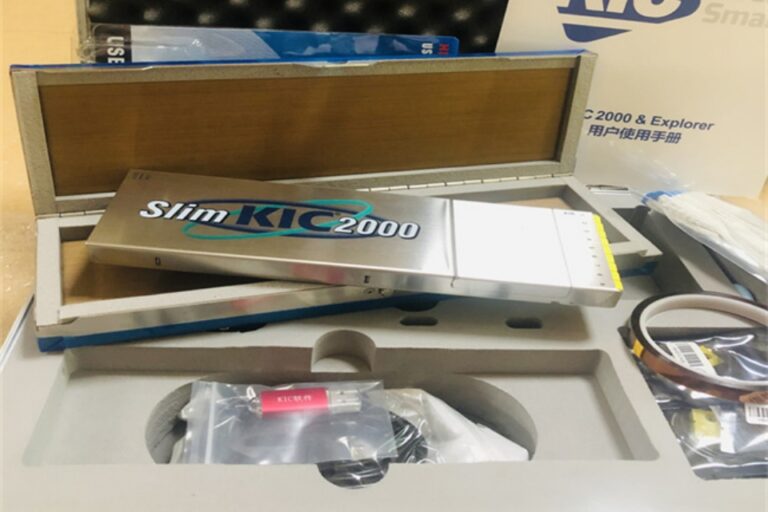
A wide SMT component size range looks impressive on paper, but placement capability alone does not guarantee yield. This article explains what really determines whether a line can run 0201 components and oversized PCB parts without hidden process failures.