
Tray Feeder Technology: Managing Large Component Batches
Tray feeder technology is not about looking sophisticated in a line layout. It is about keeping large, fragile, high-value components moving without turning every batch into a changeover tax.

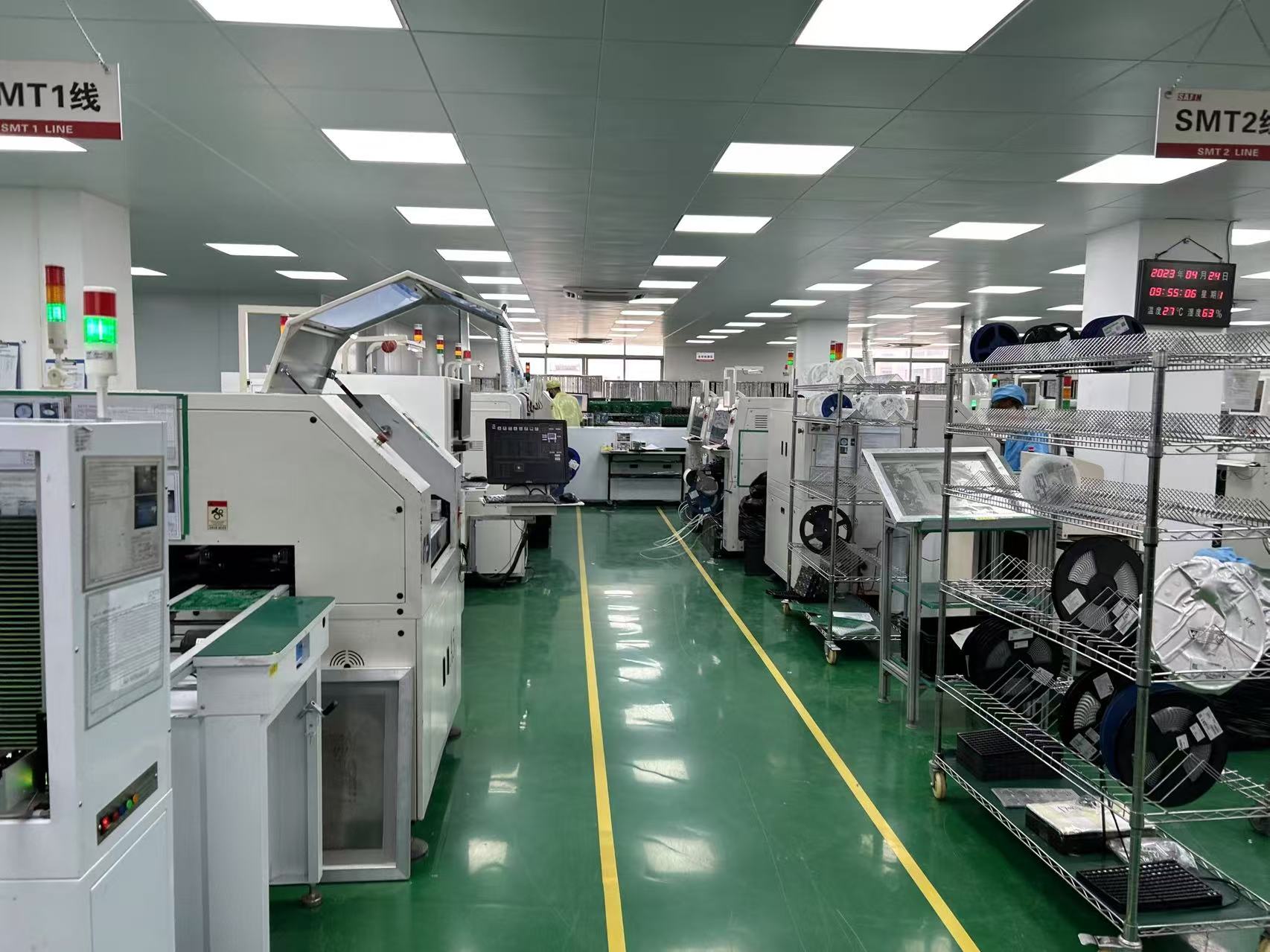
Đảm bảo độ tin cậy của các dây chuyền SMT: bảo dưỡng bộ cấp liệu/vòi phun, lưu trữ chống tĩnh điện (ESD), máy vệ sinh, vật tư tiêu hao và kế hoạch dự phòng thông minh để tối đa hóa thời gian hoạt động, độ chính xác và tính ổn định.
Tray feeder technology is not about looking sophisticated in a line layout. It is about keeping large, fragile, high-value components moving without turning every batch into a changeover tax.
Stick feeder systems are not magic bulk hoppers. They are disciplined, tube-based component feeding systems that make sense when reels waste money, feeder slots, and operator time.

Most SMT lines do not lose parts because of bad luck. They lose them because nozzle selection, vacuum stability, pickup centering, and release timing drift out of control long before anyone admits it.
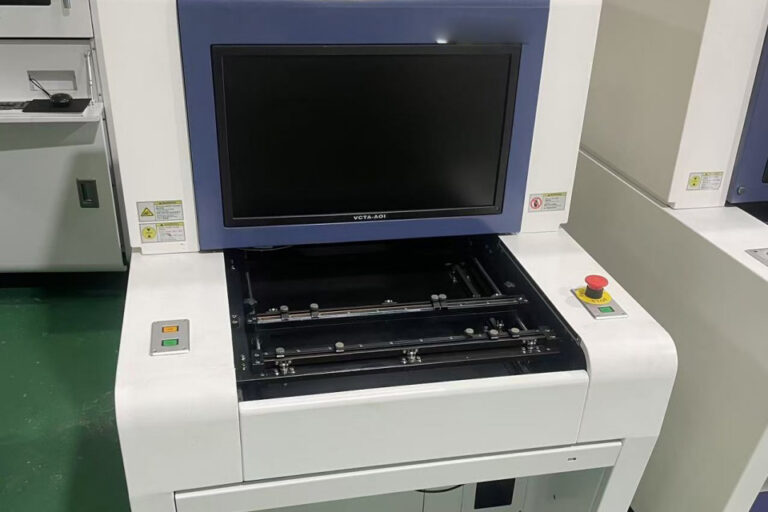
BGA and odd-shape placement failures rarely start at reflow; they usually start at pickup. This post explains how specialized nozzles, machine settings, and inspection discipline separate stable lines from expensive guesswork.
Standard nozzles are cost-effective until they begin to hide scrap, mispicks, and instability. This article explains when specialized nozzles and custom tooling create measurable returns in SMT and selective solder processes.
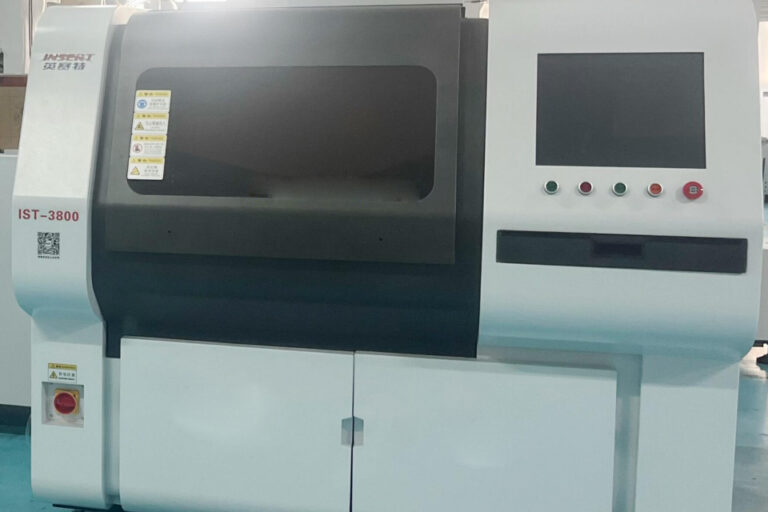
Automatic Nozzle Changers are not a vanity feature. They are a response to brutal product mix, shorter runs, and the hidden cost of nozzle indecision. This article breaks down which multi-nozzle strategies actually work, where vendors oversell, and how smart SMT teams should think about component variety.
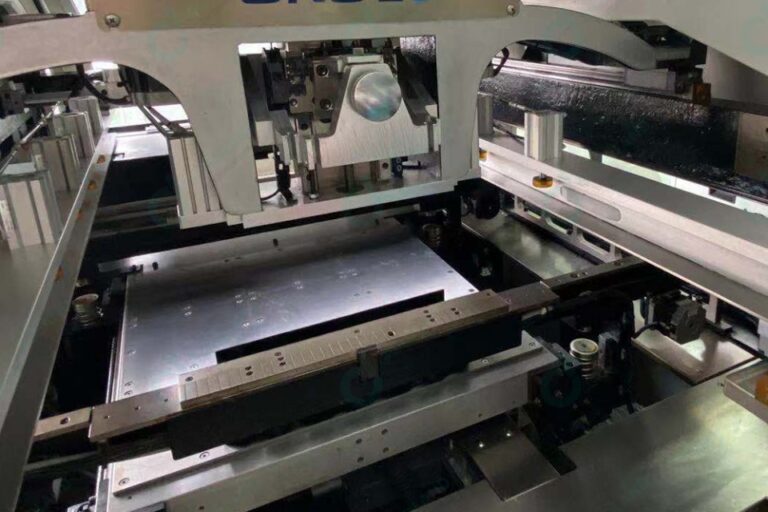
Base and top coat do not have to be the same brand. What matters is cure compatibility, film flexibility, lamp output, and ingredient quality—not whether the labels match.

Most nozzle failures start as boring contamination, then turn into placement drift, dropped parts, and expensive line stops. This guide explains how I would clean, inspect, and retire SMT vacuum nozzles before they start taxing yield.

Most SMT lines do not struggle because they lack nozzle options. They struggle because nozzle selection is treated as a setup detail instead of a process decision. This guide explains how to match pick and place nozzles to component geometry, vacuum behavior, and production risk.

Tốc độ đặt điểm không chỉ là một thông số kỹ thuật của máy móc. Đó là một bài toán ẩn chứa trong cách bố trí bộ nạp, chuyển động của đầu phun, việc thay đổi vòi phun và logic lập lịch. Bài viết này giải thích những điểm mà các thuật toán thông minh thực sự giúp tiết kiệm thời gian, những điểm mà các nhà cung cấp thường phóng đại, cũng như những yếu tố mà các kỹ sư cần đo lường trước khi khẳng định đã đạt được sự cải thiện về năng suất.

Thiết bị SMT giá rẻ có thể trở nên rất tốn kém khi các chi phí liên quan đến thời gian ngừng hoạt động, phụ tùng thay thế và dịch vụ kém chất lượng bắt đầu chồng chất. Bài viết này so sánh các máy đặt linh kiện của Trung Quốc và Nhật Bản để chỉ ra những điểm mà người mua thực sự có thể thu được lợi nhuận hoặc phải chịu lỗ.
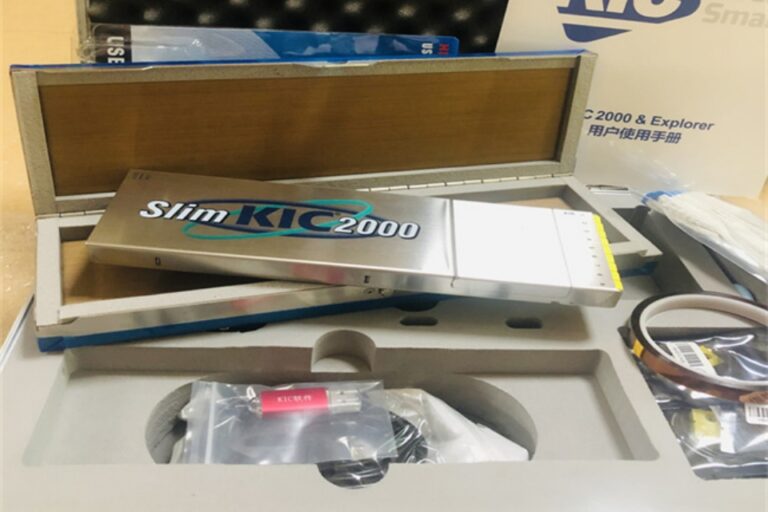
Một dải kích thước linh kiện SMT rộng có thể trông ấn tượng trên giấy, nhưng khả năng đặt linh kiện alone không đảm bảo năng suất. Bài viết này giải thích những yếu tố thực sự quyết định liệu một dây chuyền sản xuất có thể chạy được linh kiện 0201 và các linh kiện PCB kích thước lớn mà không gặp sự cố quy trình ẩn hay không.