
Tray Feeder Technology: Managing Large Component Batches
Tray feeder technology is not about looking sophisticated in a line layout. It is about keeping large, fragile, high-value components moving without turning every batch into a changeover tax.

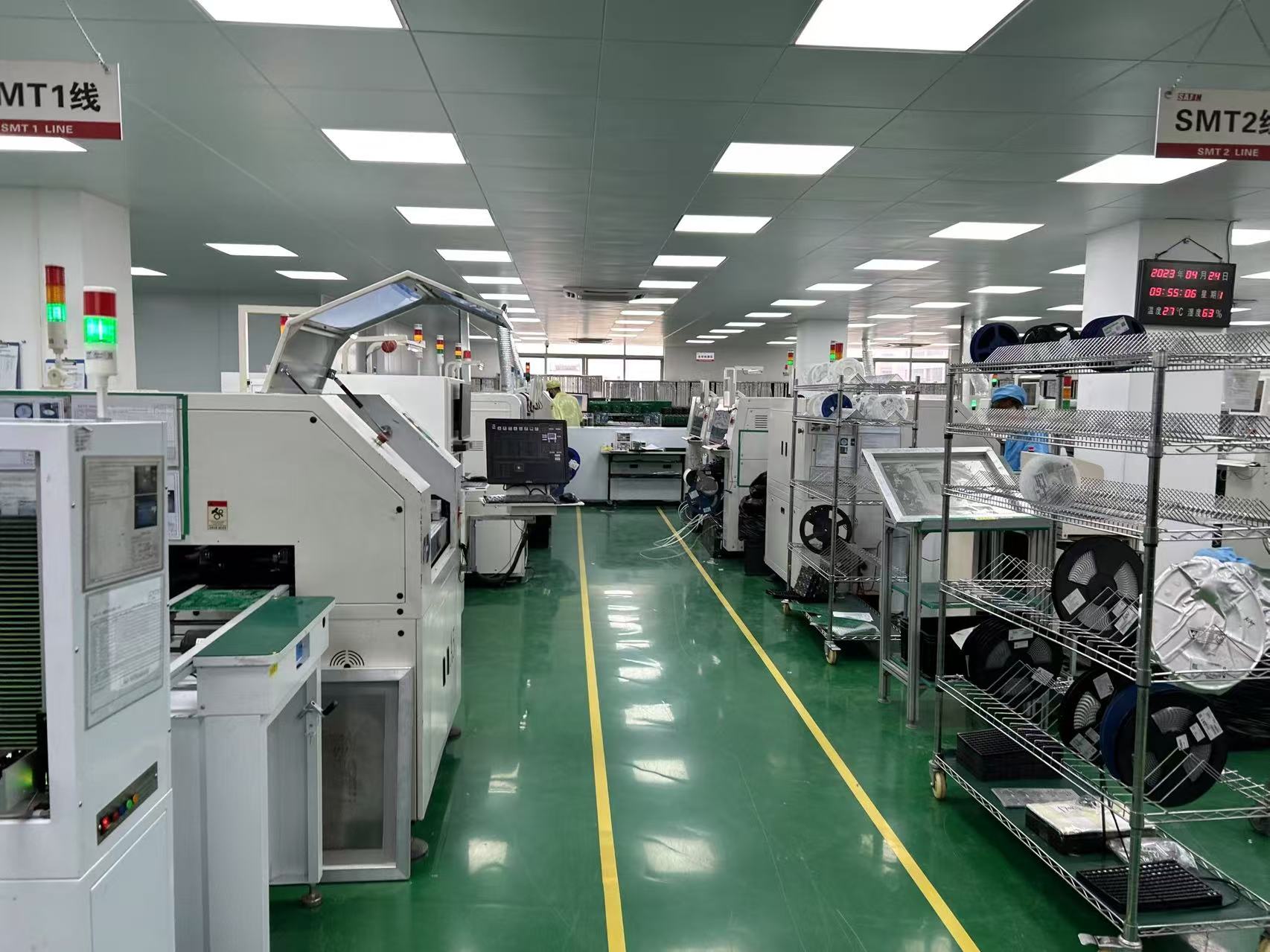
Mantenha as linhas SMT fiáveis: cuidados com o alimentador/bocal, armazenamento ESD, máquinas de limpeza, consumíveis e planeamento inteligente de peças sobresselentes para maximizar o tempo de funcionamento, a precisão e a estabilidade.
Tray feeder technology is not about looking sophisticated in a line layout. It is about keeping large, fragile, high-value components moving without turning every batch into a changeover tax.
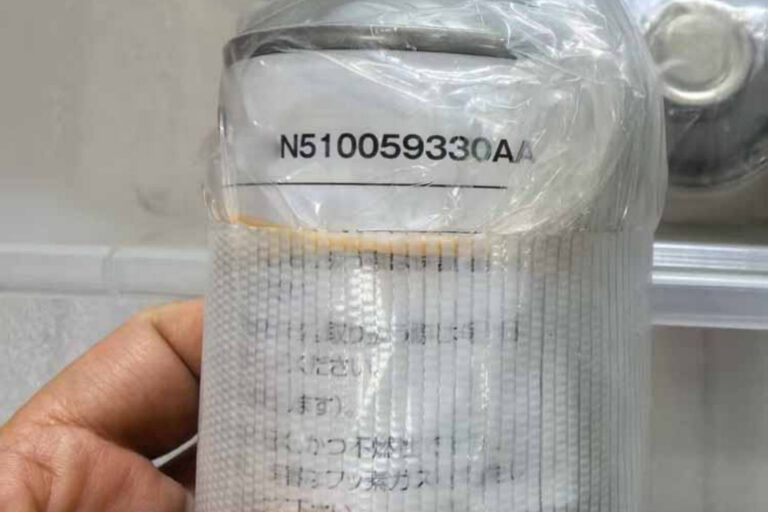
Stick feeder systems are not magic bulk hoppers. They are disciplined, tube-based component feeding systems that make sense when reels waste money, feeder slots, and operator time.

Most SMT lines do not lose parts because of bad luck. They lose them because nozzle selection, vacuum stability, pickup centering, and release timing drift out of control long before anyone admits it.
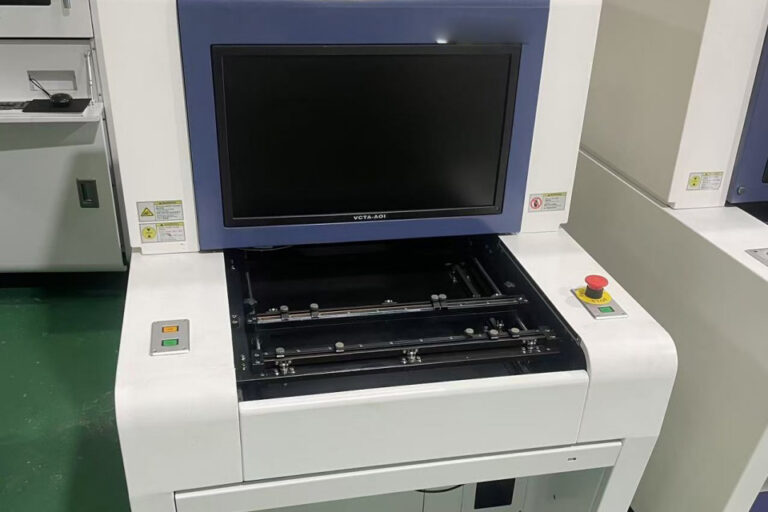
BGA and odd-shape placement failures rarely start at reflow; they usually start at pickup. This post explains how specialized nozzles, machine settings, and inspection discipline separate stable lines from expensive guesswork.
Standard nozzles are cost-effective until they begin to hide scrap, mispicks, and instability. This article explains when specialized nozzles and custom tooling create measurable returns in SMT and selective solder processes.
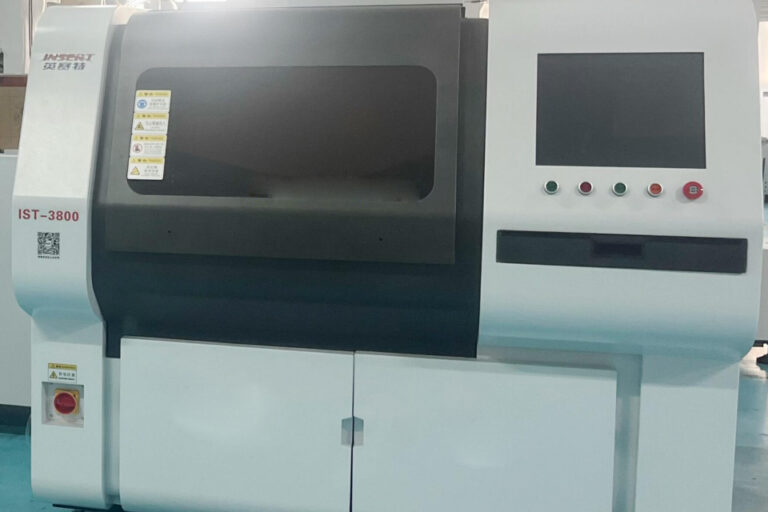
Automatic Nozzle Changers are not a vanity feature. They are a response to brutal product mix, shorter runs, and the hidden cost of nozzle indecision. This article breaks down which multi-nozzle strategies actually work, where vendors oversell, and how smart SMT teams should think about component variety.
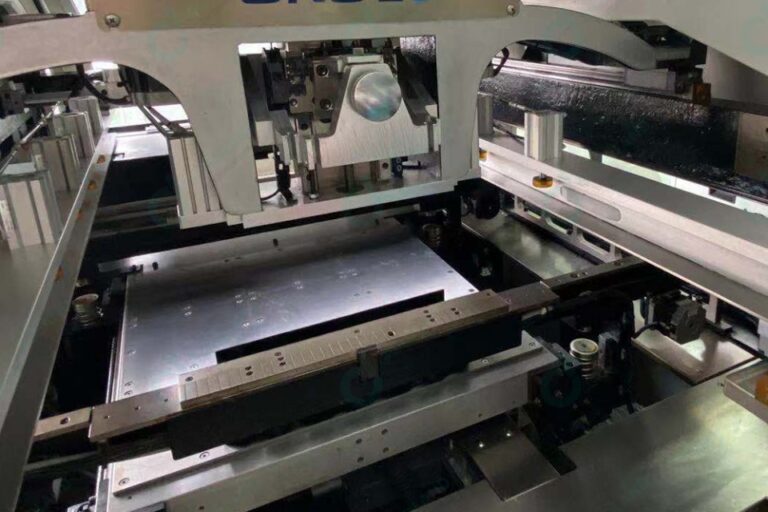
Base and top coat do not have to be the same brand. What matters is cure compatibility, film flexibility, lamp output, and ingredient quality—not whether the labels match.

Most nozzle failures start as boring contamination, then turn into placement drift, dropped parts, and expensive line stops. This guide explains how I would clean, inspect, and retire SMT vacuum nozzles before they start taxing yield.

Most SMT lines do not struggle because they lack nozzle options. They struggle because nozzle selection is treated as a setup detail instead of a process decision. This guide explains how to match pick and place nozzles to component geometry, vacuum behavior, and production risk.

A velocidade de colocação não é apenas uma especificação da máquina. É um problema matemático escondido no layout do alimentador, no movimento do cabeçote, nas mudanças de bico e na lógica de programação. Este artigo explica onde os algoritmos inteligentes realmente economizam tempo, onde os fornecedores exageram e o que os engenheiros devem medir antes de reivindicar uma vitória de rendimento.

O equipamento SMT barato pode tornar-se muito dispendioso quando o tempo de inatividade, as peças sobresselentes e a fraca assistência técnica começam a acumular-se. Este artigo compara as máquinas de recolha e colocação chinesas e japonesas, em que os compradores ganham ou perdem efetivamente dinheiro.
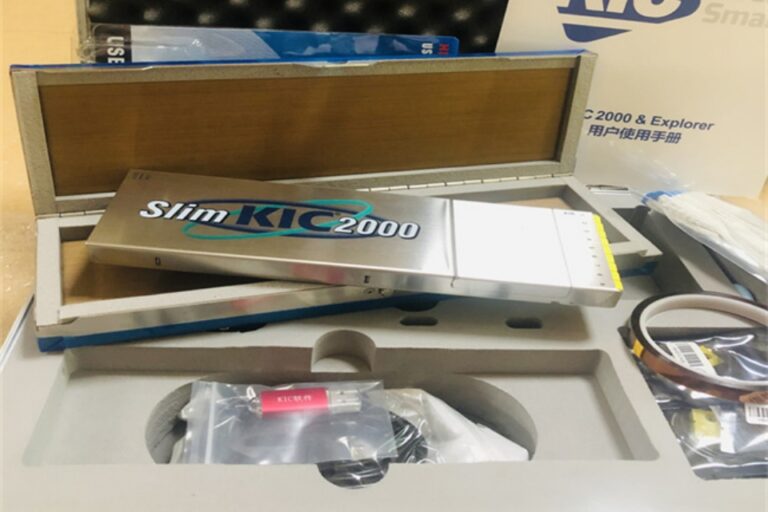
Uma ampla gama de tamanhos de componentes SMT parece impressionante no papel, mas a capacidade de colocação por si só não garante o rendimento. Este artigo explica o que realmente determina se uma linha pode executar componentes 0201 e peças de PCB de grandes dimensões sem falhas ocultas no processo.