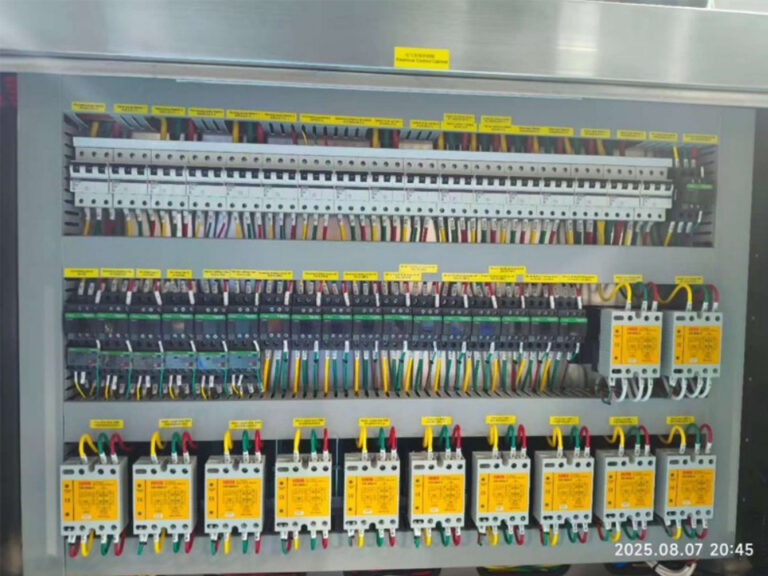
How to Calculate the Cost of Poor Quality in SMT Manufacturing
A step-by-step method to calculate SMT cost of poor quality: map defects by process step, cost rework, scrap, line stops and returns, then prioritize prevention spend.

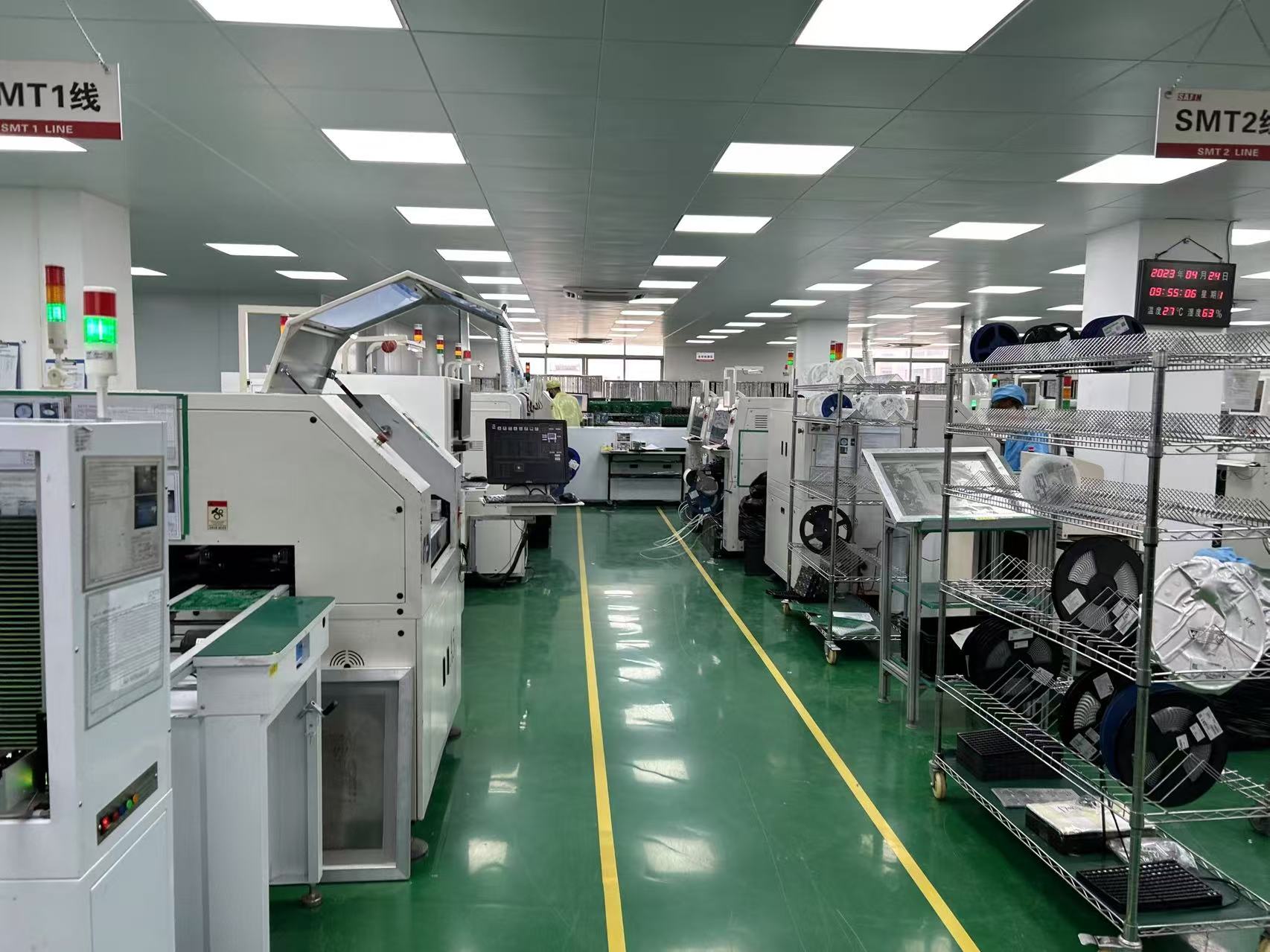
Processo e qualidade para linhas SMT: perfil de refluxo, impressão de pastas, feedback SPI-AOI, limpeza/DI water-boost yield, redução de defeitos e normalização da mão de obra.
A step-by-step method to calculate SMT cost of poor quality: map defects by process step, cost rework, scrap, line stops and returns, then prioritize prevention spend.

PFMEA predicts SMT process risks, the control plan puts practical safeguards on the line, and CAPA fixes the failures that escape. This guide shows how to connect all three, including feeder carts and lubrication, so your pick-and-place process keeps improving.
Saiba porque é que as peças se desviam no refluxo e como o impedir: gerir a queda da pasta, equilibrar o volume de impressão, afinar a força de colocação, controlar o fluxo de ar e reduzir a estática.
Assembly line changeovers produce chances for inaccurate dishes, tooling mismatches, and top quality issues that might get away first inspection. Discover how to verify device settings, verify the initial item, and establish a repeatable transition procedure that lowers avoidable production mistakes.
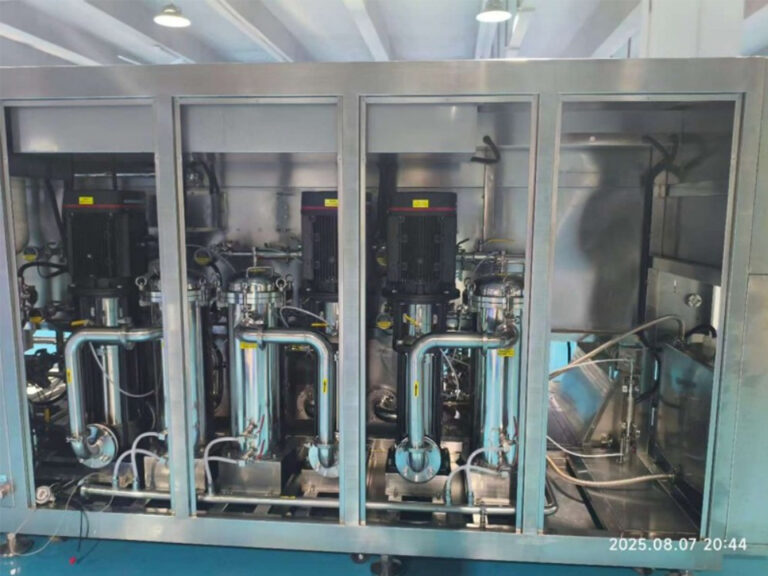
Connecting solder paste assessment (SPI), automated optical assessment (AOI), and a manufacturing implementation system (MES) can boost traceability and problem analysis. The real difficulty is making a decision which data deserves to be moved, stored, and acted upon in real time.

Selecting Critical-to-Quality (CTQ) Metrics for an SMT control strategy requires greater than tracking solder issues and equipment downtime. This guide discusses how to attach client needs, procedure parameters, statistical procedure control, and quantifiable acceptance requirements to the actual dangers of surface-mount technology manufacturing.

Design for testability is not just about ICT pads. In real SMT work, it decides whether your line can see, verify, and trace every placement before a small defect becomes an expensive failure.
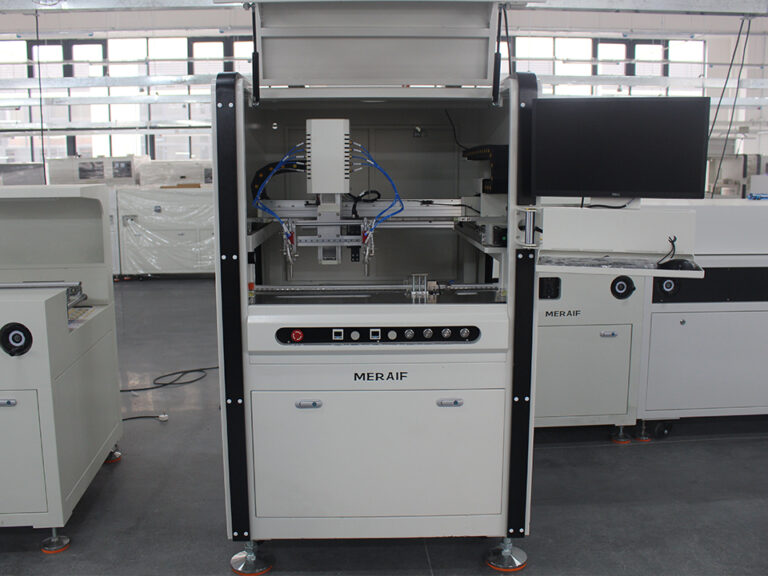
Moisture damage is usually a control-system failure, not an operator mistake. This guide explains how to manage MSL exposure, storage, baking, placement, inspection, and audit evidence across an SMT line.
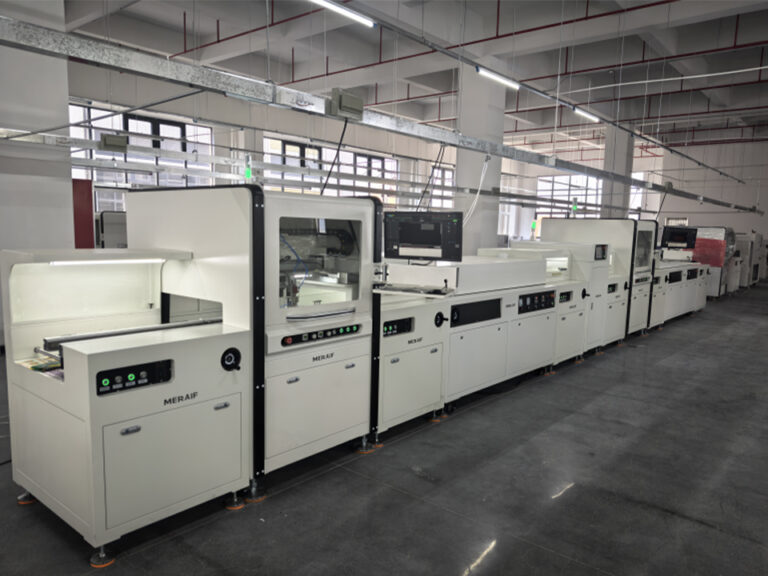
A shared SMT line can process lead-free and leaded assemblies, but only under a documented segregation and changeover system. This guide examines contamination risks, thermal profiling, inspection, traceability, and the controls weak factories routinely miss.
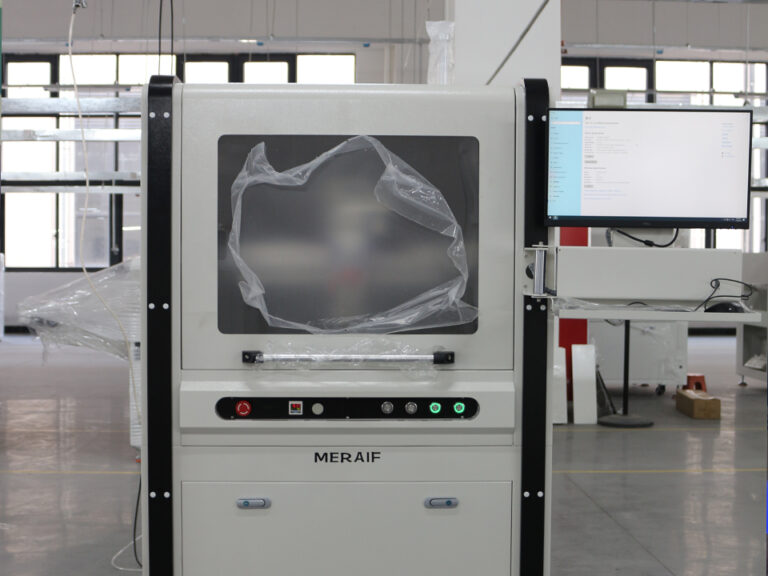
Reducing AOI false alarms is not a matter of loosening thresholds. This guide explains how to control upstream variation, optimize inspection recipes, and prove that defect escape rates remain stable.
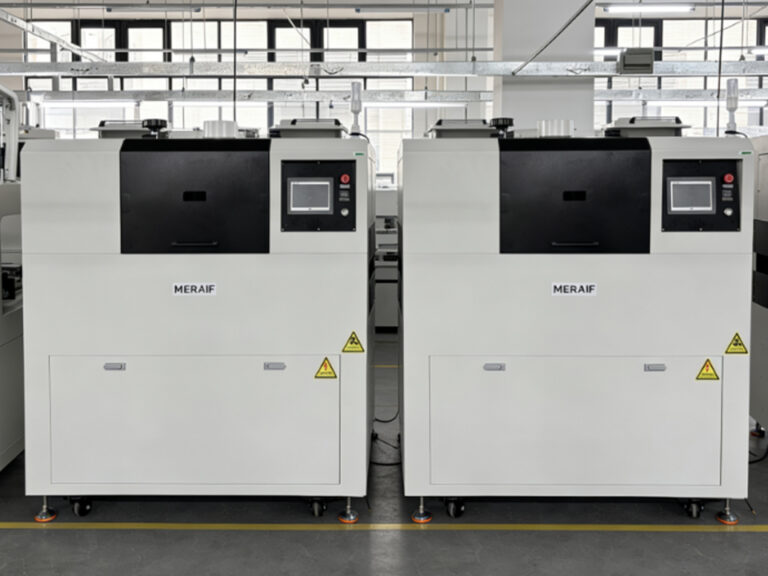
SMT yield can look healthy and balanced while malfunctioning assemblies still reach clients. This overview explains which KPIs reveal that void and just how to attach printer, SPI, AOI, examination, and field-quality information.
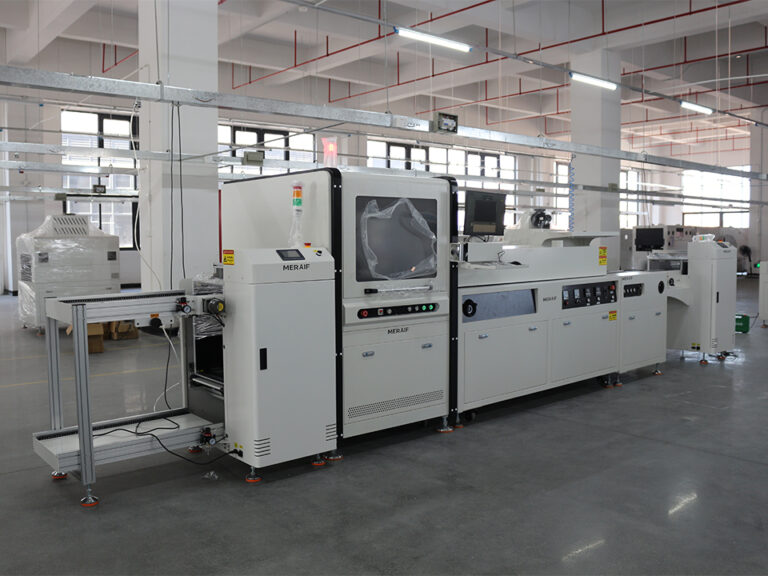
PCB warpage is not just a dimensional trouble at inbound examination; it can modify solder paste transfer, positioning geometry, solder-joint development, and assessment results as the board relocates with an SMT line. This post analyzes where bow and twist become pricey, why room-temperature flatness can be misleading, and which regulates actually minimize danger.