
Versatile And Wearable Electronic Devices: Unique Placement Difficulties
Wearable Electronics face positioning, bending, soldering, and SMT reliability problems that standard PCB reasoning still underestimates.

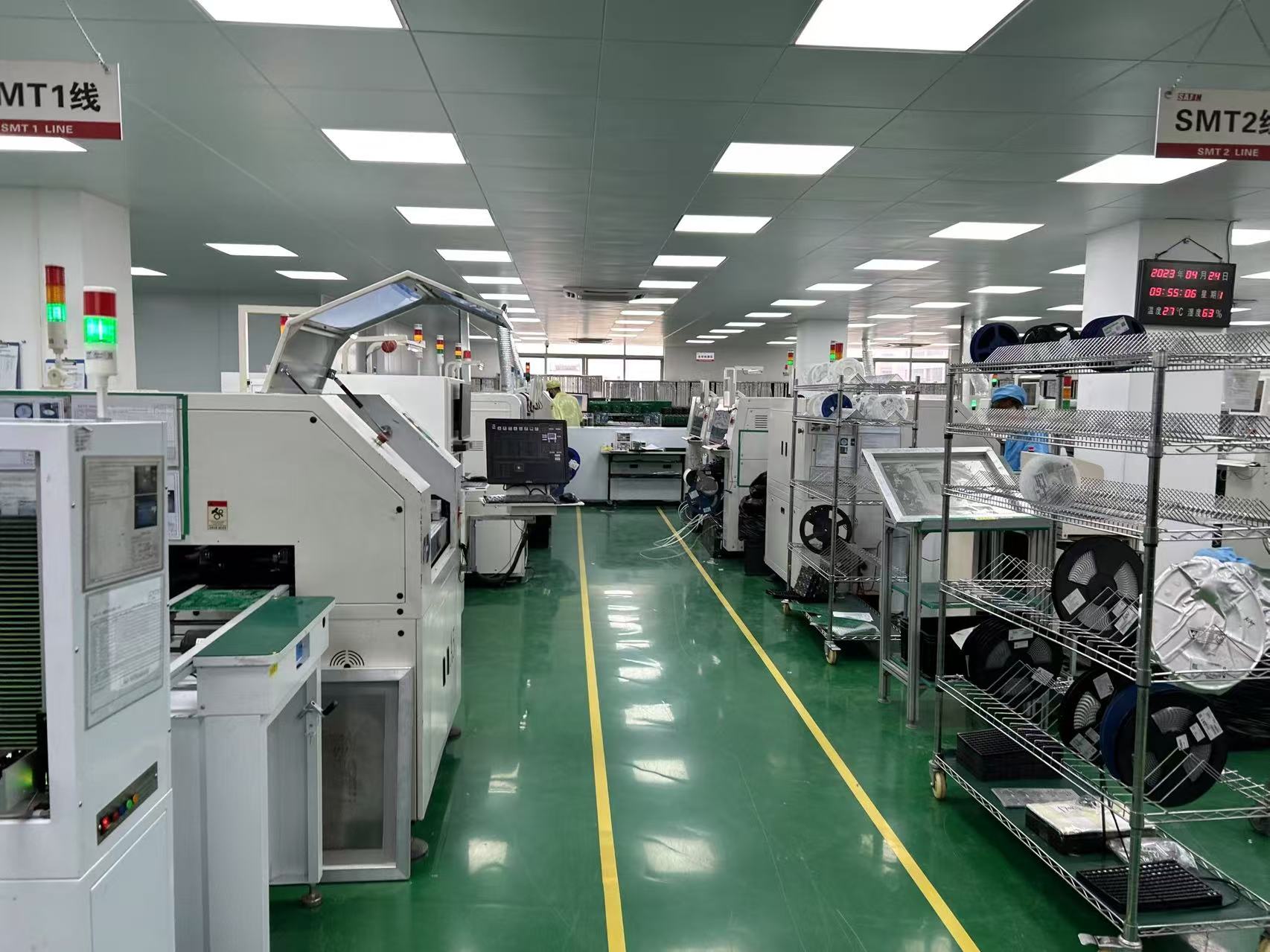
Turnkey and automation from a source factory: mixed and high-speed lines, prototypes, selective wave, soldering robots, handling and taping—ROI-focused results.
Wearable Electronics face positioning, bending, soldering, and SMT reliability problems that standard PCB reasoning still underestimates.

High-volume LED assembly is not won by purchasing the fastest mounter; it is won by controlling feeders, optics, solder paste, thermal limits, and placement variant at rate. This overview breaks down the hard manufacturing choices behind high-speed LED placement for purchasers, process designers, and SMT line supervisors.

5G RF setting up falls short where numerous purchasers quit looking: dielectric drift, solder geometry, grounding, thermal crookedness, and weak inspection logic. This write-up breaks down exactly how high-frequency circuit assembly should be planned prior to the initial element gets to the SMT line.

IoT side computer tools look simple till the PCB hits the SMT line. This short article exposes the setting up failings hiding behind cordless modules, thermal density, mixed-component boards, safety and security hardware, and hurried scale-up.

Automotive electronics failures usually begin with small process escapes, not dramatic machine breakdowns. This guide explains the pick and place standards, inspection discipline, and traceability controls needed for high-reliability SMT assembly.

This article explains why aerospace PCB assembly cannot be treated like ordinary electronics manufacturing. It focuses on traceability, inspection discipline, line control, counterfeit-risk prevention, and the supplier evidence buyers should demand.

Most Kaizen programs fail because managers chase slogans instead of bottlenecks, WIP, downtime, and operator reality. This guide explains how continuous improvement frameworks should work on assembly lines, especially in SMT and electronics manufacturing.

Medical device assembly is not just production work; it is a regulated proof system. This article explains how pick and place, traceability, inspection, and FDA requirements collide on the factory floor.

Lean manufacturing on an SMT line is not about chasing the highest CPH on a brochure. It is about removing waiting, feeder chaos, changeover drag, and defect loops that quietly destroy output.

Quality by Design is not a compliance ornament. It is the difference between an assembly plan that predicts failure modes and one that pays for them in scrap, rework, warranty returns, and slow-motion customer distrust.

Pick and place traceability is only as strong as the records behind it. This article explains which documents matter, where factories fail, and how to build an audit-ready SMT documentation system.

Energy efficiency is not a feel-good retrofit story. It is factory math, and the plants that treat it that way usually lower utility spend, rework, and maintenance pain faster than their competitors.