
Automation Roi: Why Investing In Pick And Place Machines Makes Sense
Most ROI decks are fluff. This one treats pick-and-place ROI like a CFO would: cash, risk, and ugly surprises.

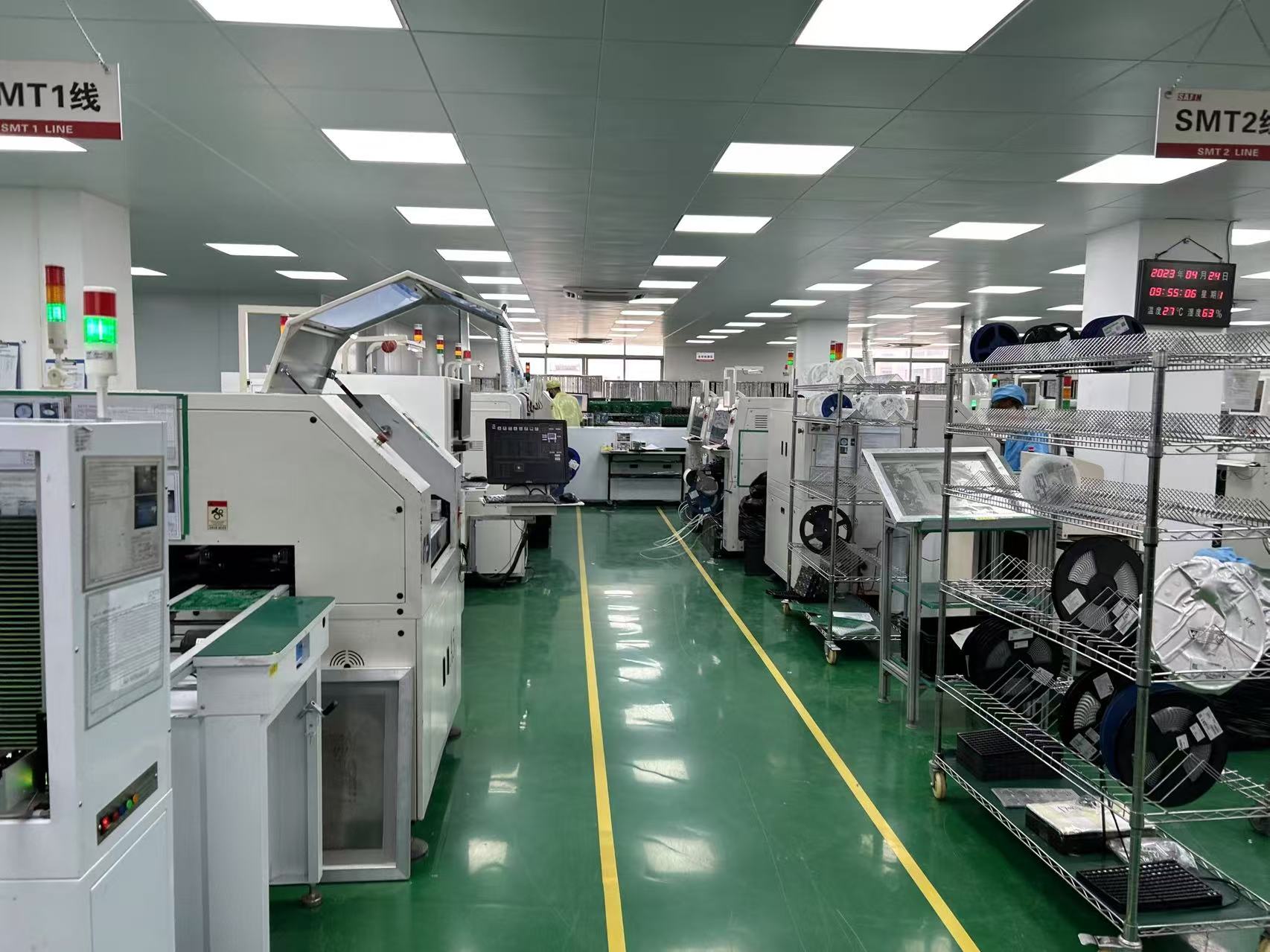
Turnkey and automation from a source factory: mixed and high-speed lines, prototypes, selective wave, soldering robots, handling and taping—ROI-focused results.
Most ROI decks are fluff. This one treats pick-and-place ROI like a CFO would: cash, risk, and ugly surprises.

High-mix, low-volume work isn’t “small stuff.” It’s a stress test that exposes weak scheduling, sloppy changeovers, and fake “flexibility” claims—then rewards the factories that fix them.

Mini parts don’t just shrink your margins—they shrink your process window. This post shows where placement precision really fails, and what to measure before you buy “more accuracy.

Most “AI in SMT assembly” projects fail for boring reasons: bad data joins, messy feeder metadata, and no change control. This post shows where machine learning actually improves pick-and-place programming, placement quality, and predictive maintenance—using real 2024 evidence and hard limits.

Industry 4.0 is hitting SMT lines fast, but most “smart” upgrades fail for boring reasons: data quality, interfaces, and ownership. Here’s what actually works, what breaks, and what to buy first

Deep learning vision spots solder paste printing defects early, adapts to drift, flags unknown issues, and supports higher FPY in real SMT lines with Meraif.

A practical guide to million-unit SMT output: cut takt losses, speed stencil cleaning, stabilize reflow, tune AOI, and use OEE/traceability to protect yield.

SMT-focused playbook for faster consumer electronics builds: DFM, AVL/alternates, BOM cleanup, NPI ramp control, reflow profiling, and SPI/AOI feedback—plus Meraif fit.
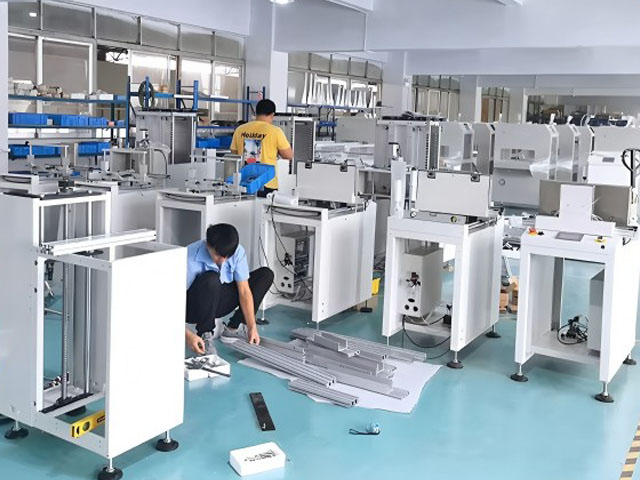
Picture this: you walk into a busy electronics workshop. Boards are sliding on conveyors; robotic arms are snapping parts in place faster than people ever could.