Wrong Part Placement: Preventing Msd (Most Severe Defects)
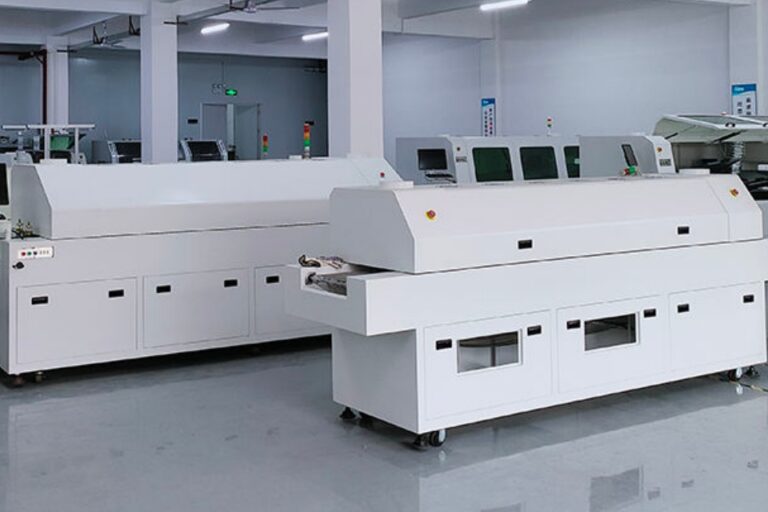
Wrong part placement isn’t “a little defect.” It’s a chain reaction that can end in scrap, field failures, or a recall. This post shows the controls that actually work on busy SMT lines.


Wrong part placement isn’t “a little defect.” It’s a chain reaction that can end in scrap, field failures, or a recall. This post shows the controls that actually work on busy SMT lines.
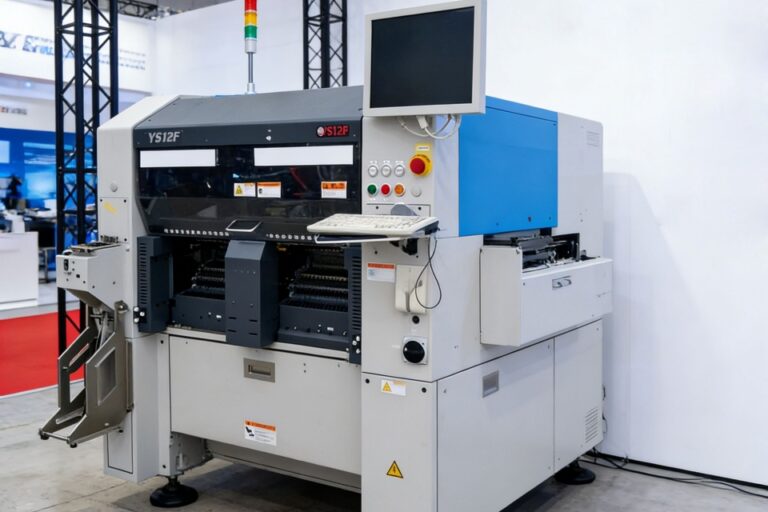
Fiducials look boring until a line starts placing 01005s 80–150 µm off target and everyone blames the machine. I’ll show you what the vision system really “sees,” and what your PCB layout should stop doing.
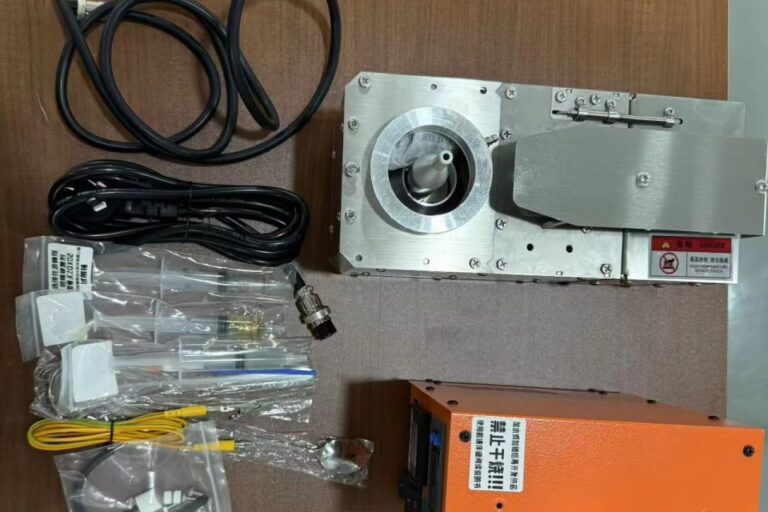
Most SMT line integration projects don’t fail on placement speed. They fail on boring interface details—signals, conveyor height, software handshakes, and commissioning discipline.
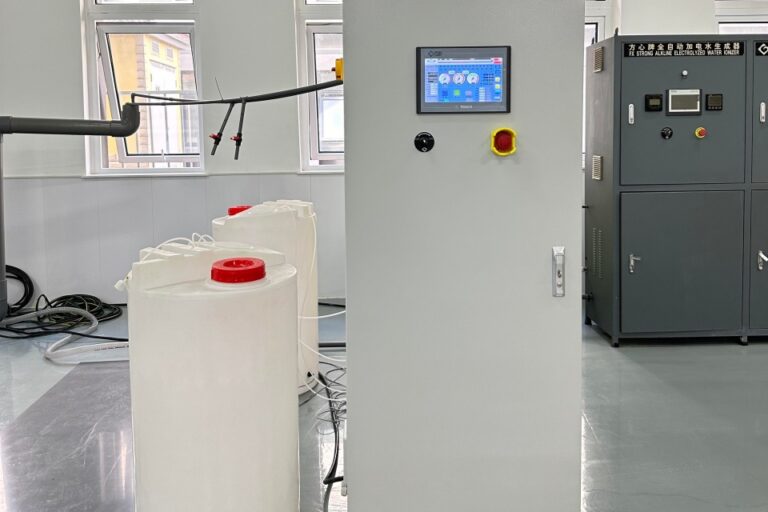
Mid-range pick-and-place is where growing PCB assembly shops either scale cleanly or bleed money in quiet, stupid ways. This is the buyer-side playbook: what “mid-range” really means, what it really costs, and how to spot the glossy lies fast.

High-mix, low-volume work isn’t “small stuff.” It’s a stress test that exposes weak scheduling, sloppy changeovers, and fake “flexibility” claims—then rewards the factories that fix them.
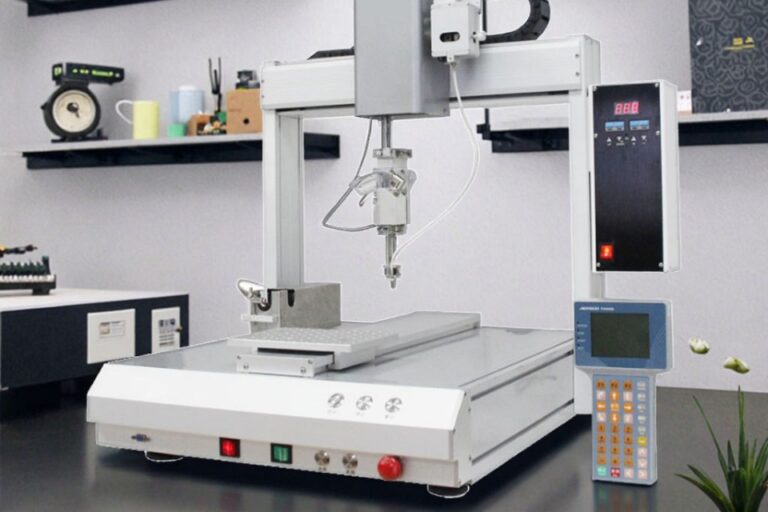
Coordinate systems aren’t theory in SMT. They’re the hidden layer where “random” defects get manufactured on purpose. This guide shows how XY, Z, and rotation really behave inside modern pick-and-place, and how to catch the lies your line is telling you.
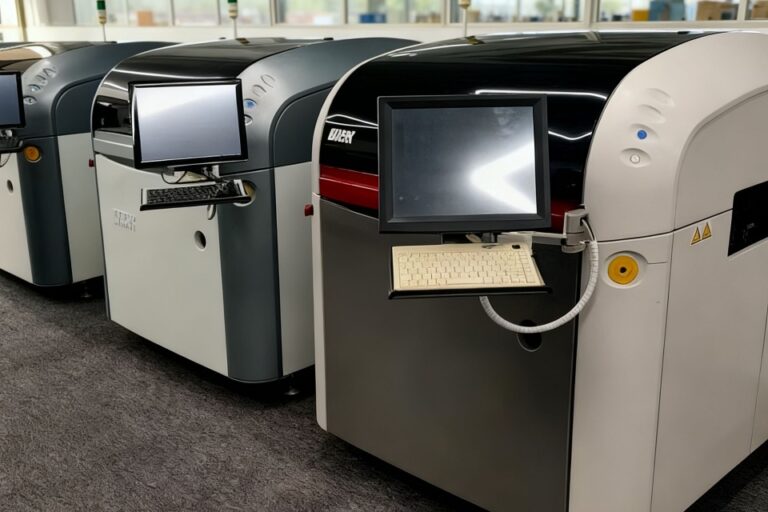
Feeder setup looks “basic” until it quietly becomes your #1 driver of placement defects, rework, and stoppages. This guide shows the settings and checks that separate stable lines from daily firefights.
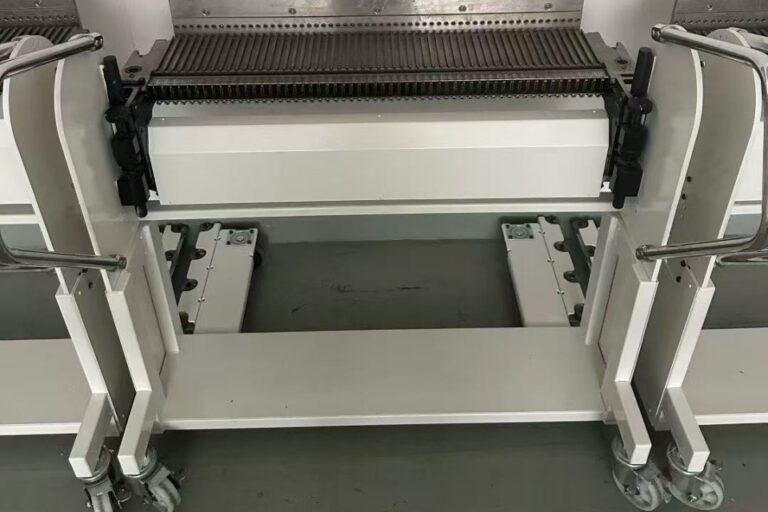
Buying used can look cheap and still bleed you for years. This TCO teardown shows where the money really goes, and how to price the risk.
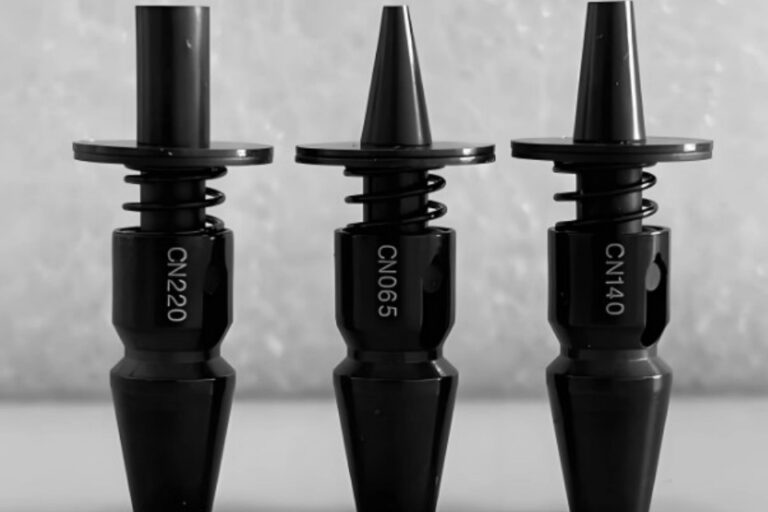
Mini parts don’t just shrink your margins—they shrink your process window. This post shows where placement precision really fails, and what to measure before you buy “more accuracy.
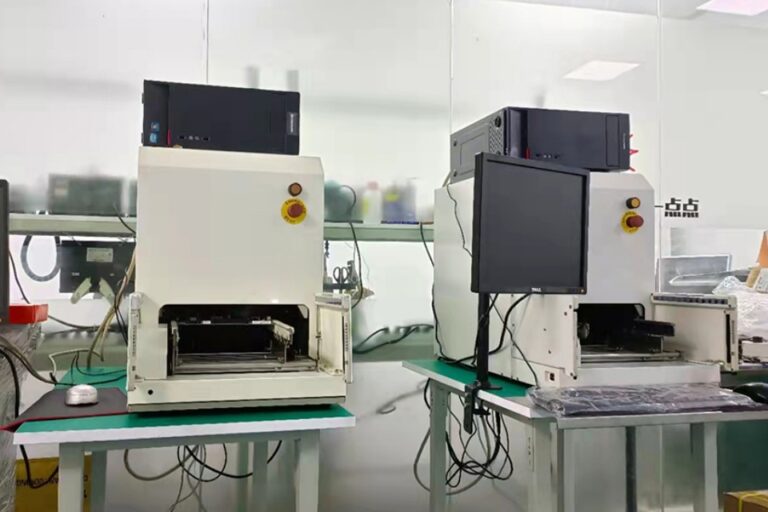
Component offset error isn’t “random bad luck.” It’s usually repeatable, measurable, and fixable—if you stop guessing and start treating placement like a calibration problem.

Most “vision” claims in pick-and-place brochures hide the ugly part: calibration drift, lighting tricks, and bad libraries. This guide breaks down component recognition and alignment so you can spot the real capability—before you pay for it.
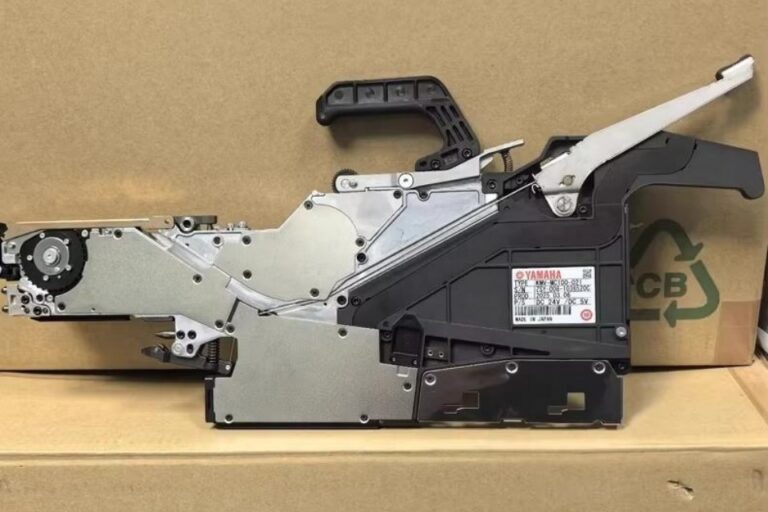
Your first pick and place machine setup isn’t “plug it in and print money.” This guide shows the checks that actually matter, plus the paperwork and proof steps that keep you out of rework hell.